

ENERGY .
Book Review: From Climate to Community by Dr. Akwo Thompson Ntuba
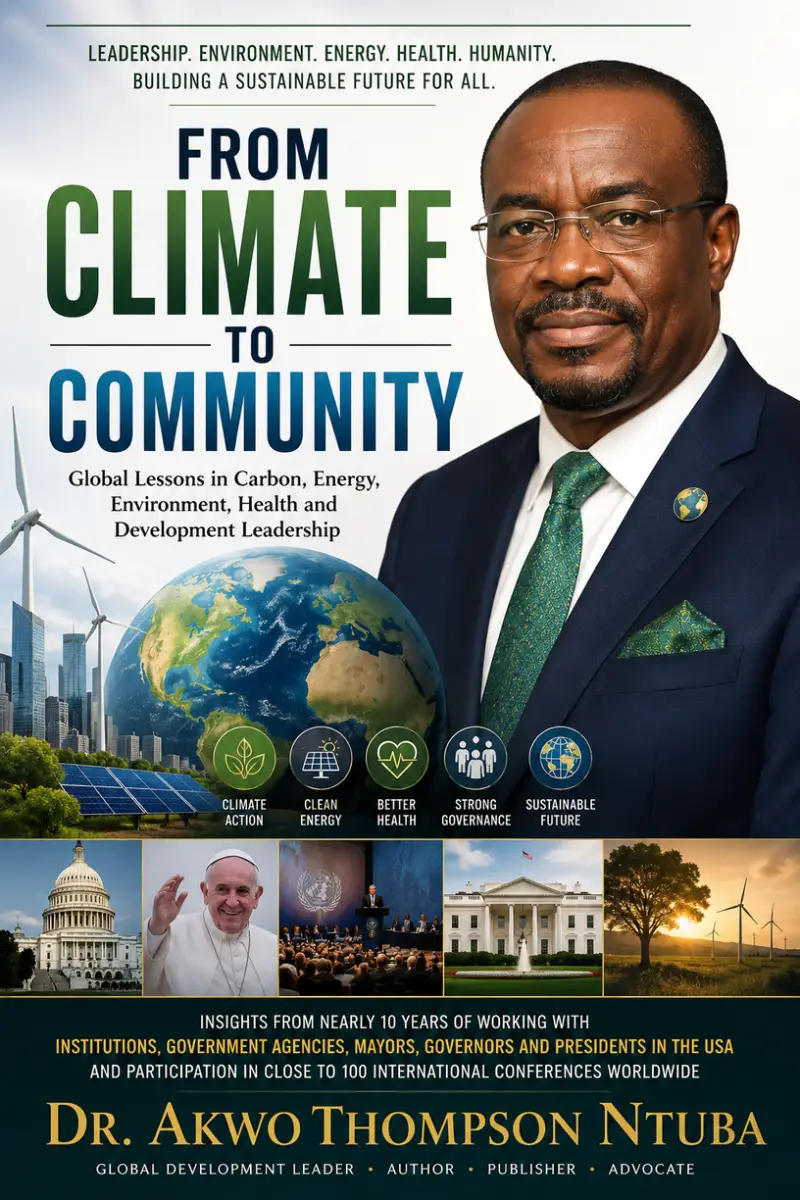
Book Review: From Climate to Community by Dr. Akwo Thompson Ntuba Concise takeaway: From Climate to Community is a sweeping, deeply informed, and unusually integrative contribution to the global climate‑health conversation—part scientific synthesis, part governance chronicle, and part moral call to action.
A Transformative Work at the Intersection of Carbon, Climate, and Human HealthDr. Akwo Thompson Ntuba’s latest book arrives at a moment when the world is struggling to connect the dots between rising carbon emissions, worsening climate shocks, and the lived realities of communities. What distinguishes this work is its rare fusion of medical insight, governance experience, and global field engagement.
Rather than treating climate change as an abstract environmental problem, Dr. Ntuba frames it as a human story—one shaped by political decisions, energy systems, economic inequities, and the health of vulnerable populations.
A Global Lens Rooted in Real Institutions and Real CommunitiesDrawing from nearly a decade of work with:
U.S. federal agencies
Governors, mayors, and city systems
Multilateral institutions
International climate and energy conferences
Faith leaders and community networks
Dr. Ntuba offers a panoramic view of how climate policy is made, contested, and implemented. The book’s strength lies in its ground‑level observations: carbon emissions are not just numbers—they are lived consequences for coastal families, Indigenous communities, urban heat‑island residents, and frontline workers.
Carbon, Energy, and the New Health ImperativeThe chapters on carbon are particularly compelling. Dr. Ntuba explains:
How carbon cycles are disrupted by industrialization
Why CO₂ and short‑lived climate pollutants accelerate warming
The health burdens of fossil‑fuel dependence
The hidden carbon debt in construction, agriculture, and global shipping
The moral and scientific urgency of carbon capture, storage, and utilization
His medical background gives these sections unusual clarity. Climate change is not only an environmental crisis—it is a public health emergency affecting respiratory disease, heat‑related mortality, vector‑borne illnesses, mental health, and food security.
Governance, Equity, and the Human ImpactOne of the book’s most powerful contributions is its exploration of fairness, race, and climate justice. Dr. Ntuba documents:
Displacement of communities from inhospitable lands
The disproportionate impact on Indigenous peoples
The uneven responsibilities of high‑emission nations
The leadership of African reforestation movements
The rise of global youth climate activism
He argues that climate leadership must be ethical, inclusive, and community‑centered, not merely technocratic.
A Bridge Between Science, Policy, and FaithFew climate books weave together:
Scientific analysis
Governance lessons
Faith‑based moral reasoning
Community resilience
Global diplomacy
Dr. Ntuba does so with ease, reflecting his unique background as a physician, communicator, minister, and global development leader.
A Timely Contribution to Global Climate LeadershipFrom Climate to Community is not just a book—it is a framework for action. It speaks to policymakers, health professionals, climate advocates, students, and community leaders seeking to understand the full spectrum of climate impacts.
It is also a testament to Dr. Ntuba’s long‑standing commitment to documenting:
Energy transitions
Climate‑health linkages
Governance failures and successes
The lived experiences of communities across continents
This book will stand as a reference point for years to come.
Final VerdictA compelling, authoritative, and deeply human exploration of the climate crisis. Dr. Ntuba offers not only analysis but also hope—rooted in community, leadership, and global solidarity.
Energy Leadership in Turbulent Times: Reflections from OTC 2026 in Houston

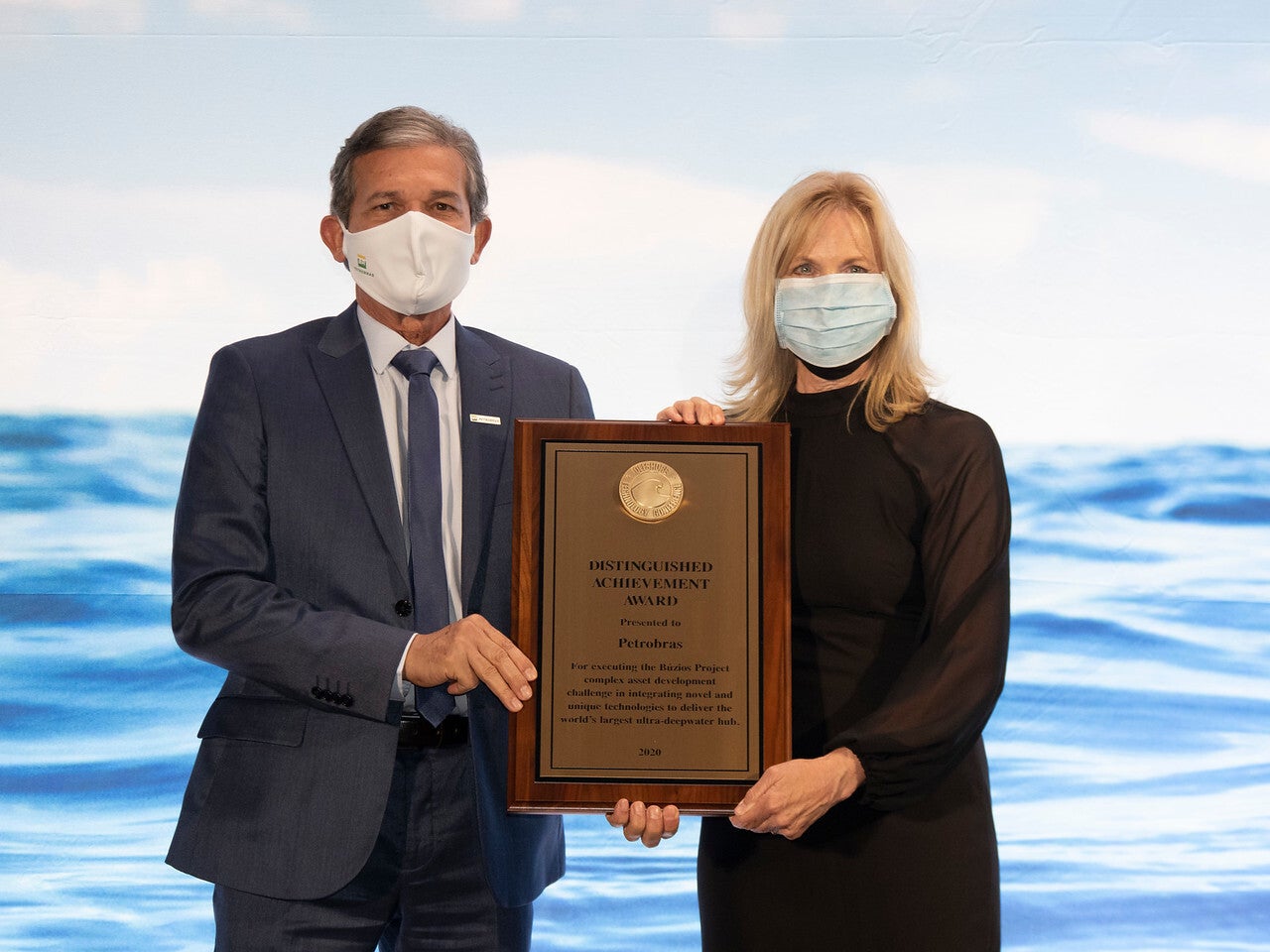

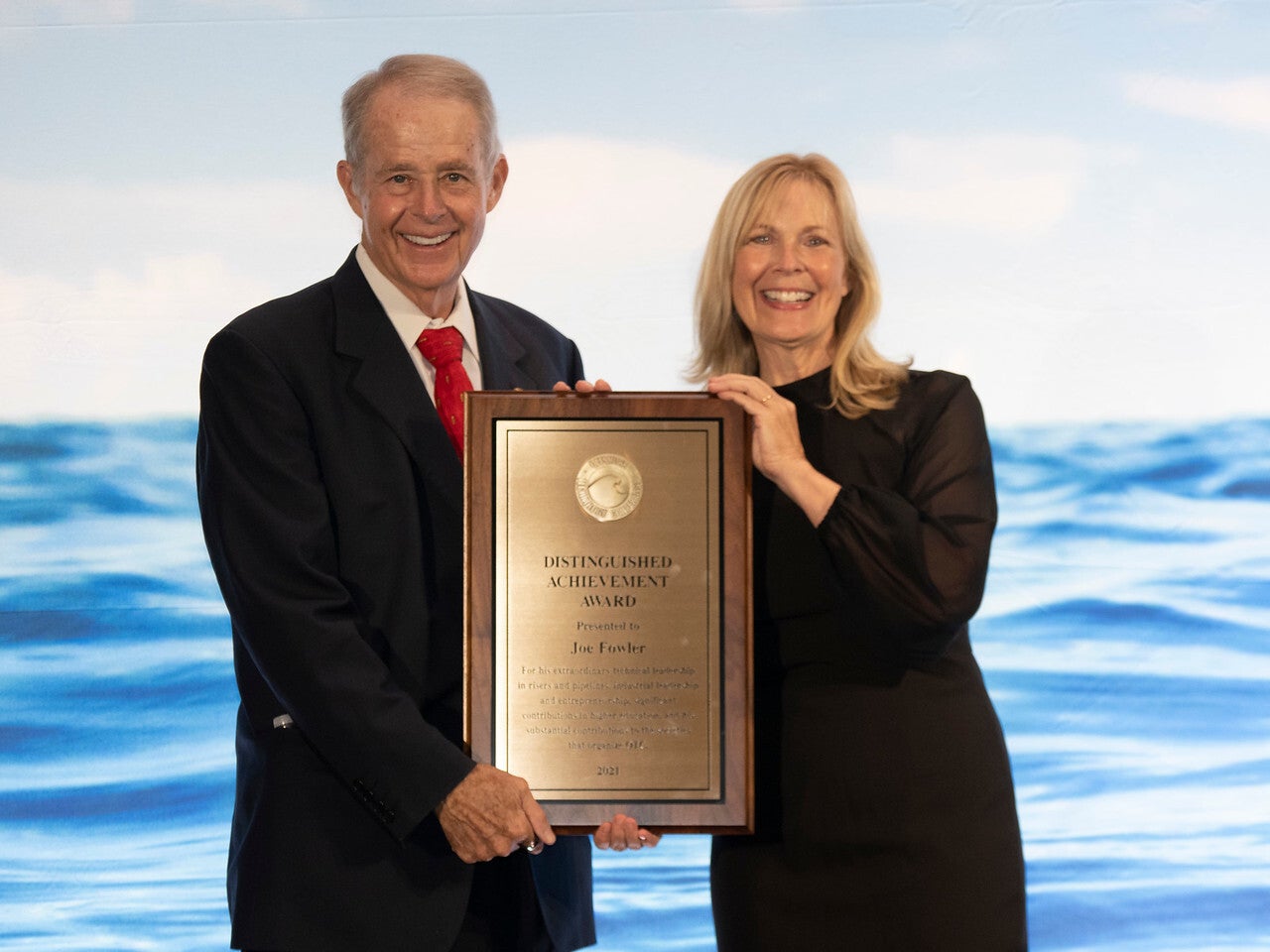

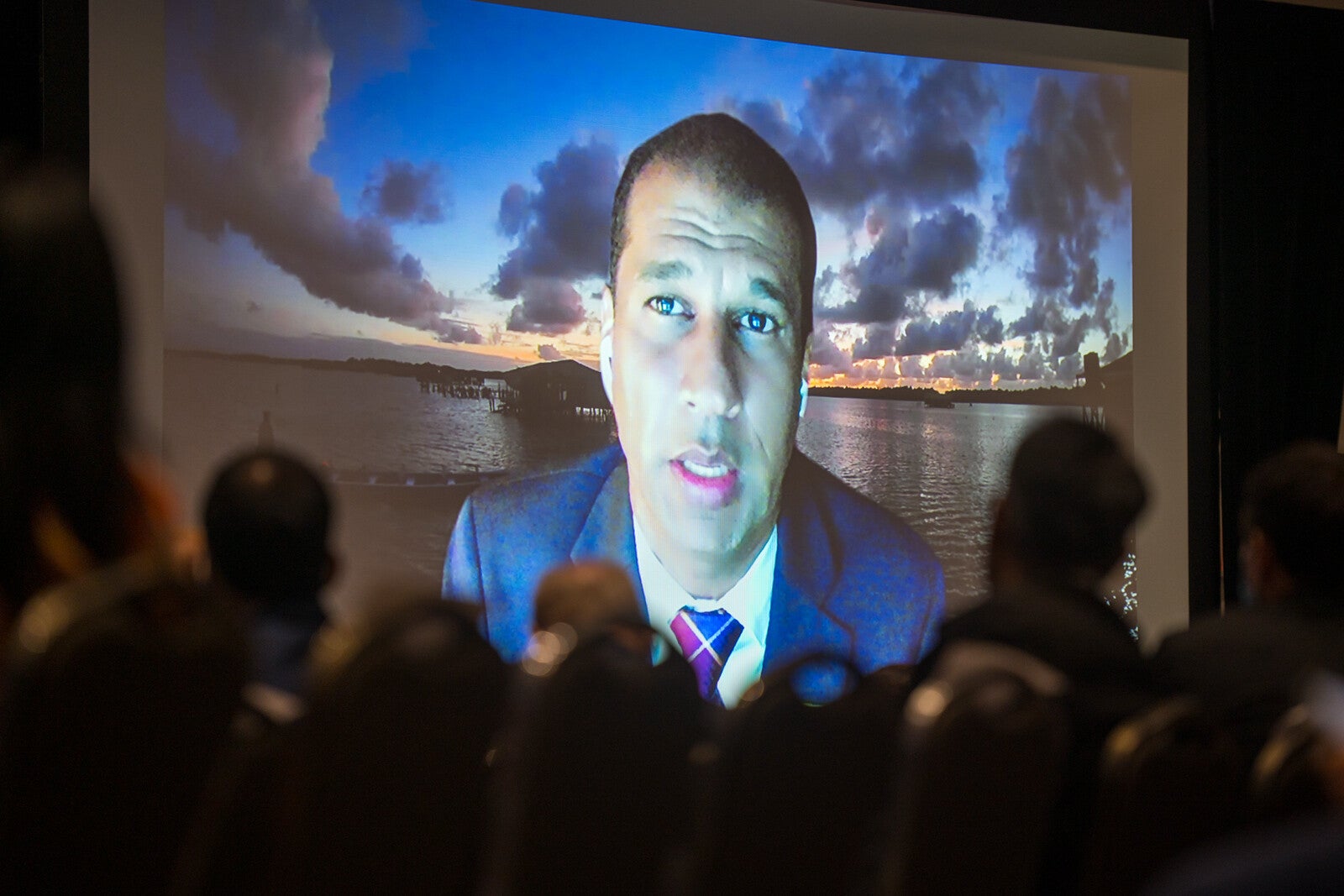

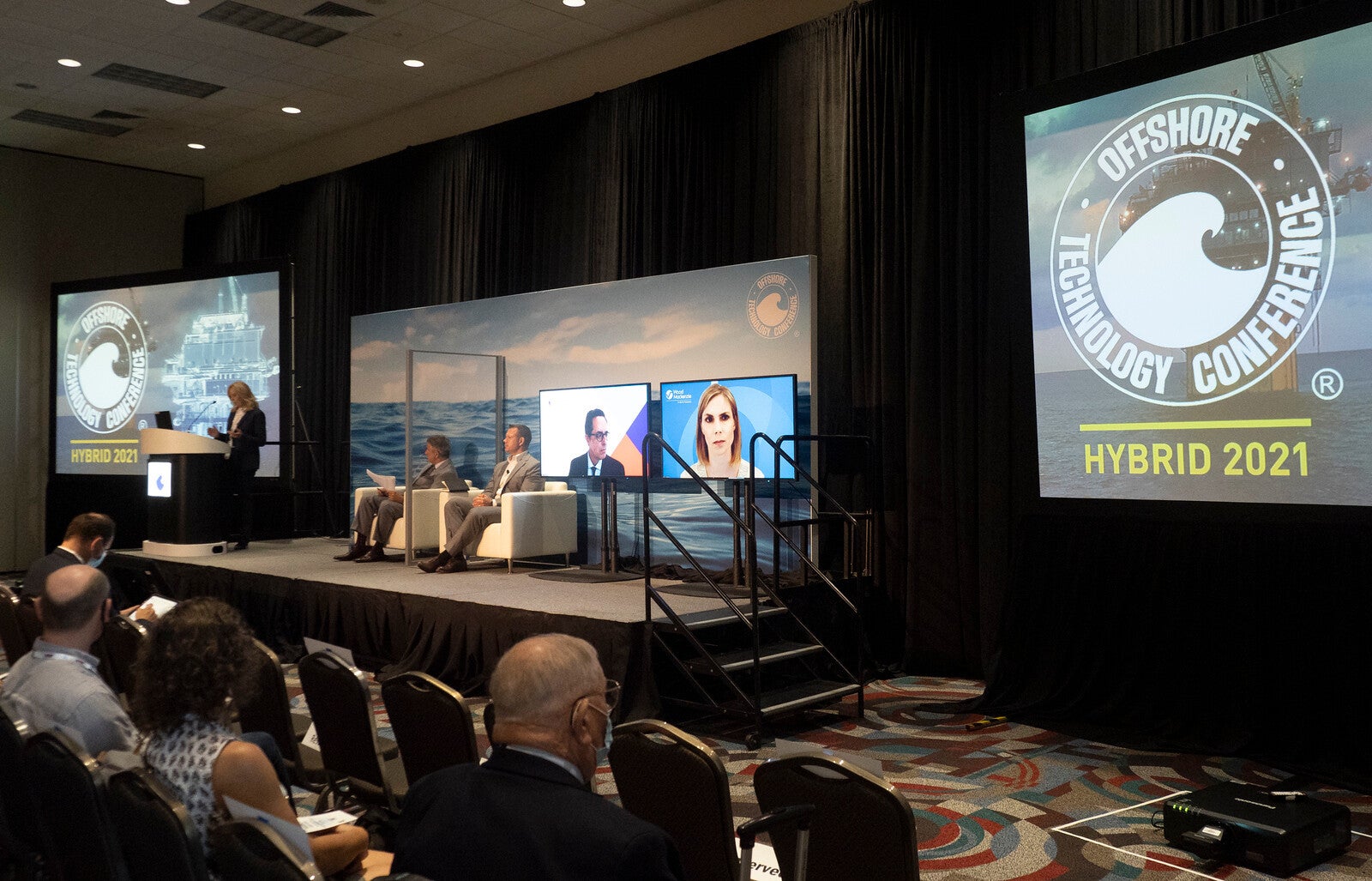




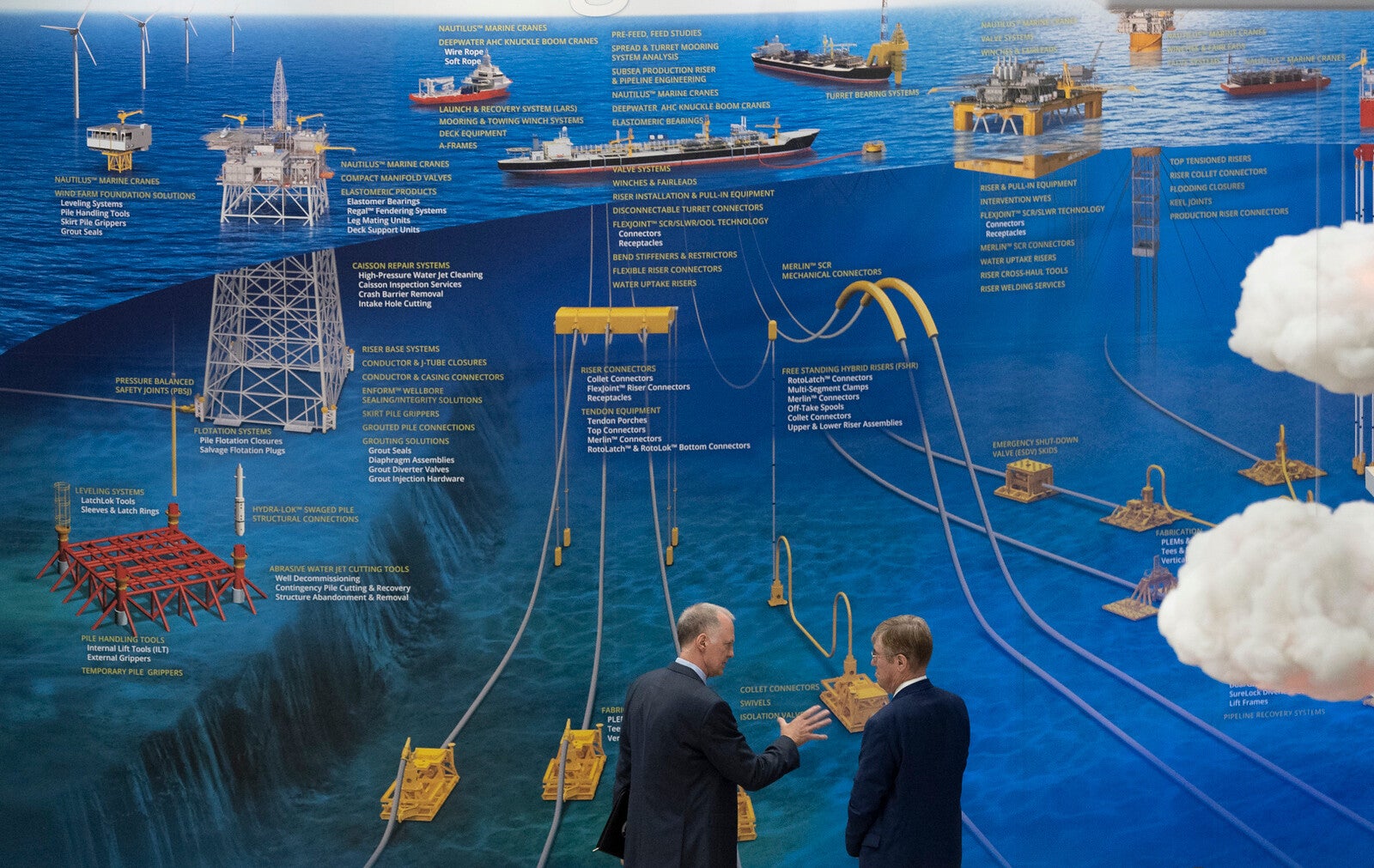

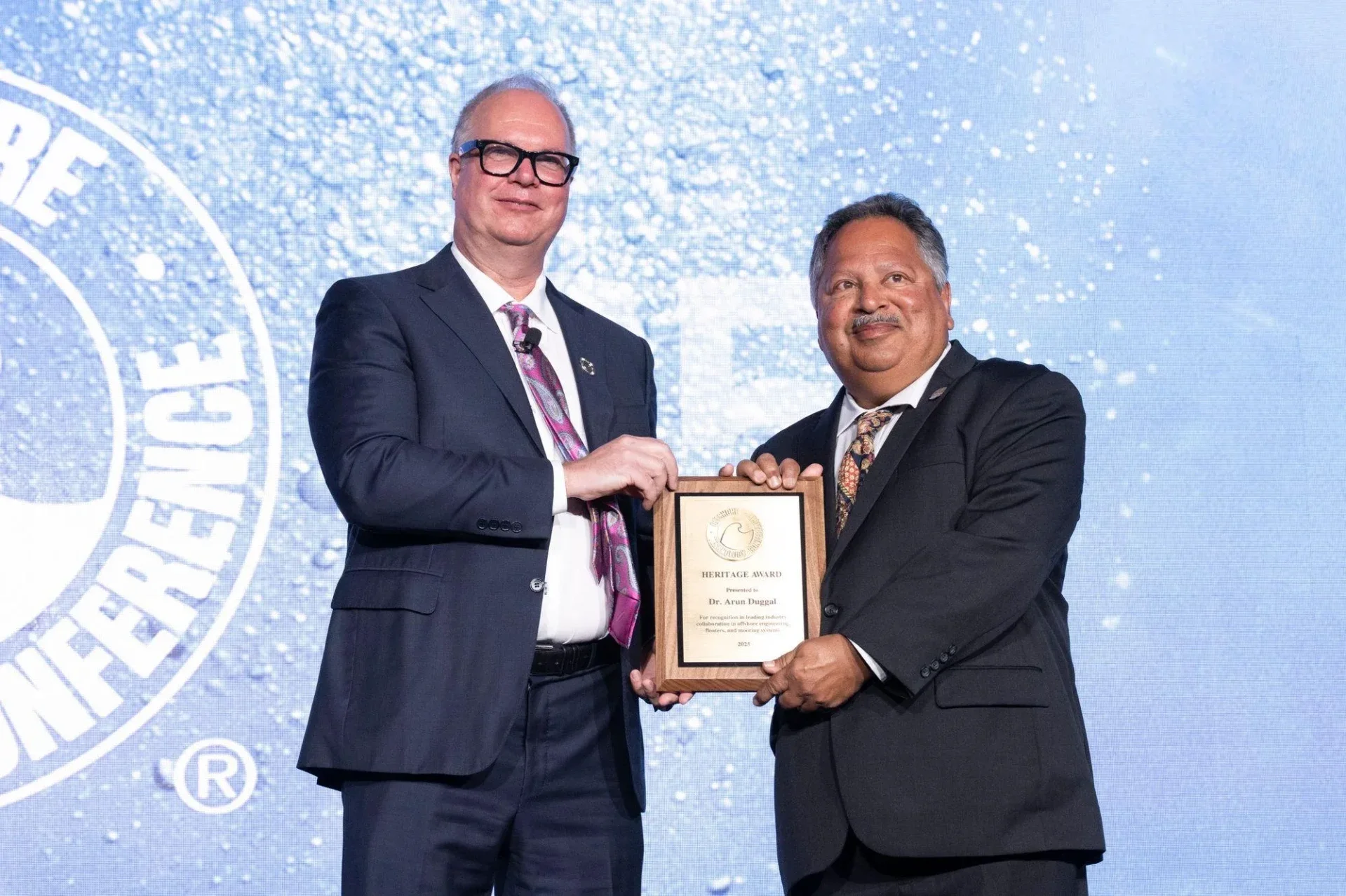




Energy Leadership in Turbulent Times: Reflections from OTC 2026 in Houston
By Dr. Akwo Thompson Ntuba Chief Editor, Health & Development Magazine and Media
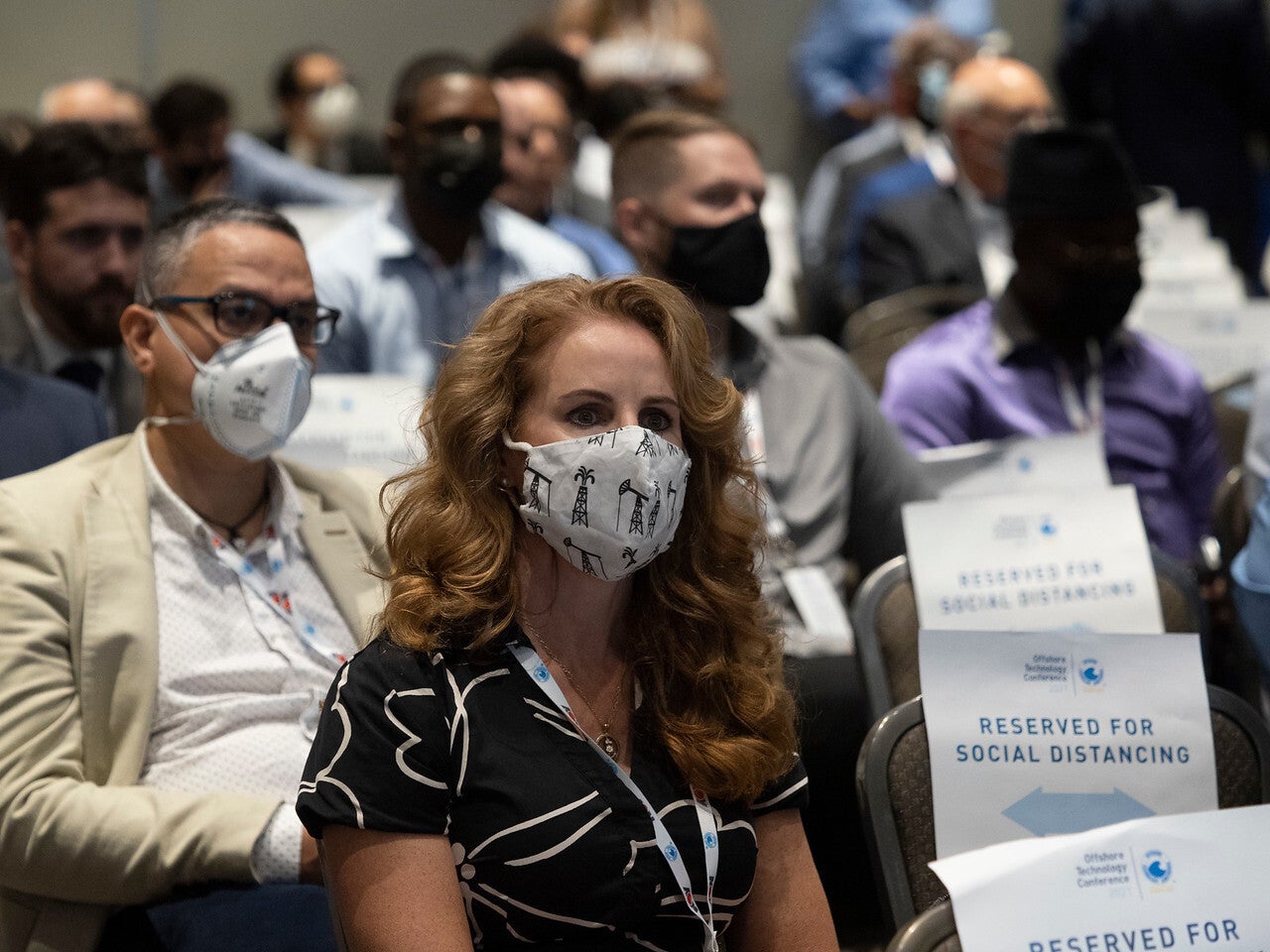
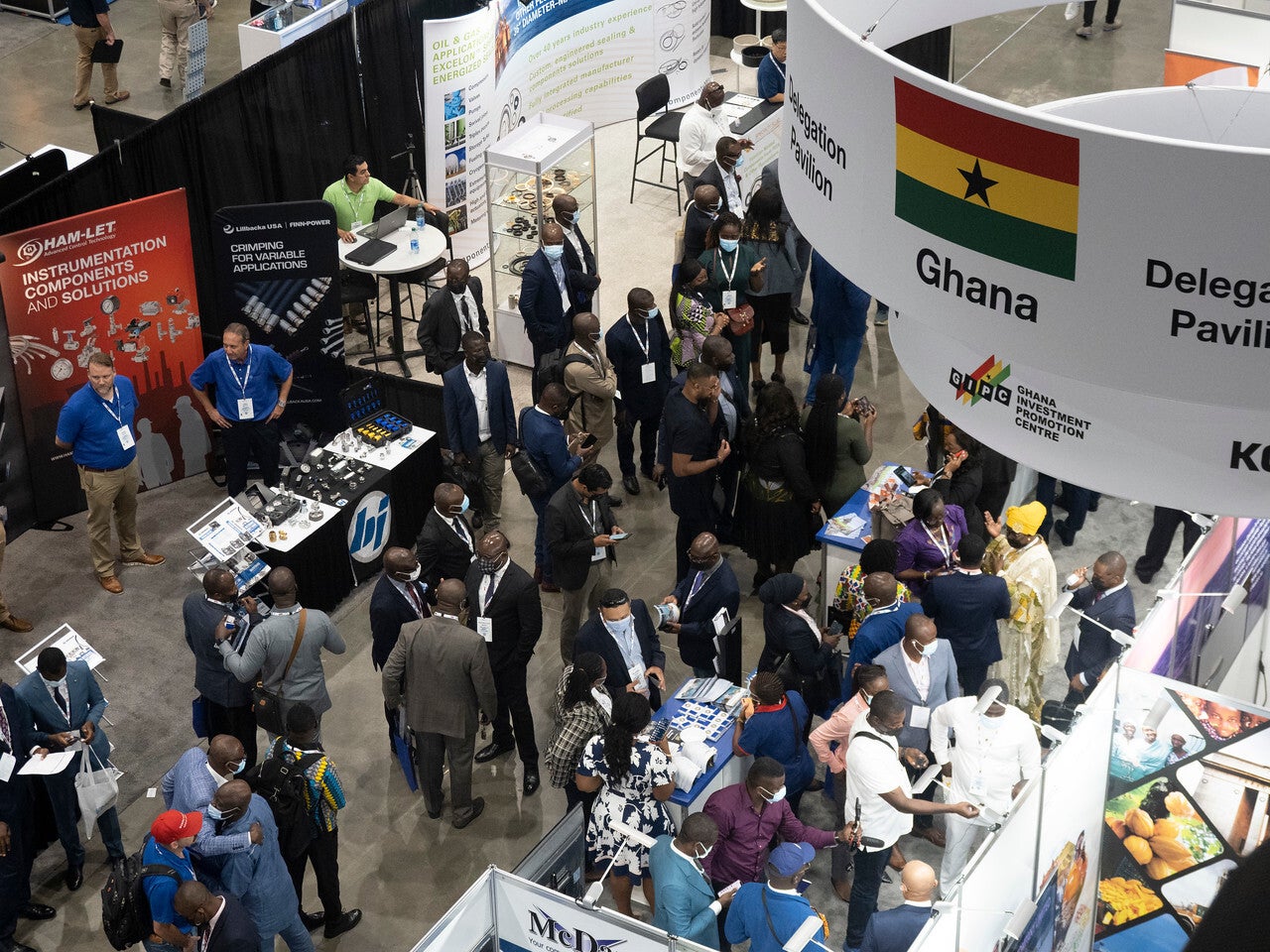
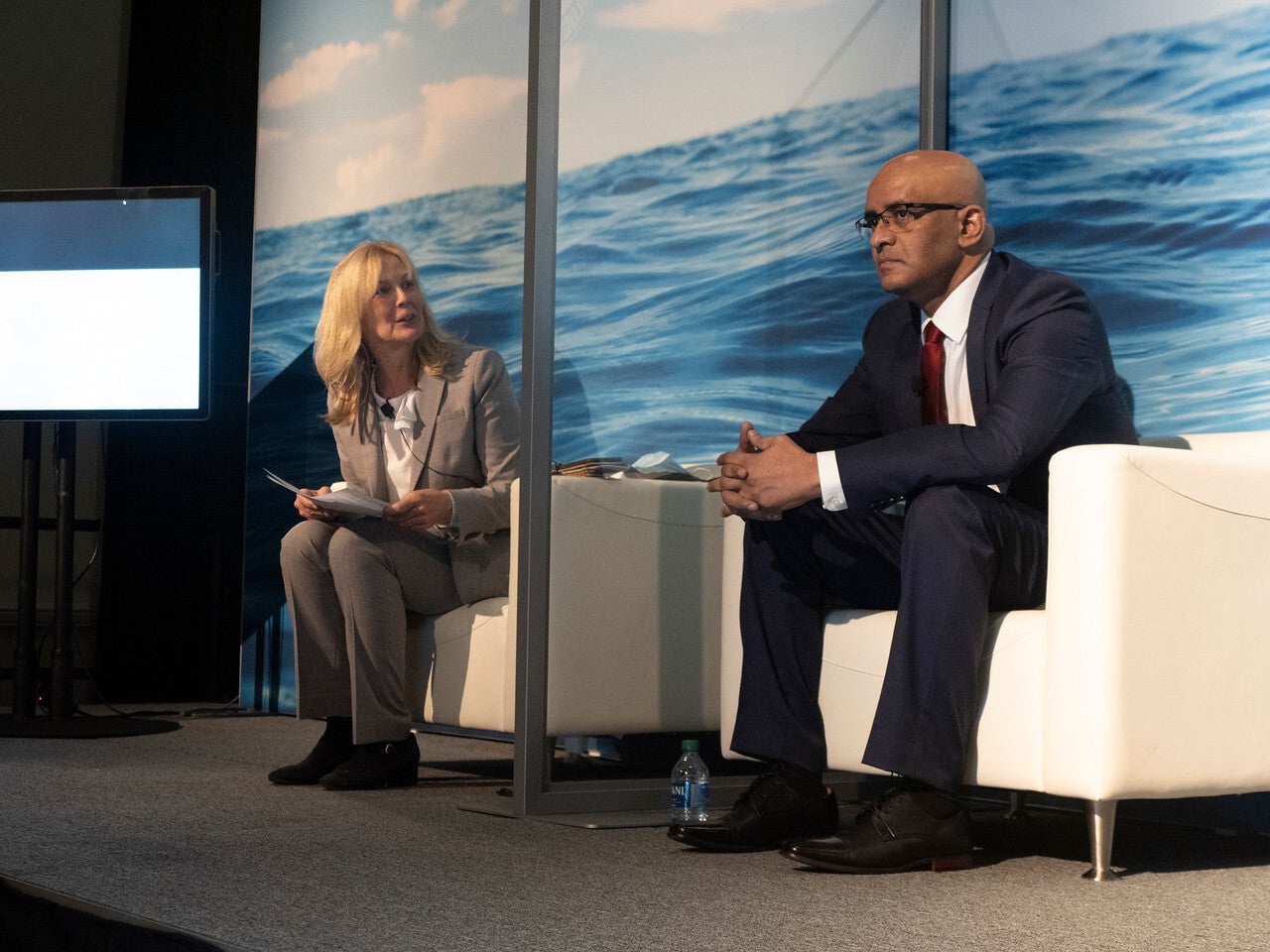
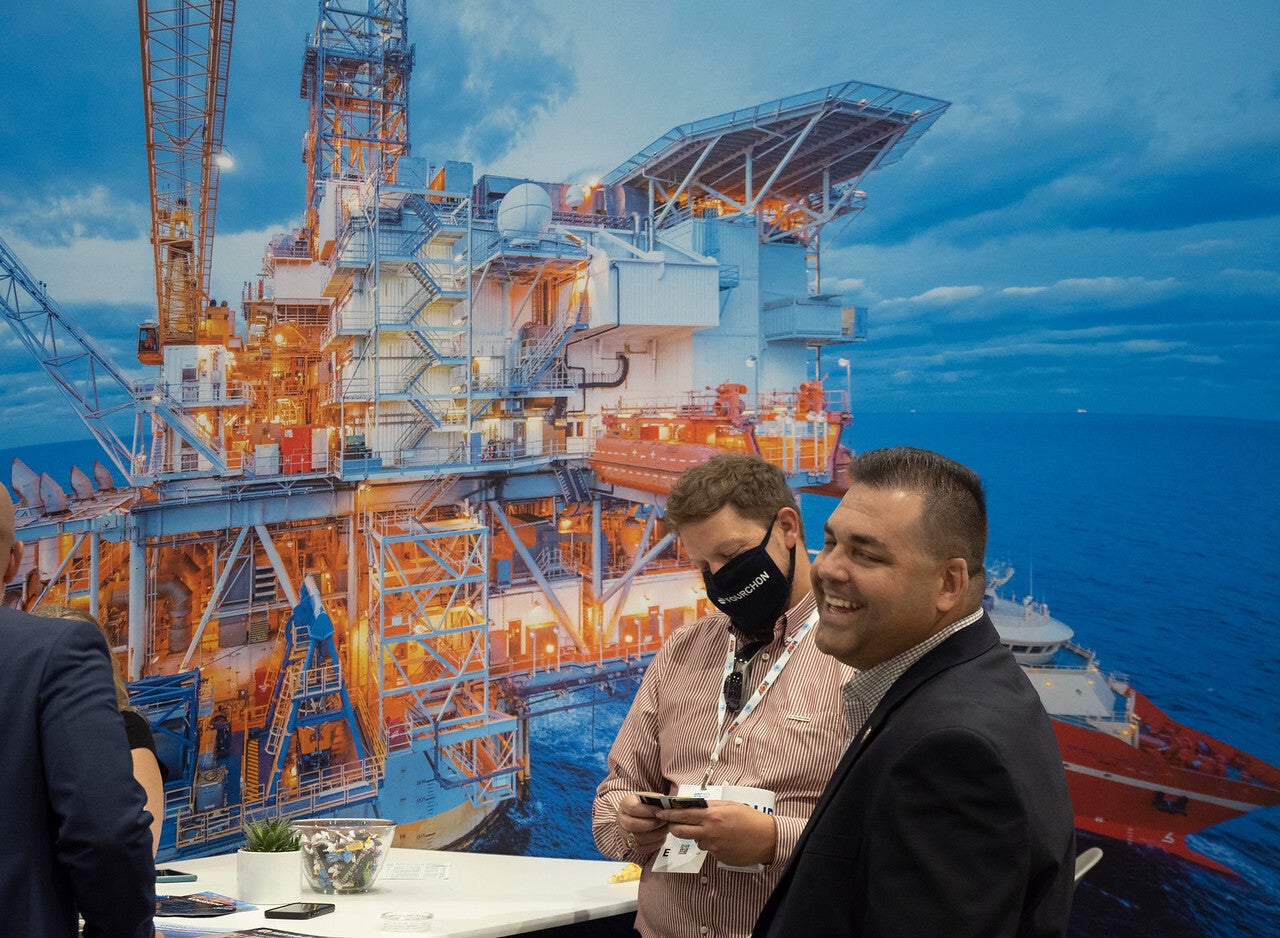
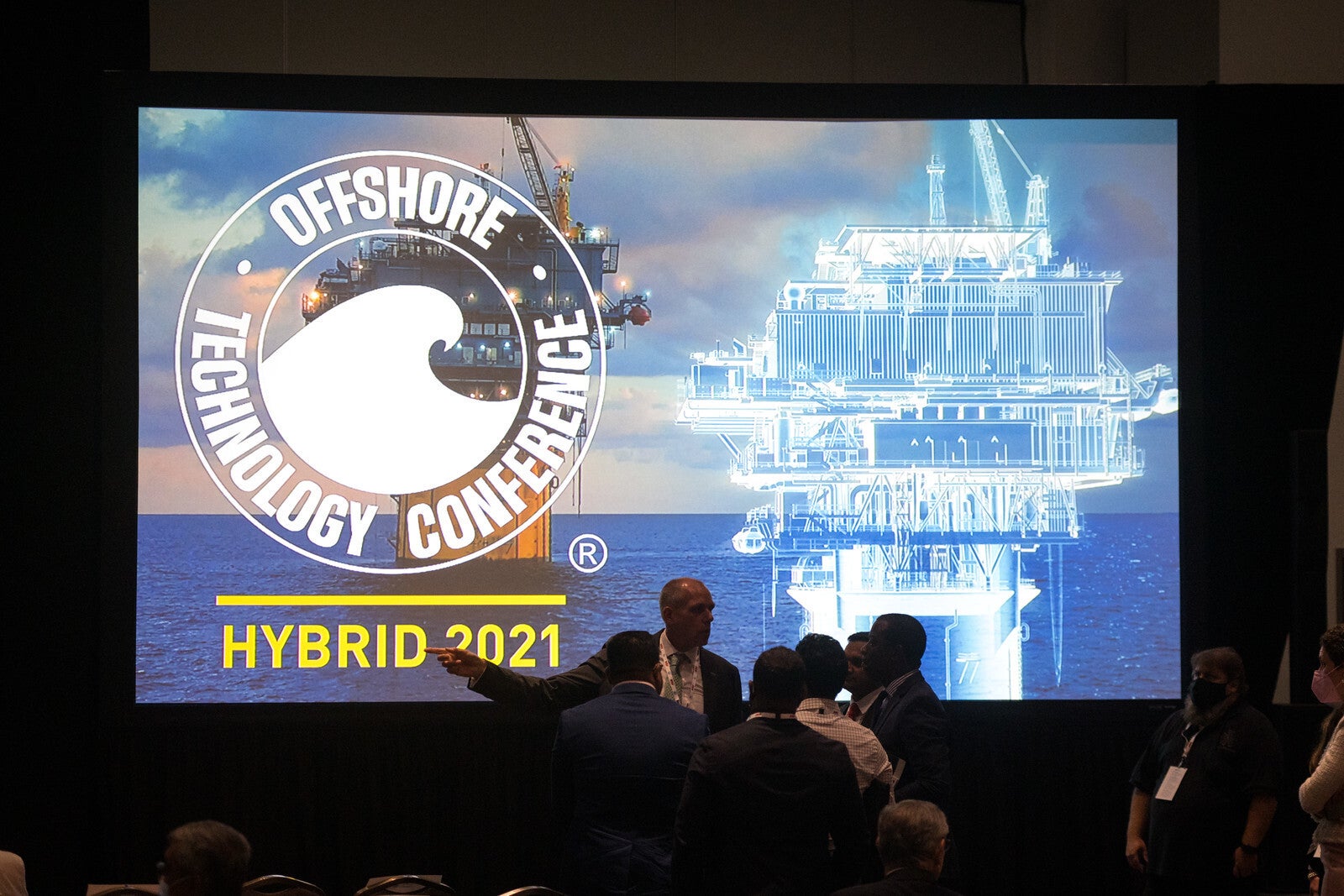
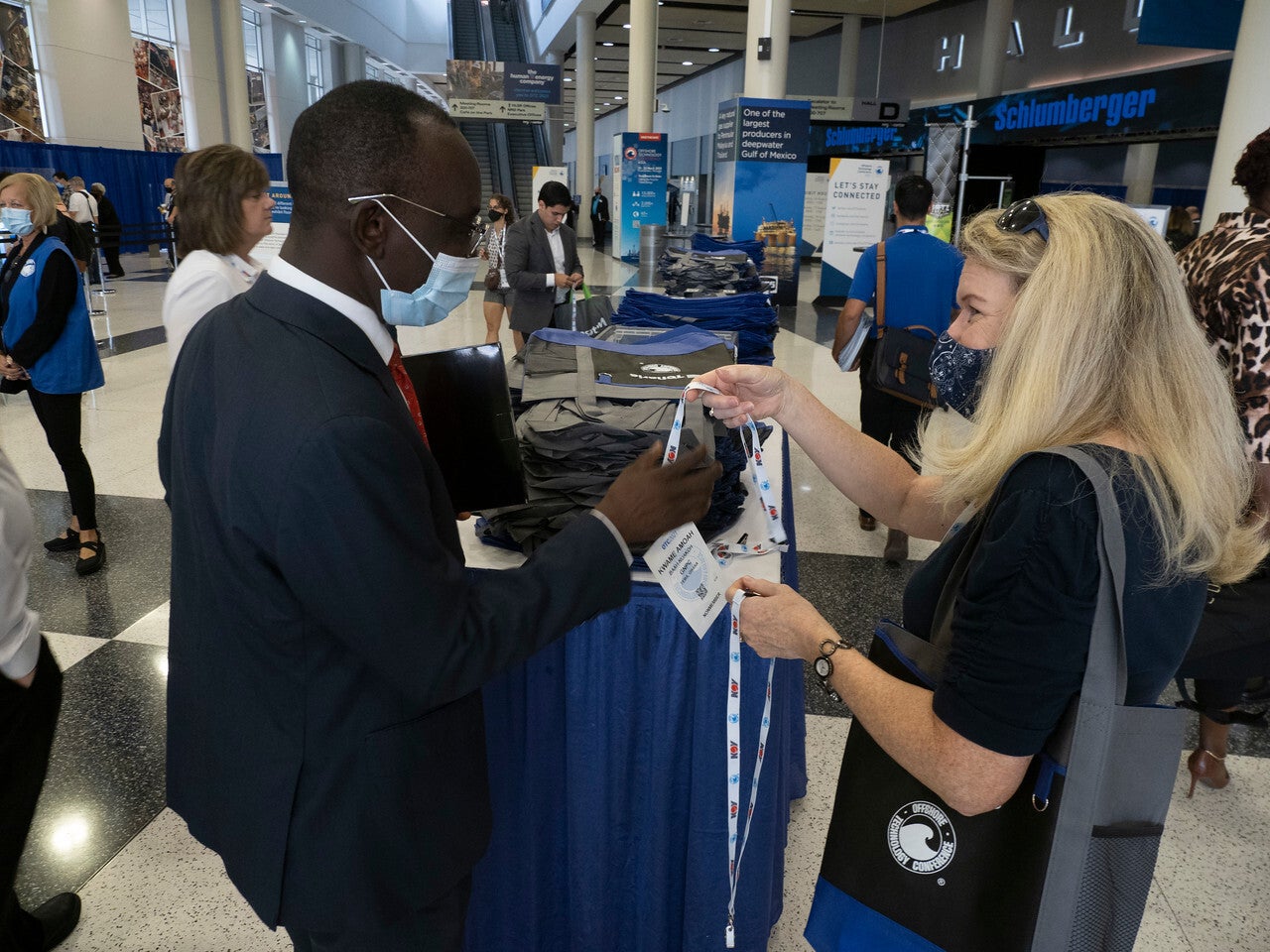
Energy experts, offshore engineers, and global industry leaders have converged on Houston this October for OTC 2026, gathering at the NRG Conference Center at a moment when the world’s energy landscape is under extraordinary strain. The conference, long known as a hub for innovation and strategic dialogue, is unfolding against a backdrop of geopolitical turbulence and sharply rising oil and gas prices.
A World in Crisis, An Industry Under Pressure
The military engagements involving the United States and Israel in Iran, and Iran’s subsequent actions targeting Arab nations aligned with Washington—including the United Arab Emirates—have sent shockwaves through global energy markets. Supply routes are threatened, production forecasts are uncertain, and the psychological impact on markets has been immediate and profound.
Efforts by Pakistan, an influential Islamic nation, to broker a ceasefire have so far struggled to gain traction. The parties involved remain unable to agree on terms that satisfy the aspirations and expectations of their respective populations. As long as diplomatic progress remains stalled, volatility will continue to define the global energy environment.
OTC 2026: A Search for Stability and Direction
Within this climate of uncertainty, the Offshore Technology Conference has taken on heightened significance. Companies exhibiting at OTC 2026—ranging from offshore drilling giants to emerging clean‑tech innovators—are not only showcasing technologies but also seeking clarity, reassurance, and strategic direction.
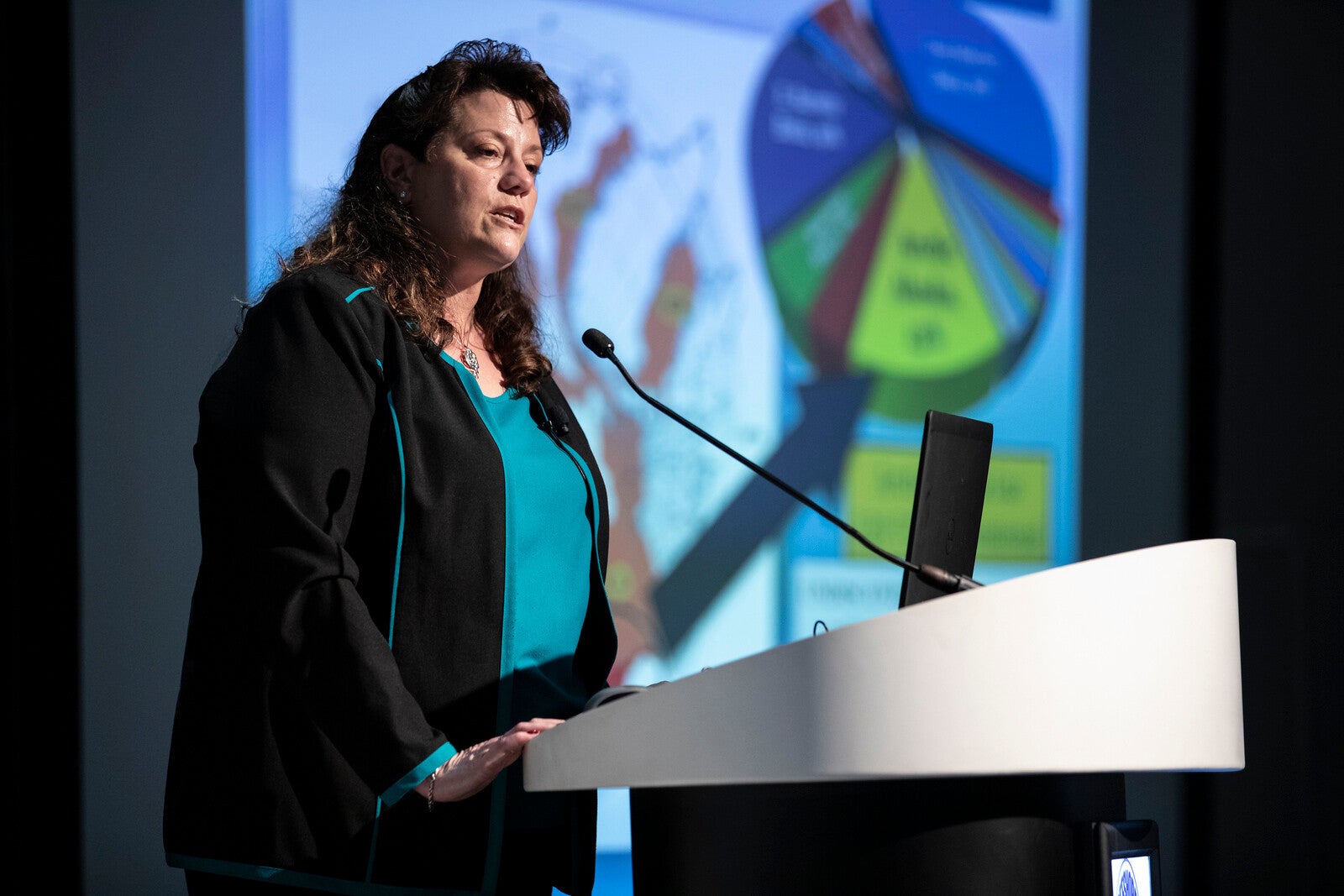
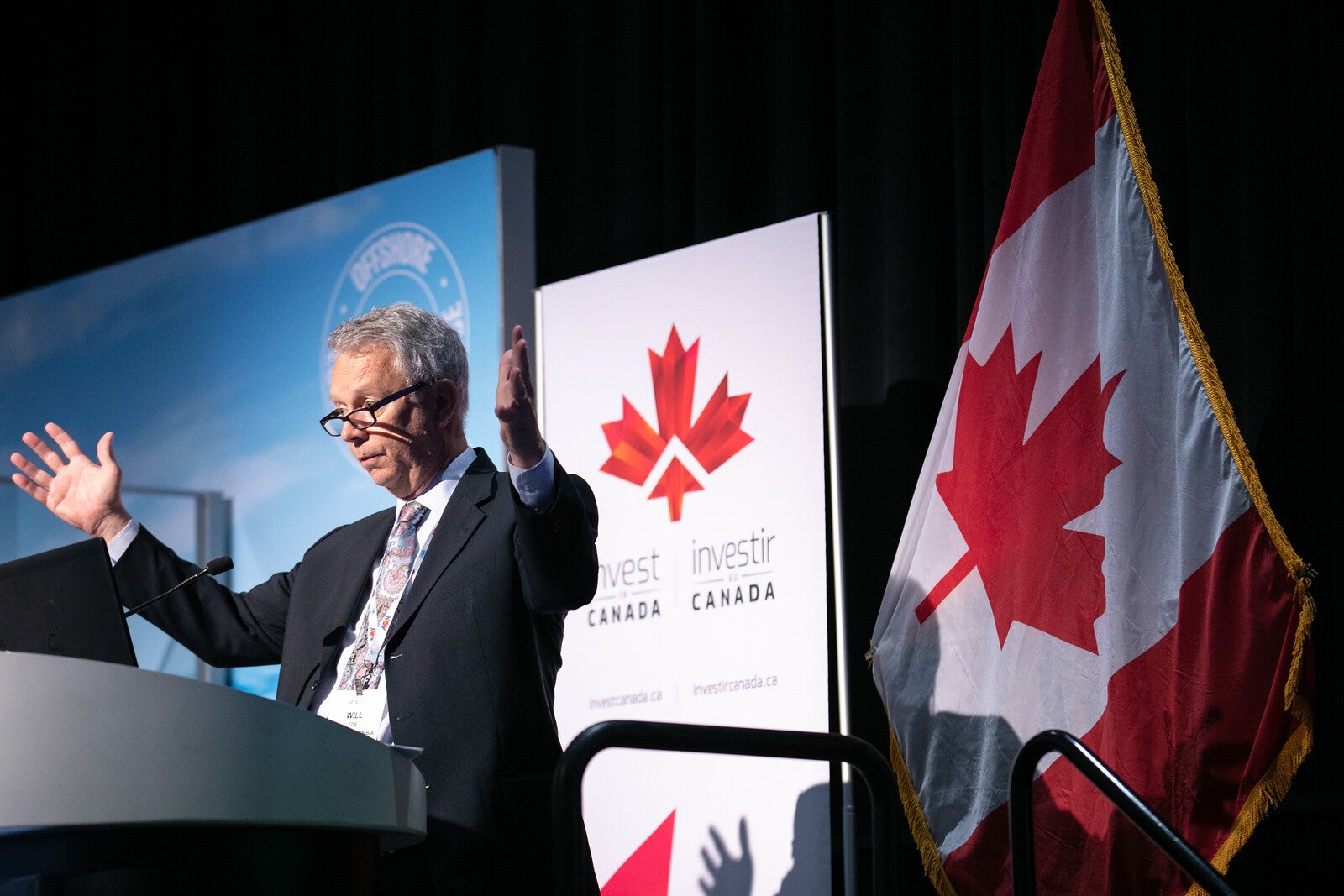
Energy professionals are looking to the conference’s expert speakers for words of wisdom, practical pathways forward, and insights grounded in experience rather than speculation. The conversations in Houston reflect a shared understanding: the industry must navigate both immediate geopolitical risks and long‑term structural shifts in global energy demand.
Resilience, Innovation, and the Road Ahead
Despite the challenges, the atmosphere at OTC 2026 is not one of despair but of determination. The offshore sector has weathered crises before, and its leaders recognize that resilience is built through innovation, collaboration, and strategic foresight.
Key themes emerging from the conference include:
-
Strengthening supply chain security to reduce vulnerability to geopolitical shocks
-
Accelerating technological innovation in offshore exploration, digitalization, and safety
-
Diversifying energy portfolios, including offshore wind and low‑carbon solutions
-
Enhancing regional cooperation among energy‑producing nations
-
Building frameworks for crisis‑responsive energy governance
These discussions underscore a central truth: while geopolitics may be unpredictable, the industry’s commitment to progress remains steadfast.
Conclusion
OTC 2026 is unfolding at a pivotal moment for the global energy sector. As conflicts reshape markets and diplomatic efforts struggle to gain momentum, the insights shared in Houston will help guide companies, policymakers, and communities through an era of profound uncertainty.
Energy professionals attending the conference continue to look toward thought leaders for guidance—seeking not only technical expertise but also the wisdom needed to navigate a world where energy, security, and diplomacy are more intertwined than ever.
Environmental Trade Fair and Conference (ETFC) – 2026 Announcement

Environmental Trade Fair and Conference (ETFC) – 2026 Announcement
The Texas Commission on Environmental Quality (TCEQ) is excited to welcome environmental professionals, industry leaders, and regulatory partners to the 2026 Environmental Trade Fair and Conference (ETFC).
📅 Dates: May 19–20, 2026 📍 Location: Henry B. Gonzalez Convention Center, San Antonio, Texas
About the Event
For more than 30 years, TCEQ has proudly delivered high‑quality professional development and training to support environmental stewardship across Texas. The ETFC continues this tradition by bringing together attendees from every corner of the environmental sector for two days of learning, collaboration, and innovation.
What to Expect
TCEQ staff will lead over 100 courses, discussions, and technical sessions, covering a wide range of environmental topics, including:
-
Air and water permitting
-
Oil and gas regulation
-
Industrial and solid waste management
-
Compliance and enforcement strategies
-
Remediation programs and best practices
These sessions are designed to support both new and experienced professionals seeking to deepen their knowledge and stay current with regulatory updates.
Why Attend
The ETFC offers a unique opportunity to:
-
Engage directly with TCEQ experts
-
Gain practical insights to support compliance and operational excellence
-
Network with peers, industry specialists, and environmental leaders
-
Explore innovative solutions and emerging technologies
📣 OFFICIAL ANNOUNCEMENT: OTC HOUSTON 2026


📣 OFFICIAL ANNOUNCEMENT: OTC HOUSTON 2026
The Offshore Technology Conference (OTC) 2026 returns to Houston from May 4–7, 2026, uniting the global offshore energy community at NRG Park for four days of innovation, collaboration, and industry leadership. More than 30,000 energy professionals are expected to attend the world’s premier offshore energy event.
Steering Offshore Energy Innovation into the Future
OTC 2026 will spotlight the technologies, strategies, and partnerships shaping the next era of offshore energy. This year’s theme emphasizes the integration of traditional offshore oil and gas with rapidly advancing renewable energy solutions, including offshore wind, tidal, and wave energy. Attendees will explore sustainable, efficient approaches to meeting global energy demand.
Event Highlights
-
Opening Ceremony – May 4, 2026 Featuring a keynote address by His Excellency Dr. Mohamed Irfaan Ali, President of Guyana.
-
Technical Program More than 50 technical sessions and 360+ presentations covering cutting‑edge research, operational challenges, digital innovation, and the evolving offshore energy landscape.
-
Exhibition Floor Over 220,000 sq. ft. of exhibition space with 1,000+ exhibitors showcasing breakthrough technologies, equipment, and services across the offshore sector.
-
Industry Awards Celebrating excellence in technological innovation, environmental stewardship, humanitarian contributions, and leadership.
-
Networking Opportunities Connect with engineers, executives, project managers, researchers, and students from across oil and gas, renewables, marine engineering, and related fields.
Who Attends
OTC attracts a diverse global audience of senior executives, technical experts, innovators, and decision‑makers. Exhibitors represent industries ranging from engineering and construction to financial services, academia, and advanced technology. The conference offers unmatched opportunities to build brand visibility, generate leads, and engage with C‑suite leaders and media.
Why Attend OTC 2026
OTC remains the essential gathering for anyone involved in offshore energy. Participants gain access to:
-
Insight into emerging technologies and sustainable practices
-
Global perspectives on energy transition and offshore development
-
Strategic partnerships that drive innovation and industry growth
OTC 2026 continues its legacy as the hub where the future of offshore energy takes shape.
For more information, visit OTCnet.org.
The Offshore Technology Conference (OTC) 2026: Geopolitical Shocks and Their Implications for the Global Energy Sector

4/14/2026
The Offshore Technology Conference (OTC) 2026: Geopolitical Shocks and Their Implications for the Global Energy Sector
The Offshore Technology Conference (OTC) in Houston in 2026 is poised to take place against one of the most turbulent geopolitical backdrops in recent memory. Industry analysts note that three major developments are shaping global conversations about energy security and offshore investment: the political crisis involving Venezuela’s President Nicolás Maduro, the United States’ evolving posture under President Donald Trump, and the escalating conflict involving the United States, Israel, and Iran. Each of these dynamics carries significant implications for oil, gas, and the broader energy transition. As a result, OTC 2026 is expected to serve as a forum where engineers, policymakers, and corporate leaders assess how these disruptions will reshape the offshore sector.
1. Venezuela’s Political Crisis and Its Impact on Offshore Prospects
Observers point out that Venezuela—home to the world’s largest proven oil reserves—remains a critical variable in global energy markets. Reports and commentary describe how political instability, contested leadership, and international sanctions have constrained the country’s production capacity for years. Analysts argue that any perceived “hijacking” or interference in Venezuelan governance, whether by domestic actors or foreign powers, deepens uncertainty for investors.
At OTC 2026, experts are expected to examine several key questions:
-
How will Venezuela’s offshore potential remain underdeveloped if political instability persists? Many energy economists note that offshore fields in the Caribbean Basin could be transformative, but require stable governance and international cooperation.
-
What role will U.S. policy play? Commentators highlight that shifts in Washington’s stance—whether toward sanctions relief or increased pressure—directly influence global supply expectations.
-
How will regional partners respond? Caribbean and Latin American states are increasingly concerned about spillover effects, including migration, maritime security, and energy trade.
The conference will likely frame Venezuela not only as a political crisis but also as a missed opportunity for offshore development.
2. The U.S.–Israel–Iran Conflict and Global Energy Security
The conflict involving the United States, Israel, and Iran has become one of the most consequential geopolitical flashpoints affecting global energy markets. Analysts widely agree that Iran’s strategic position—bordering the Strait of Hormuz, through which roughly 20% of the world’s oil supply passes—makes any escalation a direct threat to global energy stability.
OTC 2026 discussions are expected to focus on several themes:
-
Supply Disruptions and Price Volatility Energy market observers have documented how even minor tensions in the region can trigger price spikes. A broader conflict raises concerns about shipping security, insurance costs, and potential blockades.
-
Offshore Investment as a Hedge Against Geopolitical Risk Some industry strategists argue that offshore fields—particularly in the Gulf of Mexico, Brazil, West Africa, and the North Sea—may become more attractive as companies seek to diversify away from conflict-prone regions.
-
Security of Offshore Infrastructure With rising geopolitical tensions, cybersecurity and physical security of offshore platforms are becoming central topics. Experts warn that state and non-state actors may increasingly target energy infrastructure.
3. The Trump Administration’s Energy Posture and Its Influence on OTC 2026
Commentary on U.S. policy under President Donald Trump highlights a renewed emphasis on domestic production, deregulation, and expanded offshore leasing. Analysts note that this approach has several implications for OTC 2026:
-
Acceleration of U.S. Offshore Development Industry groups expect discussions on new lease sales, permitting reforms, and incentives for deepwater exploration.
-
Balancing Fossil Fuels and the Energy Transition While the administration emphasizes oil and gas, many companies attending OTC continue to invest in offshore wind, carbon capture, and hydrogen. The conference will likely explore how policy and market forces interact in shaping long-term strategy.
-
Global Leadership and Energy Diplomacy Some experts argue that U.S. policy influences global investment flows, especially as companies reassess geopolitical risks in the Middle East and Latin America.
4. The Broader Energy Transition: Stability vs. Transformation
Despite geopolitical turmoil, the global energy transition remains a central theme. OTC 2026 is expected to highlight:
-
Offshore wind expansion, particularly in the U.S. Gulf Coast and Atlantic regions
-
Carbon capture and storage (CCS) as a tool for decarbonizing offshore operations
-
Digitalization and automation to reduce costs and improve safety
-
New financing models that account for geopolitical risk and climate commitments
Industry analysts suggest that companies are increasingly forced to navigate a dual reality: managing short-term volatility in oil and gas while preparing for long-term structural change.
Conclusion
OTC 2026 will unfold at a moment when geopolitics and energy markets are deeply intertwined. The political crisis in Venezuela, the conflict involving the United States, Israel, and Iran, and shifts in U.S. energy policy under President Trump collectively shape a complex environment for offshore development. For engineers, executives, and policymakers, the conference will serve as a critical venue for understanding how these forces will influence investment, technology, and global energy security.
The offshore sector has always been shaped by geopolitics, but the convergence of these crises makes 2026 a defining year for strategic decision-making in oil, gas, and emerging energy technologies.
by Dr . Thompson Ntuba Akwo
African Engineers Advancing Clean Energy: The Leadership of Nigeria’s Felix and the Global Push for Carbon Capture .
African Engineers Advancing Clean Energy: The Leadership of Nigeria’s Felix and the Global Push for Carbon Capture .
Across the African continent, a new generation of engineers is stepping forward to shape the future of clean energy, climate resilience, and sustainable development. Among them are professionals like Engineer Felix of Nigeria, whose work reflects a growing continental commitment to reducing greenhouse gas emissions, advancing carbon‑capture technologies, and participating actively in global energy dialogues.
Their contributions are increasingly visible at major international energy conferences—including NAPE, CERAWeek, and the Offshore Technology Conference (OTC)—where African voices are helping to redefine the global conversation on energy transition, climate change, and technological innovation.
This movement aligns with the perspectives shared by Dr. Akwo Thompson Ntuba, a long‑time commentator on sustainability and petroleum engineering, whose video “Petroleum Engineers on Clean Energy” emphasizes the role of engineers in shaping a cleaner energy future .
African Engineers at the Forefront of Clean Energy Innovation
Engineer Felix represents a growing cadre of African professionals who are bridging traditional petroleum engineering with emerging clean‑energy technologies. Their work spans:
-
Carbon Capture, Utilization, and Storage (CCUS) African engineers are increasingly involved in designing and evaluating systems that capture carbon dioxide from industrial processes and store it safely underground.
-
Methane reduction and flare‑gas management Nigeria, Angola, and other producers are adopting new technologies to reduce flaring and methane leakage—critical steps in lowering greenhouse gas emissions.
-
Renewable‑energy integration Engineers are exploring hybrid systems that combine natural gas with solar, wind, and hydrogen technologies to create more resilient and sustainable energy systems.
-
Climate‑change adaptation strategies African professionals are contributing to research on how energy infrastructure can withstand extreme weather events intensified by climate change.
These efforts demonstrate that Africa is not merely a participant in global energy discussions—it is an emerging leader.
Presence at Global Energy Conferences
African engineers and policymakers now play a visible role at major global energy gatherings:
NAPE (Nigerian Association of Petroleum Explorationists)
Nigeria’s flagship petroleum conference has become a hub for discussing the intersection of fossil fuels, clean energy, and climate policy. Engineers like Felix contribute technical insights on reservoir management, emissions reduction, and sustainable exploration.
CERAWeek
At this premier global energy forum, African delegates engage with leaders from the U.S., Europe, Asia, and Latin America. Their participation underscores Africa’s strategic importance in global energy security and the energy transition.
OTC (Offshore Technology Conference)
OTC has increasingly highlighted African offshore developments—from Nigeria and Angola to Ghana, Senegal, and now Guyana. African engineers contribute to panels on offshore safety, deepwater innovation, and carbon‑capture technologies.
Dr. Ntuba, who has covered OTC for many years, emphasizes that African participation is essential for ensuring that global energy solutions reflect the realities of developing economies.
Carbon Capture: A Central Theme in Africa’s Energy Future
Carbon capture is emerging as a critical tool for balancing Africa’s development needs with global climate commitments. Engineers like Felix advocate for:
-
Scaling CCUS in gas‑producing regions Nigeria’s abundant natural gas resources make it a prime candidate for CCUS deployment.
-
Developing regional carbon‑storage hubs Shared infrastructure could reduce costs and accelerate adoption across West Africa.
-
Training and capacity building African universities and technical institutes are beginning to integrate CCUS into engineering curricula.
Dr. Ntuba’s commentary reinforces the importance of these technologies, noting that petroleum engineers must be central to the clean‑energy transition because they understand subsurface science, reservoir behavior, and large‑scale industrial systems.
A Global Moment for African Leadership
The world is entering a period of profound energy uncertainty—driven by geopolitical tensions, supply disruptions, and the accelerating impacts of climate change. In this environment, African engineers and policymakers are uniquely positioned to contribute solutions that balance:
-
Energy security
-
Economic development
-
Climate responsibility
-
Technological innovation
Their presence at global conferences signals a shift: Africa is no longer on the margins of the energy conversation. It is shaping the agenda.
Conclusion
Engineer Felix of Nigeria, along with many other African professionals, embodies the continent’s growing leadership in clean energy and climate‑aligned development. Their work in carbon capture, emissions reduction, and sustainable engineering is essential not only for Africa’s future but for the global energy transition.
As Dr. Ntuba’s video commentary highlights, petroleum engineers have a vital role to play in building a cleaner, more resilient world. Africa’s engineers are stepping into that role with expertise, vision, and determination.
BY DR THOMPSON , NTUBA AKWO
4/9/2026
Guyana President Dr. Mohamed Irfaan Ali to Deliver Opening Address at OTC 2026: A Landmark Moment for Global Offshore Energy Dialogue

Guyana President Dr. Mohamed Irfaan Ali to Deliver Opening Address at OTC 2026: A Landmark Moment for Global Offshore Energy Dialogue
BY DR THOMPSON NTUBA AKWO CHIEF EDITOR
The announcement that His Excellency Dr. Mohamed Irfaan Ali, President of the Co‑operative Republic of Guyana, will deliver the Opening Address at the 2026 Offshore Technology Conference (OTC) in Houston marks a defining moment for the global offshore energy community. Scheduled for 4 May 2026 at NRG Park, the address will formally open the world’s largest offshore energy technology gathering—an event that draws tens of thousands of participants from more than 100 countries.
For OTC, the presence of a sitting head of state is both symbolic and strategic. As Dr. Akwo Thompson Ntuba—long‑time credentialed OTC correspondent and Chief Editor of Health & Development—observes, “It is a great honor for the conference when a head of state accepts the invitation to address the meeting, especially during a year marked by volatility in global energy markets.” Dr. Ntuba, who has written extensively on sustainability, climate impacts of fossil fuels, and carbon capture technologies, sees OTC 2026 as a pivotal forum for advancing the energy‑related components of the United Nations Sustainable Development Goals.
Guyana’s Rising Influence in the Global Energy Landscape
Guyana’s emergence as a major offshore producer has reshaped regional and global energy dynamics. Over the past decade, multibillion‑dollar investments have flowed into the country’s offshore fields, accelerating infrastructure development and deepening partnerships with international operators and technology innovators. The participation of President Ali and the Guyanese delegation—including Minister of Natural Resources Vickram Bharrat—signals the country’s growing leadership role in shaping the future of offshore energy.
OTC leaders have emphasized the significance of this moment. Dan McConnell, Chairman of the OTC Board of Directors, noted that President Ali’s acceptance “is a meaningful recognition of the role OTC plays on the world stage.” Executive Director Amanda Rushing added that his presence “underscores the geopolitical significance of offshore energy and the global attention surrounding its continued development.”
A Conference Taking Place Amid Global Energy Disruptions
Observers have pointed out that OTC 2026 arrives during a period of heightened geopolitical tension and energy price instability. Analysts, including Dr. Ntuba, have referenced disruptions linked to conflicts involving major energy‑producing regions and the resulting uncertainty in global supply chains. These pressures have intensified the need for coordinated dialogue among governments, industry leaders, and technology developers—precisely the type of engagement OTC facilitates.
The 2026 conference is expected to place special emphasis on:
-
Energy security and diversification
-
Offshore technology innovation
-
Carbon capture, utilization, and storage (CCUS)
-
Climate‑aligned development strategies
-
Sustainable offshore operations
-
Cross‑regional collaboration among Latin America, the U.S., Europe, Asia, and Africa
Dr. Ntuba highlights that these themes align closely with the UN Sustainable Development Goals, particularly those addressing affordable and clean energy, climate action, and resilient infrastructure.
OTC as a Global Platform for Innovation and Cooperation
Since its founding in 1969, the Offshore Technology Conference has grown into the premier global venue for offshore energy professionals. Its Houston flagship event, along with OTC Brasil and OTC Asia, has welcomed more than 3 million participants. The 2026 edition will continue this legacy by convening engineers, policymakers, researchers, manufacturers, and investors to explore the technologies shaping the next generation of offshore development.
With tens of thousands of attendees expected, OTC 2026 will feature:
-
Technical sessions on cutting‑edge offshore engineering
-
Exhibitions showcasing emerging technologies
-
Panels on sustainability and energy transition
-
Government‑industry dialogues on regulatory and investment frameworks
-
Networking opportunities across continents and sectors
President Ali’s Opening Address is anticipated to set the tone for four days of high‑level discussion, innovation exchange, and strategic collaboration.
A Moment of Opportunity for the Global Energy Community
For stakeholders across Latin America, North America, Europe, Asia, Africa, and beyond, OTC 2026 represents more than a conference—it is a global checkpoint for assessing the trajectory of offshore energy in a rapidly changing world. As Dr. Ntuba emphasizes, the event offers “an opportunity for stakeholders from every continent to advance the promises of the energy components of the United Nations Sustainable Development Goals.”
In a year marked by uncertainty, the presence of a head of state from one of the world’s fastest‑growing offshore producers underscores the urgency and importance of collective action. The conversations that begin in Houston this May may well influence the direction of offshore energy development for years to come.
BY DR THOMPSON NTUBA AKWO CHIEF EDITOR
The Role of Healthndevelopment Magazine and Media in Advancing Energy Sector Innovation and Sustainability
For years,HND Magazine and media , a specialized publication have played a crucial role in shaping discussions within the energy sector, collaborating with experts across industries to address key challenges in energy transition, renewables, safety, and climate sustainability. Through engagement in CERAWeek, NAPE, OTC (Offshore Technology Conference), and the World Petroleum Congress, Healthndevelopment magazine and media have generated resources and foster dialogue that influences policy and industry standards.
Collaboration with Global Leadership
Healthndevelopment Media outlet has worked closely with Canadian, African, European, and Asian leadership, facilitating conversations on energy security, sustainability, and innovation. By engaging with different levels of government, they have contributed to the development of resources and strategies that promote responsible energy practices.
Energy Transition and Renewables
As the world shifts toward cleaner energy solutions,Healthndevelopment media outlet have been instrumental in generating research and discussions on the future of renewables. Coverage of solar, wind, hydrogen, and emerging technologies has provided insights into how industries can adapt to a more sustainable energy landscape.
Safety and Climate Sustainability
Safety in the energy sector remains a top priority, and Healthndevelopment media platform have worked alongside industry experts to highlight best practices, regulatory frameworks, and technological advancements that ensure worker protection and environmental responsibility. Additionally, their focus on climate sustainability has helped raise awareness about the impact of fossil fuels and the urgent need for carbon reduction strategies.
Impact on the Energy Sector
Through expert interviews, conference participation, and investigative reporting,healthndevelopment magazine and media continues to serve as a bridge between industry leaders, policymakers, and the global public. Their commitment to education, advocacy, and innovation ensures that critical energy issues remain at the forefront of international discussions.
As the energy sector evolves, healthndevelopment magazine and media’s dedication to informing and shaping the future of sustainable energy remains unwavering, making it a key player in the global movement toward a cleaner and safer energy future.
CERAWeek: Houston’s Premier Energy Sector Executive Conference
CERAWeek: Houston’s Premier Energy Sector Executive Conference
CERAWeek, hosted annually in Houston, Texas, is one of the most influential energy sector executive conferences in the world. Organized by S&P Global, the event brings together industry leaders, policymakers, investors, and innovators to discuss the future of global energy.
A Hub for Energy Dialogue
CERAWeek serves as a platform for high-level discussions on critical energy issues, including market trends, technological advancements, and policy shifts. The conference attracts CEOs, government officials, and thought leaders from across the globe, fostering collaboration and strategic planning for the evolving energy landscape.
Key Themes and Innovations
Each year, CERAWeek explores major themes such as energy transition, sustainability, artificial intelligence in energy, and geopolitical influences. The conference provides insights into renewable energy developments, carbon reduction strategies, and the role of emerging technologies in shaping the future of energy.
Houston’s Role in the Energy Sector
As the energy capital of the world, Houston is the ideal host for CERAWeek. The city’s strong infrastructure, diverse energy industry, and commitment to innovation make it a central hub for global energy discussions. The conference not only strengthens Houston’s position in the sector but also drives economic growth and investment opportunities.
Impact and Global Influence
CERAWeek’s influence extends beyond the conference itself. The discussions and agreements made during the event often shape international energy policies, corporate strategies, and technological advancements. With participation from over 10,000 industry professionals, the conference continues to be a driving force in the global energy sector.
As the world navigates complex energy challenges, CERAWeek remains a vital forum for shaping the future of energy, ensuring that industry leaders and policymakers work together to create sustainable and innovative solutions. BY DR THOMPSON NTUBA AKWO


Nikki Haley Addresses NAPE Charities Luncheon on U.S. Global Influence and Energy Challenges
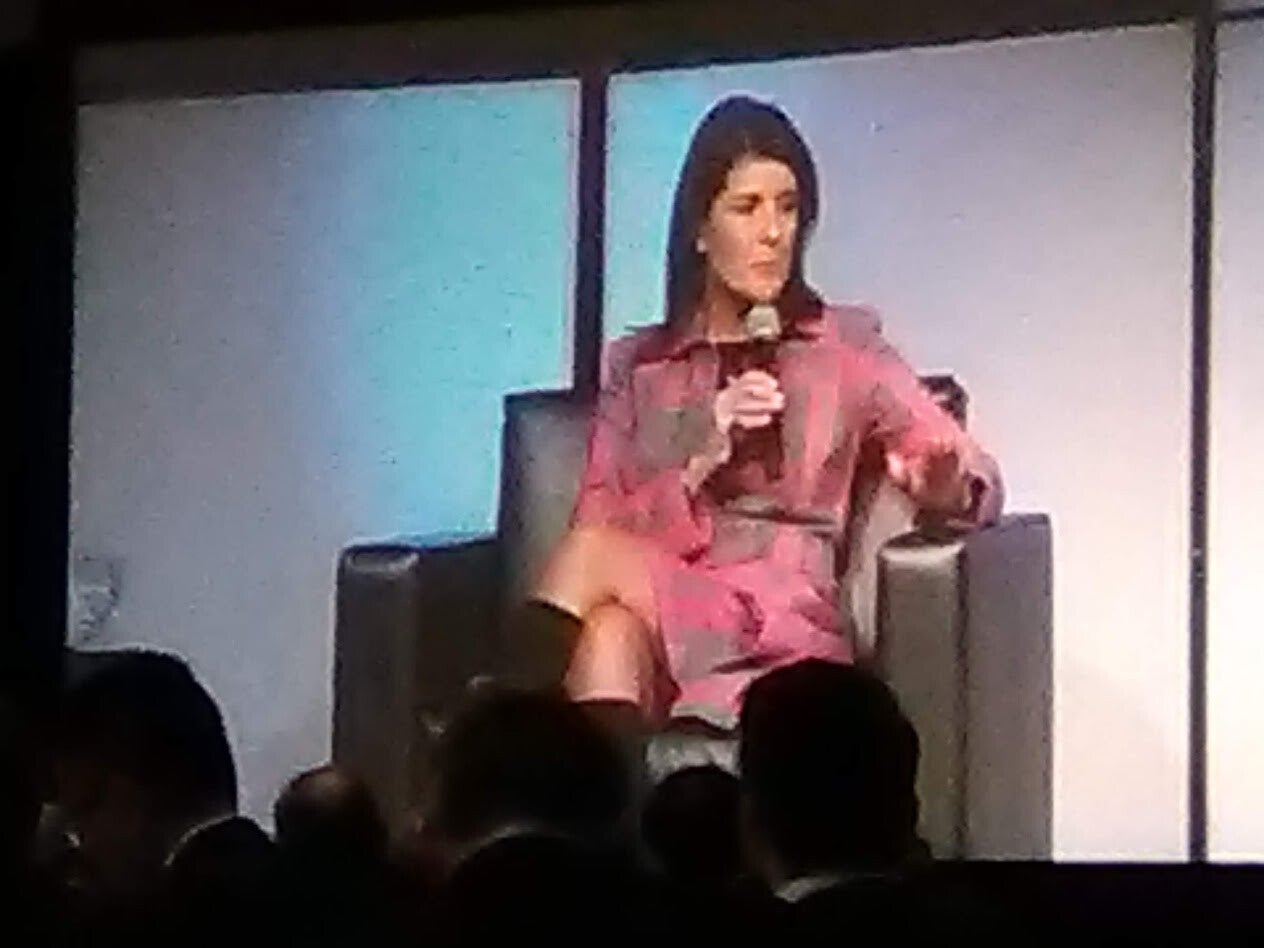
Former South Carolina Governor and U.S. Ambassador to the United Nations, Nikki Haley, delivered a compelling speech at the NAPE Charities Luncheon, drawing insights from her book to discuss the challenges facing the United States, its global influence, and the impact on the energy sector.
Haley’s Perspective on U.S. Leadership
Haley emphasized the critical role of American leadership in shaping global policies, particularly in energy security and economic stability. She highlighted the geopolitical tensions affecting energy markets and stressed the need for strong U.S. engagement to ensure stability and innovation in the sector.
Energy Policy and Economic Impact
Addressing the energy industry’s future, Haley discussed the importance of balancing traditional energy sources with renewables. She underscored the economic implications of energy policies, warning that overregulation and geopolitical instability could hinder growth and investment.
The Role of NAPE and Industry Leaders
Haley praised NAPE’s contributions to the energy sector, recognizing its role in connecting industry professionals, fostering innovation, and supporting charitable initiatives. She encouraged leaders to advocate for policies that promote energy independence, sustainability, and economic resilience.
Call to Action
In closing, Haley urged industry professionals to engage in policy discussions, emphasizing that energy security is vital to national security. She called for collaboration between government and private sectors to drive innovation and maintain the U.S.’s global leadership in energy.
Her speech resonated with attendees, reinforcing the importance of strategic energy policies in shaping the nation’s future and its role on the world stage.
BY DR THOMPSON NTUBA AKWO
Environmental safety ,in Oil and Gas sector .
Fugitive Emissions and the Global Energy Transition: Dr. Thompson Ntuba Akwo’s Call for Action
By Dr Thompson Ntuba Akwo chief ditor Health & Development Magazine
Fugitive Emissions and the Global Energy Transition: Dr. Thompson Ntuba Akwo’s Call for Action
By Dr Thompson Ntuba Akwo chief ditor Health & Development Magazine
As the world intensifies its efforts to confront climate change, the issue of fugitive emissions—unintentional releases of methane, volatile organic compounds (VOCs), and other greenhouse gases—has become a central concern for scientists, policymakers, and energy professionals. Among the leading voices drawing attention to this challenge is Dr. Thompson Ntuba Akwo, a physician, public‑health advocate, and long‑time energy journalist who has covered major global energy conferences for more than a decade.
In his recent presentation featured in the video “Fugitive Emissions – ESG Panel”, Dr. Ntuba underscores the urgent need for coordinated global action to reduce emissions that escape from valves, pipelines, compressors, storage tanks, and other industrial equipment. These leaks, though often invisible, contribute significantly to global warming and complicate efforts to meet international climate targets.
A Public‑Health Lens on Energy and Climate
Dr. Ntuba’s work stands out because he approaches energy issues through a public‑health and development perspective. He emphasizes that fugitive emissions are not only an environmental hazard but also a direct threat to human health, contributing to:
-
Poor air quality
-
Respiratory diseases
-
Environmental degradation
-
Increased climate‑related disasters affecting vulnerable populations
His reporting at global conferences—including CERAWeek, OTC, NAPE, and the World Petroleum Congress—has consistently highlighted the intersection of energy systems, environmental stewardship, and human well‑being.
Fugitive Emissions: A Hidden Driver of Climate Change
Methane, the primary component of natural gas, is more than 80 times more potent than CO₂ over a 20‑year period. When it escapes through faulty valves, poorly maintained infrastructure, or aging pipelines, it accelerates global warming far more rapidly than carbon dioxide.
In the ESG panel discussion, Dr. Ntuba stresses that fugitive emissions are among the most preventable sources of greenhouse gases. He notes that:
-
Many leaks can be detected and repaired with existing technology
-
New sensor systems and AI‑driven monitoring tools are transforming leak detection
-
Regulatory frameworks are improving, but enforcement remains uneven
-
Companies that reduce fugitive emissions often save money through recovered product
His message is clear: mitigation is both environmentally responsible and economically rational.
Energy Experts Respond: Technology, Policy, and Commitment
Dr. Ntuba acknowledges that energy experts worldwide are working diligently to reduce fugitive emissions. Across major conferences, he has documented progress in:
1. Advanced Leak Detection Technologies
Infrared cameras, drones, satellite monitoring, and continuous sensor networks are enabling faster and more accurate detection of methane leaks.
2. Improved Valve and Pipeline Integrity
Manufacturers are developing low‑emission valves, smart actuators, and corrosion‑resistant materials to reduce leak risks.
3. Carbon Capture and Storage (CCS)
While CCS focuses on CO₂ rather than methane, Dr. Ntuba highlights its importance as part of a broader emissions‑reduction strategy.
4. ESG Integration
Environmental, Social, and Governance (ESG) frameworks are pushing companies to adopt transparent reporting and measurable emissions‑reduction targets.
5. International Collaboration
Global forums are fostering cooperation between governments, companies, and researchers to share best practices and accelerate innovation.
A Voice from the Global South
Dr. Ntuba’s contributions are particularly important because they amplify perspectives from the Global South, where climate impacts are often most severe. His reporting emphasizes that:
-
African, Latin American, and Asian nations face disproportionate climate risks
-
Many developing countries rely on oil and gas revenues but also seek cleaner pathways
-
Technology transfer and capacity building are essential for equitable climate action
By bringing these issues to global platforms, he ensures that the energy transition remains inclusive and development‑focused.
Toward a Cleaner, Safer Energy Future
The fight against fugitive emissions is a critical component of the global climate strategy. As Dr. Ntuba’s work demonstrates, addressing these leaks requires:
-
Stronger regulations
-
Better technology
-
Industry accountability
-
Public‑health awareness
-
International cooperation
His ongoing reporting and advocacy remind the world that energy policy is health policy, and that reducing fugitive emissions is essential for protecting both the planet and the people who inhabit it.
https://www.youtube.com/watch?v=AiIs3WWmMqI
NAPE: Where the Energy World Meets to Shape the Future








NAPE: Where the Energy World Meets to Shape the Future
By Dr. Akwo Thompson Ntuba
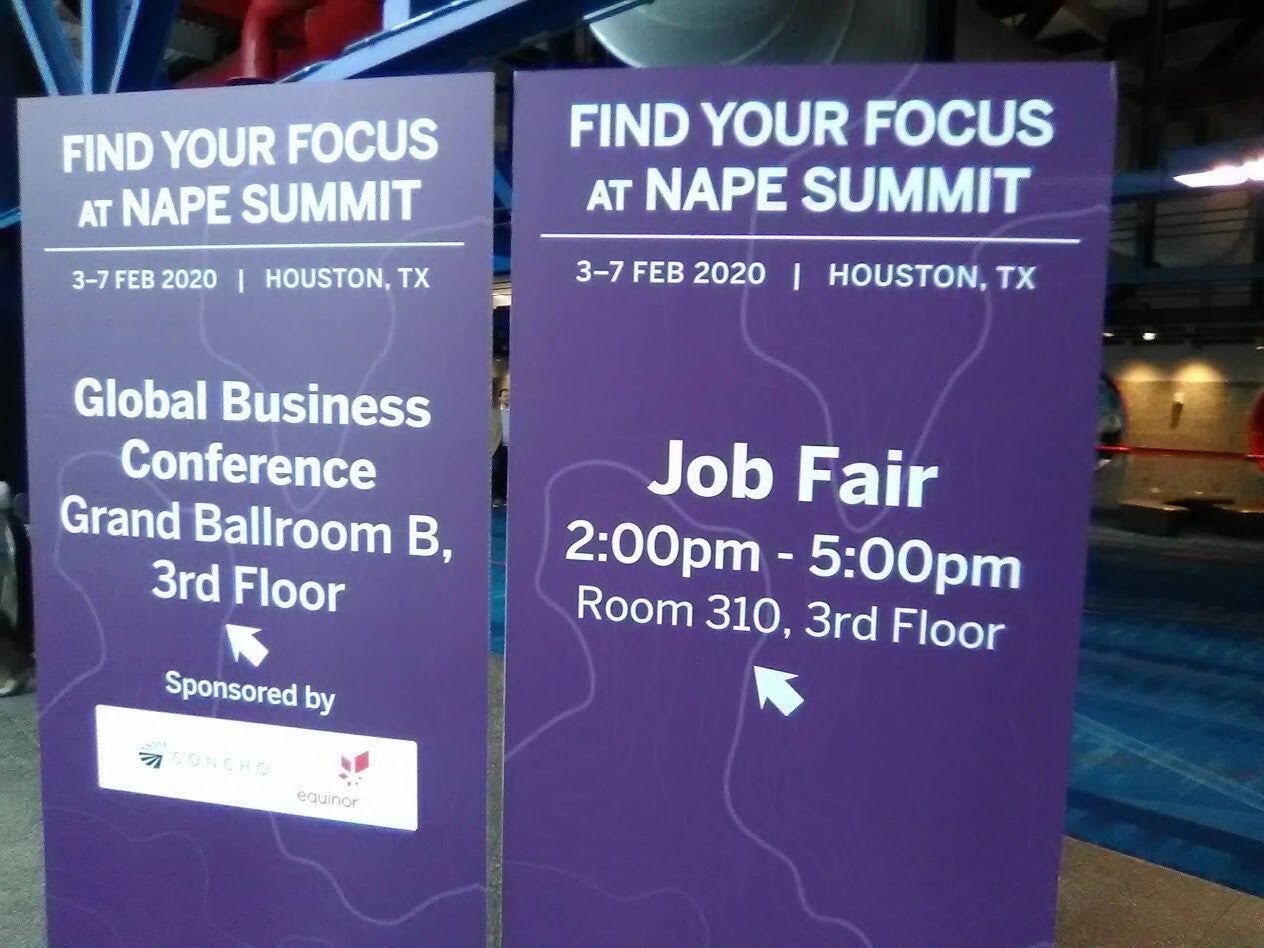
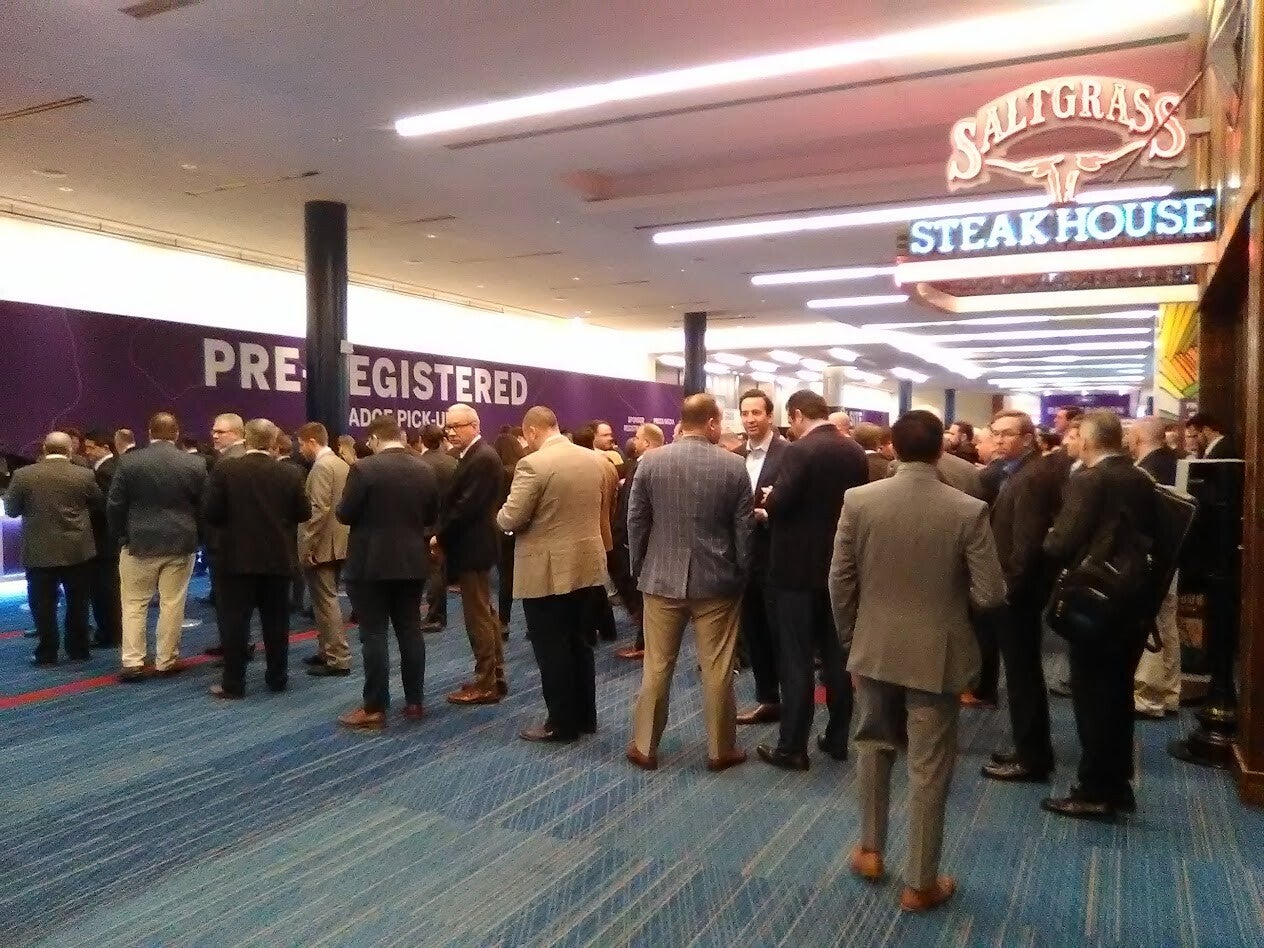
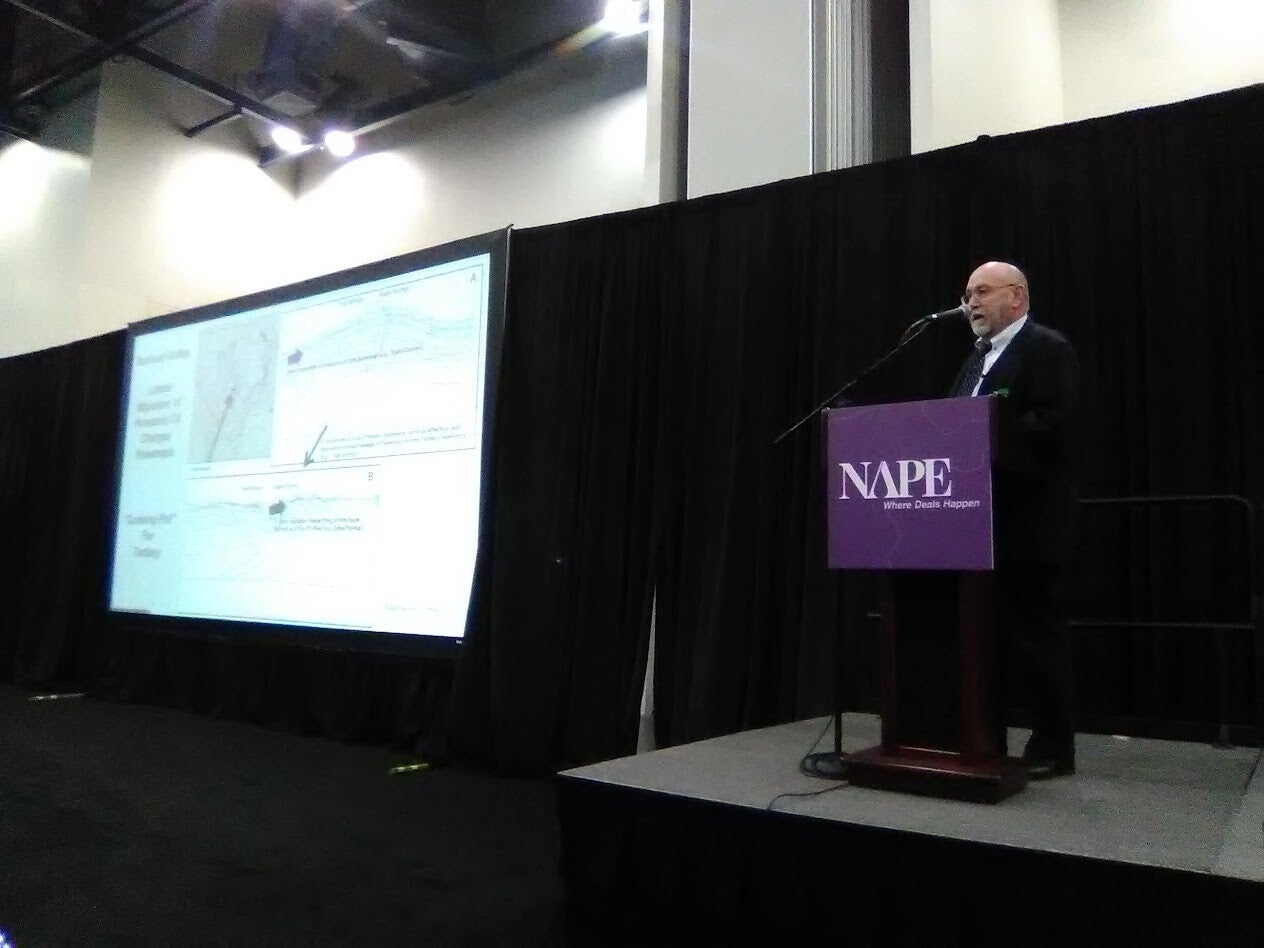
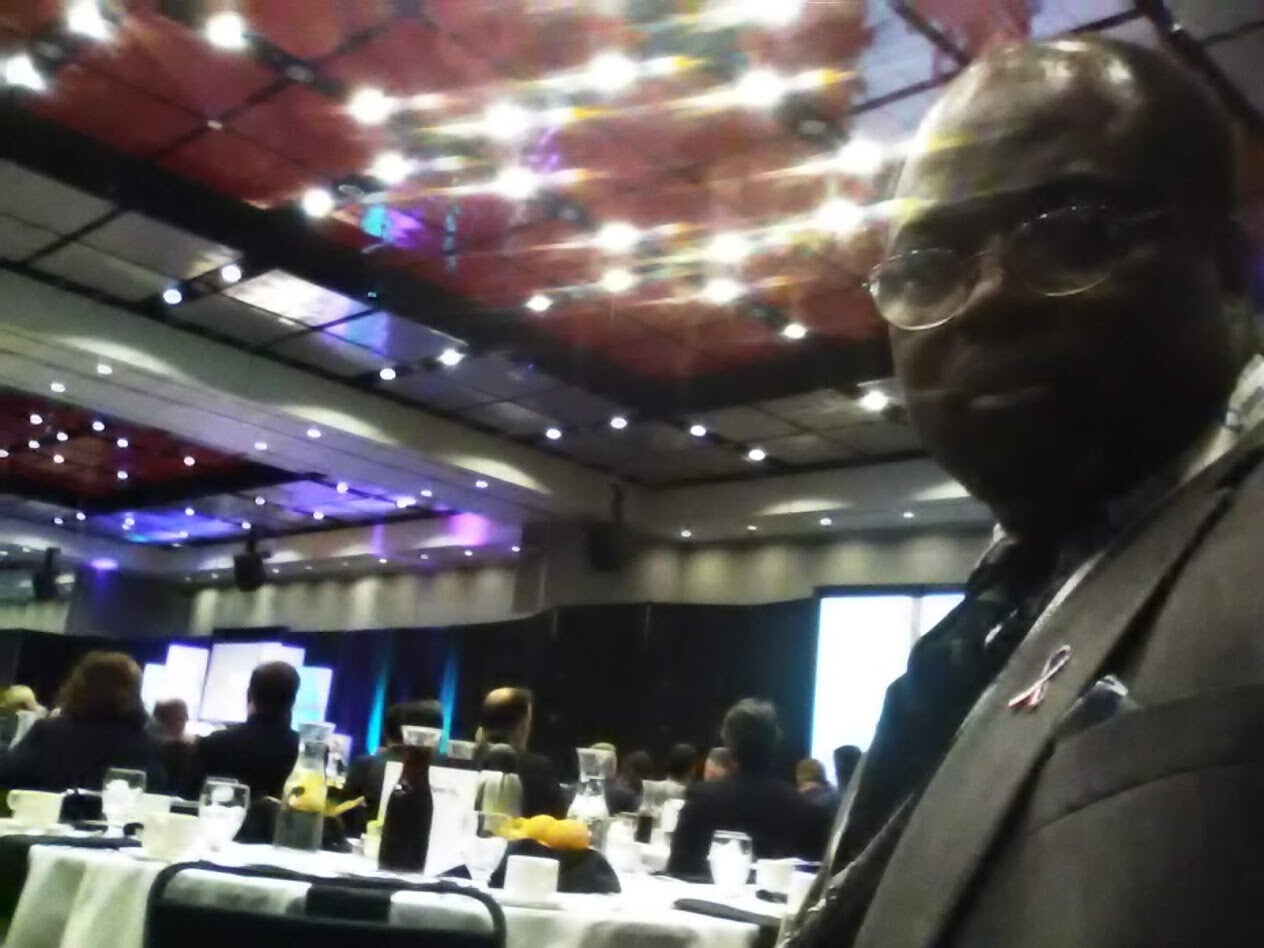
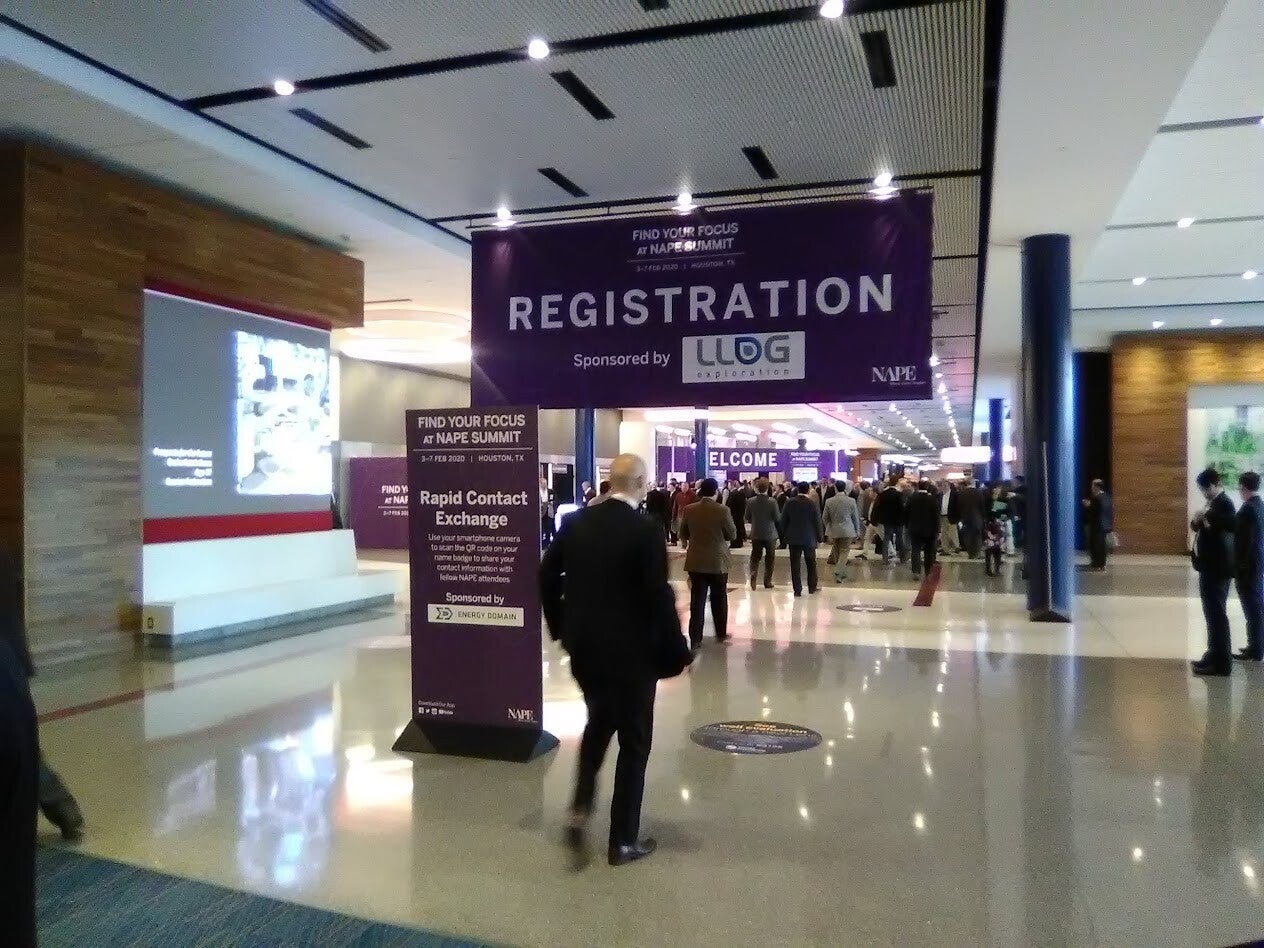
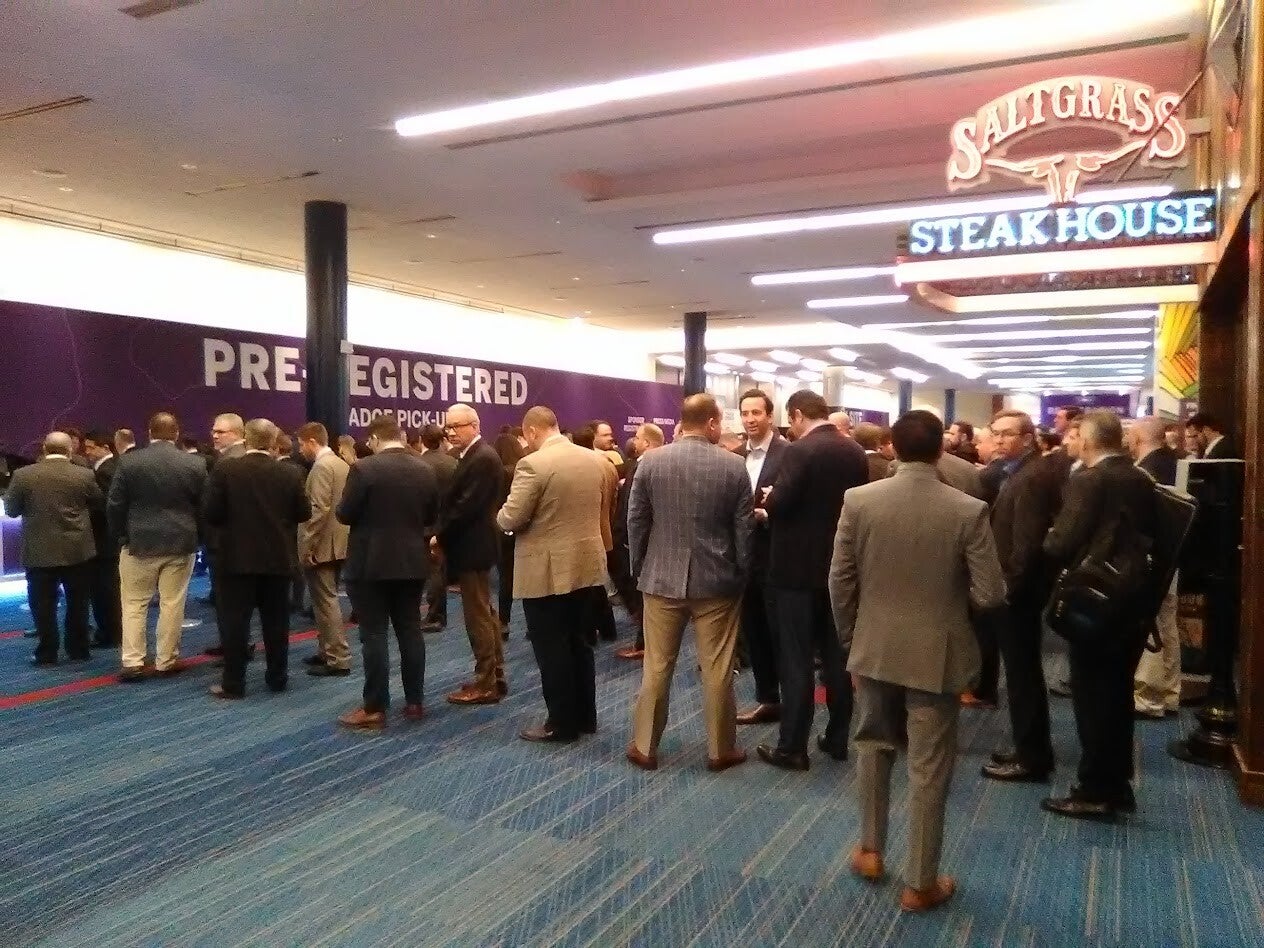
The NAPE Summit remains one of the most influential gatherings in the global energy landscape—a place where deal‑makers, innovators, investors, geologists, engineers, and policymakers converge to shape the future of oil, gas, and the broader energy transition. The images from the summit capture the energy, diversity, and scale of the event: bustling registration halls, media zones, industry booths, and networking spaces filled with professionals from across the United States and around the world.
NAPE is more than a conference. It is a marketplace of ideas, a hub for technical excellence, and a platform where the next generation of energy solutions is forged.
A Convergence of Industry Leaders
The summit’s registration area—crowded with attendees in business attire—reflects the event’s magnitude. Companies from every segment of the energy sector participate, from exploration and production firms to technology innovators and service providers. The presence of major sponsors and exhibitors underscores NAPE’s role as a central meeting point for the industry.
The media and press zones highlight the importance of communication, transparency, and public engagement in today’s energy environment. As a global physician‑communicator and energy‑transition journalist, I have witnessed how NAPE provides a unique vantage point for understanding the intersection of energy, environment, and economic development.
A Platform for Knowledge, Networking, and Opportunity
NAPE is known for its dynamic blend of:
-
Deal‑making and investment opportunities
-
Technical presentations and geological insights
-
Policy discussions and regulatory updates
-
Networking events that connect professionals across disciplines
-
Exhibitions showcasing cutting‑edge technologies and services
The images of industry booths—featuring leading publications and companies—demonstrate how NAPE serves as a marketplace for both ideas and innovation. From exploration data to digital tools, the summit showcases the evolving landscape of modern energy.
Women in Energy: Expanding Leadership and Inclusion
One of the most powerful scenes from the summit is the Connections & Conversations: Women in Energy event. The dedicated space, filled with professionals and leaders, highlights the growing role of women in shaping the future of the energy sector.
This gathering reflects a broader shift toward diversity, equity, and inclusion—recognizing that the energy transition requires every voice, every talent, and every perspective.
A Global Perspective Rooted in Houston
Held in Houston—one of the world’s great energy capitals—NAPE draws participants from across continents. The summit’s international reach mirrors the global nature of today’s energy challenges, from climate resilience to technological innovation and sustainable development.
As someone who works across Africa, America, Europe, and the Commonwealth, I see NAPE as a bridge between regions, industries, and disciplines. It is a place where global partnerships are formed and where the future of energy is debated with urgency and vision.
A Marketplace for the Energy Transition
While rooted in traditional oil and gas, NAPE increasingly reflects the broader energy transition. Conversations now include:
-
Carbon capture and storage
-
Renewable integration
-
Environmental stewardship
-
Digital transformation
-
Community engagement and social responsibility
The summit’s evolution mirrors the industry’s evolution—toward cleaner, smarter, and more sustainable energy systems.
Conclusion: A Summit That Shapes the World
NAPE is not just an event. It is a living ecosystem of ideas, innovation, and opportunity. The images from the summit—crowded halls, media backdrops, industry booths, and networking spaces—capture the pulse of an industry in motion.
For professionals, policymakers, and global communicators like myself, NAPE offers a front‑row seat to the forces shaping the future of energy. It remains a vital platform for collaboration, learning, and leadership in a world where energy and environment are inseparable from human development.