

Cancer awareness
Cancer remains a chronic problem addressed through global health communication, including HEALTHNDEVELOPMENT magazine and media with over 20 years of experience. Our aim is to raise awareness within the global community. Learn how cancer can be prevented and treated, and how resources are being developed in collaboration with stakeholders, partners, governments, and ministries.

Prevention and treatment
Understand that cancer can be prevented and treated. We work with all stakeholders and partners, including governments and ministries, to develop resources and improve outcomes. Stay updated on the latest changes and get educated about screening and treatment options.

Comprehensive care
If affected, explore the best treatment options nationally and internationally, including chemotherapy, surgery, holistic spiritual care, and oncologists specializing in internal medicine and alternative therapies. Get screened and seek the best treatment options.

Stay informed
Get abreast with changes, be educated, get screened and if affected get best treatment options nationally and internationall including chemo , surgery , wholistic spiritaul care and oncologists specialist in internatal medicine and alternatives. For more information, contact us at [[email]] or call us at [[phonenumber]].
Dr. Thompson Ntuba Akwo Commends 2024 San Antonio Breast Cancer Symposium


Dr. Thompson Ntuba Akwo Commends 2024 San Antonio Breast Cancer Symposium
Dr. Thompson Ntuba Akwo, Editor of HealthnDevelopment Magazine, Certified Global Health Communicator, and World Health Organization–trained educator, is commending the University of Texas at San Antonio and the American Association for Cancer Research (AACR) for hosting the 2024 San Antonio Breast Cancer Symposium.
Dr. Ntuba, who continues to lead media efforts on breast cancer as a chronic disease, emphasizes that prevention through mammography, early screening, and detection remains critical. He highlights that alongside these measures, other health promotion strategies are essential in reducing the burden of breast cancer worldwide.
He notes that AACR, UT Health San Antonio, and their partners—including Novartis—are making significant strides in alleviating suffering. Novartis, in addition to providing symposium materials for attendees, is promoting Kisqali (ribociclib 200 mg tablets) as part of breast cancer management.
Dr. Ntuba Akwo, who writes and reports on cancer as part of global community awareness and education, regards the San Antonio International Symposium as one of the largest and most impactful gatherings dedicated to breast cancer. National partners such as Susan G. Komen are also participating, sharing knowledge, resources, and advancing awareness.
By Dr. Thompson Ntuba Akwo Editor, HealthnDevelopment Magazine
Light The Night: When We Walk, Cancer Runs
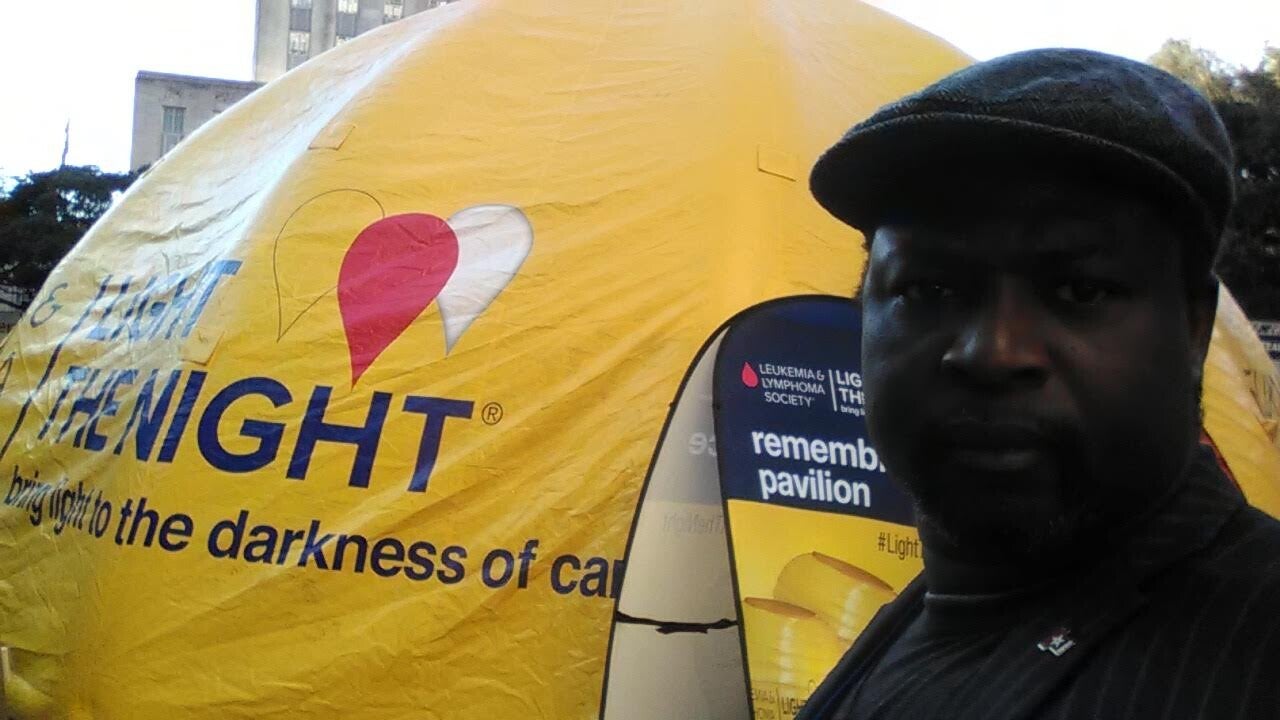
Light The Night: When We Walk, Cancer Runs
By Dr. Akwo Thompson Ntuba
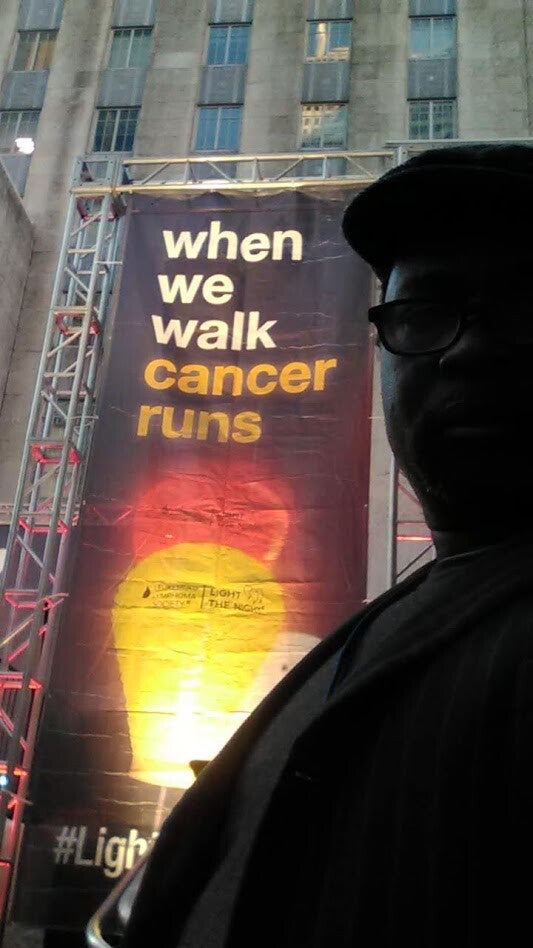
The Light The Night event continues to draw thousands of survivors, families, caregivers, clinicians, and supporters into a shared space of hope, remembrance, and determination. Organized by the Leukemia & Lymphoma Society, the event has grown into one of the most powerful global movements raising awareness about leukemia, lymphoma, and other blood cancers.
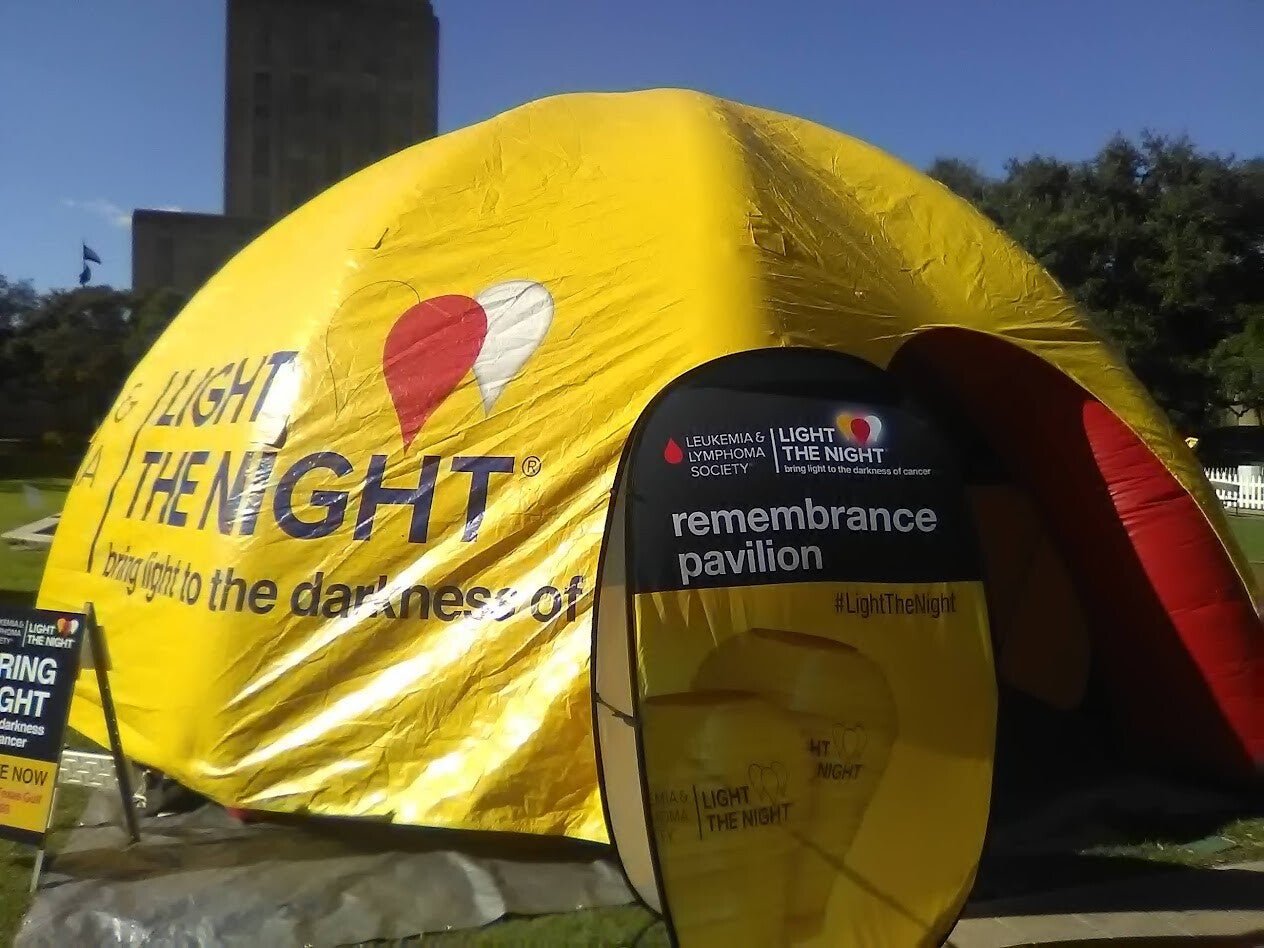
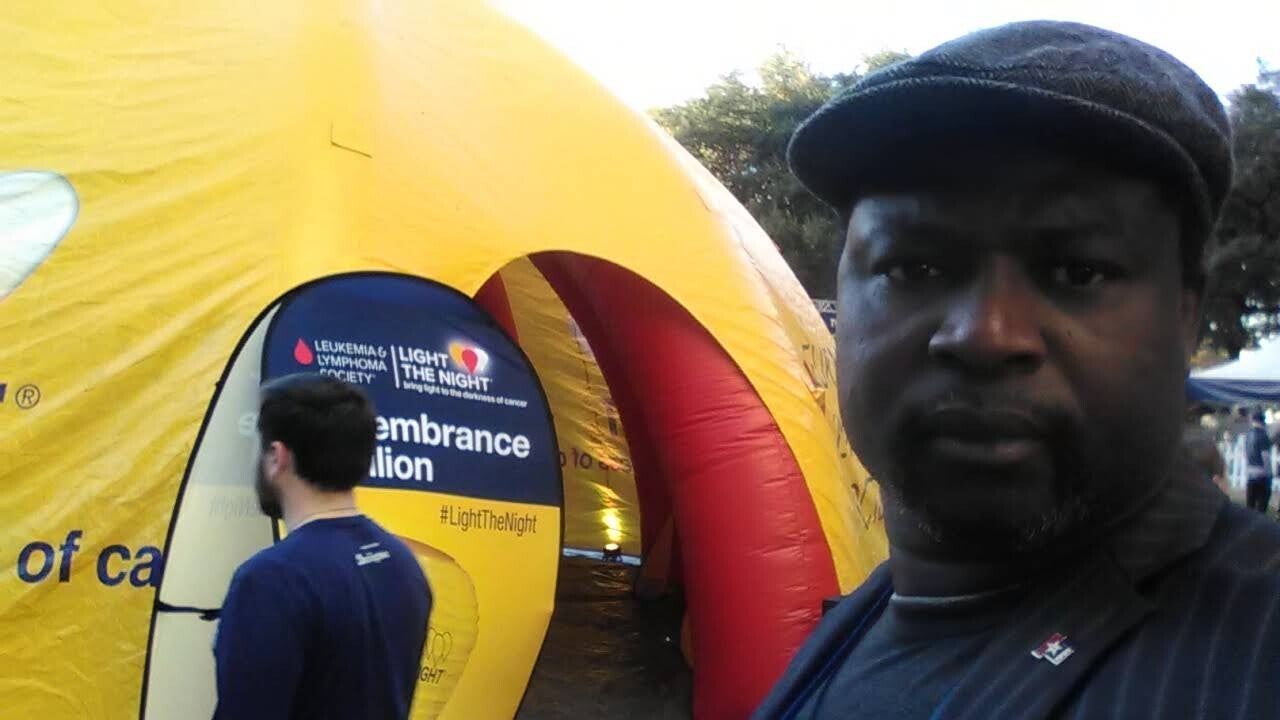
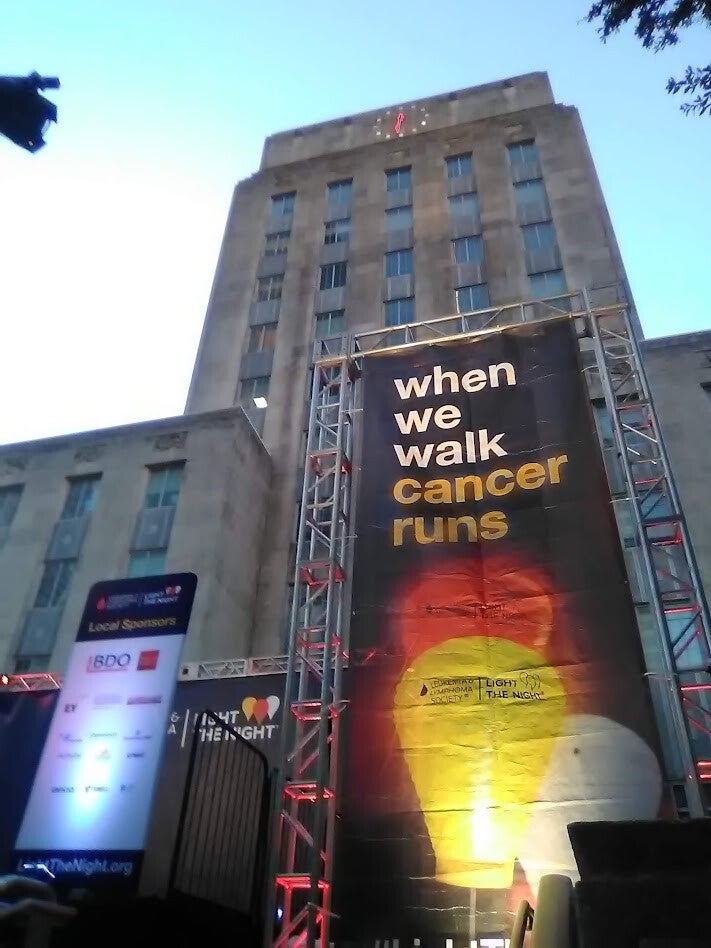
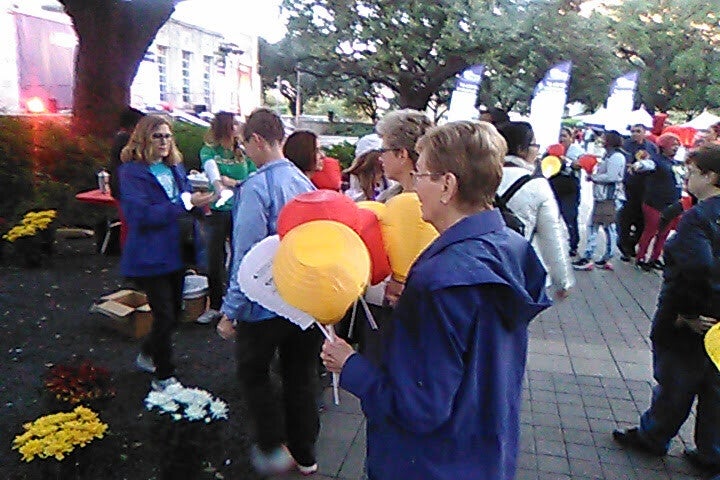
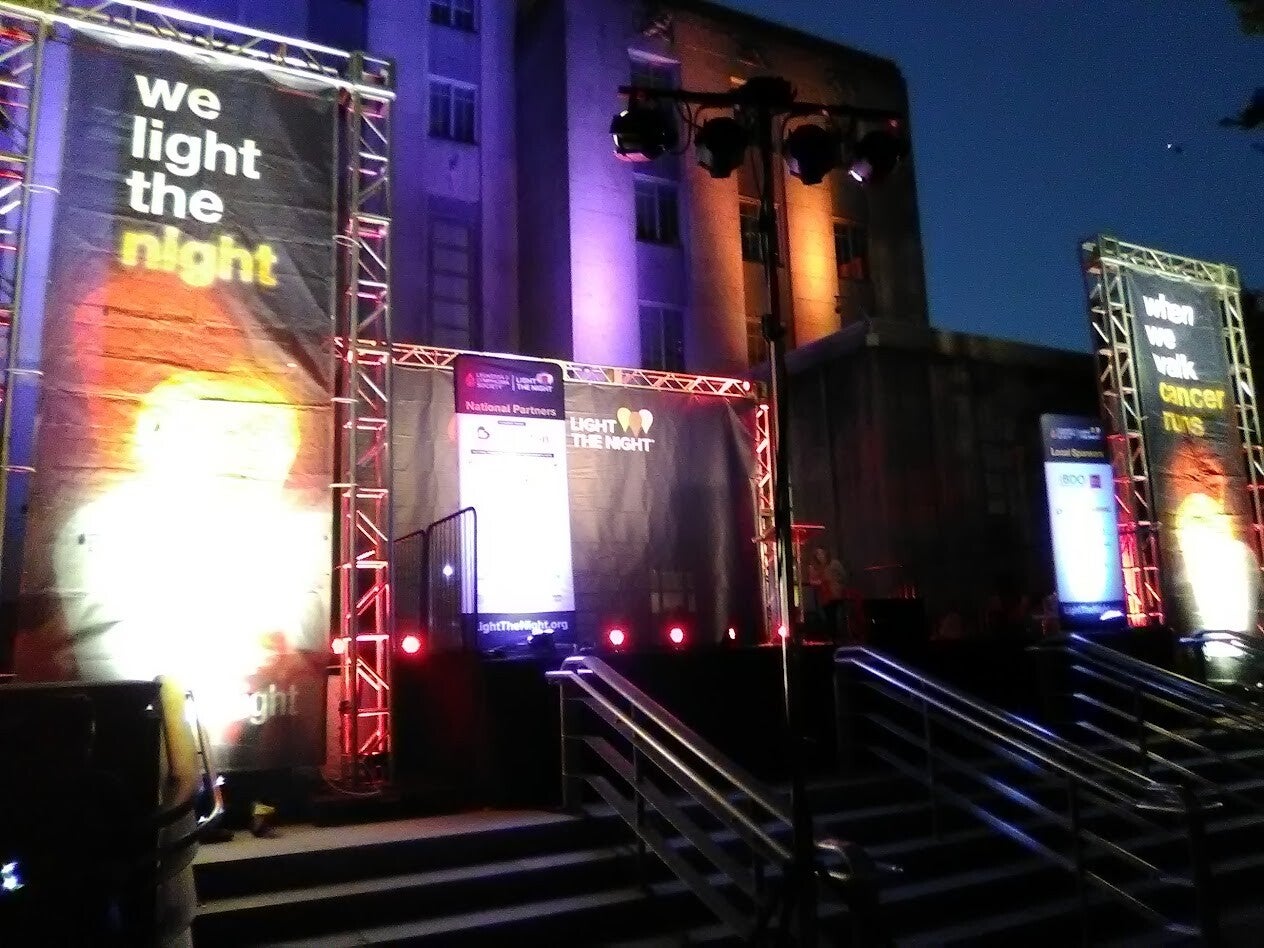
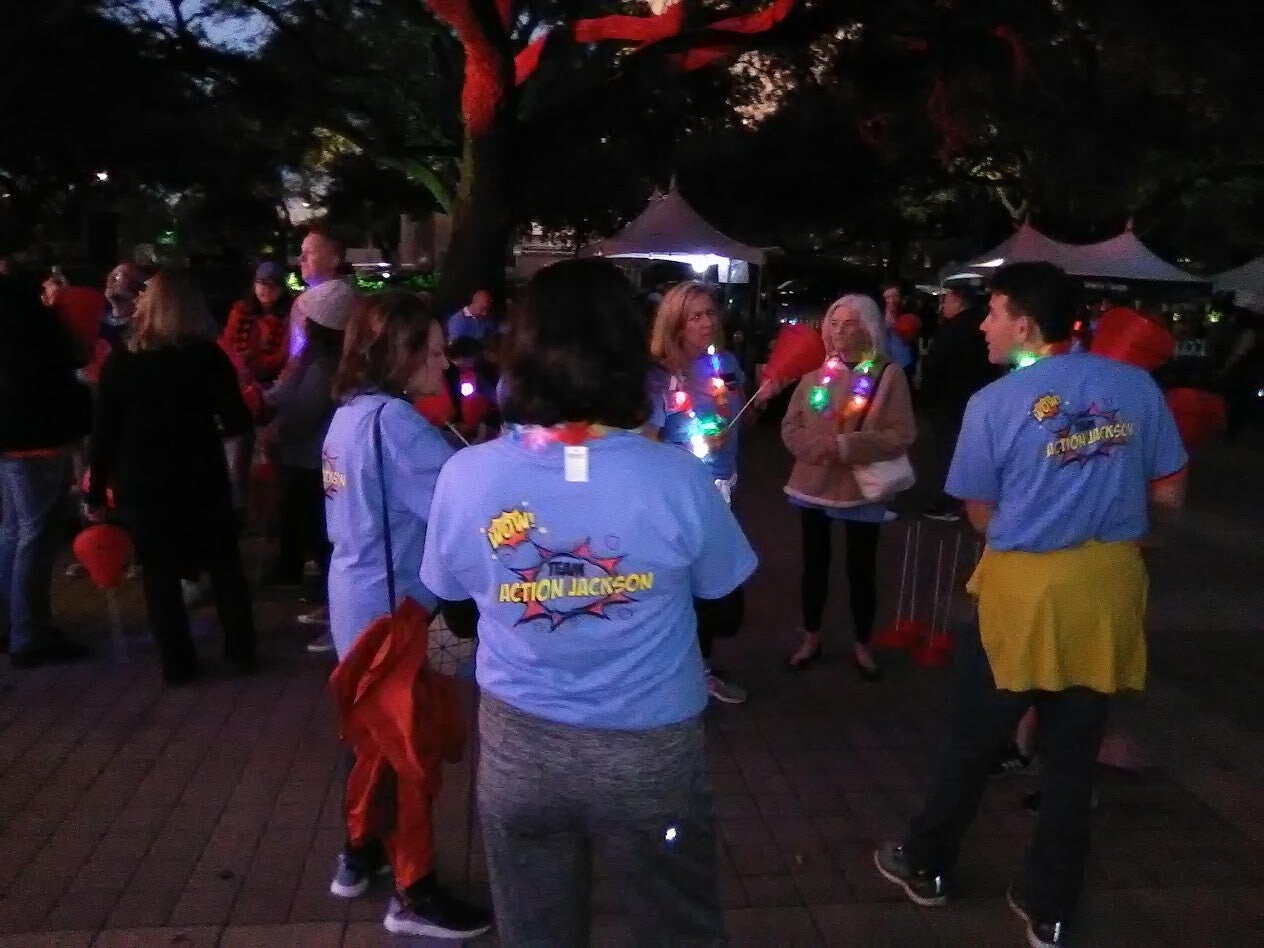
Across parks, plazas, and city centers, participants lift glowing lanterns—yellow for remembrance, white for survivors, and red for supporters—creating a sea of light that symbolizes unity in the fight against cancer. The images from this year’s gathering capture that spirit vividly: families holding lanterns together, survivors standing strong, and communities walking side by side under illuminated banners declaring a simple but profound truth—“When we walk, cancer runs.”
A Community United in Purpose
The event is more than a walk. It is a collective statement that no one faces cancer alone. The remembrance pavilions, the lantern ceremonies, and the shared stories create a sacred space where grief, hope, and resilience coexist. Participants honor loved ones lost, celebrate survivors, and strengthen the resolve to push for better treatments and cures.
Houston’s Leadership in Cancer Care
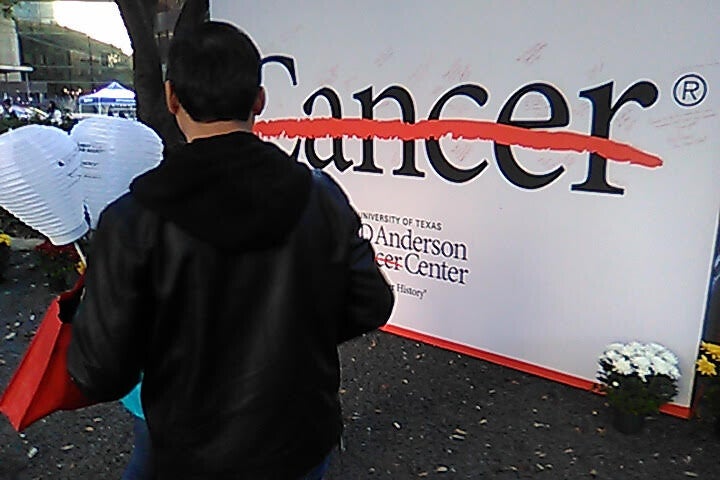
Houston once again demonstrated why it remains one of the world’s leading centers for cancer treatment and research. Major institutions—including the renowned MD Anderson Cancer Center—were present, standing in solidarity with patients and families. Their participation reflects the city’s deep commitment to advancing cancer science and supporting those affected by blood cancers.
MD Anderson’s presence is especially meaningful. As one of the top cancer centers globally, its involvement reinforces the message that breakthroughs in leukemia and lymphoma treatment are not abstract possibilities—they are happening now, driven by world‑class clinicians and researchers.
A Night of Light, Love, and Determination
The images from the event show glowing tents, illuminated banners, and crowds gathered under the evening sky. They reflect the emotional power of Light The Night: a reminder that even in the darkness of cancer, communities can create light together.
Every lantern lifted, every step taken, and every name remembered strengthens the movement. Light The Night continues to inspire thousands because it transforms awareness into action, sorrow into solidarity, and hope into a shared mission.
Continuing the Fight
As a global health communicator, I have witnessed many public‑health campaigns, but Light The Night remains one of the most moving. It blends science, community, remembrance, and advocacy into a single experience that touches every participant.
The message is clear: When we walk, cancer runs. And with continued unity, research, and compassion, the day will come when blood cancers no longer cast a shadow over families and communities.
PANCREATIC CANCER
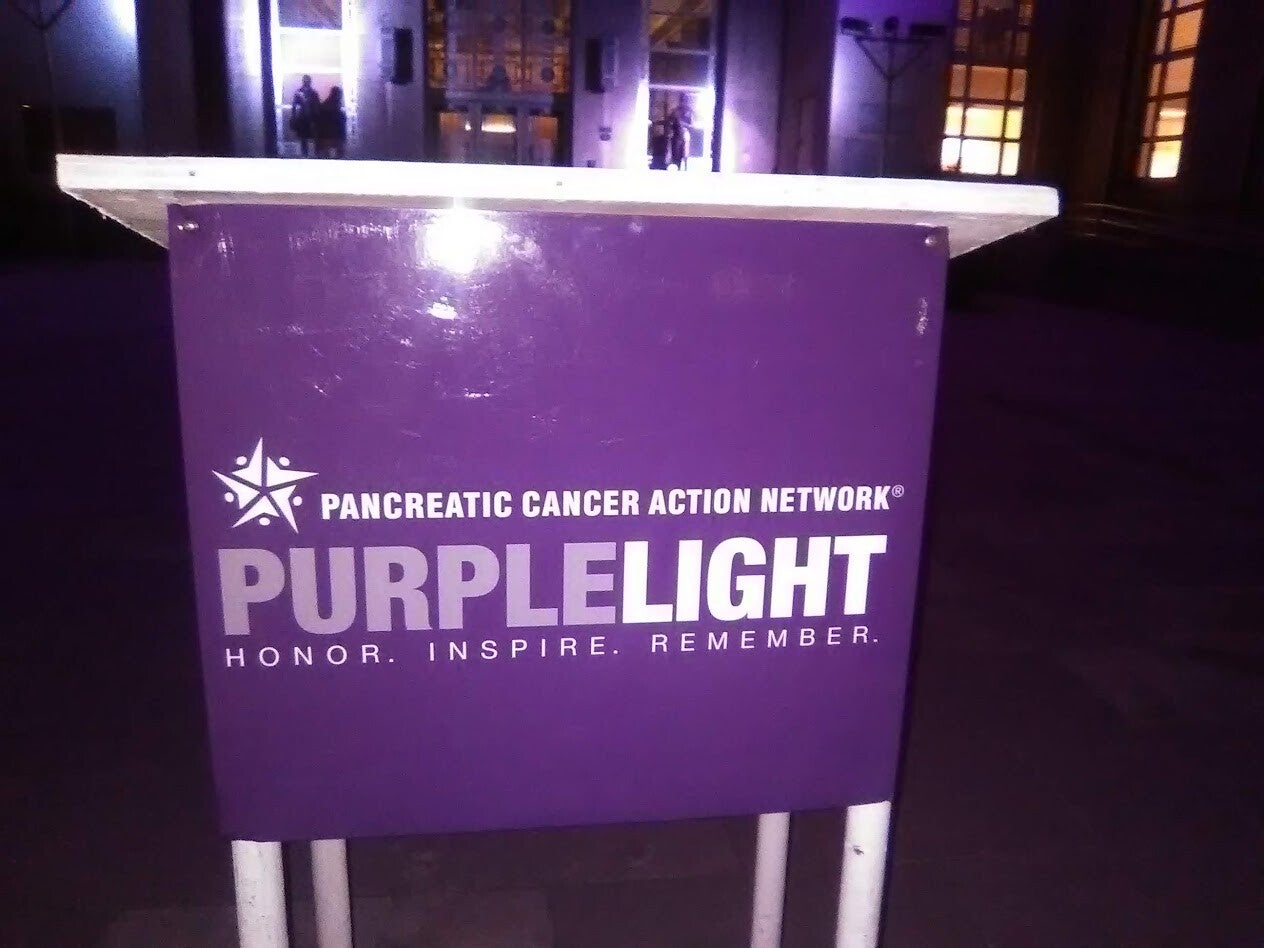
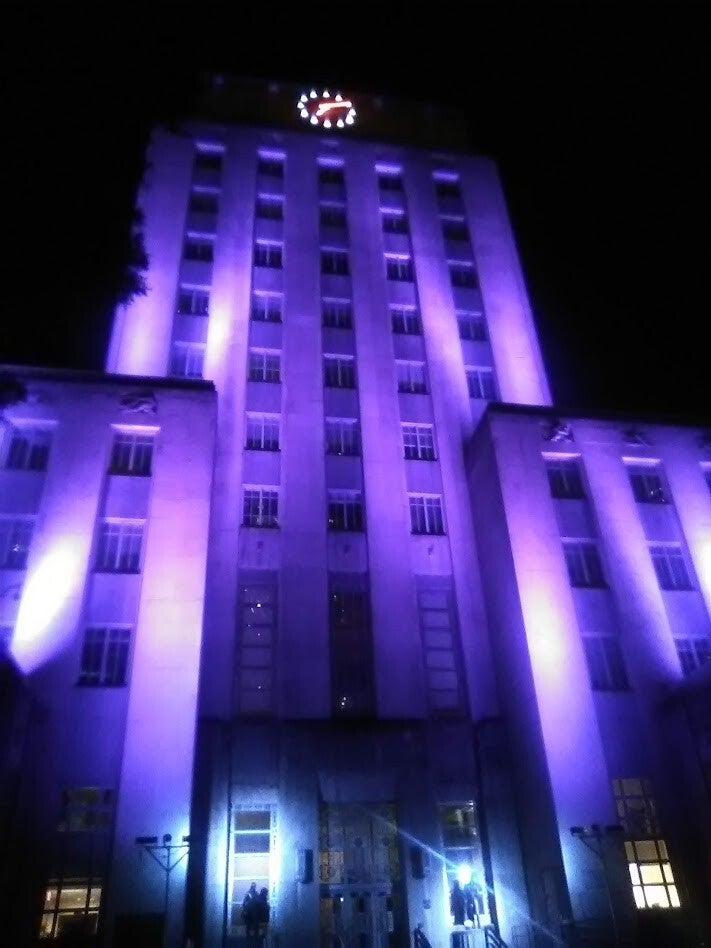
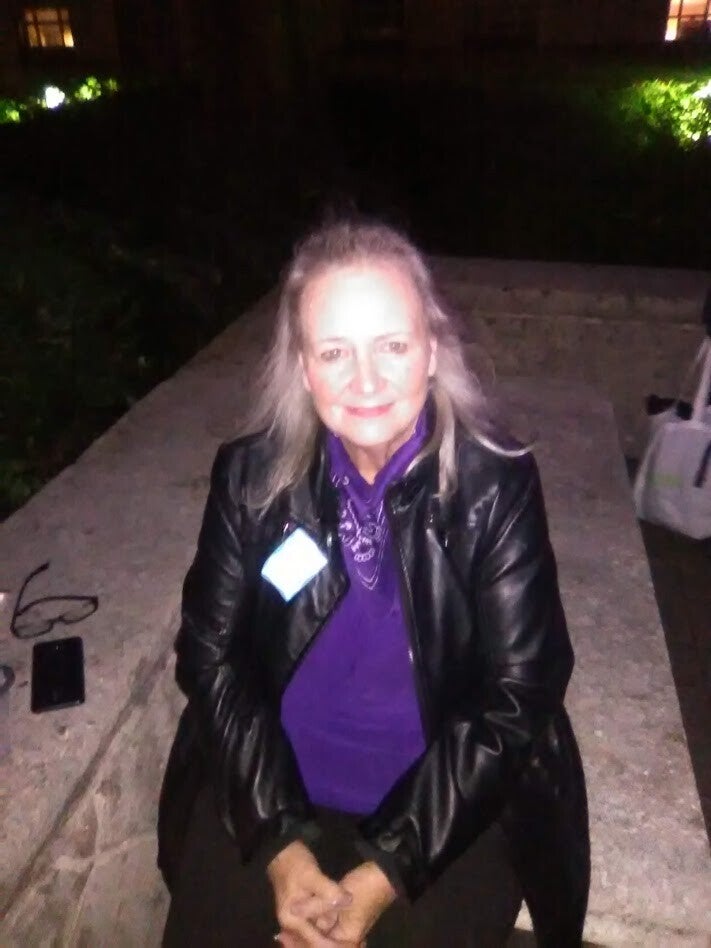
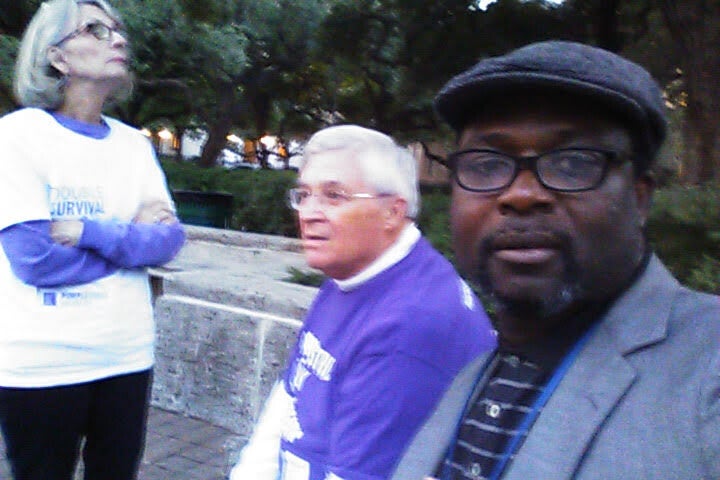
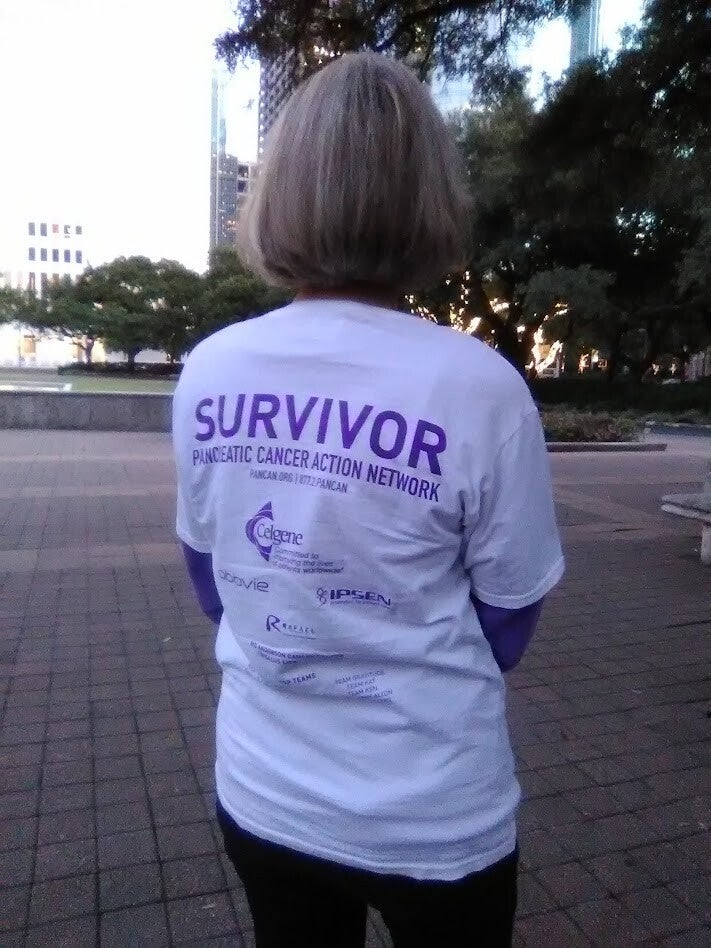
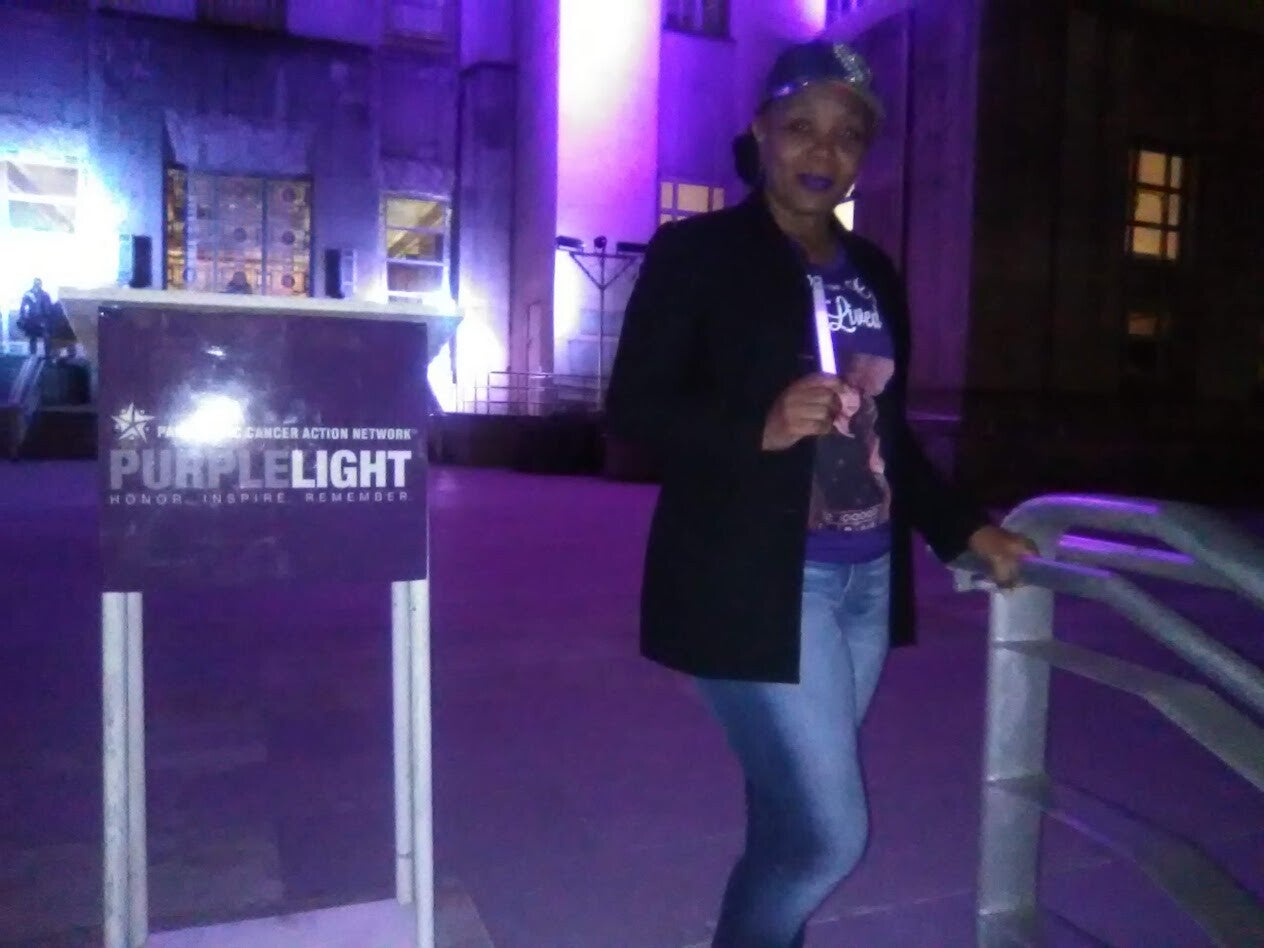
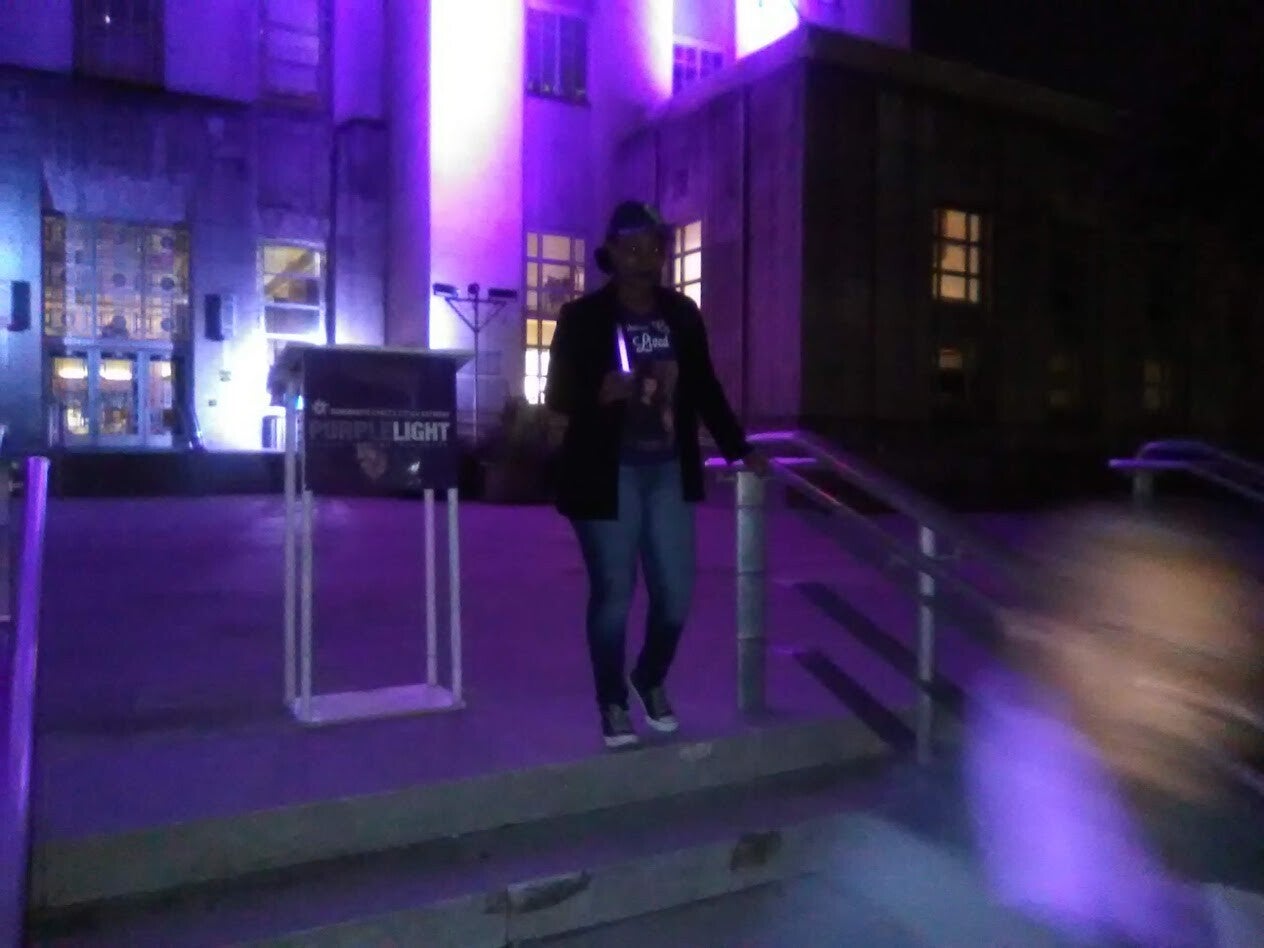
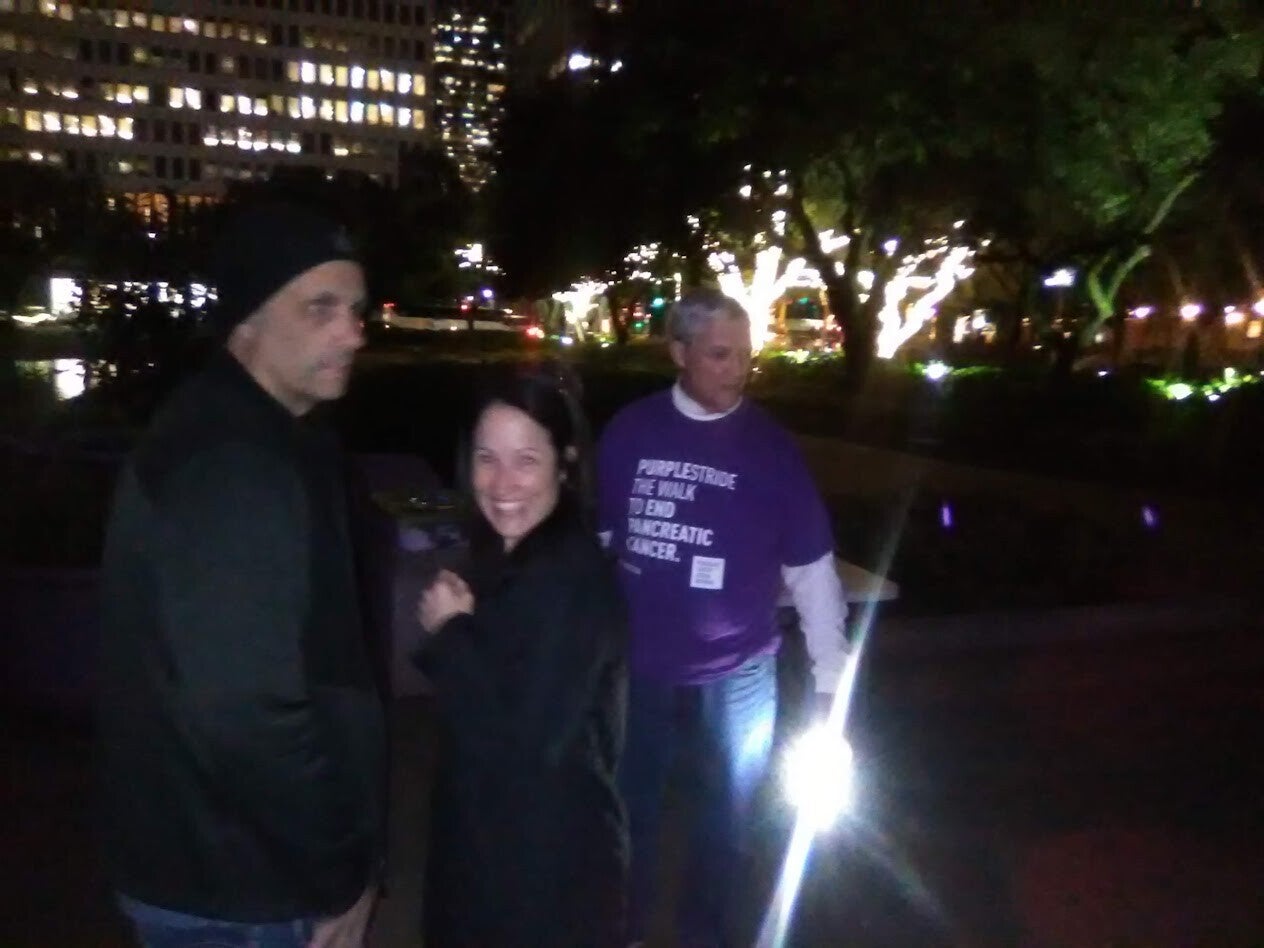
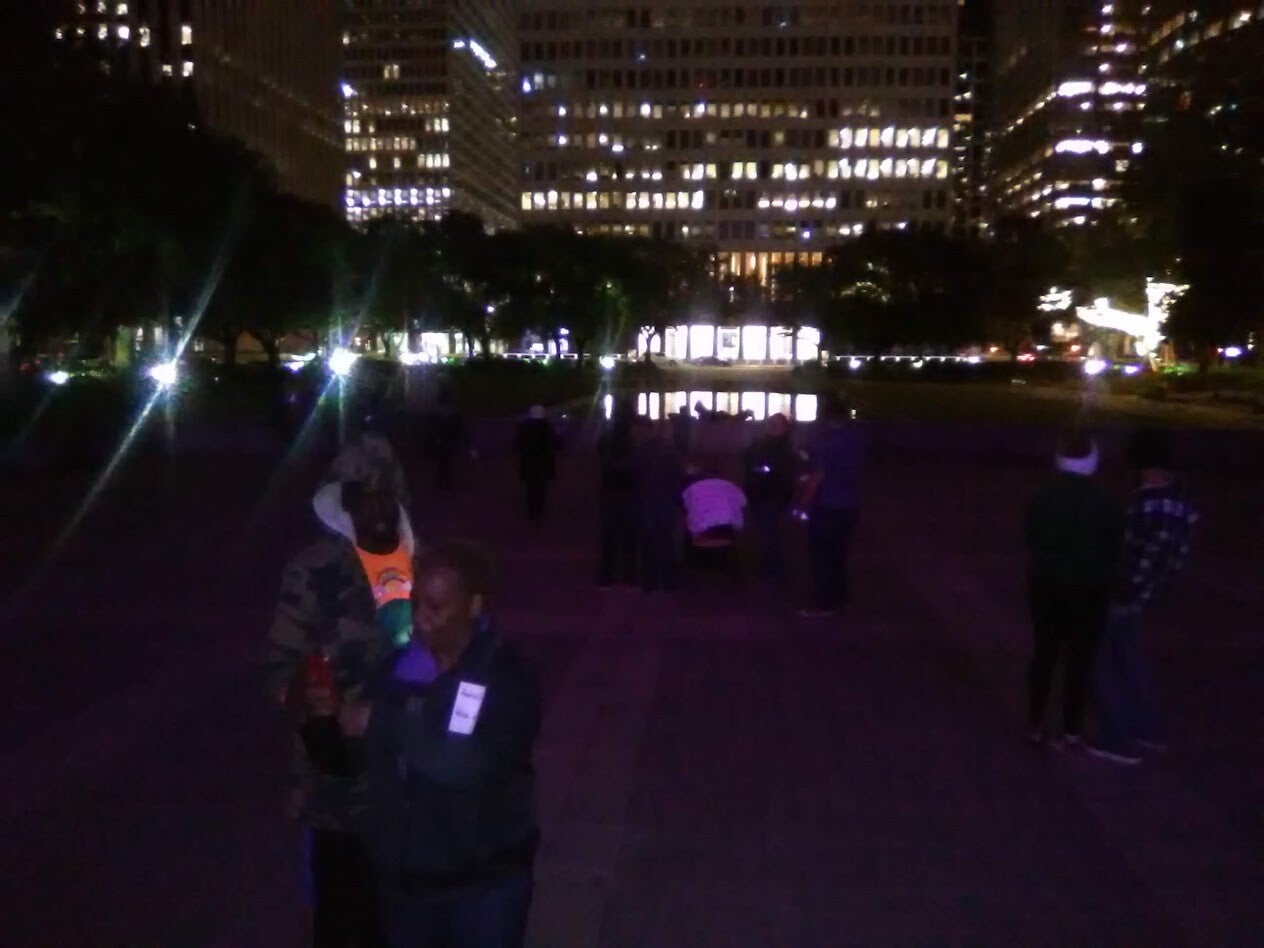
Dr. Thompson Akwo Ntuba Addresses Survivors and Families at PurpleLight Pancreatic Cancer Event
By Dr. Akwo Thompson Ntuba
The annual PurpleLight gathering—one of the nation’s most heartfelt events honoring pancreatic cancer survivors, patients, families, and advocates—brought together a powerful community of hope, remembrance, and resilience. This year, I was invited to serve as one of the key speakers, a humbling honor that allowed me to stand before individuals whose courage defines the true meaning of strength.
Set against a backdrop illuminated in purple, the event united survivors wearing their signature shirts, families holding memories close, and volunteers committed to the mission of the Pancreatic Cancer Action Network. The atmosphere was both solemn and uplifting, a reminder that while pancreatic cancer remains one of the most challenging diagnoses, the human spirit continues to rise above it.
A Message of Holistic Healing and Spiritual Strength
In my remarks, I emphasized the importance of a holistic approach to coping with cancer—one that integrates medical excellence with emotional, social, and spiritual support. For many families, spirituality becomes a source of grounding, resilience, and meaning during the most difficult phases of illness. I shared how faith‑based and community‑centered frameworks can help patients navigate fear, uncertainty, and the long journey of treatment and recovery.
Holistic care is not an alternative to medical treatment—it is a complement that strengthens the patient’s inner resources. At PurpleLight, surrounded by survivors and families, this message resonated deeply.
Houston: A Global Center of Excellence for Cancer Care
I also highlighted the extraordinary cancer‑care ecosystem in Houston, home to some of the world’s most advanced institutions. The UT Cancer Center continues to distinguish itself as one of the best in the nation, offering cutting‑edge research, compassionate care, and multidisciplinary expertise.
And of course, MD Anderson Cancer Center remains globally recognized as the gold standard in cancer treatment. Its presence makes Houston one of the best places in the world for anyone facing a cancer diagnosis. The combination of UT Cancer Center, MD Anderson, and the broader Texas Medical Center creates a medical environment unmatched in capability, innovation, and patient outcomes.
Honoring Survivors, Remembering Loved Ones
The images from the event—survivors standing proudly, families gathered in solidarity, volunteers wearing shirts that read “The Walk to End Pancreatic Cancer”—captured the heart of PurpleLight. Each person represented a story: a battle fought, a loved one remembered, a community strengthened.
PurpleLight is not just an event. It is a movement of remembrance, inspiration, and collective determination to push for earlier detection, better treatments, and ultimately, a cure.
A Call to Continue the Fight
As I concluded my address, I reminded the audience that the fight against pancreatic cancer requires all of us—clinicians, researchers, survivors, families, advocates, and policymakers. The courage of those impacted fuels the mission. The dedication of organizations like the Pancreatic Cancer Action Network keeps the momentum alive.
Houston stands ready with world‑class institutions. The community stands ready with compassion. And together, we continue to honor, inspire, and remember.
BREAST CANCER
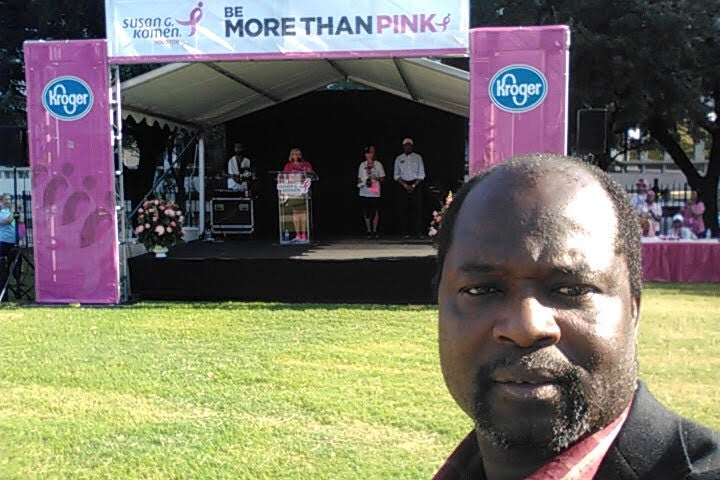
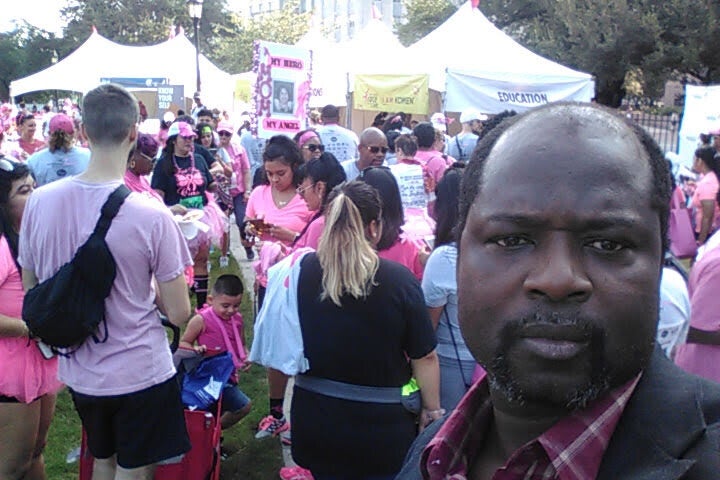
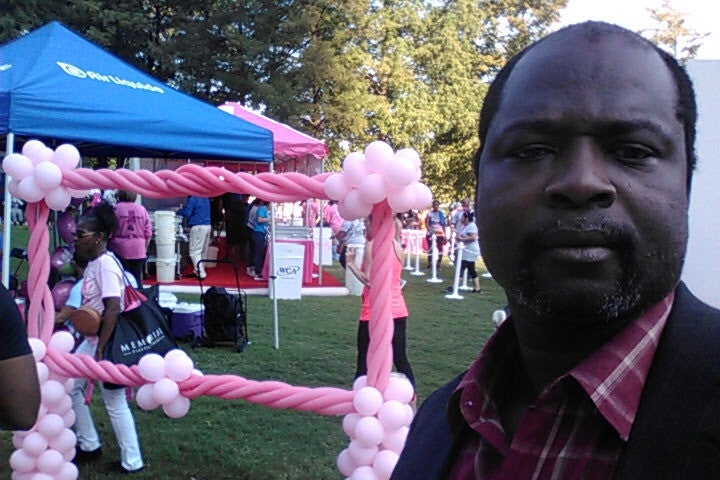
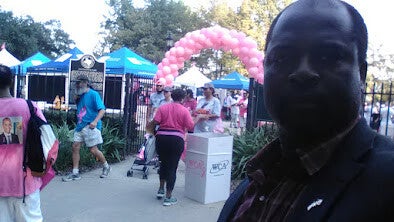
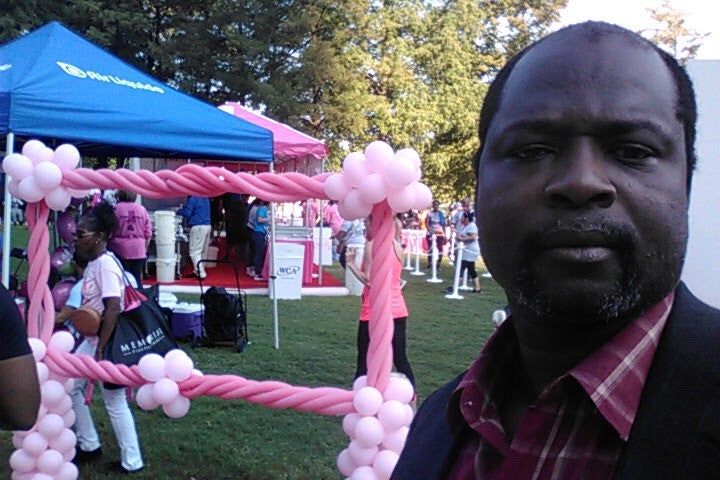
Susan G. Komen: A Global Leader in the Fight to End Breast Cancer
By Dr. Akwo Thompson Ntuba
For decades, Susan G. Komen has stood at the forefront of the global movement to end breast cancer, building one of the most recognizable, trusted, and impactful health‑advocacy organizations in the world. Through its far‑reaching programs in awareness, education, research, community support, and fundraising, Komen continues to save lives and empower millions of women and families across continents.
A Global Force for Awareness and Early Detection
Breast cancer remains one of the most common cancers affecting women worldwide. Yet early detection dramatically improves survival. Susan G. Komen has transformed public understanding of breast cancer through its signature campaigns, survivor‑centered events, and community education programs. The organization’s iconic pink ribbon has become a universal symbol of hope, resilience, and action.
From large‑scale walks and races to grassroots outreach in underserved communities, Komen’s awareness initiatives ensure that women receive life‑saving information about screening, symptoms, and early intervention.
Funding Research That Changes Lives
Komen is also one of the world’s largest nonprofit funders of breast cancer research, supporting groundbreaking studies in prevention, treatment, survivorship, and metastatic disease. These investments have contributed to major advances in targeted therapies, improved diagnostics, and better patient outcomes.
By connecting scientists, clinicians, survivors, and policymakers, the organization accelerates innovation and keeps the global fight against breast cancer moving forward.
Support for Patients, Survivors, and Families
Beyond research, Susan G. Komen provides a wide range of support resources for individuals navigating breast cancer. These include:
-
Patient navigation services
-
Financial assistance programs
-
Helplines and counseling
-
Community support networks
-
Educational materials for families and caregivers
These services ensure that no patient walks alone. Survivors often describe Komen as a lifeline—offering guidance, compassion, and community during the most challenging moments of their lives.
A Model of Global Health Leadership
As a global health communicator, I have witnessed firsthand how organizations like Susan G. Komen shape public health outcomes. Their model—combining science, advocacy, community mobilization, and survivor leadership—continues to inspire health campaigns across the world.
Komen’s work demonstrates that when awareness, research, and compassion come together, lives are saved, families are strengthened, and communities become more resilient.
Continuing the Mission
The fight against breast cancer is far from over, but Susan G. Komen remains one of the strongest forces pushing toward a future where breast cancer is no longer a life‑threatening disease. Through continued investment, education, and global partnerships, the organization stands committed to ending breast cancer for good.
The MD Anderson Cancer Network: A Global Model for Shared Excellence in Cancer Care
The MD Anderson Cancer Network: A Global Model for Shared Excellence in Cancer Care
By Dr. Akwo Thompson Ntuba
The MD Anderson Cancer Network has grown into one of the most influential and far‑reaching cancer‑care collaborations in the world, connecting hospitals, clinics, and health systems across the United States and internationally. Through its member organizations, the Network extends MD Anderson’s evidence‑based standards of care, research expertise, and educational resources to millions of patients far beyond Houston.
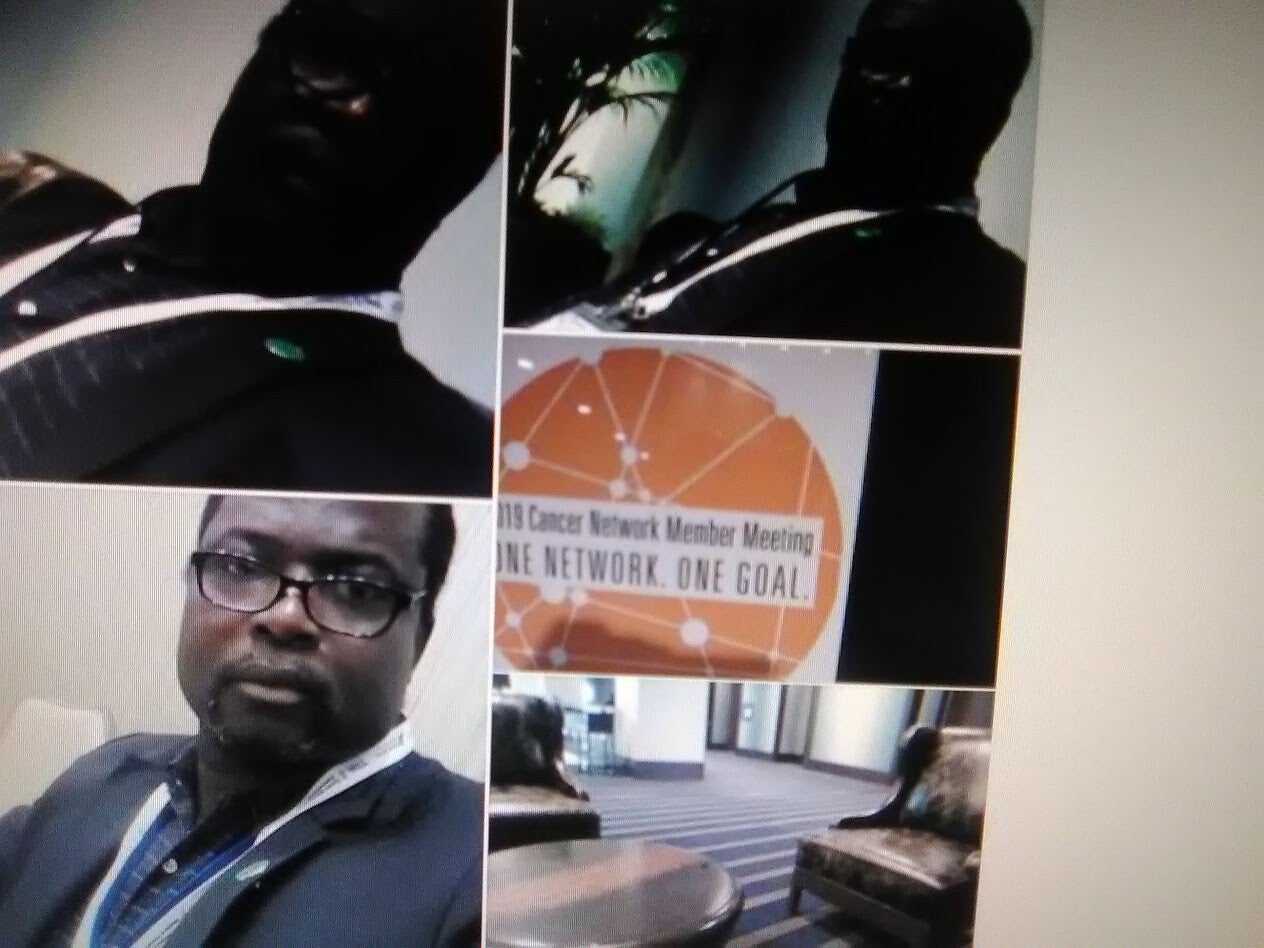
The images from recent gatherings and professional meetings reflect this mission clearly: clinicians, researchers, and health leaders coming together under the banner of “One Network. One Goal.”—a unified commitment to end cancer through shared knowledge, innovation, and capacity building.
A Nationwide and Global Reach
Member institutions of the MD Anderson Cancer Network span multiple U.S. states and cities, each integrating MD Anderson’s clinical pathways, treatment protocols, and multidisciplinary approaches into their local systems. International partners further expand this reach, making the Network one of the largest and most respected cancer‑care alliances globally.
This structure ensures that patients—whether in Texas, the Midwest, the East Coast, or abroad—benefit from the same high standards of care that define MD Anderson’s reputation as one of the world’s leading cancer centers.
Sharing Evidence‑Based Care and Research Excellence
The Network’s strength lies in its ability to share what works. Member organizations receive access to:
-
MD Anderson’s evidence‑based treatment guidelines
-
Research collaborations and clinical trial opportunities
-
Continuing medical education and professional development
-
Quality‑improvement programs and performance benchmarking
-
Multidisciplinary tumor boards and expert consultations
This exchange of knowledge elevates cancer care across the entire system, ensuring that patients receive the most advanced and effective treatments available.
Capacity Building Through Training and Education
Houston serves as the central hub for training, mentorship, and professional development. Physicians, nurses, administrators, and allied health professionals from across the Network travel to Houston for:
-
Specialized oncology training
-
Leadership development programs
-
Workshops on new technologies and treatment innovations
-
Collaborative research meetings
-
Quality‑improvement and patient‑safety training
The images of conference rooms, professional gatherings, and educational sessions highlight the Network’s commitment to building capacity—not just treating cancer, but strengthening the global workforce that fights it.
Innovation That Improves Lives
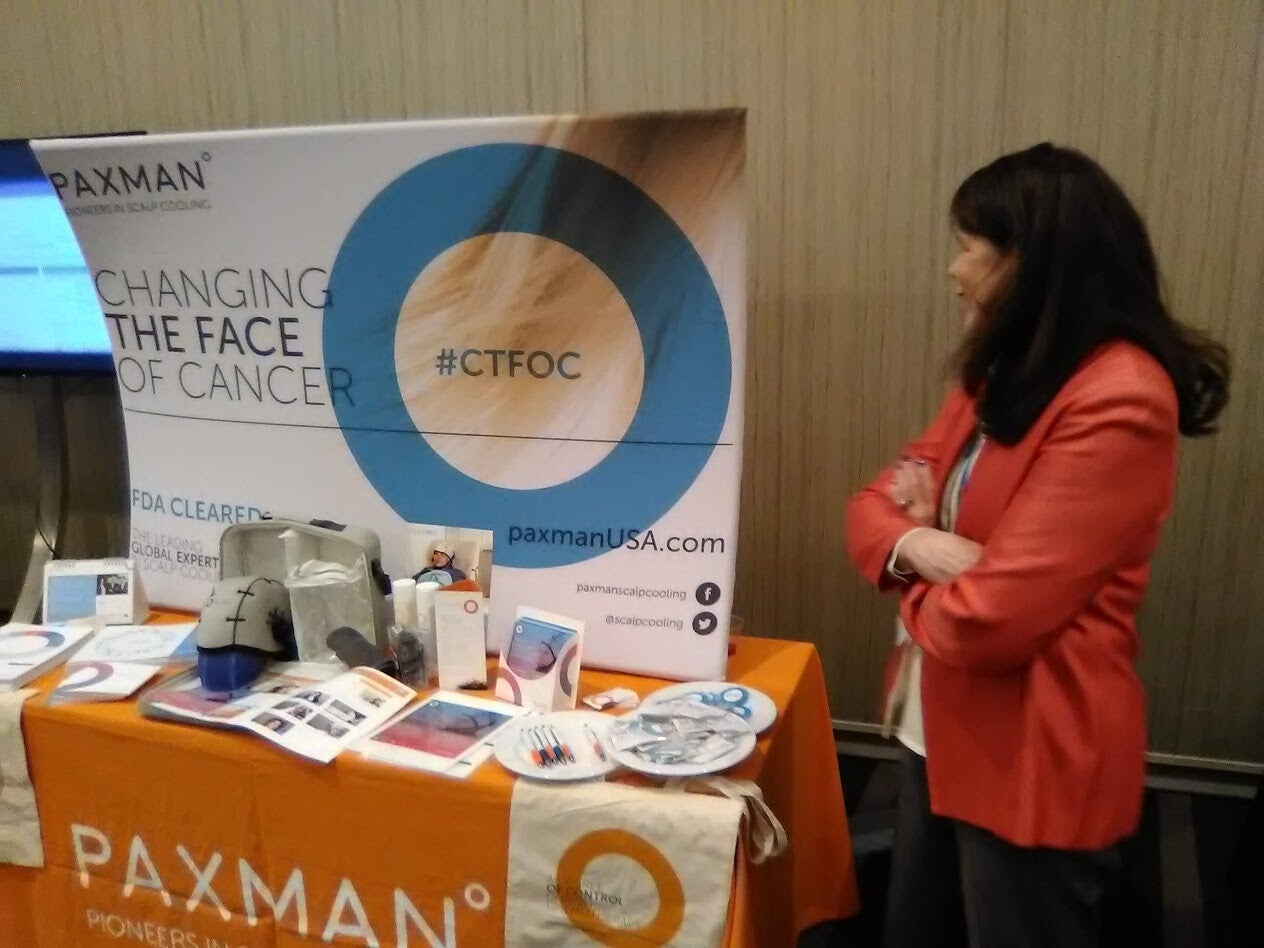
The presence of organizations like Paxman, pioneers in scalp‑cooling technology, reflects the broader ecosystem of innovation surrounding MD Anderson and its partners. These technologies improve quality of life for patients undergoing chemotherapy, demonstrating how the Network embraces both cutting‑edge science and compassionate care.
A Global Standard of Hope
As a global physician‑communicator, I have witnessed how the MD Anderson Cancer Network transforms cancer care across borders. Its model—rooted in collaboration, education, and evidence—ensures that excellence is not confined to one institution but shared widely for the benefit of all.
Through its member organizations, international partners, and ongoing capacity‑building efforts, the Network continues to shape the future of oncology. It stands as a testament to what is possible when institutions commit not only to treating cancer, but to elevating the entire global community of care.
St. Jude Gala for Hope: Advancing the Fight Against Childhood Cancer

St. Jude Gala for Hope: Advancing the Fight Against Childhood Cancer
By Dr. Akwo Thompson Ntuba
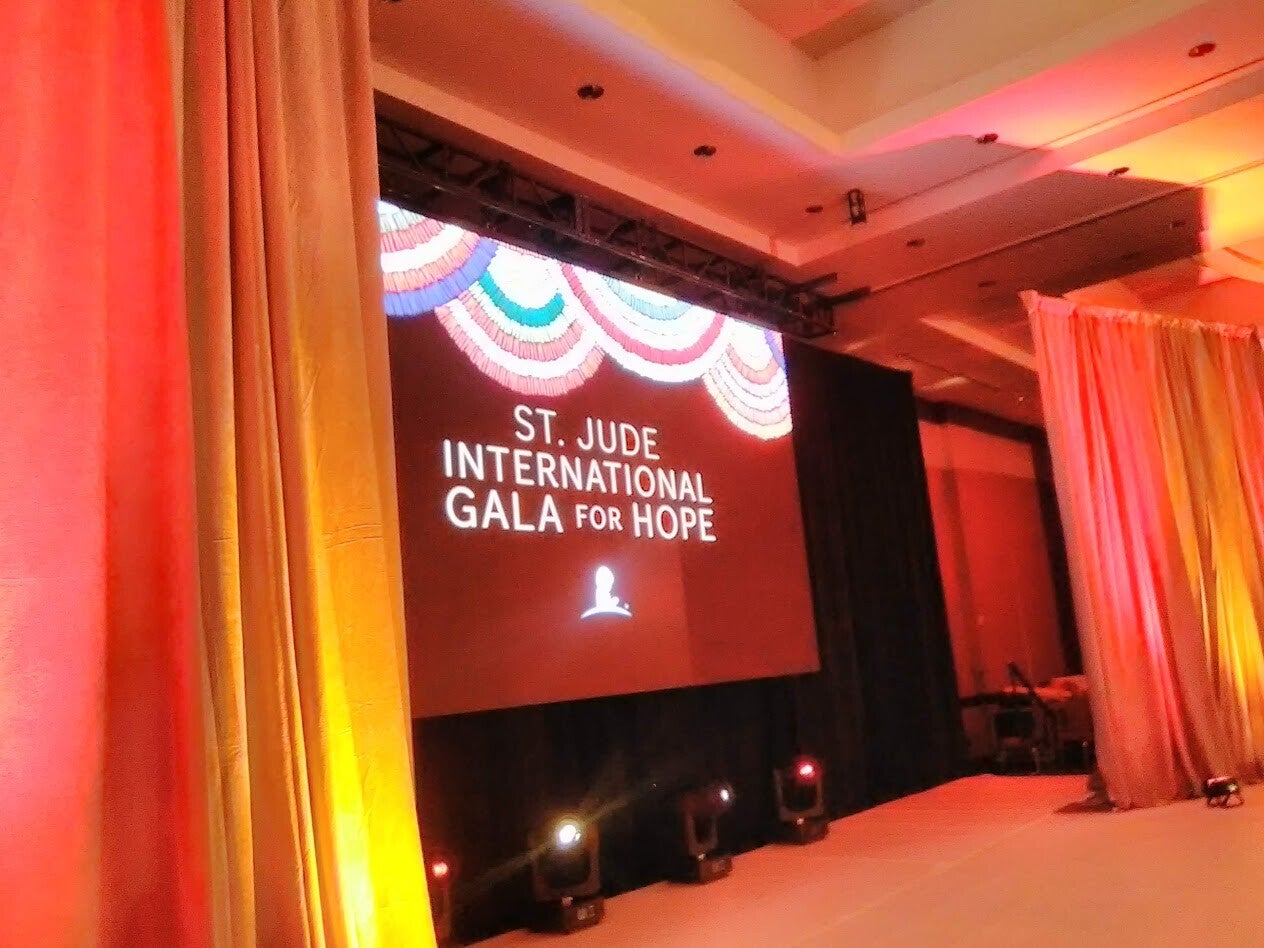
The St. Jude International Gala for Hope stands as one of the most inspiring global events dedicated to raising awareness and resources to fight childhood cancers. Each year, the gala brings together supporters, survivors, families, clinicians, philanthropists, and international partners in a shared mission: ensuring that no child, anywhere in the world, dies from cancer.
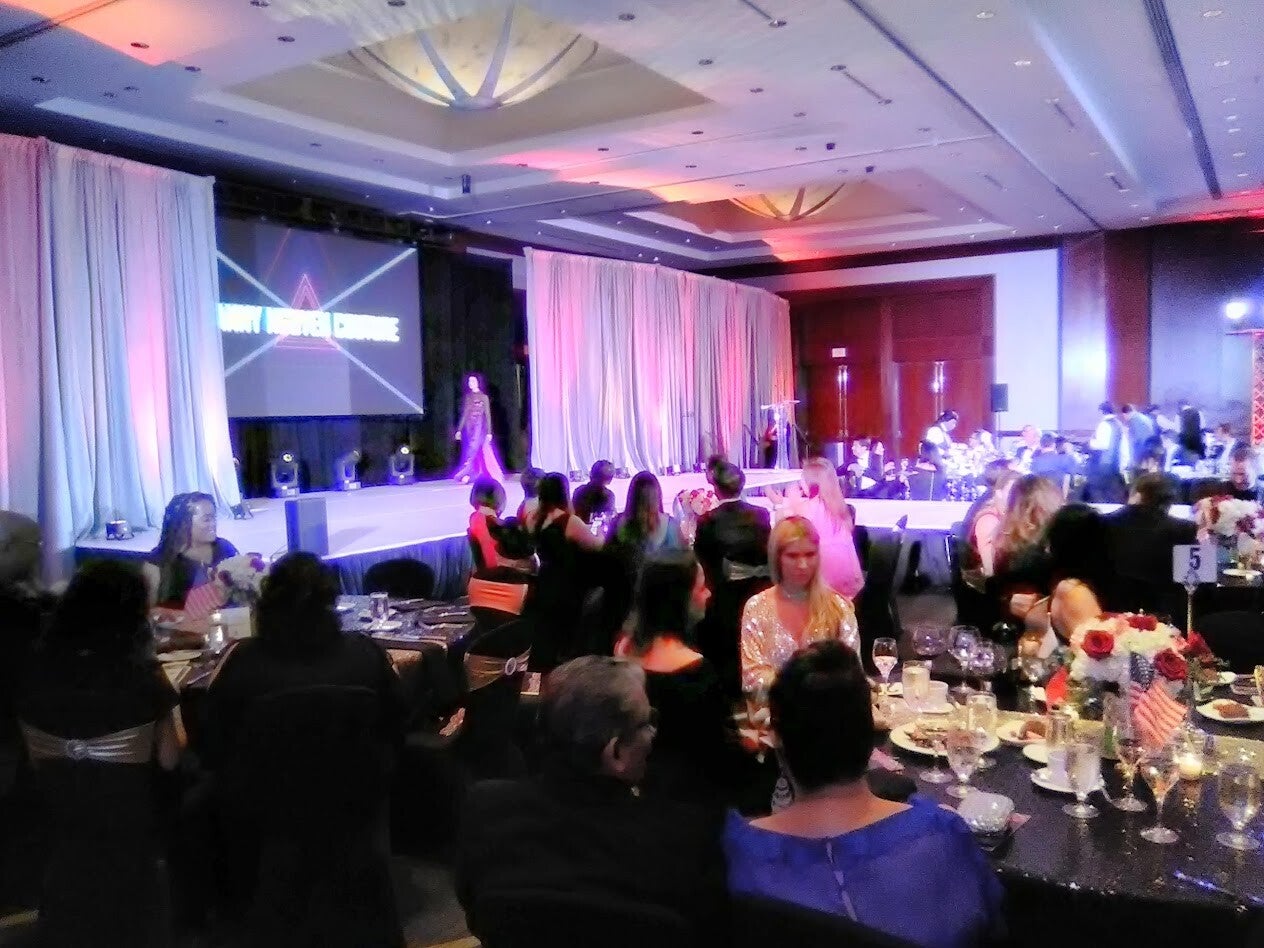
The images from this year’s gala capture the elegance, emotion, and purpose of the evening—warm lights, formal attire, and a room filled with individuals united by compassion and commitment. The stage, illuminated with vibrant colors, symbolized the hope that St. Jude continues to bring to families facing the unimaginable.
A Global Mission Rooted in Compassion
St. Jude Children’s Research Hospital has long been recognized as a global leader in pediatric cancer research and treatment. Its model—providing world‑class care regardless of a family’s ability to pay—has transformed the landscape of childhood cancer care.
The Gala for Hope amplifies this mission by:
-
Raising critical funds for research and treatment
-
Expanding global partnerships
-
Supporting families during long and difficult journeys
-
Strengthening international capacity to diagnose and treat childhood cancers
The presence of diverse attendees, from medical professionals to community leaders, reflects the global reach of St. Jude’s work.
Celebrating Survivors and Honoring Families
The gala is not only a fundraising event—it is a celebration of life and resilience. Survivors and families were honored throughout the evening, reminding attendees of the human stories behind every research breakthrough and every donation.
The emotional power of the event was visible in the faces of participants, the applause for young survivors, and the quiet moments of remembrance for children lost too soon.
A Night of Purpose and Unity
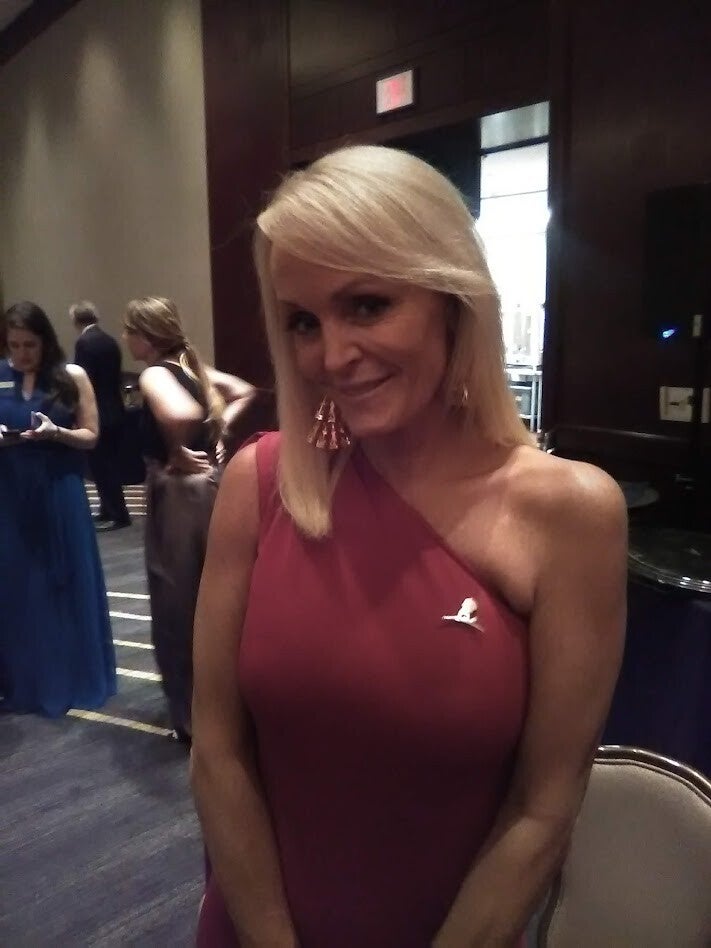
The images show a room filled with energy, elegance, and determination. Guests gathered around beautifully set tables, listening to stories of courage and scientific progress. The St. Jude emblem worn by attendees symbolized solidarity with children fighting cancer around the world.
Events like the Gala for Hope demonstrate that when communities come together—across nations, cultures, and professions—extraordinary progress becomes possible.
Continuing the Fight Against Childhood Cancer
As a global physician‑communicator, I have witnessed the transformative impact of St. Jude’s work. Their commitment to research, education, and global outreach continues to save lives and strengthen health systems worldwide.
The Gala for Hope is more than an event—it is a reminder that hope is a global responsibility. Through continued support, collaboration, and innovation, the world moves closer to a future where childhood cancer is no longer a life‑threatening diagnosis.
A Global Tapestry of Hope: How St. Jude, Light The Night, PurpleLight, and Susan G. Komen Shape the Modern Cancer‑Advocacy Movement
By Dr. Akwo Thompson Ntuba
Across the world, cancer‑advocacy movements continue to illuminate pathways of hope, healing, and scientific progress. Four of the most influential forces—St. Jude Children’s Research Hospital, the Leukemia & Lymphoma Society’s Light The Night, the Pancreatic Cancer Action Network’s PurpleLight, and the Susan G. Komen Foundation—stand as pillars in the global fight against cancer. Each organization focuses on a different dimension of the cancer experience, yet together they form a unified tapestry of compassion, research, awareness, and community empowerment.
The images from these events—lanterns glowing at dusk, survivors wearing their colors with pride, families gathered in remembrance, and gala halls filled with supporters—tell a shared story: the world is fighting cancer together.
St. Jude: A Global Beacon for Childhood Cancer
The St. Jude International Gala for Hope represents the heart of global pediatric cancer advocacy. St. Jude’s mission—to ensure that no child dies from cancer and no family receives a bill for treatment—has transformed lives across continents. The gala brings together clinicians, philanthropists, survivors, and global partners in a celebration of resilience and scientific advancement.
St. Jude’s international collaborations continue to strengthen childhood cancer care in regions where resources are limited, making it a cornerstone of global health equity.
Light The Night: When Communities Walk, Cancer Runs
The Light The Night movement gathers thousands each year under the evening sky, raising awareness for leukemia, lymphoma, and other blood cancers. Participants lift lanterns—white for survivors, yellow for remembrance, red for supporters—creating a river of light that symbolizes unity and determination.
Major institutions, including Houston’s world‑renowned cancer centers, stand alongside families and survivors. The message displayed across banners and pavilions is unmistakable: When we walk, cancer runs.
Light The Night transforms public spaces into sanctuaries of hope, honoring those lost while empowering those still fighting.
PurpleLight: Honoring the Pancreatic Cancer Community
The Pancreatic Cancer Action Network’s PurpleLight ceremony is one of the most emotionally powerful gatherings in the cancer‑advocacy world. Survivors, families, caregivers, and clinicians come together to honor those impacted by one of the most aggressive cancers.
As a speaker at PurpleLight, I emphasized the importance of a holistic approach—integrating medical excellence with emotional, spiritual, and community support. Houston’s leading institutions, including the UT Cancer Center and MD Anderson, continue to provide world‑class care that gives families strength and hope.
PurpleLight reminds us that remembrance and resilience can coexist, and that every story matters.
Susan G. Komen: A Global Force Against Breast Cancer
No organization has shaped breast‑cancer awareness more profoundly than Susan G. Komen. Through its global campaigns, research investments, survivor networks, and educational programs, Komen has empowered millions of women and families.
Its iconic pink ribbon has become a universal symbol of courage and solidarity. From community walks to research grants, Komen continues to push the world closer to a future where breast cancer is no longer a life‑threatening disease.
A Unified Movement for a World Without Cancer
Though each organization focuses on a specific cancer type, their missions intersect in powerful ways:
-
Awareness that saves lives through early detection
-
Research that drives innovation and cures
-
Support that strengthens families and survivors
-
Community that transforms grief into action
-
Global partnerships that expand access to care
Together, St. Jude, Light The Night, PurpleLight, and Susan G. Komen form a global ecosystem of hope—one that uplifts patients, empowers survivors, and accelerates scientific breakthroughs.
Their combined impact demonstrates a profound truth: Cancer may touch every community, but every community can rise to fight back.