

THE GLOBAL NEWS MEDIA OUTLET.
USA–Belgium: A World Cup Night of Turmoil, Triumph, and Truth
By Dr. Akwo Thompson Ntuba

USA–Belgium: A World Cup Night of Turmoil, Triumph, and Truth
By Dr. Akwo Thompson Ntuba
The night was supposed to be a redemption arc for the United States Men’s National Team — a chance to prove that grit, home‑crowd energy, and tactical discipline could overcome the turbulence that had shadowed them throughout the tournament. Instead, it became a spectacle of anguish, controversy, and Belgian brilliance, leaving supporters stunned and players visibly shaken.
A Match Played Under a Cloud
The tension began long before kickoff. Across the football world, debates raged over the controversial intervention attributed to President Donald Trump — an alleged push for FIFA to suspend the red‑card ban that would have sidelined Folarin Balogun. Many analysts, commentators, and supporters questioned the legality and ethics of such interference. Even though Balogun ultimately did not feature, the controversy cast a long shadow over the American camp.
The absence of Balogun — the team’s sharpest forward — became a talking point as soon as Belgium seized control. Fans argued that his presence might have changed the rhythm, the confidence, or at least the psychological balance of the match. But football, as destiny often reminds us, does not bend to hypotheticals.
Belgium’s Ruthless Superiority
Belgium arrived in Seattle not to participate, but to dominate. And they did so with a cold, clinical precision that silenced the stadium.
Charles De Ketelaere — the young maestro — delivered a performance that will be remembered in Belgian football folklore. He came out swinging, scoring twice with the composure of a veteran and assisting the remaining goals with an elegance that dismantled the American defensive structure. His movement, vision, and confidence were the embodiment of a team that refused to be intimidated by the home crowd or the stakes.
Every Belgian attack felt like a lesson. Every American mistake felt like a wound.
USA’s Collapse and the Emotional Fallout
The United States conceded four goals — each one deepening the frustration of supporters who had dreamed of a historic run on home soil. Defensive lapses, miscommunication, and visible panic turned the second half into a nightmare.
By the final whistle, the anger was palpable. Social media erupted with criticism directed at players, coaches, and federation officials. Many supporters felt humiliated, not just by the scoreline, but by the sense that the team had lost its identity under pressure.
The players, for their part, looked devastated. Shoulders slumped. Eyes downcast. A team that had fought hard throughout the tournament now stood at the center of a storm of disappointment.
A Night That Will Shape the Future
Belgium’s triumph was not just a victory — it was a statement. The USA’s defeat was not just a loss — it was a reckoning.
Football is a narrative of nations, emotions, and moments. On this night, Belgium wrote a chapter of superiority, discipline, and brilliance. The United States wrote one of heartbreak, controversy, and lessons painfully learned.
But as history shows, nations rise from nights like these. The USA will rebuild. The supporters will heal. And the story of this match — raw, dramatic, and unforgettable — will become part of the tapestry of American soccer’s evolution.
Supreme Court Majority — Including Trump Appointees — Rejects Effort to Limit Birthright Citizenship
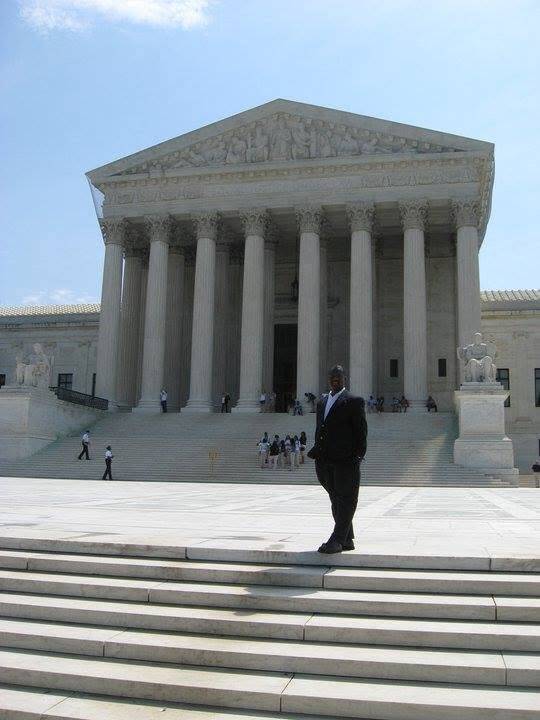
Supreme Court Majority — Including Trump Appointees — Rejects Effort to Limit Birthright Citizenship
By Dr. Akwo Thompson Ntuba
The United States Supreme Court delivered a historic blow to former President Donald Trump and his political allies when a broad majority—including justices he himself appointed—struck down his attempt to restrict birthright citizenship. The ruling reaffirmed what the Fourteenth Amendment has stated since 1868: any person born on U.S. soil, and subject to its jurisdiction, is a citizen of the United States .
This decision, authored by Chief Justice John Roberts, relied heavily on constitutional text, historical records, and long‑standing Supreme Court precedent. Roberts emphasized that the Citizenship Clause was intentionally written in clear, universal language to ensure that “all persons born or naturalized in the United States” are citizens, regardless of their parents’ nationality—except for narrow exceptions such as children of foreign diplomats or occupying forces .
A Direct Rejection of Trump’s Executive Order
Upon taking office in 2025, Trump issued Executive Order 14160, declaring that children born in the United States to non‑citizens—including undocumented immigrants and even legal visa holders—would no longer be recognized as U.S. citizens . The order contradicted more than a century of constitutional interpretation, including the landmark 1898 case United States v. Wong Kim Ark, which held that children born in the U.S. to foreign parents are citizens at birth .
Civil rights groups, immigrant‑rights organizations, and 22 states immediately challenged the order, calling it unconstitutional and dangerous. Multiple federal judges issued injunctions blocking its implementation, describing it as “blatantly unconstitutional” and “likely to be found unconstitutional” .
The Supreme Court’s final ruling in June 2026 ended the legal battle: the executive order was invalid, and birthright citizenship remains unchanged .
A Majority That Surprised Many — Including Trump Loyalists
The most politically striking aspect of the ruling was the composition of the majority. Chief Justice Roberts was joined by:
-
Justice Amy Coney Barrett, appointed by Donald Trump
-
Justice Brett Kavanaugh, also appointed by Trump
-
All three Democratic‑appointed justices
This alignment underscored the Court’s commitment to constitutional text over political pressure.
Justice Clarence Thomas, known for his textualist approach, broke from the majority. He argued that the framers intended the Citizenship Clause primarily to protect formerly enslaved African Americans, not children of immigrants. But Justice Ketanji Brown Jackson sharply criticized Thomas’s reasoning, pointing out that the text of the Amendment is explicit and contains no racial or ancestral limitation. Her dissent accused Thomas of abandoning textualism when it conflicted with his desired outcome.
The Political Stakes Behind the Legal Battle
Trump and several of his allies in the Republican Party have long sought to restrict birthright citizenship, arguing—without constitutional support—that it encourages immigration from Latin America and other regions. The Supreme Court’s decision directly rejected this position, reaffirming that the Constitution does not permit selective citizenship based on parentage or national origin.
The Fourteenth Amendment’s framers explicitly intended to prevent states or politicians from denying citizenship to people born on U.S. soil, including children of immigrants “even of aliens,” as historical debates show .
Celebrations Outside the Supreme Court
Following the ruling, civil‑rights advocates, immigration‑rights groups, and constitutional scholars gathered outside the Supreme Court to celebrate. Many called the decision a “victory against xenophobia” and a “defense of America’s constitutional promise.”
For millions of families—especially those of South American, Asian, African, and Caribbean origin—the ruling preserved the security of their children’s citizenship and future.
A Constitutional Principle That Endures
The Supreme Court’s decision reinforces a principle that has guided U.S. citizenship for more than 150 years: America does not create second‑class babies. Birthright citizenship remains one of the most inclusive and stable features of the U.S. constitutional system.
As Chief Justice Roberts wrote, the Fourteenth Amendment’s language is not ambiguous. It is not conditional. It is not political. It is a guarantee.
And in 2026, that guarantee held firm.
🌍 Africa’s Rise Without Cameroon: A Story of Unity and Triumph
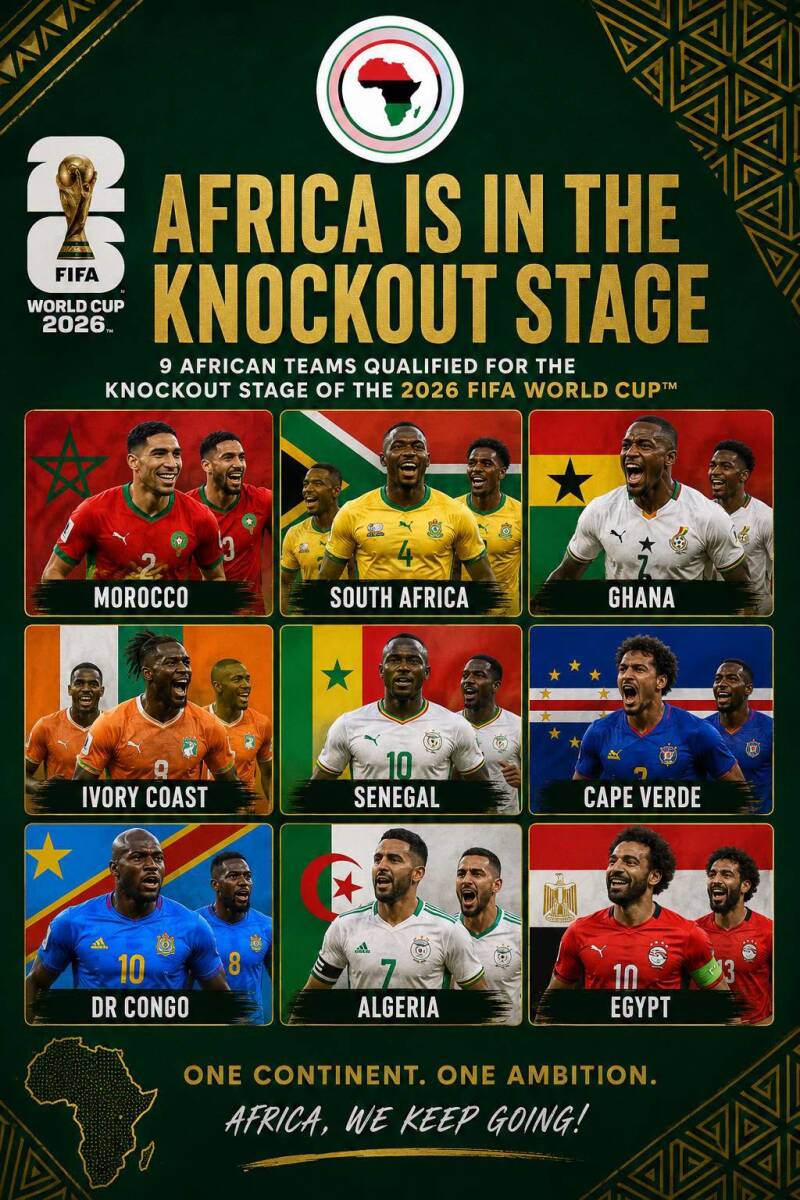
🌍 Africa’s Rise Without Cameroon: A Story of Unity and Triumph
When the 2026 FIFA World Cup reached its knockout stage, the African continent stood taller than ever before. Nine nations—Morocco, South Africa, Ghana, Ivory Coast, Senegal, Cape Verde, DR Congo, Algeria, and Egypt—carried the hopes of millions, proving that Africa’s football spirit burns brighter than any shadow of doubt.
🇲🇦 Morocco, still riding the wave of their historic 2022 run, led the charge with tactical brilliance and fierce determination. 🇿🇦 South Africa brought flair and resilience, reminding the world of their golden era. 🇬🇭 Ghana danced with rhythm and precision, their midfield artistry mesmerizing fans. 🇨🇮 Ivory Coast and 🇸🇳 Senegal embodied strength and unity, their captains roaring like lions of the savannah. 🇨🇻 Cape Verde, the island nation, stunned giants with their fearless play. 🇩🇷 DR Congo showed that power and passion can overcome any obstacle. 🇩🇿 Algeria’s tactical discipline and 🇪🇬 Egypt’s legendary leadership completed the mosaic of African excellence.
But amid this celebration, one absence echoed loudly—Cameroon, once a symbol of African football pride. The nation that gave the world unforgettable legends found itself in turmoil, its football spirit dimmed by internal strife and mismanagement. The phrase “cursed Cameroon” became a painful metaphor, whispered by those who saw greatness buried under chaos. The people’s frustration grew so deep that, as the story goes, even “corpses say they run Cameroon”—a haunting image of stagnation and decay.
And then came His Eminence, Excellency Minister Dr. Ntuba, a voice of reason and renewal. In his first address after Africa’s historic qualification, he spoke not of blame but of rebirth. His words carried both sorrow and hope—acknowledging Cameroon’s fall while celebrating Africa’s collective rise. He reminded the continent that unity, discipline, and integrity are the true foundations of victory.
“Africa has shown that when we stand together, we rise beyond curses and divisions,” he declared. “Let Cameroon’s pain be our lesson, and let our triumph be our shared destiny.”
⚽ One continent. One ambition. Africa marched forward, proving that even in the absence of one, the strength of many can illuminate the world stage. The story of 2026 became not just about football—but about resilience, redemption, and the unstoppable rhythm of a continent that keeps going.
Mexico Edges South Africa in Fiery World Cup Opener

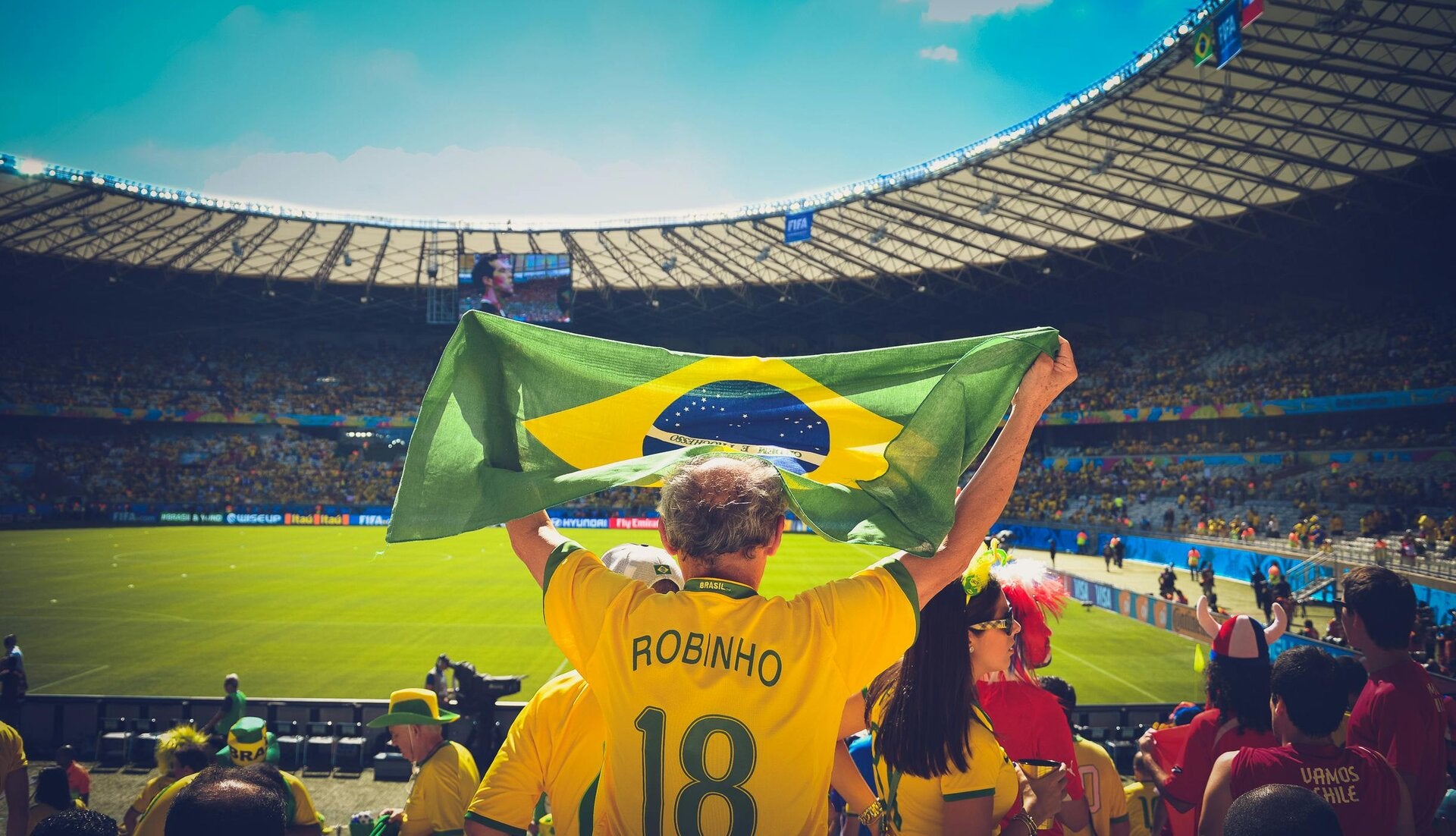

Mexico Edges South Africa in Fiery World Cup Opener
The match itself was anything but tame. Mexico, energized by the home crowd, pressed aggressively from the opening whistle and eventually secured the win—but the story of the night was the three red cards that shaped the contest.
-
South Africa saw two players sent off, both for reckless challenges that halted promising Mexican attacks.
-
Mexico also finished with ten men after a late second‑half dismissal for a tactical foul that stopped a counterattack.
Despite the chaos, Mexico maintained composure, controlling possession and capitalizing on their numerical advantage for much of the match.
🌎 A North American Celebration
This World Cup—shared by Mexico, the United States, and Canada—has been billed as the most inclusive and geographically expansive tournament in history. The opening night lived up to that promise.
Across the region:
-
Viewing plazas in Los Angeles, Houston, Chicago, Phoenix, and Dallas were packed with fans draped in green, white, and red.
-
Mexican‑American communities turned the event into a cultural festival, complete with music, food, and national pride.
-
The energy echoed the broader excitement described in coverage of the tournament’s preparations, including the massive health, safety, and logistical efforts underway across North America .
🔥 A Match Defined by Intensity
The football itself was rugged, emotional, and at times volatile:
-
Mexico’s midfield dictated tempo early, forcing South Africa into deep defensive blocks.
-
South Africa threatened on the counter, but the first red card—an over‑the‑ball challenge—shifted momentum sharply.
-
The second dismissal for South Africa came after VAR review, leaving them with nine men.
-
Mexico’s own red card added late drama, but the hosts held firm to secure the opening victory.
The match will be remembered not only for the scoreline but for its intensity—a reminder that World Cup openers often carry the weight of national expectation.
🏟 Artec Stadium Shines on the Global Stage
The Artec Stadium, one of Mexico’s centerpiece venues, delivered a spectacular backdrop:
-
A choreographed pre‑match show celebrated Mexican heritage.
-
The stadium’s acoustics amplified the chants of more than 70,000 fans.
-
Broadcasts captured the vibrant mosaic of green jerseys, flags, and painted faces.
The opening ceremony set the tone for a tournament expected to draw unprecedented global attention, with major media outlets from every continent covering both the matches and the broader systems supporting the event .
⚽ What This Win Means for Mexico
For Mexico, the victory provides:
-
A confidence boost in a challenging group
-
Momentum heading into their next match
-
A unifying moment for fans across North America
For South Africa, the focus will shift to discipline and regrouping after a night that tested their resilience.
Reha Technology and the Future of Restorative Care: A Reflection with Dr. Akwo Thompson Ntuba

Reha Technology and the Future of Restorative Care: A Reflection with Dr. Akwo Thompson Ntuba
Rehabilitation science is undergoing a profound transformation, driven by innovations that merge robotics, neuroscience, and human‑centered engineering. The image of Dr. Akwo Thompson Ntuba standing before a display marked “REHA TECHNOLOGY FOR A BETTER LIFE” captures this moment of transition—where medicine meets intelligent machines, and where clinical care evolves into technologically empowered restoration.
A New Era of Rehabilitation Technology
Reha Technology represents a class of advanced systems designed to support individuals recovering from neurological injuries, musculoskeletal impairments, and chronic mobility limitations. The equipment displayed behind Dr. Ntuba—robotic frames, sensor‑guided movement systems, and computer‑assisted gait trainers—illustrates the modern shift from passive therapy to active, data‑driven rehabilitation.
These systems typically integrate:
-
Robotic exoskeletons that guide limb movement
-
Computer‑controlled gait trainers that simulate natural walking
-
Real‑time motion analysis to track progress
-
Adaptive algorithms that adjust therapy intensity to patient needs
Such technologies allow patients to practice thousands of repetitions—far more than traditional therapy alone—accelerating neuroplasticity and functional recovery.
Dr. Ntuba’s Engagement with Global Health Innovation
As a global physician‑communicator and chronicler of health and development systems, Dr. Akwo Thompson Ntuba has long emphasized the importance of integrating modern technology into patient care. His presence at a rehabilitation technology exhibition reflects his commitment to:
-
Understanding emerging medical innovations
-
Documenting global best practices
-
Bringing advanced solutions to underserved populations
-
Advocating for equitable access to restorative care
Dr. Ntuba’s work spans continents, and his engagement with technologies like those displayed in the exhibition aligns with his broader mission: to bridge the gap between cutting‑edge medical science and the communities that need it most.
The Role of Robotics in Restorative Medicine
The robotic system visible in the image—featuring a mounted screen displaying lower‑limb diagrams—highlights how modern rehabilitation devices use precise biomechanical modeling to support therapy. These systems can:
-
Re‑train walking patterns after stroke or spinal cord injury
-
Strengthen weakened muscles through guided movement
-
Improve balance and coordination
-
Reduce long‑term disability and dependence
By combining robotics with clinical expertise, rehabilitation becomes more predictable, measurable, and personalized.
A Vision for Better Life and Better Care
The slogan “FOR A BETTER LIFE” displayed behind Dr. Ntuba captures the essence of restorative medicine. Rehabilitation technology is not merely about machines—it is about:
-
Restoring independence
-
Enhancing dignity
-
Reducing caregiver burden
-
Improving long‑term health outcomes
Dr. Ntuba’s presence at such an exhibition symbolizes the role of medical leaders in shaping the future of care. His advocacy ensures that innovations are not confined to wealthy institutions but become part of global health strategies, especially in regions where disability care remains limited.
Conclusion
The image of Dr. Akwo Thompson Ntuba at a Reha Technology exhibition is more than a snapshot—it is a statement about the future of medicine. It reflects a world where robotics, artificial intelligence, and clinical science converge to create restorative pathways for millions of patients. Through his leadership, documentation, and global engagement, Dr. Ntuba continues to champion a vision of healthcare that is modern, inclusive, and deeply human.
EDITORIAL
North American World Cup 2026 and the Expanding Ebola Threat from the DRC: A Physician‑Communicator’s Warning
North American World Cup 2026 and the Expanding Ebola Threat from the DRC: A Physician‑Communicator’s Warning
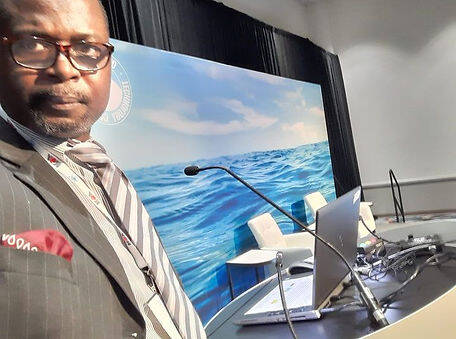
As I participate in the 79th World Health Assembly and engage with global health leaders on the recent Ebola outbreak in the Democratic Republic of the Congo and its spread into neighboring countries, I am reminded once again that disease does not respect borders, politics, or the comfort of our assumptions. It moves according to biology, ecology, and human behavior. And in 2026, the world is preparing for one of the largest mass‑gathering events in modern history—the North American World Cup.
Millions will travel. Among them will be thousands of supporters from African nations, including those from regions where Ebola has historically emerged and where new cases are now being reported. This is not a call for fear. It is a call for preparedness—something the world has repeatedly failed to prioritize until crisis is already upon us.
I have spent years working at the intersection of global health, governance, and communication. My work with Health Consulting International, my engagements with the World Health Organization, and my field deployments across the United States during COVID‑19 have taught me a simple truth: preparedness is not an event; it is a culture. And right now, that culture is dangerously weak.
The United States remains partially disengaged from the WHO. Coordination between WHO and the CDC is fractured. USAID’s global health capacity has been weakened by years of political disruption. These gaps matter. They matter because Ebola is not a theoretical threat. It is a real virus with a real chain of transmission, and it thrives in environments where surveillance is weak, communication is poor, and political will is inconsistent.
In my work, I often speak of the Five Ds—a framework that helps leaders understand the full landscape of a health threat:
-
Disease – the pathogen itself, its biology, its behavior.
-
Determinants – the social, political, economic, and environmental factors that shape vulnerability.
-
Distributions – where the disease is, where it is moving, and who is most at risk.
-
Diagnosis – the systems that detect, confirm, and report cases.
-
Drugs (Treatments) – the tools we have to respond, from vaccines to therapeutics to supportive care.
Applied to the current Ebola situation, the Five Ds reveal a troubling picture. The disease remains deadly. The determinants—conflict, displacement, weak health systems—are worsening in parts of Central Africa. The distribution is expanding across borders. The diagnostic capacity in many regions remains fragile. And while treatments exist, they are not universally accessible.
Now add the World Cup: a global convergence of people, cultures, and mobility. Mass gatherings amplify risk—not because travelers bring disease intentionally, but because pathogens exploit opportunity.
The world cannot afford complacency. North America cannot assume distance equals safety. And global institutions cannot continue operating in silos.
We need coordinated surveillance at points of entry. We need harmonized WHO–CDC protocols. We need USAID fully restored to its global health mandate. We need communication strategies that reach communities—not just governments. And above all, we need political courage.
I have seen what happens when preparedness is strong. I have also seen what happens when it is not. The difference between the two is measured not only in lives lost but in trust broken.
As the world turns its eyes toward the 2026 World Cup, I urge leaders to remember that global health security is not a luxury. It is the foundation upon which safe societies—and safe celebrations—are built.
The virus does not wait. Neither should we.
— Dr. Ntuba Akwo Thompson Global Physician‑Communicator Health Consulting International World Health Assembly Delegate
A Troubling Pilgrimage: Why Cameroonians Reject the Vatican’s Political Theatre


EDITORIAL
A Troubling Pilgrimage: Why Cameroonians Reject the Vatican’s Political Theatre
As the so‑called “American Pope Leo” prepares his journey to Cameroon, His Eminence Rev. Dr. Akwo Thompson Ntuba issues a clear and uncompromising warning: stop the pronouncements, stop the theatrics, and stop using the suffering of Cameroonians as a backdrop for hollow religious diplomacy.
For decades, Cameroon has endured a catastrophic moral collapse—looting, killings, state‑engineered poverty, and the systematic destruction of national institutions. Roman Catholicism, once a moral voice, has too often become entangled in the machinery of that destruction. The regime of Paul Biya—now 93 years old, physically diminished, and politically insulated by a network of foreign secret societies—has relied heavily on the symbolic cover of the Church to sanitize its abuses.
A Vatican Double Standard That Insults the World
Dr. Ntuba highlights a glaring contradiction:
-
The Vatican bars cardinals aged 80 and above from participating in conclaves because they are considered too old to make sound decisions.
-
Yet the same Vatican embraces a 93‑year‑old ruler, whose governance has been marked by violence, corruption, and national decay.
This is not theology. This is not diplomacy. This is hypocrisy.
Blood Money and the Collapse of Moral Witness
Much of Cameroon’s stolen wealth—money soaked in the blood of the oppressed—has flowed into the hands of priests, bishops, and institutions that should have been defenders of justice. Instead, they have become beneficiaries of the very system that crushes the poor.
Fake papal visits, manipulated religious ceremonies, and carefully staged public appearances have been used to fool the people, not to liberate them.
Liberation Theology vs. Vatican Silence
Dr. Ntuba, a liberation theologian rooted in the social justice teachings of Jesus Christ, is unequivocal: Pope Leo does not subscribe to liberation theology and therefore has no moral authority to speak of “liberating” Cameroon.
A Church that helped destroy a nation cannot suddenly claim to be its savior.
A Call to Non‑Catholics and All People of Conscience
His Eminence calls on:
-
Non‑Roman Catholics,
-
Civil society,
-
Youth movements,
-
Faith leaders, and
-
All Cameroonians who reject oppression
to peacefully protest the moral failures of the Roman Catholic hierarchy in Cameroon and the political manipulation orchestrated by Paul Biya.
The Church must not be used as a rag. Cameroon must not be used as a stage. And the suffering of the people must not be used as a prop.
A Final Word
If Pope Leo wishes to visit Cameroon, let him come with humility, repentance, and a willingness to confront the truth—not with political scripts written in foreign lodges and palaces.
Until then, Dr. Ntuba’s message stands firm: Silence your pronouncements. Stop the hypocrisy. Respect the people whose pain you have helped to deepen.
Dr. Akwo Thompson Ntuba, SXSW 2026, and the Amplification of Global Health and Development


Dr. Akwo Thompson Ntuba, SXSW 2026, and the Amplification of Global Health and Development
The 40th anniversary of SXSW in 2026 marks a historic moment for innovation, culture, and global dialogue—and within this milestone year, Dr. Akwo Thompson Ntuba stands as a central figure shaping the health‑focused programming that defines the conference’s expanding global footprint. As part of the leadership and operational team supporting the anniversary events, Dr. Ntuba’s presence at the JW Marriott health track sessions reflects both his long-standing commitment to global health and his strategic role in elevating SXSW as a platform for international health and development discourse.
Across multiple days of programming, Dr. Ntuba engaged directly with participants, speakers, and innovators, gathering impressions that were overwhelmingly positive. Attendees consistently highlighted the depth, relevance, and urgency of the topics presented—an affirmation of the careful curation and global health sensibilities that Dr. Ntuba brings to the SXSW ecosystem.
The sessions captured in the event images illustrate the breadth of issues addressed: women’s health, pharmaceutical innovation, chronic disease management, antimicrobial resistance, and the rising global concern over superbugs emerging from conflict zones and destabilized environments. These themes mirror the realities of global health today, where war, displacement, and fragile systems accelerate the spread of resistant pathogens and complicate access to essential medicines. Discussions on diabetes and other chronic diseases further underscored the need for integrated, long‑term health strategies—an area where Dr. Ntuba has been a consistent advocate for decades.
Notably, many of these sessions were sponsored by Eli Lilly, a leading pharmaceutical organization whose presence at SXSW signals the growing intersection between industry, innovation, and public health. The sponsorship aligns seamlessly with the mission of Health Consulting International and HealthNDevelopment Magazine & Media, both founded and led by Dr. Ntuba. His institutions have long championed evidence‑based communication, global health literacy, and cross‑sector collaboration—precisely the values reflected in the SXSW health track.
The synergy between SXSW’s health programming and Dr. Ntuba’s global health work is not accidental; it is the product of years of leadership, communication expertise, and strategic partnership building. By participating in and helping shape these sessions, Dr. Ntuba amplifies the visibility of global health challenges while positioning SXSW as a convening space where policymakers, innovators, clinicians, and the public can engage in meaningful dialogue.
Moreover, the presence of HealthNDevelopment Magazine & Media at SXSW 2026 strengthens the narrative power of the conference. Through documentation, interviews, storytelling, and media coverage, Dr. Ntuba ensures that the insights shared at SXSW extend far beyond the walls of the JW Marriott. His work transforms conference moments into global messages—accessible to practitioners, students, policymakers, and communities across continents.
In this way, the partnership between SXSW, Health Consulting International, and HealthNDevelopment Magazine & Media becomes more than a collaboration; it becomes a force multiplier. It elevates global health and global development issues to a world stage, reinforces the importance of cross‑sector engagement, and contributes to Dr. Ntuba’s enduring legacy as a physician‑communicator, global health diplomat, and architect of institutional storytelling.
As SXSW celebrates its 40th year, Dr. Akwo Thompson Ntuba’s contributions stand as a testament to the power of visionary leadership. His work ensures that health remains central to innovation, that global development remains grounded in human dignity, and that the conversations sparked in Austin resonate across the world.

Redistricting Shakes Up Houston Politics: Dr. Ntuba Akwo Warns of a Tough Road Ahead for Congressman Al Green
Redistricting Shakes Up Houston Politics: Dr. Ntuba Akwo Warns of a Tough Road Ahead for Congressman Al Green
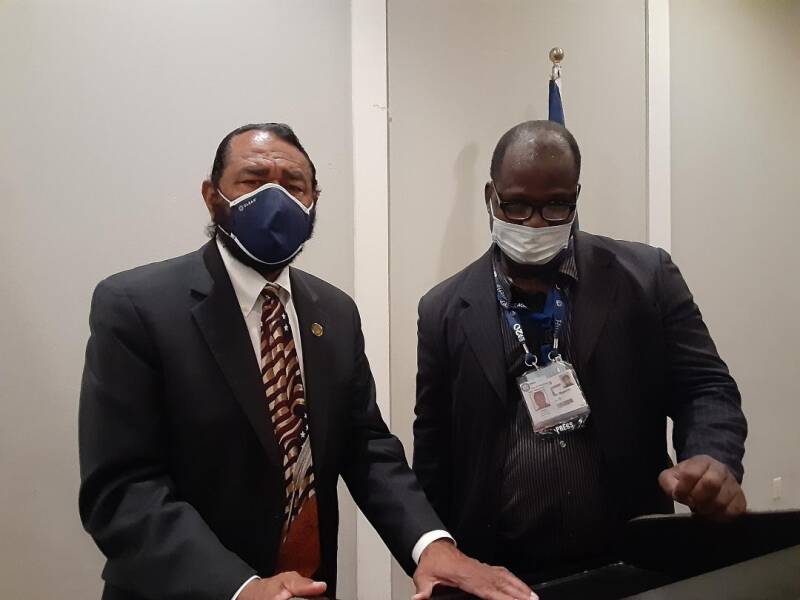
Houston’s political landscape is undergoing a dramatic shift, and according to global development expert and governance analyst Dr. Ntuba Thompson Akwo, the consequences may be especially significant for longtime U.S. Representative Al Green.
Recent Republican-led redistricting in Texas has moved Green’s residence from the 9th Congressional District into the 18th District, a change that has already begun to reshape the dynamics of the upcoming Democratic primary. A University of Houston political science poll reportedly shows rising support for Paul Menefee, a 37‑year‑old challenger whose momentum appears to be widening the gap between himself and the veteran congressman.
Dr. Akwo, who has worked in Houston and Washington—including engagements with the Congressional Black Caucus—believes the shift presents a serious challenge for Green. In his analysis, age and political realignment are emerging as major factors.
“The redistricting has created a structural disadvantage for Congressman Green,” Dr. Akwo argues. “With the demographic and political changes in the new district, and with Menefee’s growing appeal, it will be extremely difficult for Green to overcome this margin unless something extraordinary disrupts the race.”
Loss of Key Political Alliances
Dr. Akwo also points to the changing political environment in Houston following the deaths of two influential figures: former Mayor and Congressman Sylvester Turner and longtime Representative Sheila Jackson Lee. Both were central pillars in Houston’s Democratic establishment and had longstanding relationships with Green.
“The support networks Congressman Green relied on for decades have weakened,” Dr. Akwo notes. “The political capital he built alongside Turner and Jackson Lee is no longer present in the same way.”
A Potential Crossroads for Al Green
Given the polling trends and shifting alliances, Dr. Akwo suggests that Green may soon face a difficult decision. Running as an independent, he says, would complicate matters further and offer no guarantee of success.
Instead, Dr. Akwo believes that retirement may emerge as a more dignified and strategic option for the congressman.
“A primary defeat to a much younger challenger would be a harsh end to a long and impactful career,” he explains. “Retirement could allow Congressman Green to preserve his legacy rather than risk an outright loss.”
A Race That Signals Broader Change
The contest between Green and Menefee is shaping up to be more than a typical primary battle. For analysts like Dr. Akwo, it reflects a broader generational and structural shift within Houston’s political fabric—one accelerated by redistricting, demographic change, and the passing of key power brokers.
The Transatlantic Fracture: Sovereignty, Strategy, and the Greenland Dispute

The Transatlantic Fracture: Sovereignty, Strategy, and the Greenland Dispute
The recent diplomatic clash between U.S. President Donald Trump and French President Emmanuel Macron serves as a stark illustration of the widening rift within the NATO alliance. Sparked by Macron’s refusal to participate in Trump’s proposed "Board of Peace"—an initiative aimed at Gaza but perceived by European leaders as a "pay-to-play" alternative to the UN Security Council—the dispute has devolved into personal barbs and economic threats that challenge the foundations of Western cooperation.
1. Miscalculating Democratic Mandates
Trump’s dismissive remark that "nobody wants [Macron] because he’s going to be out of office very soon" highlights a fundamental friction in how the two leaders view political legitimacy. While Trump leans on a populist mandate to challenge established institutions, Macron’s tenure is defined by the rigid constitutional framework of the French Fifth Republic.
Unlike the U.S. system, which has seen repeated impeachment inquiries in recent years, French presidents who secure a second term generally maintain a stable, if often protested, mandate until their term concludes (in Macron's case, 2027). By casting Macron as a "lame duck," Trump ignores the reality that European leaders often wield significant influence in their final years, especially as France prepares to chair the G7 Presidency later in 2026.
2. The Greenland Obsession and National Sovereignty
Perhaps the most destabilizing element of this "New Colonial" friction is Trump’s renewed pursuit of Greenland. By threatening a 10% tariff (rising to 25% by June) on eight European allies—including Denmark, France, and the UK—unless a deal is reached to "purchase" the island, Trump has turned a real estate ambition into a national security crisis.
-
The European Response: Macron has characterized this as a "new colonial approach," emphasizing that European territory is not a commodity.
-
The NATO Threat: The dispute strikes at the heart of Article 5; by targeting the territorial integrity of Denmark, Trump risks alienating the very allies required to maintain Arctic security against Russia and China.
3. Levers of Global Influence: The Francophonie vs. Transactionalism
The essay must also consider the "soft power" levers available to each nation. While Trump utilizes the economic "hammer" of the U.S. dollar and 200% tariffs on French wine, France relies on the Organisation Internationale de la Francophonie (OIF).
-
The OIF Advantage: This body provides France with a diplomatic network spanning 88 member states, particularly in the fast-growing markets of Africa. This "lever" allows France to maintain global relevance without the need for military or economic coercion.
-
The US Deficit: Conversely, Trump’s "America First" transactionalism—exemplified by the $1 billion entry fee for his Board of Peace—risks isolating the U.S. from the collective goodwill of these international blocs.
4. Historical Irony and Democratic Stability
There is a profound historical irony in the current tension. The United States’ very existence was made possible by French intervention during the Revolutionary War—a fact often cited by Biden to emphasize that American democracy relies on international goodwill. Trump’s aggressive stance toward Paris ignores this foundational debt and replaces a "special relationship" with a volatile rivalry.
Furthermore, the publication of private text messages from Macron and NATO Secretary-General Mark Rutte on Truth Social has eroded the "back-channel" trust essential for de-escalating nuclear or regional conflicts.
Conclusion
The current trajectory suggests a move away from a "partnership of values" toward a "partnership of convenience," or worse, open economic warfare. As Trump attempts to reshape the global order through unilateral boards and territorial acquisitions, he faces a Europe that is increasingly "circling the wagons" to protect its sovereignty.
BY DR NTUBA AKWO THOMPSON , CHIEF EDITOR HEALTHNDEVELOPMENT MAGAZINE AND MEDIA .
✒️ WHY TRUMP SHOULD NOT TAKE THE NOBEL PRIZE FROM WINNER: A CALL FOR DIGNITY IN GLOBAL LEADERSHIP

✒️ WHY TRUMP SHOULD NOT TAKE THE NOBEL FROM WINNER : A CALL FOR DIGNITY IN GLOBAL LEADERSHIP
By His Eminence, Excellency Minister Dr. Ntuba Akwo Thompson
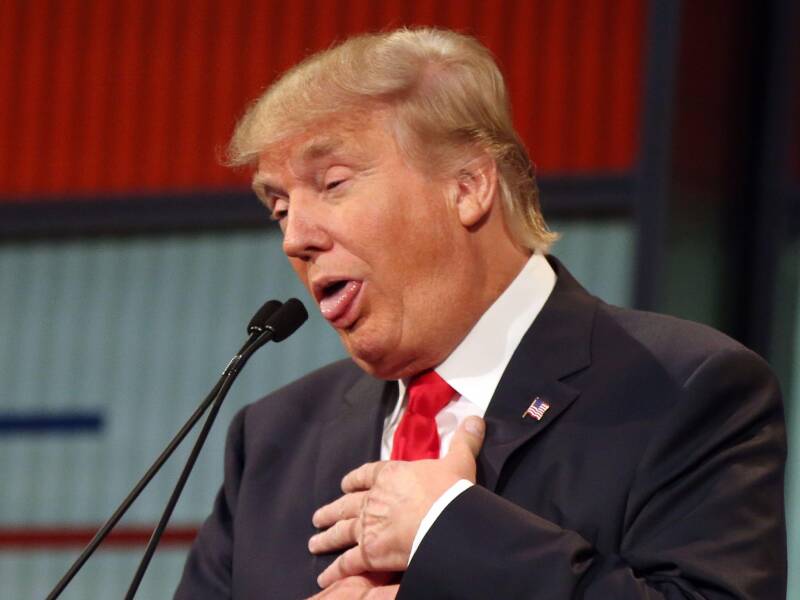
In recent days, the world has watched with disbelief as a troubling spectacle unfolded: a South American woman, rightfully awarded a Nobel Prize for her courage and contributions, was publicly encouraged to hand her award to a political figure who did not earn it. The mere suggestion has sparked global concern, not because of the woman’s generosity, but because of what such an act would symbolize.
As someone who has spent decades working across nations, advising leaders, and advocating for justice, I feel compelled to speak clearly: no leader should accept a prize they did not earn. Not for symbolism, not for vanity, and certainly not for political theatre.
The Nobel Prize is not a souvenir. It is not a token to be traded, borrowed, or displayed for prestige. It is a recognition of sacrifice, intellect, and service to humanity. To accept a Nobel Prize won by another person—especially someone from a nation whose political destiny one has publicly questioned—would not elevate the recipient. It would diminish the honor itself.
Across the United States and around the world, many observers have expressed discomfort at the idea of a leader collecting honorary “peace prizes” while simultaneously criticizing the very institutions that award them. Such contradictions do not strengthen a nation’s image; they weaken it. They invite ridicule, confusion, and mistrust.
If a leader truly deserves a Nobel Prize, the world will see it. The committee will award it. History will record it. Greatness is earned, not borrowed.
To accept a Nobel Prize voluntarily offered by someone who fought for it, suffered for it, and won it through merit would be an act overshadowed by embarrassment. It would raise questions about insecurity, jealousy, and the desire to imitate predecessors rather than surpass them through authentic achievement.
As a global health diplomat, minister, and advisor to leaders across continents, I urge restraint. I urge dignity. I urge respect for the institutions that uphold global honor and recognition.
To the political figure at the center of this controversy, I say this respectfully but firmly: Spare your nation, your family, and your supporters the shame. Allow the rightful laureate to keep her Nobel Prize. Do not seek honors from organizations you publicly criticize. Leadership demands consistency, humility, and integrity.
The world is watching. History is recording. And the legacy of every leader is shaped not only by what they achieve, but by what they refuse to take.
Signed, His Eminence, Excellency Minister Dr. Ntuba Akwo Thompson
EDITORIAL

WHO / Chris Black, conclusion of discussions on the Pandemic Agreement in Committee at the World Health Assembly 2025.
Looking back on 2025, the year has been marked by immense achievements and profound challenges for global health. In the face of major funding cuts and increasing threats to science and solidarity, WHO continued to lead and champion global efforts to confront the biggest health challenges of our time.
From governments adopting the world’s first Pandemic Agreement and expanding access to life-saving medicines, to tackling climate-related health risks, WHO reaffirmed both the central role of evidence in health and our enduring relevance to the health of all people, everywhere.
Victories for disease control
Amidst many challenges, 2025 delivered significant victories for disease control and elimination.
Elimination of mother-to-child disease transmission
Maldives became the first country to achieve “triple elimination” of mother-to-child transmission of HIV, syphilis and hepatitis B. Brazil was also recognized for eliminating mother-to-child transmission of HIV, making it the most populous country in the Americas to achieve this historic milestone.
Decline in deaths from tuberculosis
Tuberculosis (TB) deaths declined significantly, with the WHO African and European regions achieving 46% and 49% reductions over the past decade. Yet TB still killed 1.2 million people in 2024, underscoring the need to address risk factors like HIV, diabetes, smoking and undernutrition.
EDITORIAL
🌎 THE VENEZUELA–UNITED STATES CRISIS: A FICTIONAL GEOPOLITICAL DRAMA


🌎 THE VENEZUELA–UNITED STATES CRISIS: A FICTIONAL GEOPOLITICAL DRAMA
Chapter 1 — A Capture That Shook the World
The world awoke to chaos.
News broke that U.S. special forces, acting under direct presidential orders and without congressional authorization, had crossed into Venezuelan territory and captured President Nicolás Maduro and his wife. Within hours, global reactions poured in—condemnation, disbelief, and fear of a widening conflict.
The United States government justified the operation by citing long‑standing allegations of narcotics trafficking and support for armed groups inside Venezuela. But for many nations, the legality of the operation overshadowed the accusations.
Across Latin America, leaders denounced the raid as a violation of sovereignty, recalling decades of tension between Washington and Caracas. The legacy of Hugo Chávez, who had openly challenged U.S. influence and built alliances with Cuba and other regional partners, still shaped the political landscape. Maduro, his protégé, had continued many of those policies, keeping relations strained.
Chapter 2 — A Nation Divided
Inside the United States, the political shockwave was immediate.
Members of Congress demanded answers. Some lawmakers argued that the president’s unilateral military action—without approval from Congress or authorization from the United Nations—constituted a grave abuse of power. They raised the possibility of impeachment, insisting that no leader should bypass constitutional limits.
Others, particularly within the president’s own party, praised the operation as a decisive strike against criminal networks. They argued that the Supreme Court’s recent ruling on broad presidential immunity for official acts shielded the president from prosecution while in office.
The nation found itself split between two narratives: one of bold leadership, and another of unchecked executive power.
Chapter 3 — The International Outcry
Across the globe, the reaction was swift and intense.
-
Russia, Iran, and several Latin American governments condemned the operation as an act of aggression.
-
The European Union urged restraint, calling for adherence to international law and immediate diplomatic dialogue.
-
Human rights organizations warned that the precedent could destabilize global norms governing sovereignty and the treatment of heads of state.
A question echoed through diplomatic circles: If one nation can seize another country’s president, what prevents others from doing the same?
Could a foreign power declare a U.S. president a criminal and attempt a similar operation on American soil? International legal scholars debated the implications, noting that such actions—if normalized—could unravel the foundations of global diplomacy.
Chapter 4 — A World on Edge
The crisis deepened as Venezuela mobilized its military and called for emergency meetings at the United Nations. Protests erupted in multiple countries. Oil markets trembled. Regional alliances hardened.
Inside the United States, congressional hearings began. Legal experts testified about war powers, executive authority, and the limits of presidential immunity. The debate over impeachment intensified, though no consensus emerged.
The world watched, uncertain whether diplomacy or escalation would prevail.
Chapter 5 — The Unanswered Questions
As the crisis unfolded, several unresolved issues loomed:
-
Would the United States return the captured Venezuelan president?
-
Would Congress pursue impeachment proceedings?
-
Would international courts intervene?
-
Would other nations attempt similar actions in the future?
The answers remained unclear, but one truth was undeniable: The global order had entered a dangerous new chapter, where the boundaries of power, law, and sovereignty were being tested in unprecedented ways.
BY DR NTUBA , THOMPSON AKWO CHIEF EDITOR
Statement by WHO Director-General on recent attacks in South Kordofan State, Sudan


Statement by WHO Director-General on recent attacks in South Kordofan State, Sudan
Dear members of the media,
Please find below a statement from WHO Director-General Dr Tedros Adhanom Ghebreyesus on the 4 December attacks reported in South Kordofan, Sudan, where WHO confirmed reports at multiple locations in the town of Kalogi.
Repeated strikes in Sudan’s South Kordofan state hit a kindergarten and, at least three times, the nearby Kalogi Rural Hospital, killing 114 people, including 63 children, and injuring 35 people, according to WHO’s Attacks on Health Care monitoring system.
Survivors from the 4 December attacks have been moved to Abu Jebaiha Hospital, in South Kordofan for treatment, and urgent calls are being made for blood donations and other medical support.
Disturbingly, paramedics and responders came under attack as they tried to move the injured from the kindergarten to the hospital.
WHO deplores these senseless attacks on civilians and health facilities, and calls again for an end to the violence, and increased access to humanitarian aid, including health.
Sudanese have suffered far too much. Ceasefire now!
Virginia and New Jersey elect Democratic women governors in historic 2025 races, signaling voter frustration with President Trump's economic policies and federal shutdown.

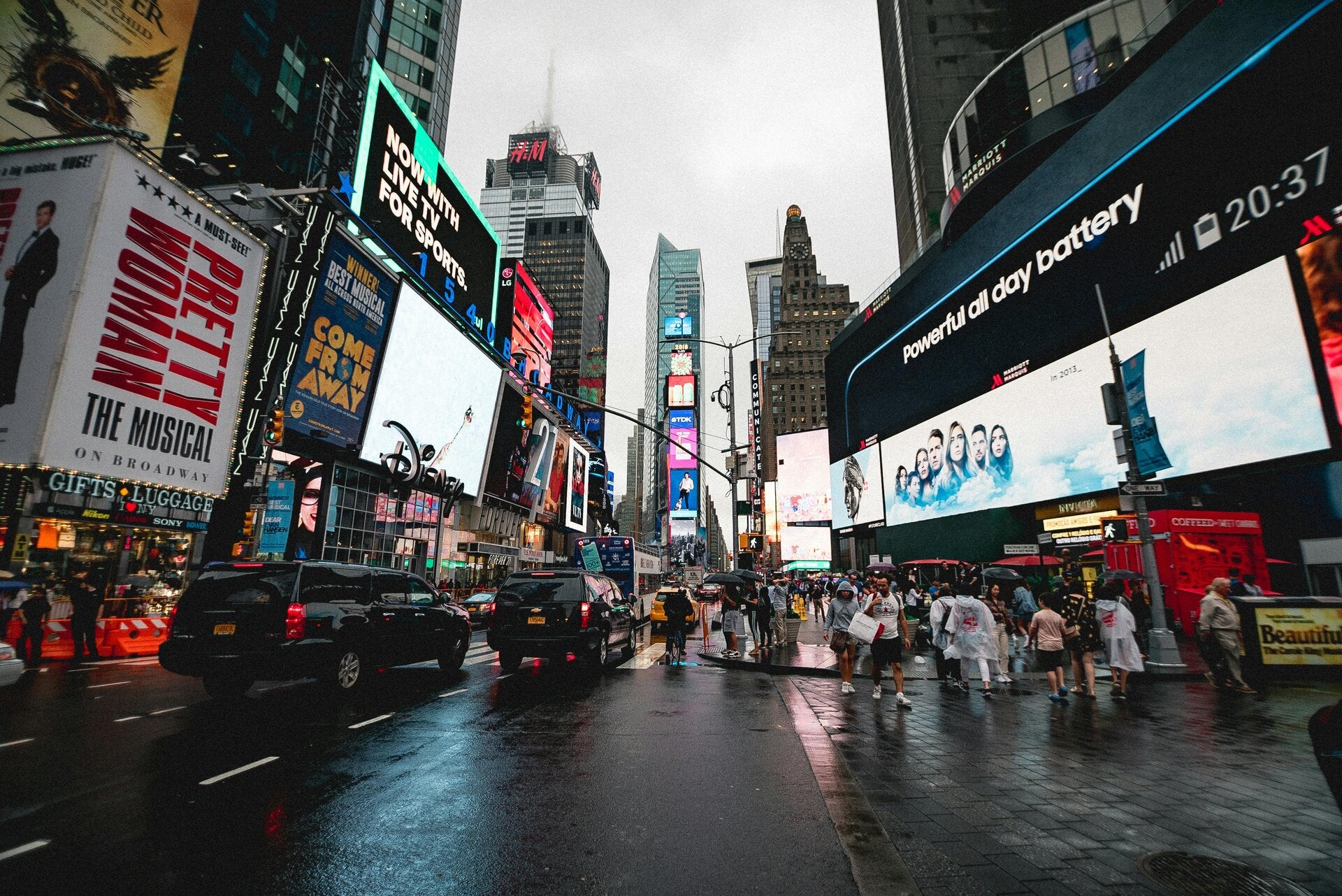

Virginia and New Jersey elect Democratic women governors in historic 2025 races, signaling voter frustration with President Trump's economic policies and federal shutdown.
🗳️ A Historic Shift in Leadership
In a landmark moment for American politics, Abigail Spanberger in Virginia and Mikie Sherrill in New Jersey have been elected as governors, becoming the first Democratic women to hold these positions in their respective states. Their victories mark a significant shift in voter sentiment during President Donald Trump's second term, especially in states that have previously leaned Republican or been politically divided.
-
Spanberger flipped Virginia from Republican control, defeating Lt. Gov. Winsome Earle-Sears by nine points.
-
Sherrill secured New Jersey’s governorship, continuing Democratic control for a third consecutive term.
These wins are not just symbolic—they reflect growing dissatisfaction among voters, including many who previously supported Trump.
💬 Trump Responds to Election Losses
President Trump acknowledged the election results as a setback for the Republican Party, attributing the losses to the ongoing federal government shutdown. He stated that the shutdown had created widespread frustration, particularly around economic issues and public services.
-
Health care subsidies have been reduced, affecting millions of low-income families.
-
SNAP benefits (Supplemental Nutrition Assistance Program) have faced delays and cuts, deepening food insecurity.
These policy challenges have hit working-class Americans hard, and many voters appear to be holding the administration accountable.
📉 Economic Discontent Among Trump Voters
Even among Trump’s base, there are signs of disillusionment. The economic strain caused by inflation, reduced federal support, and uncertainty around healthcare has led many to reconsider their political loyalties.
-
Voters in swing counties cited affordability, healthcare access, and education as key issues driving their decisions.
-
The Democratic candidates focused on centrist platforms that emphasized restoring public trust and protecting essential services.
🔍 What This Means Going Forward
The 2025 elections may serve as a bellwether for upcoming midterms. With Democrats sweeping key races across the country—including mayoral wins and redistricting victories in California—momentum appears to be shifting.
These results suggest that Americans are demanding more responsive governance, especially in areas that affect daily life. The historic wins by Spanberger and Sherrill are not just political milestones—they are a clear message from the electorate.
Sources:
Zohran Mamdani’s election as New York City mayor sparks global reactions
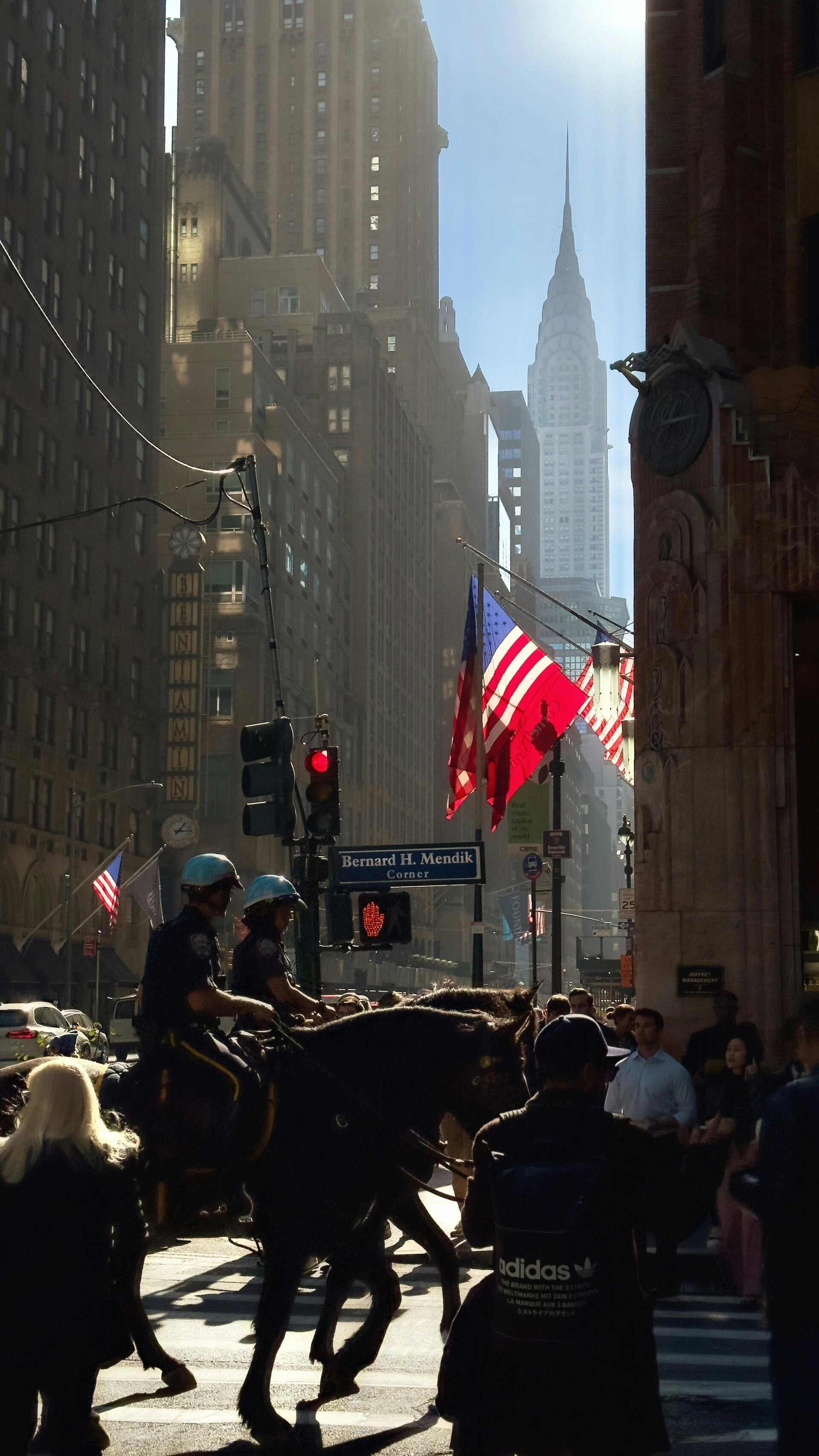

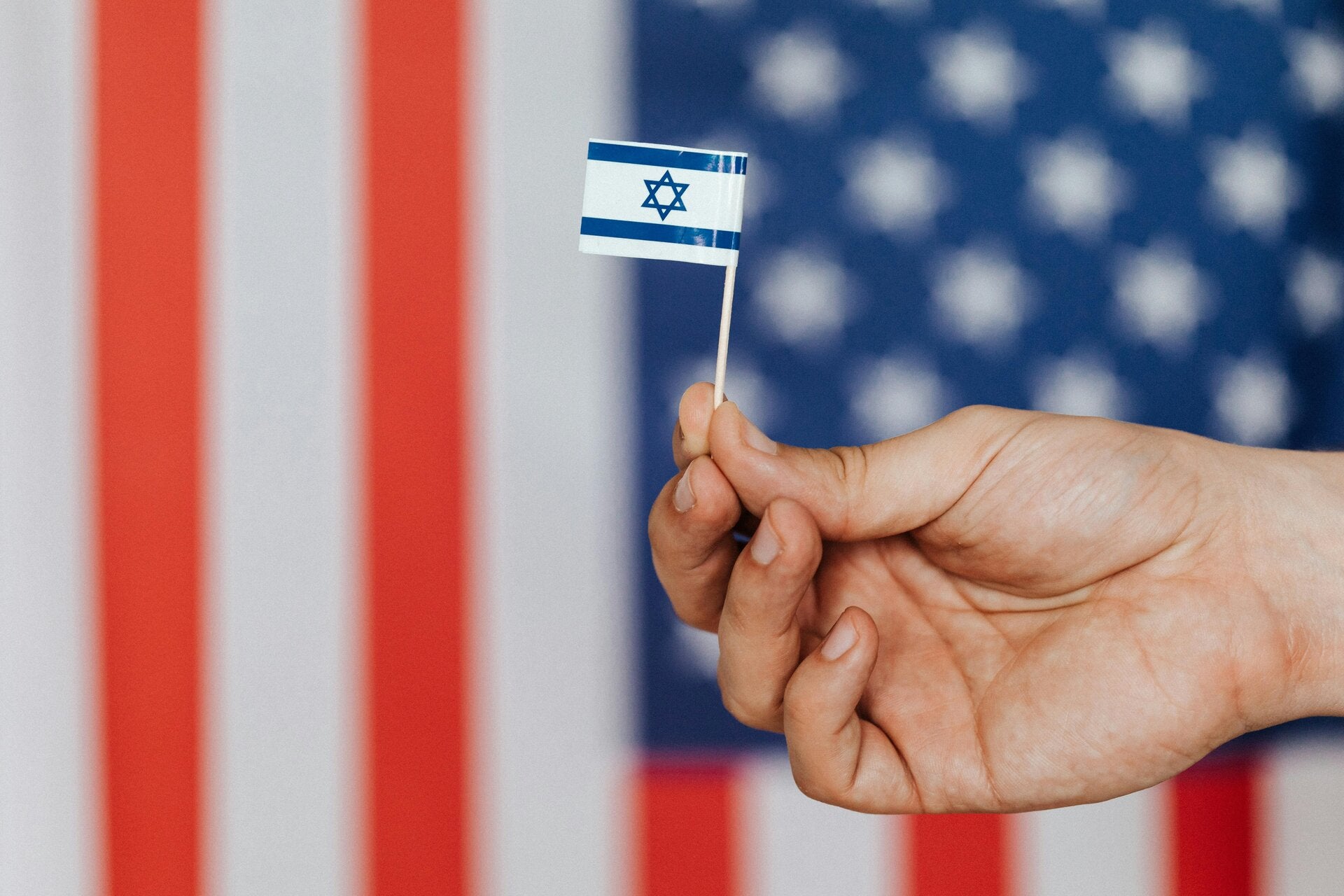

Zohran Mamdani’s election as New York City mayor sparks global reactions, with Jewish and Israeli communities expressing concern, while voices like Dr. Ntuba Akwo Thompson urge dialogue and faith in democratic systems.
New York City, November 2025 — The election of Zohran Mamdani as the 111th mayor of New York City has ignited a wave of reactions across political, religious, and international communities. Mamdani, a 34-year-old democratic socialist and the city’s first Muslim mayor, won the race by energizing young and progressive voters with a platform focused on affordability and social justice.
Jewish and Israeli communities in New York, home to the largest Jewish population outside Israel, have voiced deep concern over Mamdani’s past positions on Israel and Palestine. Former Governor Andrew Cuomo, who received overwhelming support from Jewish voters, lost to Mamdani despite polling at nearly 68% among Jewish New Yorkers compared to Mamdani’s 33%.
Israeli officials have responded with alarm. Itamar Ben-Gvir, a prominent figure in Israeli politics, called Mamdani’s victory “a disgrace that will be remembered forever,” accusing him of sympathizing with Hamas and being antagonistic toward Israel. Gilad Erdan, Israel’s former ambassador to the UN and U.S., posted on X: “An Israel-hater who sees us as an apartheid genocidal state now leads the most important city in the world, home to the largest Jewish population outside Israel”.
Former Israeli Defense and Foreign Minister Avigdor Lieberman went further, urging Jewish New Yorkers to “return home” to Israel, describing Mamdani as a “poster boy for silent jihad” and lamenting that “the Big Apple has fallen.”
Yet amid the outrage, voices of moderation have emerged. Dr. Ntuba Akwo Thompson, Chief Editor of Healthndevelopment Magazine (HND), offered a more measured perspective. In a statement, Dr. Thompson emphasized that New York’s Jewish community, with its strong political bargaining power, should engage constructively with Mayor-elect Mamdani. He urged calm and faith in the democratic system that has historically empowered diverse communities.
Dr. Thompson condemned all forms of antisemitism and terrorism, while also affirming the human dignity and rights of all people, including Muslims in Gaza and Palestine. “All humans bear the image of God,” he stated, “and their rights must be defended and protected.” He denounced apartheid, racism, and the use of innocent civilians as shields for violence in the name of religion.
As tensions rise, Dr. Thompson called for dialogue, not division, reminding New Yorkers that the same system that elected Mamdani also gave Jewish Americans the opportunity to thrive and lead. He pointed to groups like J Street, which advocate for a two-state solution in the Middle East, as examples of constructive engagement.
Mamdani himself, while previously critical of Israeli policies, has softened his stance, affirming that Israel has a right to self-defense, just as Palestinians do. His campaign focused on domestic issues like housing and taxation, though his foreign policy views remain under scrutiny.
The election marks a pivotal moment in the evolving relationship between the United States and Israel, with some observers warning that similar political shifts could influence Congress, the White House, and the judiciary in the years ahead.
Sources: CBS News: Mamdani wins NYC mayoral election CBS News: Global reactions to Mamdani’s win
Americans Vote Nationwide in November 2025 Elections


On November 4, 2025, Americans across the country turned out in large numbers to vote in pivotal local and state elections, with high-profile mayoral races and constitutional propositions drawing national attention.
Across the United States, citizens formed long lines at polling stations in libraries, community centers, and public parks to cast their ballots in the November 4, 2025 elections. From New York City to Austin, voters engaged in decisions that could reshape local governance and influence national political dynamics ahead of the 2026 midterms.
🗽 Spotlight on New York City: Mamdani Leads in Historic Mayoral Race
One of the most closely watched contests is the New York City mayoral race, where Zohran Mamdani, a 34-year-old democratic socialist and state assemblyman, is leading in the polls against former Governor Andrew Cuomo, now running as an independent, and Republican Curtis Sliwa. Mamdani’s campaign, rooted in progressive economic reforms and housing justice, has energized young voters and immigrant communities.
President Donald Trump, who has weighed in on the race, warned that federal funding for New York projects could be jeopardized if Mamdani wins, signaling the high stakes and partisan tensions surrounding the election.
🌆 Southern Cities Choose New Mayors
In San Antonio, Texas, voters elected Gina Ortiz Jones as mayor in a runoff against Rolando Pablos, marking a shift in city leadership. Meanwhile, New Orleans held its first open mayoral election in decades, with Helena Moreno winning decisively over Royce Duplessis and Oliver Thomas. The race was notable for breaking away from traditional political dynasties and reflecting a new era of civic engagement in Louisiana.
🏛️ Austin Votes on Propositions and Local Issues
In Austin, Texas, voters tackled a mix of city and state-level propositions. The most prominent was Proposition Q, a city tax rate increase aimed at expanding housing affordability programs, improving parks, and enhancing public safety. At the state level, Texans voted on 17 constitutional amendments, including measures on water infrastructure, education funding, and property tax relief.
📸 Documenting Democracy: Dr. Ntuba Akwo Thompson Captures the Moment
Dr. Ntuba Akwo Thompson, Chief Editor of HealthNDevelopment Magazine and Media, has been on the ground documenting voter turnout and civic participation. His coverage includes images of voters lining up at city libraries, community centers, and parks, showcasing the diversity and determination of Americans exercising their democratic rights.
These visual records serve not only as journalistic documentation but also as cultural testimony to the enduring spirit of civic engagement in communities across the country.
As the results unfold, the November 2025 elections reflect a nation grappling with change, leadership transitions, and the power of local voices in shaping the future.
DR NTUBA , THOMPSON AKWO ADDRESS TO THE CAMEROONIAN PEOPLE .

DR NTUBA , THOMPSON AKWO ADDRESS TO THE CAMEROONIAN PEOPLE .
Opening
My brothers and sisters, sons and daughters of Cameroon, today we gather not in silence, but in truth. The silence of our streets on ghost town days is not emptiness — it is a message. It is the voice of the people, spoken without words, declaring that the government of President Paul Biya does not command the trust, the control, or the massive following it claims.
Body
When markets close, when schools are empty, when businesses lock their doors, it is not because the people are lazy or unwilling to work. It is because they are making a choice. A choice to show the world that they will not be ruled by fear, by neglect, or by broken promises.
Ghost towns are not a weakness. They are a form of collective strength. They prove that the people — ordinary men and women, mothers and fathers, students and workers — are united in their demand for justice, dignity, and change.
If a government truly had the support of its people, the streets would be alive with activity, not deserted in protest. If a leader truly commanded loyalty, the people would not need to shut down their own livelihoods to be heard. The ghost towns are evidence, clear and undeniable, that the people’s will is stronger than the government’s control.
Call to Action
Let us not mistake silence for defeat. Our silence is strategic. Our silence is powerful. Our silence is a declaration that Cameroon belongs to its people, not to a single man or a small circle of cronies.
But silence alone is not enough. We must continue to organize, to speak, to write, to march, and to vote. We must transform ghost towns into living movements for freedom, democracy, and accountability.
Closing To the world.
We say: look at our empty streets and see not despair, but determination. To the government, we say: you cannot claim control when the people themselves have withdrawn it. And to ourselves, we say: let us remain steadfast, for the day will come when our silence gives way to songs of victory, and Cameroon will rise again — free, just, and united.
🌺 “Beyond the Grave: A Historical Reflection on Muete Celebrations in Austin”


🌺 “Beyond the Grave: A Historical Reflection on Muete Celebrations in Austin”
Documented by Dr. Ntuba Akwo Thompson
In the heart of Austin, Texas—where cultures converge and stories intertwine—Republic Park became a living canvas of remembrance, resilience, and reverence. As October turned to November in 2025, Latino and Hispanic communities gathered in great numbers to honor Muete, a sacred celebration that transcends the veil between life and death.
Unlike Halloween, which often centers on costumes, fear, and fantasy, Muete is rooted in ancestral tribute. It is a spiritual and cultural observance that recognizes the contributions of the departed—not merely as memories, but as active legacies that shape the living. Altars adorned with marigolds, candles, and portraits stood as testaments to lives that continue to speak.
Dr. Ntuba Akwo Thompson, international physician, preacher, and cultural archivist, walked among the celebrants, engaging in dialogue and documentation. When he asked participants why Muete coincided with Halloween, they responded with clarity and conviction:
“They are not the same. Halloween is about fear. Muete is about honor. We celebrate the impact of those who came before us—what they built, what they taught, what they left behind.”
The park pulsed with life. Dancers in traditional attire moved to rhythms that echoed across generations. Food stalls offered tamales, pan de muerto, and sweet calaveras—each bite a communion with heritage. Families from diverse backgrounds—African, Asian, Anglo, Indigenous—joined in solidarity, witnessing a celebration that was both deeply personal and profoundly communal.
Children painted sugar skulls. Elders told stories. Musicians played corridos that spoke of love, struggle, and triumph. And through it all, Dr. Ntuba’s lens captured the essence of the moment—photos and videos that now serve as a visual archive of cultural diplomacy, spiritual reflection, and interethnic unity.
This Muete celebration was more than an event—it was a living history, a reminder that the dead are not gone, but present in our values, our rituals, and our resistance. It was a call to remember that legacy is not buried—it is activated.
In a time when division often dominates headlines, Republic Park became a sanctuary of shared humanity. And through the work of Dr. Ntuba Akwo Thompson, this moment has been preserved—not just for memory, but for movement.
🎃 Dr. Ntuba Akwo Thompson Reflects on Halloween in America: Culture, Controversy, and Community


🎃 Dr. Ntuba Akwo Thompson Reflects on Halloween in America: Culture, Controversy, and Community
Dr. Ntuba Akwo Thompson, international physician, preacher, and cultural archivist, has been closely studying the traditions and transformations of Halloween across the United States. His recent fieldwork—from church festivals to downtown street celebrations—offers a nuanced view of how this seasonal event blends joy, mystery, and spiritual tension.
👻 From Church Courtyards to Sixth Street: A Tale of Two Celebrations
At Red Rocks Church, the Kids’ Halloween Fest was a vibrant gathering of families, teens, and children. The event featured hot dogs, drinks, candy treats, and festive games—creating a safe and joyful space for community bonding. In contrast, on October 30th, downtown Austin—especially the iconic Sixth Street—came alive with music, dancing, and elaborate costumes. Crowds of revelers filled the streets, celebrating with theatrical flair and nightlife energy.
Dr. Ntuba documented both scenes, noting how Halloween serves as a cultural bridge: uniting families in faith-based settings while also drawing diverse crowds into public spaces for entertainment and expression.
🕯️ Ancient Roots and Modern Reactions
Through his research, Dr. Ntuba traced Halloween’s origins to ancient pagan rituals, particularly the Celtic festival of Samhain, which marked the end of harvest and the beginning of winter. These roots—steeped in beliefs about spirits crossing into the mortal world—have influenced mixed reactions among faith communities today.
While many embrace Halloween as harmless fun, others view it with caution. Spiritual leaders like the late Minister Rebecca Brown, author of Prepare for War and He Came to Set the Captives Free, warned of occult practices associated with the holiday. Her writings describe rituals, sacrifices, and spiritual warfare that she believed intensified during Halloween, especially in hidden covens.
🎃 The Pumpkin: A Symbol Few Understand
Pumpkins remain a staple of Halloween décor, yet their symbolic meaning is often overlooked. Historically, carved pumpkins—known as jack-o’-lanterns—were used to ward off evil spirits. Today, they serve as cheerful emblems of fall, creativity, and community. Dr. Ntuba’s documentation of pumpkin displays, including vibrant arrangements outside churches and storefronts, highlights their enduring role in seasonal storytelling.
🌟 The Pros and Cons of Halloween
Benefits:
-
Encourages community gatherings and family bonding
-
Sparks creativity through costumes and decorations
-
Marks the unofficial start of the U.S. holiday season
-
Boosts local economies through events and retail
Concerns:
-
Overuse of haunted imagery and horror themes
-
Spiritual unease among faith communities
-
Reports of occult rituals and animal harm in fringe groups
-
Confusion between cultural fun and spiritual symbolism
✨ A Season of Reflection and Renewal
As homes across the country begin to glow with holiday lights, Dr. Ntuba sees Halloween as a cultural threshold—one that invites both celebration and discernment. His work encourages communities to reflect on the deeper meanings behind traditions, honor their spiritual convictions, and find unity in shared experiences.
Whether through joyful church festivals or critical theological inquiry, Dr. Ntuba’s lens offers a powerful reminder: every season carries the potential for healing, legacy, and truth.
🕊️ Reimagining the UN’s PhD Framework in Peace, Human Rights, and Development: A Call for Reform by Dr. Ntuba Akwo Thompson


🕊️ Reimagining the UN’s PhD Framework in Peace, Human Rights, and Development: A Call for Reform by Dr. Ntuba Akwo Thompson
In a world increasingly defined by complex crises—conflict, inequality, displacement, and climate disruption—the United Nations’ academic and policy frameworks must evolve to meet the moment. Among these, the PhD programs in Peace, Human Rights, and Development, often affiliated with UN-supported institutions and global partnerships, require urgent and thoughtful review. Dr. Ntuba Akwo Thompson, a seasoned global health and development expert, raises a clarion call for reform, rooted in decades of field experience and policy engagement.
📚 The Promise and the Problem
The UN’s doctoral initiatives in peace and development were designed to cultivate a new generation of scholar-practitioners—individuals equipped to bridge theory and action across borders. These programs, often interdisciplinary, aim to blend law, political science, sociology, and economics to address systemic injustice and promote sustainable peace.
Yet, as Dr. Ntuba argues, the promise has not matched the practice:
-
Overly Academic: Many programs remain trapped in theoretical silos, disconnected from the lived realities of conflict zones, refugee camps, and underserved communities.
-
Limited Accessibility: Despite UN ideals of inclusivity, access to these programs remains skewed toward elite institutions and privileged demographics.
-
Insufficient Field Integration: Internships and fieldwork are often token gestures, lacking depth, cultural sensitivity, or real-world impact.
🌍 Dr. Ntuba’s Vision for Reform
Drawing from his work with Health Consulting International and his leadership in community health across Africa and the diaspora, Dr. Ntuba proposes a three-pronged reform strategy:
1. Grounded Curriculum
PhD programs must be rooted in community realities, not just academic literature. This means integrating case studies from conflict zones, indigenous rights movements, and grassroots development efforts.
2. Equitable Access
UN-affiliated institutions should prioritize scholarships for students from marginalized regions, especially those directly affected by the issues they study. Representation must be more than symbolic—it must be structural.
3. Action-Oriented Research
Doctoral work should produce policy-relevant, implementable solutions, not just publications. Students must be trained to engage with governments, NGOs, and civil society in real time.
🕊️ A Legacy of Advocacy
Dr. Ntuba’s critique is not merely academic—it is personal. As a Cameroonian-American physician and public health strategist, he has witnessed firsthand the disconnect between global policy and local impact. His advocacy is shaped by a legacy of leadership, including the musical and spiritual influence of his father, Minister George Ntuba Ntuba, whose gospel ministry united divided communities.
Just as his father’s voice brought healing through song, Dr. Ntuba’s voice now calls for healing through reform.
✍️ Conclusion: Toward a More Just Future
The UN’s PhD programs in Peace, Human Rights, and Development must evolve—not just to reflect the world as it is, but to shape the world as it should be. Dr. Ntuba’s call is clear: We need scholar-activists, not scholar-tourists. We need programs that empower, not just educate.
The time for review is now. The time for transformation is overdue.


Dr. Ntuba Akwo Joins Harris County Leaders at 2025 State of the County Address
📰 Editorial
A Call to Preserve America's Global Health Leadership By Dr. Ntuba Akwo, International Physician, Preacher, Politician, and Publisher of HealthnDevelopment Magazine

In a time when the world continues to grapple with the aftermath of a global pandemic, the United States stands at a critical crossroads in its public health journey. As an international physician and advocate for sustainable development, I, Dr. Ntuba Akwo, urge the leadership of the U.S. Senate—particularly the Physician Chair of the Health and Labor Committee—to act decisively to prevent the collapse of the public health arm of the Department of Health and Human Services (HHS).
The Centers for Disease Control and Prevention (CDC), once a beacon of scientific excellence and global health leadership, now faces unprecedented internal turmoil. The recent wave of resignations and dismissals of highly qualified professionals—many of whom have contributed to the prestige of American global health institutions—signals a troubling shift. These developments threaten not only the integrity of the CDC but also America's standing as a global health leader.
💉 Vaccines: A Proven Tool, Not a Political Pawn Vaccines have added nearly three decades to life expectancy in industrialized nations. They are not merely medical interventions—they are triumphs of evidence-based science. Yet, the politicization of health policy risks undermining these achievements. Decisions at the CDC and other health institutions must be driven by scientific evidence, not by political appointees lacking expertise in medicine, surgery, or global health.
📣 A Warning from the Front Lines Having recently addressed bioscientists in New Orleans, I witnessed firsthand the growing concern among experts about the erosion of scientific autonomy in public health policy. The right to appoint and dismiss officials lies with the President and his administration, but when it comes to health—where lives hang in the balance—partisan decision-making must be set aside.
🇺🇸 A Message to President Trump I respectfully call on President Trump to reflect on the public's response to his COVID-19 policies and reconsider his approach to HHS and its associated institutions. The health of Americans—and indeed, the world—depends on a robust, scientifically grounded public health infrastructure.
🌍 America’s Role in Global Health Should current trends persist, the United States risks losing its leadership status in global health. This would be a loss not only for America but for the entire international community that looks to the U.S. for innovation, guidance, and support in times of crisis.
Let us not allow political tides to erode the foundations of public health. Let us reaffirm our commitment to science, to life, and to leadership.
✨ A Legacy of Faith and Healing: Honoring Dodie Osteen

✨ A Legacy of Faith and Healing: Honoring Dodie Osteen
In the tapestry of American Christianity, few names shine as brightly as Dodie Osteen—a woman whose unwavering faith, miraculous healing, and enduring ministry have inspired millions. On behalf of His Eminence Excellency Minister Dr. Ntuba, Ntuba Ministries, the Global Charismatic Body, and the Church of Jesus Christ, we extend heartfelt congratulations and gratitude to Dodie Osteen, co-founder of Lakewood Church, USA.
🌿 A Journey of Miraculous Healing
More than a decade ago, Dodie Osteen faced one of life’s fiercest battles: pancreatic cancer. With a diagnosis that many considered terminal, she turned not only to medical care but to the healing power of prayer and faith. Her recovery became a living testimony to divine intervention and the power of belief. Since then, she has remained a pillar of encouragement and spiritual strength at Lakewood Church, ministering alongside her children and emphasizing the healing ministry that saved her life.
🕊️ A Family Rooted in Ministry
Dodie’s legacy is deeply intertwined with her family’s spiritual journey. As the wife of the late Pastor John Osteen, she helped lay the foundation for what would become one of the largest churches in America. Her son, Minister Joel Osteen, now leads Lakewood Church with a message of hope and positivity that reaches millions worldwide. Her other son, Dr. Paul Osteen—a surgeon and associate pastor—continues her legacy of compassion through Mobilizing Medical Missions, a ministry that has touched lives across the globe.
Each time Minister Dr. Ntuba visited Lakewood Church Richmond, Dodie’s presence was a beacon of encouragement, especially in support of medical missionary mobilization. Her warmth and spiritual insight left an indelible mark on all who encountered her.
🔥 From Denomination to Destiny
The Osteen family's transition from the Baptist denomination into independent ministry was a bold move that reshaped the landscape of American Christianity. Lakewood Church, now with an estimated membership of over 50,000, stands as a testament to what faith, vision, and perseverance can achieve. It is not merely a church—it is a movement, a sanctuary of healing, and a global voice of hope.
🙌 A Lasting Impact
Dodie Osteen’s life is a living sermon—one of resilience, grace, and divine purpose. Her legacy continues through the ministries she helped birth, the lives she’s touched, and the faith she’s ignited in countless hearts. As we honor her today, we also celebrate the enduring power of faith and the extraordinary legacy of the Osteen family.
A Presidency Pushback: Obama Team Rebukes Trump’s Treason Claims Amid Epstein Distractions


In a week already thick with controversy, former President Barack Obama’s spokesperson has issued a rare rebuke to claims made by Donald Trump, following sensational accusations implying acts of treason. The statement came on the heels of revived attention toward the Epstein files—a topic that continues to cast shadows over a broad political spectrum and appears to be sparking diversionary tactics.
Trump's attempt to cast blame on President Obama has raised eyebrows, particularly as legal analysts and watchdogs scrutinize high-profile connections surfacing in Epstein-related disclosures. Critics suggest the latest rhetoric from Trump may be a strategic ploy to redirect attention away from increasingly complex legal entanglements.
In response, Obama’s spokesperson, Patrick Rodenbush, didn’t mince words:
“Out of respect for the office of the presidency, our office does not normally dignify the constant nonsense and misinformation flowing out of this White House with a response. But these claims are outrageous enough to merit one.”
Calling the claims “bizarre” and “a weak attempt at distraction,” Rodenbush emphasized that there is no factual foundation to Trump’s accusations. He further cited longstanding conclusions from intelligence authorities:
“Nothing in the document issued last week undercuts the widely accepted conclusion that Russia worked to influence the 2016 presidential election but did not successfully manipulate any votes.”
Those conclusions were later reaffirmed by the bipartisan Senate Intelligence Committee in a 2020 report led by then-Chairman Senator Marco Rubio, lending weight to the enduring consensus around foreign election interference.
Political analysts note this exchange adds fuel to the growing tension between post-presidency narratives and active political campaigning. It also points to a broader dilemma: how to address inflammatory allegations without legitimizing them through response.
As the nation approaches another election cycle, truth-telling and accountability remain more critical than ever. Whether this marks the beginning of a renewed public stance from the Obama camp or a one-off correction, it signals a firm line against what they deem reckless historical revisionism.
Muhammadu Buhari: A Legacy of Discipline, Leadership, and Service


Nigeria and the world bid farewell to one of Africa’s most enduring statesmen, Muhammadu Buhari, who passed away in the United Kingdom on July 13, 2025, following a prolonged illness. He was 82.
Born in Daura, Katsina State, Buhari first rose to prominence as a military officer, eventually becoming Nigeria’s Head of State from 1983 to 1985, following a coup that ousted the civilian government of President Shehu Shagari. During his military rule, he was seconded by General Tunde Idiagbon, a fellow disciplinarian from Ilorin, and together they launched the War Against Indiscipline, a campaign aimed at restoring order, accountability, and moral rectitude in public life.
After decades in public service and several attempts at the presidency, Buhari made history in 2015 when he became the first opposition candidate to defeat an incumbent president in Nigeria’s democratic era. He was re-elected in 2019, serving two full terms until 2023. His civilian presidency was marked by a strong anti-corruption drive, infrastructural development, and efforts to stabilize Nigeria’s economy and security landscape.
🕯️ Tributes from Around the Globe
Following the announcement of his death, global leaders expressed their condolences, recognizing Buhari’s contributions to Nigeria and the African continent. Indian Prime Minister Narendra Modi (possibly referenced as "Morandi Mordi") described Buhari as a man of “wisdom, warmth, and unwavering commitment to India–Nigeria friendship”. African heads of state, including those from South Africa, Tanzania, Sierra Leone, and Ethiopia, hailed Buhari as a Pan-Africanist, a champion of regional integration, and a symbol of integrity and discipline3.
President Bola Ahmed Tinubu, Buhari’s successor, declared a seven-day national mourning period, with flags flown at half-mast across Nigeria.
🏡 Final Journey to Daura
In accordance with Islamic rites, Buhari was buried in his hometown of Daura, Katsina State, on July 15, 20256. The ceremony was attended by dignitaries, family members, and citizens from across the country. A military parade and 21-gun salute honored his service as both a military and civilian leader.
Buhari’s legacy remains complex yet impactful. To many, he was a symbol of moral rigor and national discipline. To others, his tenure reflected the challenges of governing a diverse and dynamic nation. Yet, few dispute his unwavering commitment to Nigeria’s unity and sovereignty.
As Nigeria reflects on his life and leadership, Muhammadu Buhari will be remembered as a man who came, saw, and served—with conviction, restraint, and a deep belief in the promise of his country.
BY DR NTUBA , THOMPSON AKWO
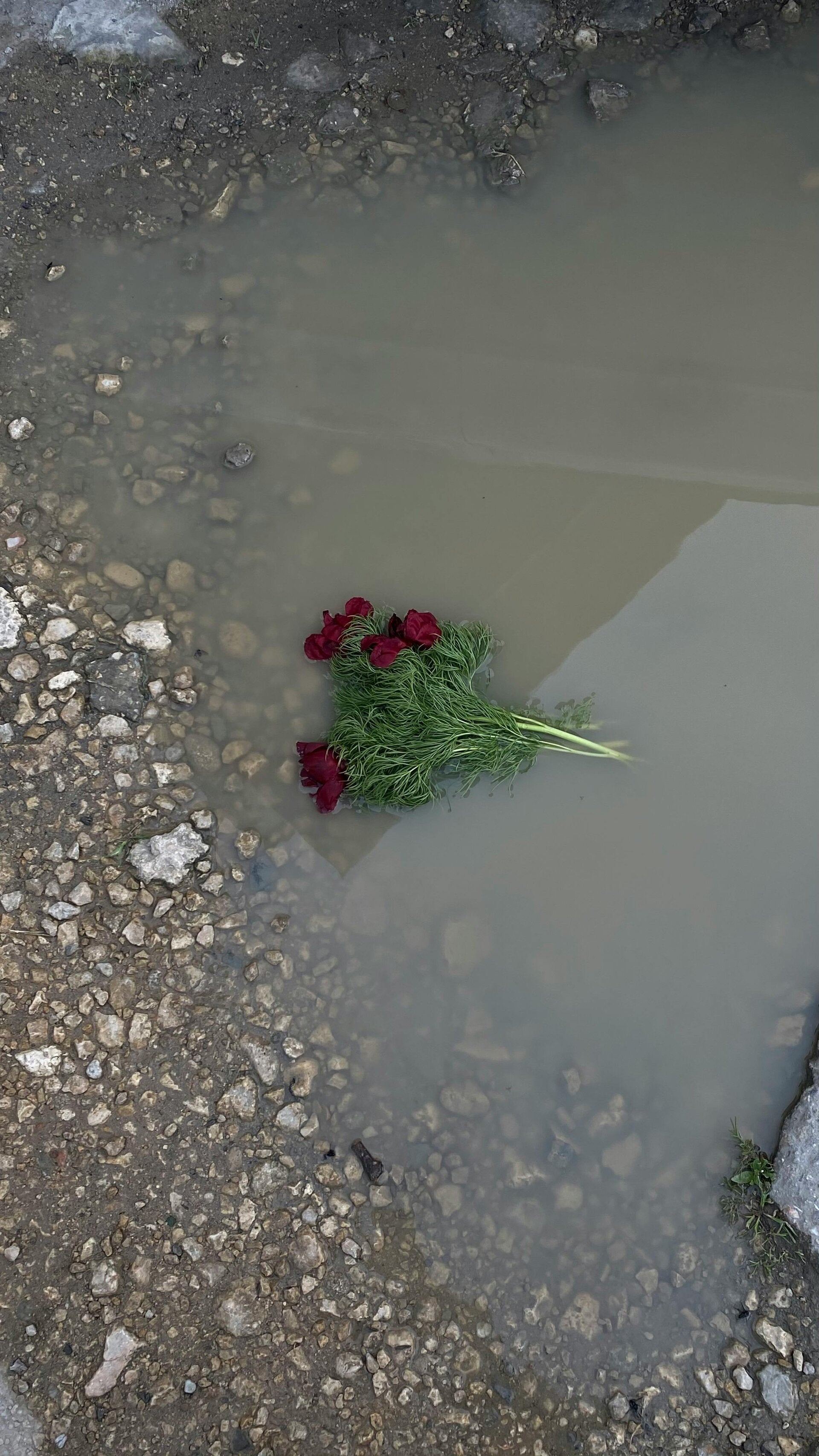
A Deluge of Grief: The Central Texas Flooding Tragedy and the Questions It Raises
The devastating flash floods that swept through Central Texas over the Fourth of July weekend have left a trail of destruction, heartbreak, and urgent questions. With at least 95 confirmed deaths, including 27 children and counselors from Camp Mystic, and dozens still missing, this disaster has become one of the deadliest flooding events in U.S. history since 1925. As the Guadalupe River surged over 26 feet in less than an hour, entire communities were caught off guard, prompting scrutiny over preparedness, communication, and leadership.
The Human Toll and the Unfolding Tragedy
The epicenter of the disaster was Kerr County, where the majority of fatalities occurred. The floodwaters struck in the early hours of July 4, catching many residents and campers asleep. Camp Mystic, a beloved Christian summer camp, was particularly hard hit, with heartbreaking stories emerging of children swept away in the darkness3. Emergency responders have rescued over 850 people, but the search for the missing continues.Why Was There No Evacuation?
One of the most pressing questions is why no evacuation orders were issued despite forecasts of heavy rain. Local officials, including Kerr County Judge Rob Kelly, have defended their response, claiming the magnitude of the flood was unforeseen and that radar did not predict such a catastrophic event5. However, critics argue that the region’s history of flash flooding—often referred to as “Flash Flood Alley”—should have prompted more proactive measures.
Senator Ted Cruz voiced this concern, stating, “Something went wrong there. We’ve got to fix that and have a better system of warning to get kids out of harm’s way”. He emphasized the need for improved early warning systems and acknowledged that, in hindsight, evacuations should have been ordered for vulnerable areas like summer camps and RV parks7.Calls for Unity Amid Political Tensions
As the death toll rose, political leaders urged against politicizing the tragedy. Cruz cautioned against “partisan games,” while also calling for accountability and systemic improvements. Other officials echoed the sentiment, emphasizing that the focus should remain on rescue and recovery rather than blame.
Governor Abbott’s Response and Federal Support
Texas Governor Greg Abbott has been at the forefront of the state’s emergency response. He declared a state of disaster, deployed over 1,500 personnel, and coordinated with federal agencies to support search and rescue operations. Abbott described the scene at Camp Mystic as “horrendously ravaged” and vowed that operations would continue “24/7” until every missing person is found2.
🇺🇸 President Trump’s Emergency Declaration and Visit
President Donald Trump approved a major disaster declaration for Kerr County, unlocking federal aid for affected communities11. He praised the efforts of first responders and announced plans to visit the region on Friday, stating, “God bless all of the people that have gone through so much, and God bless the state of Texas”. While some questioned his past remarks about phasing out FEMA, Trump deferred the topic, saying, “FEMA is something we can talk about later”4.
Looking Ahead: Lessons and Accountability
This tragedy has exposed critical gaps in emergency preparedness and communication. As the state mourns, there is a growing consensus that early warning systems, evacuation protocols, and infrastructure resilience must be re-evaluated. The loss of life—especially among children—demands not only compassion but also action.
In the words of one survivor, “We had no idea it would be this bad. We just want answers—and change.”

US Americans Celebrate the Fourth of July at Home and Abroad 🎆
Every year on the Fourth of July, Americans around the world come together to honor the birth of their nation with pride, patriotism, and plenty of fireworks. Whether in bustling cities, small hometowns, or far-flung corners of the globe, the spirit of Independence Day is alive and well.
✨ Celebrations at Home
In the United States, the Fourth of July is a cornerstone of summer. From sea to shining sea, Americans celebrate with:
-
Fireworks Displays: Spectacular shows light up skies in cities like New York, Washington D.C., and Los Angeles.
-
Parades: Marching bands, floats, and veterans often fill the streets, waving flags and spreading cheer.
-
Barbecues and Picnics: Families and friends gather for grilled favorites, chilled drinks, and classic desserts like apple pie.
-
Historical Reenactments: In places like Philadelphia and Boston, actors bring the Revolution to life with colonial costumes and readings of the Declaration of Independence.
🌍 Celebrations Abroad
Americans living or traveling overseas don’t let distance dull their patriotic spark. U.S. embassies and expatriate communities frequently host events such as:
-
Formal Receptions: U.S. diplomats invite local officials and American citizens to join in raising a toast to freedom.
-
Community Barbecues: In cities from Tokyo to Berlin, American expats recreate homegrown traditions with friends and fellow citizens.
-
Sports and Concerts: Events often include baseball games, live music, and fireworks for a familiar taste of home.
🗽 More Than Just a Party
For many, the Fourth of July isn’t just about celebration—it's a moment of reflection. It’s a time to appreciate the values of freedom, independence, and unity that sparked the nation’s founding. Whether standing on American soil or a different continent, citizens and friends of the U.S. honor the enduring legacy of July 4, 1776.
No matter where they are, Americans carry a little bit of home with them every Independence Day—wrapped in red, white, and blue.
Powerful Partnerships Take Center Stage at Essence Festival 2025 Opening Press Conference
📍 New Orleans, LA – July 3, 2025
The vibrant halls of the Ernest N. Morial Convention Center echoed with anticipation this morning as the 2025 Essence Festival of Culture officially kicked off with an opening press conference that highlighted decades of empowerment, legacy, and meaningful partnerships.
Mayor LaToya Cantrell took the podium to welcome attendees to New Orleans, celebrating the city’s long-standing bond with the Essence Festival. “This festival is more than just a celebration—it’s a movement. A celebration of Black womanhood, creativity, and power,” she declared. “New Orleans is proud to once again host this transformative event.”
Leaders from Essence Magazine reflected on the publication’s journey and its mission to amplify the voices, dreams, and experiences of Black women across generations. They emphasized how the festival has evolved into a multi-day platform for advocacy, wellness, music, business, and community building.
A representative from Coca-Cola, one of the festival’s enduring partners, underscored the strength of their collaboration with Essence. “Coca-Cola has stood alongside Essence for decades because we believe in the same vision—uplifting communities and celebrating culture,” they shared. “This year’s festival is a testament to what we can achieve when we stand together.”
Voices from the Crowd
Attendees at the press conference shared their excitement and personal connections to the festival:
-
“This is my fifth Essence Fest, and every year it feels like coming home,” said Tasha Williams, a teacher from Atlanta. “It’s more than music—it’s healing, it’s sisterhood, it’s power.”
-
“I brought my daughter for the first time this year,” shared Monique Ellis from Houston. “I want her to see what it looks like when Black women lead, create, and thrive.”
-
Darryl Greene, a small business owner from Chicago, added: “The energy here is unmatched. The panels, the networking, the love—it’s all here. Essence is where we recharge.”
With an exciting lineup of performances, panels, and resource-rich activations on the horizon, festival organizers and attendees alike are looking forward to what promises to be an unforgettable weekend.
✨ Essence Festival 2025 continues through the weekend, offering spaces for reflection, celebration, and unity—reminding everyone that when Black women thrive, communities rise.
by DR NTUBA , THOMPSON AKWO

Trump Frustrated Over Iran-Israel Escalation Despite Brokered Ceasefire
6/24/2025
By Dr. Ntuba Akwo Thompson
Former U.S. President Donald Trump has expressed frustration following renewed hostilities between Iran and Israel, despite his claim to have brokered a ceasefire intended to de-escalate tensions between the two regional adversaries. The renewed conflict follows Trump’s order for targeted American strikes on Iranian nuclear-related sites—strikes he described as preventative and strategic.
Israeli forces reportedly launched a large-scale bombing campaign inside Iran shortly afterward, dropping heavy payloads in response to a missile launch that was intercepted before reaching its target. Trump, however, believes that the Iranian launch may have been accidental or miscalculated and did not justify Israel's overwhelming response. He has publicly stated that Iran and Israel have “been fighting for too long” and “don’t know what the [expletive] they are doing,” reflecting his exasperation with the lack of restraint from both sides.
While critical of Iran’s actions, Trump has made clear that he does not support regime change in Tehran. He argues that ousting the current leadership could lead to chaos and further regional destabilization—especially at a time when many Iranians, across political divides, appear to have unified in defense of what they view as their sovereign right to a peaceful civilian nuclear program.
Domestically, Trump’s decision to authorize strikes has drawn sharp criticism. A recent poll shows that nearly 56% of Americans oppose the attacks on Iran, expressing concern over unnecessary military entanglement and the risk of igniting a broader conflict. In a heated response, Democratic House Minority Leader Hakeem Jeffries questioned Trump's judgment, paraphrasing his own blunt rhetoric by asking, “What the f*** is Trump doing?”
In Israel, public sentiment is more divided. Some see the campaign as a strategic success, weakening Iran’s military infrastructure and creating momentum to resolve the ongoing conflict in Gaza. There is a growing chorus urging the Israeli government to capitalize on perceived gains by agreeing to a ceasefire, securing the release of hostages, and transitioning toward regional stabilization.
Observers note that Iran’s reported acceptance of a new ceasefire may have been influenced by the surprise U.S. strikes. Whether this signals a lasting shift or a temporary pause remains uncertain.
White House Signals Caution as Iran Retaliates Following U.S. Strikes
Washington, D.C. — June 23, 2025
In the wake of escalating tensions between the United States and Iran, the Trump administration has acknowledged it was anticipating a retaliatory response from Tehran following recent U.S. airstrikes on Iranian nuclear facilities. A White House official told CNN that while the administration remains confident in the success of the strikes, it is actively hoping to avoid further military engagement in the region.
The statement comes amid a flurry of developments, including Iranian missile launches targeting U.S. bases in Qatar and Iraq, and heightened security alerts across the Middle East. According to U.S. officials, the strikes—dubbed Operation Midnight Hammer—were designed to dismantle Iran’s nuclear capabilities without provoking a broader conflict.
“We are prepared for any contingency, but our objective is not war,” the official said. “The President acted to neutralize a threat, not to escalate a regional conflict.”
The administration’s posture reflects a delicate balancing act: projecting strength while signaling restraint. President Trump, in a televised address, described the strikes as a “spectacular military success” and warned Iran against further retaliation, stating that any additional aggression would be met with overwhelming force.
Despite the rhetoric, the White House’s latest comments suggest a preference for de-escalation. Analysts note that the administration’s messaging may be aimed at reassuring both domestic and international audiences that the U.S. is not seeking a prolonged military entanglement.
Meanwhile, diplomatic channels remain tense. Iran’s leadership has vowed to defend its sovereignty, while regional allies and global powers call for calm. NATO and the United Nations have urged all parties to exercise restraint and return to diplomatic dialogue.
As the situation unfolds, the administration’s next moves will be closely watched—not only for their military implications but for their potential to reshape U.S. foreign policy in the Middle East.
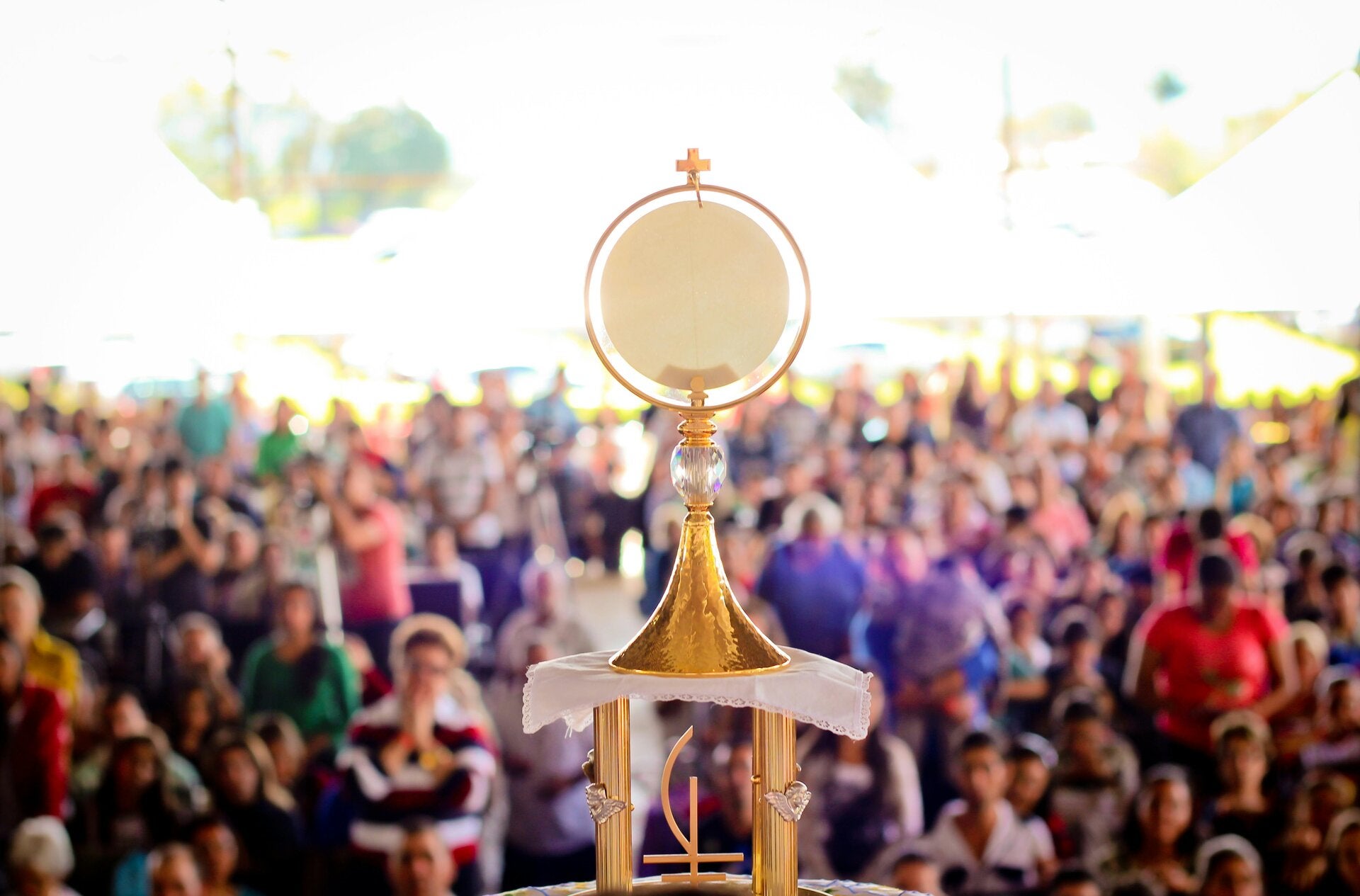
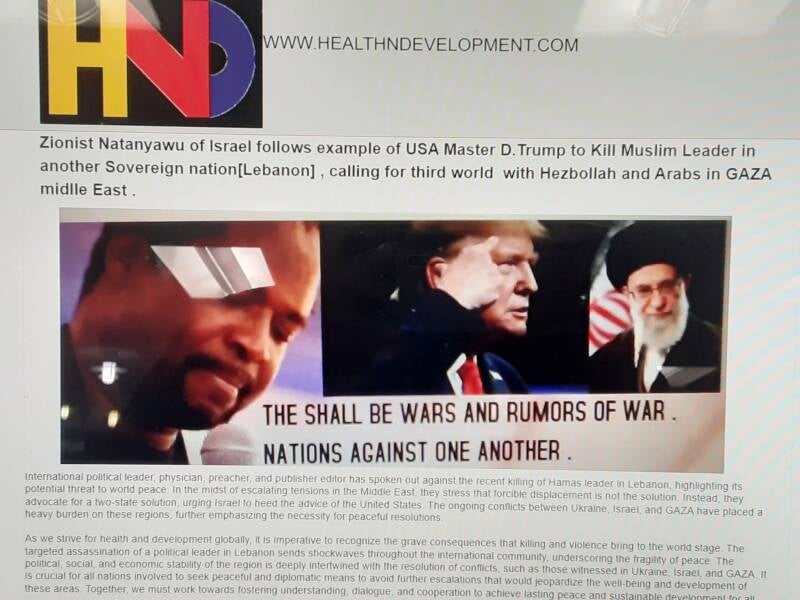
A Geopolitical Pandora’s Box: Russia’s Warning on U.S. Strikes in Iran
In the wake of U.S. strikes on Iran’s nuclear facilities, the global chorus of concern has grown louder, with Russia’s latest condemnation adding dramatic urgency to the unfolding crisis. Russian officials have warned that Washington's decision to target Iranian nuclear infrastructure is tantamount to “opening a Pandora’s box” — a chilling metaphor that evokes a world spiraling into unforeseen chaos and instability. At its core, this accusation is not merely rhetorical. It reflects deep geopolitical anxieties and a growing recognition of the interconnected risks posed by military escalations in one of the world’s most volatile regions.
The phrase “Pandora’s box” is apt for this moment. In Greek mythology, Pandora unleashed countless evils upon the world by opening a forbidden vessel — leaving only hope inside. Russia’s warning suggests a similar fear: that the U.S. may have unleashed a wave of retaliatory conflict, diplomatic breakdown, and nuclear brinkmanship that could destabilize not just the Middle East, but the fragile balance of global security.
This critique emerges amid an already combustible climate. Iran has responded to the U.S. strikes by launching powerful retaliatory attacks against U.S. installations in the Gulf, notably targeting Al Udeid Air Base in Qatar. American embassies are operating under crisis protocols, and regional airspace has seen dramatic shutdowns. Israel and Iran continue exchanging direct strikes, while European nations like France have condemned Israeli actions that endangered their citizens. Against this background, Russia’s appeal to avoid endangering the “safety and well-being of humanity as a whole” carries both strategic and moral weight.
But this is not just a matter of Cold War-style posturing between nuclear superpowers. What lies at stake are global norms of engagement, civilian safety, and the capacity of diplomacy to avert catastrophe. The U.S. justified its actions as preemptive — a strike to cripple Iran’s nuclear capability before it reached a point of no return. Yet critics argue such moves accelerate proliferation risks rather than reduce them, pushing adversaries further underground and eroding the trust needed for verification and transparency.
Moreover, Russia’s response underscores the risk of global polarization. By firmly aligning with Tehran and calling the attacks illegitimate, Moscow is positioning itself not only as a defender of sovereignty but as a counterweight to what it views as Western overreach. Whether this signals a deeper strategic alliance or opportunistic maneuvering, the effect is the same: multipolar rivalries deepening in a moment that calls for collective restraint.
In this climate, the need for international dialogue has never been greater. The Pandora’s box metaphor reminds us that once escalation begins, containing its effects is near impossible. The real challenge now is whether the global community can summon the will — and the wisdom — to reintroduce diplomacy, restore confidence in nonproliferation, and prevent the world from descending into darkness.
A Call for Peace and Truth Amid Global Turmoil
Delivered by Dr. Ntuba Akwo
Brothers and sisters,
We gather today not only as citizens of this world but as stewards of peace and truth. Recent events unfolding across the Middle East—and echoed in the corridors of Moscow, Washington, and Tehran—have once again thrust humanity into the shadow of conflict.
In these turbulent hours, we have witnessed the cries of the innocent drowned beneath the roar of bombs. We have seen nations gripped by fear and leaders drawn into confrontation. But amid this darkness, a voice has emerged. A call not for vengeance, but for solidarity and discernment.
President Vladimir Putin, speaking alongside Iran’s Foreign Minister, declared: “This act of aggression against Iran has no grounds and no justification. We have long-standing, friendly and reliable relations with Iran, and we, for our part, are making efforts to support the Iranian people.”
He spoke not merely as a statesman, but as one deeply aware of the sacred bonds that should unite sovereign nations—bonds built not on domination, but on dialogue; not on missiles, but on mutual respect.
Many believe that this recent strike by the United States was not a spontaneous action, but a response fueled by provocation—provocation rooted in longstanding tensions, with some pointing to the hand of Israel in pressing this volatile agenda forward.
As people of faith and conscience, what are we to make of this?
We must remember: justice without truth is hollow. And power without compassion is dangerous.
Let us lift our voices for the peacemakers, for those who seek understanding over escalation. Let us pray for every mother in Tehran, every father in Tel Aviv, every child trembling in fear beneath foreign skies. And let us remind our leaders—be they in Washington or Moscow—that real strength is found not in retaliation, but in reconciliation.
I stand before you today, not to take sides in war, but to take sides with wisdom. Not to sow fear, but to sow faith—in diplomacy, in truth-telling, and above all, in the divine calling that bids us to love our neighbor as ourselves.
May the world hear that call before it hears the sound of another siren.
Thank you.

Solidarity Amid Crisis: Russia’s Support for Iran in the Wake of U.S. Strikes
In a rapidly escalating geopolitical crisis, Russian President Vladimir Putin has taken a decisive stance by hosting Iranian Foreign Minister Abbas Araghchi in Moscow, signaling unwavering solidarity with Iran following U.S. military strikes on Iranian nuclear facilities. This high-level meeting, held at the Kremlin, was more than a diplomatic formality—it was a calculated message to the international community that Russia stands firmly beside its long-time ally.
President Putin condemned the U.S. strikes as an “act of aggression against Iran” that, in his words, “has no grounds and no justification.” His remarks underscore a broader narrative that challenges the legitimacy of unilateral military actions and questions the motivations behind them. Putin further asserted that the United States was provoked by Israel to launch the attack, a claim that adds a layer of complexity to an already volatile regional conflict.
The Russian leader’s emphasis on “long-standing, friendly and reliable relations” with Iran reflects a strategic partnership that has deepened over the past decade. From cooperation in Syria to joint economic and nuclear energy projects, Moscow and Tehran have cultivated a relationship rooted in mutual interests and shared opposition to Western hegemony. Putin’s assurance that Russia is “making efforts to support the Iranian people” is not merely rhetorical—it aligns with Russia’s broader foreign policy of counterbalancing U.S. influence in the Middle East.
This meeting also comes at a time when Iran is reeling from the destruction of key nuclear sites, with the International Atomic Energy Agency reporting significant damage to underground facilities. The strikes have not only heightened tensions between Iran and the United States but have also drawn in regional and global powers, raising fears of a broader conflict.
By hosting Iran’s top diplomat and publicly denouncing the U.S. actions, Putin has positioned Russia as a defender of international law and a counterweight to what it perceives as Western overreach. This move may resonate with other nations wary of unilateral military interventions and could bolster Russia’s standing among non-Western allies.
In conclusion, the Kremlin’s show of solidarity with Iran is more than a diplomatic gesture—it is a strategic maneuver in a high-stakes geopolitical chess game. As the world watches the unfolding crisis, Russia’s alignment with Iran sends a clear message: in the face of perceived aggression, alliances will be reaffirmed, and global power dynamics will continue to shift.
BY DR NTUBA , THOMPSON AKWO
“Juneteenth Reverberations: A Sacred Gathering for Freedom, Forgiveness, and Healing”


“Juneteenth Reverberations: A Sacred Gathering for Freedom, Forgiveness, and Healing”cross the sun-kissed boulevards of New Orleans and cities across the nation, African Americans emerged in vibrant throngs, not merely to celebrate—but to consecrate—Juneteenth. Beneath banners of red, black, green, and gold, the streets pulsed with brass bands, second lines, ancestral rhythms, and ancestral reverence. What unfolded was not merely festivity; it was a spiritual convocation, a living mosaic of memory, resistance, and restoration.
The pouring of libations, a sacred act rooted in African tradition, crowned the ceremonies with solemnity. Hands uplifted vessels toward the heavens, letting the waters fall in honor of those who endured the Middle Passage, who toiled under brutal chains, and who never saw freedom’s dawn. It was not only remembrance—it was a collective invocation, calling on the ancestors to witness, to vindicate, and to bless.
Requests for forgiveness rose like incense: forgiveness from God, from each other, from self. In prayer circles and spoken word, people cried out for healing—from generational trauma, systemic violence, and fractured communities. And there, in the convergence of drumbeats and gospel refrains, the Spirit moved.
Parades turned into processions of power. Children danced beside elders. Banners fluttered with verses of liberation. Flags—like the one emblazoned with June 19, 1865—proclaimed the end of bondage and the eternal necessity of truth-telling.
Yet beyond the joy lies a deeper prophetic message: Freedom is not only a historical event—it is a daily discipline. Juneteenth is not merely a date, it is a demand. A call to uproot the vestiges of slavery still embedded in institutions, language, and culture. And as such, every libation, every dance step, every spiritual cry becomes a rebellion against forgetting.
In these sacred gatherings, African Americans reassert not only their resilience but their divine right to dignity, justice, and collective healing. The celebration is loud, yes—but the message roars louder still: We are still here. We still rise. And with God as our witness, we will be made whole.
by DR NTUBA THOMPSON AKWO

“The Masquerade of Evil: Exposing False Prophets and the Profanation of Divine Purpose”
In a world darkened by the smoke of bombings and echoing cries from war-torn cities, too many have dared to drape evil in the garments of religion. These atrocities—waged in the name of God—are not divine mandates but the orchestrations of spiritual impostors and hidden agents of darkness.
The Most High is a God of light, not chaos. The Prince of Peace does not delight in bloodshed. And yet, across the Middle East and beyond, shadowy figures whisper commands behind pulpits and podiums, masquerading as prophets while serving the ancient adversary of truth—Satan himself.
These occultists, draped in the appearance of piety, manipulate holy texts like daggers. They twist scripture to ignite wars, fuel hatred, and justify unspeakable violence. But let it be known: true faith liberates—it does not dominate, violate, or annihilate.
History warns us of this pattern. When the sacred is weaponized, the spiritual becomes political, and the consequences are disastrous. We see not the hand of God but the claws of deception. Every missile launched in His name is a blasphemy; every death claimed for divine cause is a lie spun by the Father of Lies.
Yet the righteous are not without a voice. From pulpits to parliaments, from refugee camps to city streets, we must declare: This is not our God. This is not our faith. We reclaim the holy ground from those who have defiled it.
It is time for spiritual discernment, moral courage, and prophetic boldness. Let the righteous expose the darkness, reveal the actors hiding behind divine curtains, and proclaim with fire and clarity: the Almighty does not sanction slaughter.
The truth must thunder louder than the bombs.
By His Eminence Excellency Minister Dr. Ntuba
NEWS BIREFS

Iran Petitions the United Nations to Halt Israeli Strikes and Prevent U.S. Involvement
On June 16, 2025, Iranian Permanent Representative to the United Nations Amir Saeid Iravani held a press conference at the U.N. headquarters in New York City, issuing an urgent appeal to the Security Council. Iran has formally requested international intervention to halt Israel’s ongoing military strikes and prevent the United States from joining the conflict.
Iran’s Claims Against Israel and the U.S.
In a letter shared with Newsweek, Iravani accused Israel, in coordination with the United States, of launching a premeditated and large-scale act of aggression against Iran’s sovereignty and territorial integrity. He cited explicit statements and provocative actions by senior U.S. officials, including former President Donald Trump’s threats to assassinate Iranian Supreme Leader Ayatollah Ali Khamenei and conduct strikes on Iranian nuclear facilities.
Iran’s Demands to the U.N. Security Council
Iran has called for an emergency session of the Security Council, urging member states to:
-
Condemn Israel’s military actions as unlawful aggression.
-
Prevent further escalation, including external military involvement.
-
Enforce binding measures to compel Israel to halt its strikes.
Warnings of Global Consequences
Iran has warned that failure to act could lead to “far-reaching and irreversible consequences” for international peace and security. Iravani emphasized Iran’s right to self-defense under international law.
Trump’s Response and U.S. Military Movements
Trump has called for Iran’s unconditional surrender, stating that Iran’s Supreme Leader is an “easy target” but that the U.S. is not planning an assassination—at least for now. Meanwhile, signs of U.S. military preparations have emerged, including troop movements, warship deployments, and evacuations of nonessential personnel from the region.
Escalation of Israeli Strikes
Israel launched a massive military campaign against Iran, targeting Iranian armed forces and nuclear sites just days before Washington and Tehran were set to hold nuclear talks. The situation remains highly volatile, with global leaders closely monitoring developments.
.

Statement on the Israeli military attack on Iran
General Secretary
The World Council of Churches (WCC) strongly condemns the Israeli military attack on Iranian territory—an unlawful act that violates international law and the sovereignty of a nation-state.
Such aggression endangers the entire Middle East region, reignites cycles of violence, and risks triggering a catastrophic war with global implications. It challenges all efforts made through diplomacy and dialogue, and gravely undermines the pursuit of peace, justice, and human dignity.
We reject all forms of violence and escalation, including deliberate attempts to set the region ablaze for political gain. The only path to real and lasting security lies in the commitment to international law, mutual respect, and negotiated solutions.
The peoples of the Middle East have suffered enough. We call upon the international community to hold accountable those who threaten peace, and to act urgently to prevent further escalation. The WCC remains steadfast in its call for justice, restraint, and dialogue as the only moral and sustainable way forward.
Rev. Prof. Dr Jerry Pillay
General Secretary
World Council of Churches

The Position of Africa in the Israel-Iran Conflict: Navigating Stability Amid Global Turmoil
The Position of Africa in the Israel-Iran Conflict: Navigating Stability Amid Global Turmoil
The ongoing conflict between Israel and Iran has escalated into open warfare, drawing global attention and concern. While Africa is not directly involved in the hostilities, many nations on the continent are voicing apprehensions about the potential fallout—both economic and geopolitical. Africa’s position in this conflict is largely one of caution, diplomacy, and a call for restraint, as governments attempt to shield their economies and societies from the ripple effects of war.
Africa’s Diplomatic Standpoints
African nations have responded to the conflict with a combination of condemnation, neutrality, and strategic alignment. South Africa has strongly criticized Israel’s airstrikes on Iran and advocated for a peaceful resolution, reflecting its historical stance on international conflicts favoring diplomacy over military action. Kenya, while condemning Iran’s retaliatory attacks, has urged both sides to de-escalate, emphasizing regional and global stability. Nigeria has warned of rising instability and endorsed international diplomatic interventions, reflecting its role as a leading voice in African geopolitical affairs.
Egypt, due to its proximity to the crisis, has taken a more cautious stance—putting its military on high alert amid concerns over financial markets crashing and fuel shortages. Countries like Ghana and Namibia have raised alarms over the potential economic consequences of a prolonged conflict, while Tunisia has signaled stronger support for Iran, aligning its stance with certain factions in the Middle East.
Economic and Political Fallout for Africa
Although African nations are not direct participants in this war, the consequences of the Israel-Iran conflict could be deeply felt across the continent. The biggest concerns center around economic stability, particularly in oil and energy markets. Countries reliant on Middle Eastern oil imports may suffer from price volatility and supply disruptions, exacerbating inflation and financial instability.
Furthermore, the conflict risks diverting global diplomatic attention away from pressing African security concerns, such as regional terrorism, governance issues, and economic reforms. Nations that depend on international trade and aid may experience slowdowns as global markets react to geopolitical instability.
The Risk of a Broader Crisis
African governments recognize that prolonged warfare between Israel and Iran could increase instability beyond the Middle East. The fear of further military escalations, involving global powers, raises alarms over the possibility of an expanded conflict. Given Africa’s deep economic ties to both Western and Middle Eastern partners, any extended war would inevitably trickle down, affecting governance, security, and development initiatives.
Africa’s Role in Seeking Peace
Historically, African nations have favored diplomacy over conflict, and many are pushing for negotiated settlements rather than military escalation. Organizations such as the African Union (AU) and regional diplomatic bodies may seek to act as intermediaries, promoting dialogue between global actors. Africa’s position underscores the necessity of multilateral engagement to resolve disputes without war, protecting economies and maintaining political stability.
Ultimately, while Africa is not an active participant in the Israel-Iran conflict, its leaders are urging the world to avoid escalation. The continent’s approach is one of caution, ensuring that diplomatic engagement and economic resilience remain priorities in the face of unfolding global uncertainty.

The Impact of Trump's Early Departure from the G7 on Israel-Iran Ceasefire Efforts
The Impact of Trump's Early Departure from the G7 on Israel-Iran Ceasefire Efforts
The abrupt exit of former U.S. President Donald Trump from the G7 summit has sent shockwaves through the diplomatic corridors of the world's major economies. His departure, reportedly motivated by his unwillingness to sign the European Union’s position paper calling for a ceasefire between Israel and Iran, has left the summit in disarray. The inability of G7 members to reach a unified stance highlights the complexity of global power dynamics, the struggle for consensus, and the broader implications of fractured leadership in addressing critical international conflicts.
The Struggle for Consensus on Israel-Iran Conflict
The ongoing hostilities between Israel and Iran have drawn international condemnation, with many world leaders seeking ways to de-escalate the situation. The European Union, advocating for an immediate ceasefire, presented a position paper during the G7 summit, urging collective diplomatic action. However, Trump's early departure disrupted the expected course of negotiations, highlighting the deep divisions among world leaders regarding the crisis.
Without unanimous backing, the G7 is now at a crossroads—left scrambling for a coherent strategy amid conflicting national interests. Some nations insist on reinforcing diplomatic efforts, while others struggle to balance their alliances with Israel, Iran, and broader geopolitical actors such as Russia and China.
The Impact of Trump's Exit on Global Diplomacy
Trump's decision not to endorse the EU’s ceasefire proposal reflects a broader divergence in foreign policy priorities between the United States and its European allies. This move could embolden factions within Israel and Iran that oppose negotiation, further deepening the cycle of retaliation and military escalation. The absence of U.S. commitment weakens the leverage of G7 members trying to push for peace, as American diplomatic weight plays a crucial role in influencing Middle Eastern geopolitics.
Additionally, Trump’s premature exit from the G7 signals broader concerns about transatlantic cooperation. The inability of world leaders to unite under a single approach exposes vulnerabilities within the alliance, leaving key geopolitical conflicts unresolved. Such diplomatic fragmentation risks diminishing the credibility of multinational institutions tasked with maintaining stability.
Geopolitical and Economic Consequences
The diplomatic discord at the G7 summit will likely have ripple effects beyond the immediate crisis. Financial markets, already sensitive to instability, may react negatively to the lack of clarity on international policy decisions. Investors monitoring Middle Eastern energy supplies could brace for increased volatility, affecting global oil prices and economic stability.
Moreover, this incident raises questions about the effectiveness of international summits in producing meaningful solutions to global conflicts. If leading economies cannot form a united front on urgent matters such as ceasefire negotiations, the role of the G7 as a stabilizing force in world affairs may come under scrutiny.
Conclusion: A Fractured Global Response to Crisis
Trump’s early departure from the G7 summit serves as a stark reminder of how fragile international consensus can be. With world leaders unable to align on a clear path forward regarding the Israel-Iran conflict, the absence of unified diplomatic action increases the risks of further escalation. Moving forward, the challenge remains for G7 members to recalibrate their approach, reaffirm their commitment to peace efforts, and restore credibility in multinational conflict resolution mechanisms. The stakes are high—not only for Israel and Iran but for the broader global order struggling to maintain stability.

EDITORIAL
Escalation in the Middle East: The Israel-Iran Conflict and Global Uncertainty
The ongoing conflict between Israel and Iran has intensified, drawing global attention to the volatile situation in the Middle East. With Israeli Prime Minister Benjamin Netanyahu continuing military strikes against Iran, former U.S. President Donald Trump has expressed support for Israel’s actions while refraining from direct U.S. military involvement, citing concerns over the potential consequences of a broader war. The conflict has led to widespread devastation, with hundreds of casualties in Iran and dozens in Israel, further exacerbating instability in the region.
Strategic Calculations and Regional Power Shifts
Israel’s military campaign appears to be driven by a strategic assessment of regional dynamics. The fall of Syrian President Bashar al-Assad and the weakening of Hezbollah, a key Iranian ally, have created an opportunity for Israel to assert dominance in the region. With Iran’s military leadership facing significant losses, Israel sees an opening to dismantle Iran’s nuclear infrastructure and reduce its influence across the Middle East4. However, Iran has vowed retaliation, with Supreme Leader Ayatollah Ali Khamenei warning of severe consequences if the U.S. joins Israel’s strikes.
The Human Toll and Global Response
The conflict has led to mass civilian casualties, particularly in Gaza, where Israeli airstrikes have killed thousands. The humanitarian crisis has sparked international condemnation, with activists and Nobel Peace laureates calling for an immediate end to hostilities and a transition to democracy in Iran. Meanwhile, Russia has cautioned the U.S. against providing military assistance to Israel, warning that direct intervention could destabilize the region further.
Uncertain Future and Diplomatic Challenges
As the conflict escalates, the world remains uncertain about the long-term implications. Trump’s call for Iran’s unconditional surrender and his suggestion that Iran’s Supreme Leader is an “easy target” have heightened tensions. The G7 nations have voiced support for Israel while urging broader de-escalation. Despite diplomatic efforts, the prospect of a prolonged war remains a serious concern, with Tehran residents evacuating en masse amid ongoing airstrikes.
The unfolding crisis underscores the fragile balance of power in the Middle East, where military actions, political maneuvering, and international diplomacy will shape the future of the region. Whether this conflict leads to a decisive shift or prolonged instability remains to be seen.
Would you like me to refine any sections or add further analysis?
BY DR NTUBA ATHOMPSON AKWO
Amplifying the Gospel in a Digital Age: Rev. Dr. Ntuba Akwo’s Strategic Use of HealthnDevelopment Media.
The UN’s Call for De-escalation in the Iran-Israel Conflict
The ongoing conflict between Iran and Israel has escalated to a critical point, prompting United Nations Secretary-General António Guterres to issue a strong warning against further military interventions. His statement underscores the potential consequences of international involvement, particularly as reports suggest that U.S. President Donald Trump is considering military action against Iranian nuclear facilities.
The UN’s Position on Military Intervention
Guterres’ appeal for restraint reflects the UN’s broader commitment to global peace and stability. He emphasized that additional military interventions could have far-reaching consequences, not only for the nations directly involved but for the entire Middle East and international security. The UN has historically advocated for diplomatic solutions in conflicts, urging member states to prioritize negotiations over military action.
The U.S. Consideration of Military Action
Reports indicate that President Trump is weighing the possibility of striking Iranian nuclear sites, a move that could significantly alter the geopolitical landscape. His statement, “I may do it, I may not do it,” reflects the uncertainty surrounding U.S. involvement2. The potential for military action raises concerns about escalating tensions and the broader implications for regional stability.
Global Implications of Further Escalation
If the conflict continues to intensify, it could lead to economic disruptions, humanitarian crises, and increased instability across the Middle East. The involvement of additional international actors could further complicate diplomatic efforts and heighten the risk of prolonged warfare. The UN’s call for restraint serves as a reminder of the importance of diplomatic engagement in resolving conflicts.
Conclusion
The Iran-Israel conflict remains a pressing issue with global ramifications. The UN’s warning highlights the need for cautious decision-making and diplomatic solutions to prevent further escalation. As world leaders navigate this crisis, the emphasis should remain on dialogue, negotiation, and peaceful resolution to safeguard international security.
Would you like me to expand on any specific aspects of this discussion?


Amplifying the Gospel in a Digital Age: Rev. Dr. Ntuba Akwo’s Strategic Use of HealthnDevelopment Media
In the lineage of great evangelists such as Billy Graham and Oral Roberts, Rev. Dr. Ntuba Akwo carries forward a sacred mandate: to not only preach the Gospel but to amplify it through media with global reach and cultural relevance. As the founder and director of HealthnDevelopment Magazine and Media, Dr. Akwo is leveraging modern communication channels to expand the healing message of Christ across borders, disciplines, and demographics.
Graham and Roberts understood early on that revival is not confined to pulpits or sanctuaries. Through their pioneering use of radio, television, and print, they touched millions—bringing salvation, healing, and hope into homes worldwide. Likewise, Dr. Akwo’s HealthnDevelopment platform reflects a 21st-century Pentecostal approach to ministry: fusing public health communication with prophetic witness, and journalism with evangelistic purpose.
The publication serves as both a voice and a vehicle—highlighting spiritual testimonies, sharing transformational health stories, and advocating for transparency and social equity. Whether covering faith-based healing crusades, addiction recovery missions, or public health education initiatives, the content is shaped by a deep conviction that the Gospel must be both proclaimed and practiced.
HealthnDevelopment Media doesn’t merely report on change—it initiates it. By spotlighting local and global partnerships, engaging with civic leaders, and uplifting community voices, it creates a ripple effect that bridges the sacred and the societal.
Just as Oral Roberts said, “God is a good God,” and Billy Graham declared, “Jesus is the answer,” Rev. Dr. Akwo’s ministry declares: Healing is possible, transformation is needed, and the media is a pulpit for both.
Through this vibrant outlet, he continues to inspire, inform, and ignite a generation hungry for truth—not only with words, but with wisdom and compassion that heal.

Editorial | A Summit of Conscience: Why the G7 Must Lead with Moral Courage
By Dr. Ntuba Akwo, Publisher & Editor-in-Chief, Health & Development Magazine
As the snow-dusted ridges of Kananaskis frame the 2025 G7 Summit, the world is not merely watching a meeting of economic powers—it is listening for a moral signal.
With U.S. President Donald Trump, Canadian Prime Minister Mark Carney, Indian Prime Minister Narendra Modi, and other global figures now assembled in Galgary, the focus must extend beyond policy papers and trade negotiations. The moment demands a reckoning: will these leaders use their platform to champion peace, or merely preserve power?
This magazine, rooted in the ethos of human development and global solidarity, joins the growing call for the G7 to confront the crisis unfolding between Iran and Israel. The time for backroom diplomacy has passed. What the world needs is bold leadership—leadership that places human lives above geopolitical gamesmanship.
It is no longer just a Middle East issue. The cascading impacts of this conflict are already displacing families, straining regional health systems, and destabilizing fragile partnerships in global security. We call on G7 leaders—and the outreach nations attending this summit—to make mediation and ceasefire efforts a formal, urgent priority.
Prime Minister Carney’s decision to highlight Indigenous leadership in the summit’s opening was more than ceremonial; it was symbolic. In times of brokenness, listening to voices long marginalized is the only path toward healing. And perhaps those gathered here could benefit from that wisdom: that peace is not achieved by force, but by empathy, persistence, and the will to act.
The world has seen enough summits that yielded little more than soundbites. Let this one be different.

Dr. Ntuba Akwo Urges G7 Nations to Lead Ceasefire Talks Between Iran and Israel
Galgary, Canada — June 16, 2025 — International physician, preacher, and editor-in-chief of Health & Development magazine, Dr. Ntuba Akwo, has issued a passionate call to G7 leaders and international outreach partners attending the G7 Summit in Galgary to mediate a ceasefire between Iran and Israel.
Citing the devastating impact of the conflict on innocent civilians, Dr. Akwo emphasized the urgent need for diplomatic intervention to prevent further loss of life and displacement.
> “World leaders must act boldly and in unity to stop the suffering. Peace is not a political favor—it’s a moral obligation,” Dr. Akwo stated.
As a long-time advocate for global health, peace, and development, Dr. Akwo urged the G7 to collaborate with other international actors and broker negotiations aimed at ending the hostilities.
Media Contact: Health & Development Magazine Email: healthndevelomentmag@outlook.com
WHO Director-General: Member States reaffirm commitment to WHO and global health at historic World Health Assembly 2025


Geneva---WHO Director-General Dr Tedros Adhanom Ghebreyesus praised the commitment shown by the Organization’s Member States which, during nearly two weeks of meetings, adopted historic measures to make the world safer and healthier.
The landmark adoptions of the first global agreement to make the world safer from future pandemics and increase in financial support to the World Health Organization were the highlights of the Seventy-eighth World Health Assembly, which ran from 19–27 May. Immediately after, the WHO Executive Board met for two days, until 29 May, to address the Health Assembly’s outcome, WHO governance reform and the nomination and appointment of regional directors.
Dr Tedros said Member States demonstrated their commitment to WHO and multilateral action to protect and promote public health. “WHO and many of our Member States and health partners are facing various challenges,” he said. “But the World Health Assembly has sent a clear message: countries want a strong WHO and are committed to working together with WHO to build a healthier, safer and fairer world. These were strong votes of confidence in WHO at this critical time.”
Making the world safer from pandemics
“The Health Assembly’s adoption of the Pandemic Agreement on 20 May was a landmark in the history of WHO and global health,” said Dr Tedros. “Despite many obstacles, and in the face of significant mis- and disinformation, WHO’s Member States have succeeded in negotiating and adopting a legally binding agreement to make the world safer from pandemics.”
The Pandemic Agreement sets out a range of measures to prevent pandemics and strengthen health system resilience, including through improving the rapid sharing of pathogens; ensuring fair, equitable and timely access to vaccines, diagnostics and therapeutics; and strengthening technology transfer, financing and supply chains.
Dr Tedros said adoption of the Pandemic Agreement was not the end of the journey, adding that Member States still must negotiate the annex on pathogen access and benefit sharing for adoption at an upcoming Health Assembly. The next step would be for 60 countries to ratify the agreement, including the annex, before it enters into force as an instrument of international law.
“But having watched this process over the past three and a half years, I am confident of two things,” the WHO Director-General said. “First, that Member States will finish the job by May next year (2026), as they have committed to doing; and second, that the deception and distortion will continue.”
In particular, Dr Tedros said while it has been widely acknowledged that the Pandemic Agreement will not infringe on national sovereignty, some quarters will continue to repeat the false claims.
“Let me be clear once again: the Pandemic Agreement will not infringe on national sovereignty, period. And the Pandemic Agreement does not give WHO any powers, period,” Dr Tedros said. “WHO’s job is to make recommendations to governments, but what governments do with those recommendations is entirely up to them. WHO is not even a party to the Agreement. This is an agreement between sovereign nations, and it will be ratified and implemented by sovereign nations that choose to do so. The intentional distortion of the Pandemic Agreement as ceding power to WHO must stop.”
Assessed contributions increase
The Assembly’s other major outcome was the approval of WHO’s 2026–27 Programme Budget, including the next 20% increase in assessed contributions, adding US$ 90 million in fully predictable and flexible funds to WHO’s income each year. In 2022, Member States agreed to increase assessed contributions progressively to 50% of our base budget, from just 16% at the time. This rise is the cornerstone of WHO’s transformation of its approach to sustainable financing by diversifying its donor base and receiving increased support from all of its Member States towards WHO’s core budget and programme of work.
“This is another major step towards making WHO less dependent on earmarked voluntary funds from a handful of traditional donors,” said Dr Tedros. “WHO also held a pledging event at which Member States and philanthropic donors committed at least US$ 210 million in additional funding to the WHO Investment Round.”
In addition to these two major achievements, the Health Assembly also celebrated several countries for eliminating diseases, and eliminating industrial trans-fat from their manufactured food supplies.
WHO Member States also adopted several important resolutions, reflecting WHO’s vast mission and mandate, including a new target to halve the health impacts of air pollution by 2040; new targets for nutrition in mothers and young children; to strengthen regulation of digital marketing of formula milk and baby foods; and a new global strategy for traditional medicine.
Countries for the first time also adopted resolutions on lung health and kidney health, and for a lead-free future, and established World Cervical Cancer Day and World Prematurity Day as official WHO health campaigns. Resolutions on digital health, Guinea worm disease, health financing, the health and care workforce, medical imaging, nursing and midwifery, rare diseases, sensory impairment, skin diseases, social connection and more were also adopted.
NEWS BRIEFS


-
Cameroon’s President Paul Biya, who has been in power for over 42 years, is expected to run for another seven-year term in the upcoming elections. At 92 years old, he remains Africa’s longest-serving leader, though concerns about his health persist2.
-
Harris County Judge Lina Hidalgo has been seeking approval for a trip to France, reportedly to promote economic development and attend the Viva Technology conference. However, Harris County commissioners rejected her request for taxpayer funding, citing budget concerns4. Meanwhile, she has also been involved in disputes over planning and security for the 2026 FIFA World Cup, which will be hosted in Houston.
-
Pope Leo XIV, the first American-born pope, has been making waves in the Catholic Church. Since his election in May 2025, he has reinstated bonuses for Vatican workers, a tradition that Pope Francis had previously halted. He has also paid tribute to Cardinal Iuliu Hossu, a Romanian bishop who saved thousands of Jews during World War II.

NEWS BRIEFS

Elon Musk Slams Trump's "Big Beautiful Bill" as a "Disgusting Abomination"
Elon Musk Slams Trump's "Big Beautiful Bill" as a "Disgusting Abomination"
WASHINGTON — Billionaire entrepreneur Elon Musk has publicly denounced President Donald Trump's sweeping tax and policy bill, calling it a "disgusting abomination" in a fiery social media post. The legislation, which Trump has dubbed his "Big Beautiful Bill," aims to extend his 2017 tax cuts, overhaul Medicaid and food stamps, and significantly increase military spending.
Musk, who recently stepped down from his role in the White House as head of the Department of Government Efficiency, took to his platform X to express his frustration. "I’m sorry, but I just can’t stand it anymore," Musk wrote. "This massive, outrageous, pork-filled Congressional spending bill is a disgusting abomination. Shame on those who voted for it: you know you did wrong. You know it".
The bill, which passed the House last month with only Republican support, is now facing scrutiny in the Senate. The Congressional Budget Office estimates it could add up to $3.8 trillion to the national debt over the next decade. Musk warned that the bill would "massively increase the already gigantic budget deficit to $2.5 trillion (!!!) and burden American citizens with crushingly unsustainable debt"3.
Despite Musk's criticism, the White House remains firm in its support of the bill. Press Secretary Karoline Leavitt dismissed Musk’s remarks, stating, "The president already knows where Elon Musk stood on this bill. It doesn't change the president's opinion. This is one big, beautiful bill, and he's sticking to it".
With the bill now in the hands of the Senate, GOP lawmakers are divided, with some fiscal conservatives echoing Musk’s concerns. Senator Rand Paul (R-KY) responded to Musk’s post, saying, "I agree with Elon. We have both seen the massive waste in government spending, and we know another $5 trillion in debt is a huge mistake. We can and must do better".
As the debate intensifies, Musk’s unexpected break from Trump could influence the bill’s fate in Congress. Whether his criticism will sway lawmakers remains to be seen.

Chicago to Celebrate Pope Leo XIV’s Historic Election with Stadium Event .
CHICAGO — The city is preparing to honor one of its own as Pope Leo XIV, formerly known as Robert Francis Prevost, ascends to the papacy. The Archdiocese of Chicago has announced a grand celebration at Rate Field, home of the Chicago White Sox, on June 14.
The event will feature a video message from Pope Leo XIV, along with music, prayers, and testimonials from those who knew him during his time in Chicago. While the Pope himself will not be in attendance, organizers expect a massive turnout, with tickets selling out within hours of release.
Leo XIV, a lifelong White Sox fan, was elected by the College of Cardinals on May 8, following the passing of Pope Francis. His unexpected rise to the papacy has sparked excitement in his hometown, where his South Side roots are being celebrated with pride.
The event will begin at 12:30 p.m., with a program at 2:30 p.m. and a Mass at 4 p.m.. Organizers say the celebration will be a once-in-a-lifetime opportunity for Chicagoans to honor their native son’s historic achievement.

Trump Doubles Tariffs on Steel and Aluminum Imports to 50%
WASHINGTON — President Donald Trump has officially doubled tariffs on imported steel and aluminum from 25% to 50%, a move aimed at protecting domestic industries but one that has sparked backlash from trade partners.
The new tariffs, which took effect Wednesday at midnight, apply to nearly all trading partners except the United Kingdom, which remains at 25% pending further negotiations. Trump defended the decision during a visit to U.S. Steel’s Mon Valley Works–Irvin Plant in Pittsburgh, stating, “This will further secure the steel industry in the U.S.”.
The European Union has strongly opposed the tariff hike, warning that it could lead to retaliatory measures if a trade agreement is not reached soon. Meanwhile, Canada and Mexico, two of the largest steel exporters to the U.S., have expressed concerns over the economic impact, with Canadian officials calling the move “unideal” and warning of potential price hikes for American consumers.
Economists predict the tariff increase could lead to higher costs for cars, home appliances, and canned goods, as manufacturers pass the added expenses onto consumers. The White House maintains that the policy is necessary to counter unfair trade practices and ensure national security.
With global trade tensions rising, all eyes are now on how affected nations will respond to Trump’s latest economic maneuver.

Health & Development Magazine Continues Global Advocacy for Public Health
SAN ANTONIO, TX — Health & Development Magazine remains a vital force in global health communication, bridging the gap between medical research and public awareness. Led by Dr. Ntuba Akwo Thompson, the publication continues to provide critical insights into public health initiatives, medical advancements, and policy changes worldwide.
With a mission to educate and empower communities, the magazine covers a wide range of topics, including infectious diseases, mental health, and healthcare equity. Dr. Thompson, a trained physician and global health expert, collaborates with organizations like the World Health Organization and CDC to ensure accurate and impactful reporting.
As the world faces evolving health challenges, Health & Development Magazine remains committed to advocacy, education, and meaningful dialogue, ensuring that vital health information reaches the global public.
- Agreement’s adoption follows 3 years of intensive negotiation launched due to gaps and inequities identified in national and global COVID-19 response.
- Agreement boosts global collaboration to ensure stronger, more equitable response to future pandemics.
- Next steps include negotiations on Pathogen Access and Benefits Sharing system.
20 May 2025 - Geneva: Member States of the World Health Organization (WHO) today formally adopted by consensus the world's first Pandemic Agreement. The landmark decision by the 78th World Health Assembly culminates more than three years of intensive negotiations launched by governments in response to the devastating impacts of the COVID-19 pandemic, and driven by the goal of making the world safer from – and more equitable in response to – future pandemics.
“The world is safer today thanks to the leadership, collaboration and commitment of our Member States to adopt the historic WHO Pandemic Agreement,” said Dr Tedros Adhanom Ghebreyesus, WHO Director-General. “The Agreement is a victory for public health, science and multilateral action. It will ensure we, collectively, can better protect the world from future pandemic threats. It is also a recognition by the international community that our citizens, societies and economies must not be left vulnerable to again suffer losses like those endured during COVID-19.”
Governments adopted the WHO Pandemic Agreement today in a plenary session of the World Health Assembly, WHO’s peak decision-making body. The adoption followed yesterday’s approval of the Agreement by vote (124 in favour, 0 objections, 11 abstentions) in Committee by Member State delegations.
“Starting during the height of the COVID-19 pandemic, governments from all corners of the world acted with great purpose, dedication and urgency, and in doing so exercising their national sovereignty, to negotiate the historic WHO Pandemic Agreement that has been adopted today,” said Dr Teodoro Herbosa, Secretary of the Philippines Department of Health, and President of this year’s World Health Assembly, who presided over the Agreement’s adoption. “Now that the Agreement has been brought to life, we must all act with the same urgency to implement its critical elements, including systems to ensure equitable access to life-saving pandemic-related health products. As COVID was a once-in-a-lifetime emergency, the WHO Pandemic Agreement offers a once-in-a-lifetime opportunity to build on lessons learned from that crisis and ensure people worldwide are better protected if a future pandemic emerges.”
The WHO Pandemic Agreement sets out the principles, approaches and tools for better international coordination across a range of areas, in order to strengthen the global health architecture for pandemic prevention, preparedness and response. This includes through the equitable and timely access to vaccines, therapeutics and diagnostics.
Regarding national sovereignty, the Agreement states that: “Nothing in the WHO Pandemic Agreement shall be interpreted as providing the Secretariat of the World Health Organization, including the Director-General of the World Health Organization, any authority to direct, order, alter or otherwise prescribe the national and/or domestic law, as appropriate, or policies of any Party, or to mandate or otherwise impose any requirements that Parties take specific actions, such as ban or accept travellers, impose vaccination mandates or therapeutic or diagnostic measures or implement lockdowns.”

Rev. Dr. Ntuba Akwo Teaching Ministries: A Global Impact Through Media, Communication, and Education
Rev. Dr. Ntuba Akwo's teaching ministries stand as a beacon of theological education and spiritual enlightenment. Through the integration of media, communication, and education, his teachings continue to resonate with a global audience, fostering deep understanding and practical application of religious principles.
One of the key platforms for his teachings is HealthNDevelopment magazine, an international news outlet dedicated to theological discussions and educational resources. Through this medium, Rev. Dr. Ntuba engages with a diverse audience, sharing insights into practical theology—a field that emphasizes the application of religious principles in daily life. His lectures and teachings, as seen in the featured video, provide a nuanced approach to theological discourse, making complex doctrines accessible to believers and scholars alike.
The breadth of topics covered under Rev. Dr. Ntuba's ministry reflects a commitment to comprehensive spiritual education. Subjects such as Reformed Theology, Biblical Theology, Homiletics, and Spiritual Resources offer audiences a well-rounded perspective on faith, history, and religious practice. By utilizing media as a tool for education, the ministry has successfully bridged geographical gaps, allowing people from different cultures and backgrounds to engage with valuable theological insights.
Furthermore, the presence of social media sharing options on the HealthNDevelopment platform highlights the growing role of digital communication in religious teachings. By leveraging online platforms like Facebook and Twitter, Rev. Dr. Ntuba ensures that his messages reach a broader audience, transcending physical boundaries and enriching lives through faith and knowledge.
In conclusion, Rev. Dr. Ntuba Akwo's teaching ministries exemplify the power of media, communication, and education in shaping global theological discourse. His dedication to practical theology and comprehensive spiritual education continues to impact communities worldwide, reinforcing the significance of accessible and engaging theological teachings. Through various digital platforms, his teachings remain a source of enlightenment and guidance for believers across the globe.


The Resilience of the Church in the Face of Contemporary Challenges
Throughout history, the Christian Church has navigated countless trials, adapting to shifting cultural landscapes while remaining steadfast in its foundational beliefs. Today, the Church continues to march forward despite challenges posed by other faith traditions and contemporary social issues, including immigration and refugees, abortion, and homosexuality. For many believers, Christ remains their central foundation, guiding their faith amid these complex discussions.
Engagement with Other Faith Traditions Christianity exists within a diverse religious landscape, where dialogue with other faith traditions is inevitable. While theological differences may arise, many Christian leaders emphasize the importance of interfaith cooperation, promoting mutual understanding and respect. Rather than viewing other religions as opposition, the Church often seeks common ground, especially in addressing global concerns such as poverty, social justice, and human rights.
Navigating Social Issues The Church faces pressing moral questions, including immigration and the treatment of refugees. Biblical teachings encourage hospitality and care for the stranger, leading many Christian communities to advocate for compassionate immigration policies. Churches worldwide provide resources, shelter, and legal aid to displaced individuals, embodying the Christian principle of loving one's neighbor.
Abortion remains another contested issue, where the Church upholds the sanctity of life, advocating for alternatives such as adoption and comprehensive support for expectant mothers. While perspectives within Christianity may vary, the overarching emphasis remains on valuing human life and providing care for both mothers and children.
Homosexuality continues to be a subject of theological debate, with different denominations holding varied stances. While some churches affirm LGBTQ+ individuals, others maintain traditional interpretations of scripture regarding marriage and sexuality. Regardless of doctrinal positions, many Christian communities prioritize compassion, dignity, and pastoral care in their approach.
Christ as the Central Foundation Amid these challenges, Christ remains the unwavering foundation for believers. His teachings guide responses to contemporary issues, shaping the Church’s actions with principles of love, mercy, and justice. By centering faith on Christ, Christians navigate modern complexities while holding fast to the core values of their belief system.
As society continues to evolve, the Church adapts while remaining rooted in its mission to serve, guide, and uplift communities. The resilience of the body of Christ demonstrates its enduring commitment to faith, unity, and engagement with the world’s pressing concerns.
NEWS
American makes History as first Pope from the USA .
Pope Leo XIV, born Robert Francis Prevost, made history on May 8, 2025, by becoming the first American-born pope2. His election marked a significant moment for the Catholic Church, as he stepped into the role of the 267th pontiff, succeeding Pope Francis.
Born in Chicago, Illinois, in 1955, Leo XIV had a distinguished career within the Church before his election. He was a member of the Augustinian order, making him the first Augustinian pope. His background includes extensive missionary work in Peru, leadership within the Vatican’s Dicastery for Bishops, and a reputation for being a centrist on theological and social issues.
Leo XIV’s election was met with great enthusiasm, with over 100,000 people gathering in St. Peter’s Square to witness the historic announcement. His first words as pope, “Peace be with you all,” reflected his commitment to unity and dialogue1. His choice of the name Leo XIV may be a nod to Pope Leo XIII, who was known for his dedication to social justice and fair labor practices.
As the first American pope, Leo XIV’s leadership is expected to bring a fresh perspective to the Vatican. His background in canon law, missionary work, and Church governance positions him as a leader capable of navigating the complexities of modern Catholicism. His papacy will likely focus on continuing the legacy of Pope Francis while addressing contemporary challenges within the Church and the world.
Leo XIV’s election is a momentous occasion, not just for American Catholics but for the global Church. His leadership will shape the future of Catholicism, and his approach to governance and social issues will be closely watched in the coming years.

POPE FRANCIS , HUMBLE POPE OF THE PEOPLE
Pope Francis' life is filled with moments that highlight his humility and dedication to serving others. Here are some key examples:
-
Choosing Simplicity as Archbishop: As Archbishop of Buenos Aires, Jorge Mario Bergoglio (later Pope Francis) lived in a modest apartment, cooked his own meals, and used public transportation instead of a chauffeur-driven car.
-
Washing the Feet of Refugees: In 2016, during Holy Thursday, Pope Francis washed the feet of Muslim, Hindu, and Christian refugees. This act symbolized humility, inclusion, and service to all, regardless of faith.
-
First Papal Trip to Lampedusa: His first trip as Pope was to Lampedusa, an island that has become a symbol of the migrant crisis. He threw a wreath into the sea to honor migrants who lost their lives, calling attention to the "globalization of indifference".
-
Living Modestly in the Vatican: After becoming Pope, he chose to live in the Vatican guesthouse rather than the luxurious Apostolic Palace, emphasizing his commitment to a simple lifestyle.
-
Urbi et Orbi Blessing During COVID-19: In 2020, during the height of the pandemic, Pope Francis stood alone in an empty, rain-soaked St. Peter's Square to deliver a historic blessing. This moment of shared vulnerability and hope resonated deeply with people worldwide.
-
Advocating for the Marginalized: Throughout his papacy, Pope Francis has consistently championed the rights of the poor, migrants, and marginalized communities, urging the Church to be a "field hospital" for those in need.
These moments reflect his deep humility and unwavering commitment to serving humanity. Which of these resonates most with you?


FUNERAL OF POPE FRANCIS
Pope Francis' funeral was a profound reflection of his lifelong commitment to humility and simplicity. His passing marked the end of an era defined by compassion, inclusiveness, and a rejection of grandeur, and his funeral rites were a testament to these values.
Unlike traditional papal funerals, which often involve elaborate ceremonies and the use of three nested coffins, Pope Francis chose to simplify the rites. He personally revised the funeral protocols to emphasize the role of the Pope as a shepherd and disciple of Christ, rather than a figure of worldly power. His decision to forgo the customary three-coffin burial system and opt for a simple wooden coffin adorned with a cross was a powerful statement of his humility2.
The funeral, held in St. Peter's Square, was attended by hundreds of thousands of mourners, including world leaders and dignitaries. Despite the scale of the gathering, the ceremony itself was marked by simplicity. Cardinal Giovanni Battista Re, who presided over the funeral, highlighted Pope Francis' dedication to the marginalized and his ability to connect with people from all walks of life2. The Pope's final resting place, a modest tomb in Santa Maria Maggiore basilica, further underscored his commitment to simplicity and his devotion to the Virgin Mary.
Pope Francis' humility was not limited to his funeral; it was a defining characteristic of his papacy. From living in the Vatican hotel instead of the Apostolic Palace to traveling in modest vehicles, he consistently rejected the trappings of power and privilege. His actions and decisions inspired millions around the world, earning him the title of "the people's pope."
In death, as in life, Pope Francis reminded the world of the importance of humility, compassion, and service to others. His funeral was not just a farewell but a celebration of a legacy that will continue to inspire generations to come.
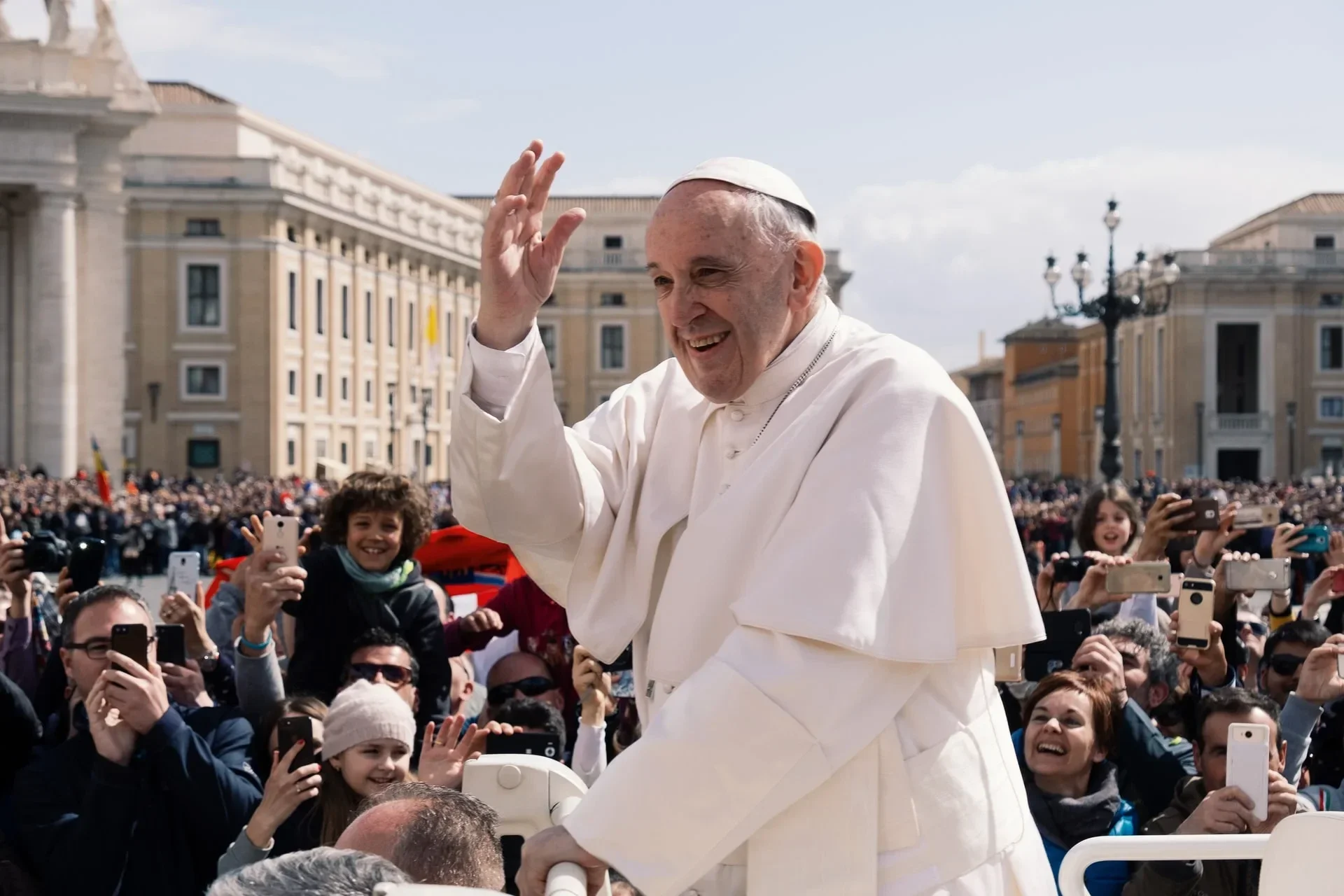
Pope Francis, a figure of profound influence and humility, leaves behind a legacy that resonates deeply with people across the globe. His funeral, set for April 26, 2025, marks the end of an era defined by compassion, inclusivity, and a relentless commitment to uplifting the marginalized. Leaders from around the world, including U.S. President Donald Trump and former president Joe Biden, will gather to pay their respects to a man who transcended religious boundaries to become a moral compass for many.
During his papacy, Pope Francis embodied the messages he delivered, particularly during his historic visit to the United States in 2015. Addressing Congress, he urged policymakers to consider the plight of the "down and out," emphasizing the moral responsibility of the powerful to uplift the powerless. His actions mirrored his words; he chose simplicity over opulence, living in a modest apartment and often cooking his own meals. This authenticity endeared him to millions, making his teachings not just sermons but lived experiences.
The decision not to bury Pope Francis in the Vatican is a testament to his humility. Instead, he will be laid to rest at the Basilica of Saint Mary Major, a place he often visited for prayer. This choice reflects his desire for a simple burial, devoid of grandeur, aligning with his lifelong commitment to eschewing the trappings of power.
As the world bids farewell to Pope Francis, his legacy serves as a reminder of the power of empathy and the importance of addressing societal inequities. His life was a call to action, urging leaders and individuals alike to build a world where compassion and justice prevail. In honoring him, we are reminded of our shared humanity and the enduring impact of a life lived in service to others.
by DR NTUBA AKWO THOMPSON
The 2025 New Orleans Jazz Festival: A Celebration of Music, Community, and Culture


The 2025 New Orleans Jazz Festival: A Celebration of Music, Community, and Culture
The 2025 New Orleans Jazz Festival stands as a testament to the rich musical heritage and vibrant community spirit of New Orleans. Organized by the Jazz & Heritage Foundation and sponsored by Shell Energy, the festival is more than just a musical event—it is a cultural phenomenon that brings together people of all ages, backgrounds, and walks of life.
A Gathering of Community and Music
One of the most striking aspects of the festival is the large and diverse crowds that gather at the Fair Grounds Racecourse, eagerly awaiting the opening of the gates. Among them, the elderly community plays a significant role, demonstrating the festival’s ability to foster intergenerational connections. The event provides a space where families, friends, and strangers alike can come together, share experiences, and revel in the joy of live music.
With multiple music stages, the festival showcases a wide array of artists, from local jazz legends to internationally renowned performers. The lineup includes genres beyond jazz, embracing blues, gospel, R&B, and rock, ensuring that there is something for everyone. The presence of food and drink vendors further enhances the experience, offering attendees a taste of New Orleans’ famous cuisine.
The Social and Economic Impact
Beyond entertainment, the festival serves as a catalyst for economic growth and community engagement. Local businesses benefit from the influx of visitors, while artists gain exposure and opportunities to connect with audiences. The festival also addresses social issues such as isolation, particularly among older adults, by providing a lively and inclusive environment where they can interact and feel a sense of belonging.
Additionally, the Jazz & Heritage Foundation plays a crucial role in giving back to the community. Through educational programs, the foundation supports aspiring musicians, offering them resources and mentorship to hone their craft. A particularly commendable initiative is the community ticket program, which distributes free tickets to nonprofit organizations that assist the less fortunate. This ensures that individuals facing economic hardships can still partake in the festival’s magic.
Conclusion
The 2025 New Orleans Jazz Festival is more than just a musical event—it is a celebration of culture, unity, and resilience. By bringing together people from all walks of life, supporting local artists, and fostering a sense of community, the festival continues to uphold its legacy as a cornerstone of New Orleans’ cultural identity. As the music plays and the crowds dance, the festival reaffirms the power of art to heal, inspire, and unite.
by DR NTUBA AKWO THOMPSON
New Orleans Holds French Quarters Festival Three Months after Truck Terror Killings and Violence . By Dr Ntuba Thompson AKWO


Dr. Ntuba Akwo Thompson's reflections on the resilience of New Orleans during the French Quarter Festival 2025 offer a poignant narrative of a city that refuses to be defined by tragedy. His visit to the Bourbon Street Memorial, commemorating the victims of the January 1, 2025, terrorist attack, underscores the profound impact of the event on the community. The attack, carried out by a truck driver who intentionally drove into a crowd of revelers, claimed the lives of 14 individuals and injured over 50 others. The memorial, adorned with crosses, flowers, candles, and messages of hope, stands as a testament to the enduring spirit of the victims' families and the broader community1.
Despite the shadow cast by this tragedy, New Orleans has demonstrated remarkable resilience. The city hosted the Super Bowl LIX at the Caesars Superdome on February 9, 2025, where the Philadelphia Eagles triumphed over the Kansas City Chiefs. This event, alongside the vibrant Mardi Gras celebrations in March3, showcased the city's ability to unite and celebrate its rich cultural heritage even in the face of adversity.
The French Quarter Festival 2025, held from April 10 to 13, further exemplifies this resilience. With over 300 musical acts across 22 stages and a diverse array of culinary offerings, the festival celebrates the unique spirit of Louisiana4. Dr. Ntuba's observations highlight how the festival serves as a beacon of hope and a reminder of the city's unwavering commitment to its traditions and community.
The memorial plaque Dr. Ntuba visited lists the names and ages of the 14 victims, ranging from 18 to 63 years old. Each cross at the memorial bears a name, inviting visitors to reflect on the lives lost and the importance of unity and love in the aftermath of such events1. This juxtaposition of remembrance and celebration encapsulates the essence of New Orleans—a city that honors its past while embracing its future.
Through his writings, Dr. Ntuba captures the indomitable spirit of New Orleans. The city's ability to host major events like the Super Bowl and Mardi Gras, and to come together for the French Quarter Festival, speaks to its resilience and the strength of its people. The memorial serves as a solemn reminder of the challenges faced, while the festival represents the vibrant and enduring culture that defines New Orleans. Together, they tell a story of a city that refuses to be subdued, choosing instead to celebrate life and community in the face of adversity.

EDITORIAL
Trump administration is remaking Higher Education in the USA .
BY DR NTUBA AKWO THOMPSON
The Trump administration has taken significant steps to fulfill a long-standing Republican goal of dismantling the Department of Education (DOE). This move, coupled with targeted funding cuts to universities like Columbia, has sparked widespread debate. Columbia University faced a $400 million reduction in federal funding due to its perceived failure to address antisemitism on campus2. Similarly, Johns Hopkins University announced layoffs of over 2,000 employees following the termination of $800 million in USAID funding4. These cuts have raised concerns about the future of research and academic freedom in the United States.
The decision to shut down USAID, led by the Department of Government Efficiency (DOGE), was recently deemed unconstitutional by a federal judge. The judge ruled that the unilateral actions violated the Constitution's Appointments Clause and separation of powers. Despite this ruling, the funding cuts have already impacted universities' ability to conduct research and support foreign students and experts.
The implications of these actions are profound. The reduction in federal funding not only jeopardizes critical research projects but also undermines the global reputation of American universities. Institutions like Johns Hopkins, which rely heavily on federal grants, are forced to scale back essential programs in public health, maternal care, and disease prevention. Furthermore, the scrutiny of foreign students and experts may deter international collaboration, which is vital for innovation and progress.
In conclusion, the Trump administration's approach to education and research funding reflects a broader agenda to reshape federal involvement in academia. While proponents argue that these measures eliminate waste and promote efficiency, critics warn of the long-term consequences for academic freedom, research capabilities, and international partnerships. The ongoing legal battles and public discourse will likely shape the future of education policy in the United States.

The President Donald Trump Tariffs effects already felt by Americans .
The tariffs imposed during Donald Trump's presidency have sparked significant debate regarding their impact on the U.S. economy. While some argue that these tariffs have exacerbated inflation and placed a financial burden on American consumers, others, particularly among Republicans, believe that the long-term benefits will outweigh the short-term challenges. This essay will explore both perspectives and analyze the broader implications of these trade policies.
The Case Against Tariffs
Critics of the tariffs argue that they have contributed to rising inflation by increasing the cost of imported goods. When tariffs are imposed on products from countries like China, the additional costs are often passed on to consumers in the form of higher prices. This has led to increased expenses for everyday items, from electronics to household goods, straining the budgets of American families.
Moreover, the tariffs have disrupted global supply chains, making it more expensive for U.S. businesses to source materials and components. This has not only driven up production costs but also hindered the competitiveness of American companies in the global market. For many, these economic challenges outweigh any potential benefits, leading to widespread criticism of the policy.
The Case for Tariffs
Proponents of the tariffs, particularly within the Republican Party, argue that they are a necessary tool to protect American industries and reduce dependence on foreign imports. By imposing tariffs, the U.S. government aims to encourage domestic production and create jobs in sectors like manufacturing and agriculture. Supporters believe that these policies will strengthen the U.S. economy in the long run, even if they cause short-term discomfort.
Additionally, tariffs are seen as a way to address unfair trade practices by other countries. For example, China has been accused of intellectual property theft and currency manipulation, which some argue have given it an unfair advantage in international trade. By imposing tariffs, the U.S. seeks to level the playing field and assert its economic interests.
Broader Implications
The debate over tariffs highlights the complex interplay between short-term economic challenges and long-term strategic goals. While the immediate impact of higher prices and disrupted supply chains cannot be ignored, the potential benefits of fostering domestic industries and addressing trade imbalances are equally significant.
Ultimately, the effectiveness of the tariffs will depend on how they are implemented and whether complementary policies are introduced to mitigate their negative effects. For instance, investing in infrastructure and workforce development could help American industries adapt and thrive in a more protectionist trade environment.
In conclusion, the tariffs imposed during Donald Trump's presidency have sparked a contentious debate about their impact on the U.S. economy. While critics point to rising inflation and economic disruption, supporters emphasize the potential long-term benefits of protecting American industries and addressing unfair trade practices. As the U.S. navigates these challenges, it will be crucial to strike a balance between immediate economic needs and broader strategic objectives.
by DR NTUBA , THOMPSON AKWO
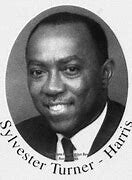
Texas 18th Congressional District of Houston will continue to be served from Washington DC .
Washington, DC—The Washington, DC, office and the district offices of former Representative
Sylvester Turner will continue to serve the people of the Eighteenth Congressional District of
Texas under the supervision of the Clerk of the House of Representatives. Representative Turner
passed away March 5, 2025.
Staff members of Representative Turner remain on the House payroll under the supervision of the
Clerk of the House to receive and undertake constituent casework, to help in handling business
with the departments of the executive branch of the government, to provide general status
information on pending legislation, and to offer other general constituent services provided by
House offices. The Clerk of the House is Kevin F. McCumber.
The Washington, DC, office and the Texas district offices are presently open on a daily basis to
accommodate congressional business. Under House Rules, the Clerk manages the offices when a
Member dies, resigns, or is expelled. This authority, which does not include voting representation,
continues until a successor is elected to fill the vacant seat. This is the third vacancy to occur
during the 119th Congress. Eighteen vacancies occurred in the 118th Congress.
The Washington office is located in 1318 Longworth House Office Building, Washington, DC
20515, telephone (202) 225-3816. Mail addressed to the Eighteenth Congressional District of
Texas will be delivered through the internal House mail distribution system.
The district offices are located at 2020 Solo Street, Houston, TX 77020, telephone (713) 227-
7740; 1919 Smith Street, Suite 1180, Houston, TX 77002, telephone (713) 655-0050; and 15651
North Freeway, Houston, TX 77090, telephone (713) 691-4882. Requests for further details
should be directed to the Office of the Clerk (202) 225-7000

DR NTUBA AKWO SENDS CONDOLENCES TO SYLVESTER TURNER,S FAMILY AND HOUSTON .
We are deeply saddened by the news of the passing of Honoural Sylvester Turner says Dr. Ntuba Akwo Thompson. Turner was a transformative leader.
His dedication and contributions have left an indelible mark on Congressional District 18, Texas, and the entire Houston community.
Honorable Turner,s legacy of service and leadership will be remembered and cherished by all who had the privilege of knowing him. Our thoughts and prayers are with his immediate family, the members of Congressional District 18, and the entire Houston and USA community during this difficult time.
May his soul rest in peace, and may his family find comfort in the outpouring of love and support from all those whose lives he touched.
Signed DR NTUBA , THOMPSON AKWO

Editorial
The United States' Stance on the Ukraine Conflict Under Donald Trump
The recent developments in the Ukraine conflict have taken a surprising turn with the United States, under the leadership of Donald Trump, siding with Russia for the first time. This decision was highlighted at the United Nations, where the U.S. refused to label Russia as the aggressor in the ongoing war. This move has left many NATO members in Western Europe embarrassed and concerned about the implications for international relations and the balance of power.
Even China, a country known for its strategic alliances, chose to abstain from the vote, leaving the United States as the only major power to refuse to call out Russia's aggression. This decision has sparked a wave of reactions from global leaders, including French President Emmanuel Macron. During a recent visit to the White House, Macron corrected Trump, emphasizing that Europe has provided substantial donations to Ukraine without the conditions or loans that the U.S. has imposed.
Despite the controversy, Trump continues to advocate for an end to the war, urging both Russian President Vladimir Putin and Ukrainian President Volodymyr Zelensky to commit to a ceasefire and focus on rebuilding efforts. This approach has been met with mixed reactions, as some view it as a pragmatic step towards peace, while others see it as a betrayal of Ukraine and a weakening of the international stance against Russian aggression.
The situation remains complex and fluid, with the potential for significant geopolitical shifts. The United States' new position under Trump has undoubtedly added a new dimension to the conflict, raising questions about the future of NATO, the role of global powers in conflict resolution, and the long-term impact on Ukraine's sovereignty and stability. BY DR NTUBA THOMPSON AKWO
Impact of Mardi Gras in New Orleans 2/24/2025


Impact of Mardi Gras in New Orleans
Dr. Ntuba Akwo Thompson's research on the impact of Mardi Gras in New Orleans provides a comprehensive analysis of its effects on humans, the city economy, and the environment. Mardi Gras, a vibrant and culturally significant event, has far-reaching implications that extend beyond the festivities.
Impact on Humans: Mardi Gras is a time of celebration, bringing together people from diverse backgrounds to partake in parades, music, and revelry. The event fosters a sense of community and cultural pride, allowing residents and visitors to connect and share in the unique traditions of New Orleans. However, the influx of tourists and the high-energy atmosphere can also lead to increased stress and fatigue for locals, as well as potential safety concerns due to overcrowding and alcohol consumption.
City Economy: Economically, Mardi Gras is a significant boon for New Orleans. The event generates nearly $900 million in direct and indirect economic impact, accounting for approximately 3.07% of the city's Gross Domestic Product. The influx of tourists boosts local businesses, including hotels, restaurants, and retail stores, providing a substantial financial injection into the city's economy. Additionally, the net fiscal benefit accrued to the city, including franchise value, is estimated at $28 million1. This economic boost helps support local jobs and infrastructure, contributing to the overall prosperity of New Orleans.
Environmental Impact: While Mardi Gras brings economic benefits, it also poses environmental challenges. The large crowds and festivities result in significant waste generation, including plastic beads, cups, and other debris. This waste can clog storm drains, pollute waterways, and harm local wildlife. Efforts to mitigate these environmental impacts include recycling programs, clean-up initiatives, and public awareness campaigns to encourage responsible behavior among participants.
In conclusion, Dr. Ntuba Akwo Thompson's work highlights the multifaceted impact of Mardi Gras on New Orleans. The event's cultural significance and economic benefits are undeniable, but it also presents challenges that require careful management to ensure the well-being of residents and the environment. By addressing these challenges, New Orleans can continue to celebrate Mardi Gras while preserving the city's unique heritage and natural beauty.

Pope Francis' Health Crisis and the Global Catholic Community's Response
Pope Francis' Health Crisis and the Global Catholic Community's Response
Pope Francis, the revered leader of the Roman Catholic Church and head of the Vatican, has recently been receiving treatment for bronchitis and pneumonia. The news of his hospitalization sent waves of concern throughout the global Catholic community. As the pontiff's condition became critical, Catholics around the world united in prayer, hoping for his swift recovery and the continued stability of the Church's leadership.
The Vatican reported that Pope Francis, despite his serious condition, has shown signs of improvement. He has been able to sit up and receive his medications, a positive indication of his resilience and determination. This news has brought a sense of relief to many who were deeply worried about his health and the future of the Church.
The global Catholic community's response to the pope's health crisis has been one of solidarity and faith. Prayers and well-wishes have poured in from all corners of the world, reflecting the deep connection and reverence that Catholics feel for their spiritual leader. The pontiff's critical condition highlighted the importance of his role in guiding the Church and its followers through challenging times.
French President Emmanuel Macron, during a recent visit to the White House, emphasized the significant support that Europe has provided to Ukraine, contrasting it with the conditions tied to U.S. aid. This statement underscored the complex geopolitical landscape and the differing approaches of global leaders in addressing international conflicts.
As Pope Francis continues his recovery, the Catholic community remains hopeful and prayerful. The pontiff's health crisis has served as a reminder of the fragility of life and the importance of unity and faith in times of uncertainty. The prayers and support from Catholics worldwide are a testament to the enduring strength of the Church and its followers.
In conclusion, Pope Francis' recent health challenges have brought the global Catholic community together in a powerful display of faith and solidarity. As the pontiff continues to receive treatment and show signs of improvement, the world watches with hope and prayer for his full recovery and the continued leadership of the Roman Catholic Church. by DR NTUBA , THOMPSON AKWO
NEWS BRIEFS

HEALTH.
WHO ADDRESS CHALLENGING GLOBAL HEALTH ISSUES IN PRESS CONFERENCE
The World Health Organization (WHO) recently held a press conference addressing several critical issues, including the financial shortfall resulting from the suspension of the United States' membership by former President Donald Trump. Dr. Ntuba Akwo Thompson of Health and Development Magazine and Media reported on the conference, highlighting the strategies proposed by WHO Director-General Dr. Tedros to mitigate the impact of this financial challenge.
Dr. Tedros outlined four key strategies to help the organization withstand the financial shocks:
-
Increase membership dues by members: Encouraging member countries to contribute more to support WHO's operations.
-
WHO Foundation working to raise more money: Leveraging the WHO Foundation to generate additional funds through donations and partnerships.
-
Investment round: Seeking investments from various sources to bolster the organization's financial stability.
-
Engagement with the USA to consider rejoining: Attempting to re-engage the United States, possibly with reduced membership contributions, despite accusations against Trump for prematurely terminating financial contributions in HIV/AIDS partnership work with other countries.**
Dr. Tedros emphasized the importance of continued technical and scientific cooperation with the USA, especially in light of recent Ebola outbreaks, wars in Africa, and requests from the CDC and other WHO partners . by DR THOMPSON NTUBA AKWO

DEVELOPMENT
The Benefits of Rebuilding Charity Hospital in New Orleans
Rebuilding the historic Charity Hospital in New Orleans would bring significant benefits to the city, county, and the state of Louisiana. This iconic infrastructure project stands as a beacon of economic rejuvenation, community empowerment, and healthcare advancement.
Economic Impact
The reconstruction of Charity Hospital is projected to generate substantial economic benefits for New Orleans and the broader Louisiana community. According to the redevelopment plans, the project is expected to yield $1.8 billion in economic output during the construction phase. This substantial financial injection will stimulate various sectors, including construction, retail, and services, fostering economic vitality in the region.
Moreover, the project will result in the creation of over 7,200 jobs, providing employment opportunities for thousands of residents. The job creation will not only enhance the standard of living for many families but also contribute to reducing unemployment rates in the area.
In the long term, the redeveloped Charity Hospital is projected to generate $7 million in new annual tax revenue. These funds will be reinvested into local communities, supporting public services, infrastructure improvements, and other community needs, ensuring that the benefits of the redevelopment are felt for years to come.
Community Empowerment
The reconstruction of Charity Hospital is not just an economic endeavor; it is a catalyst for community empowerment. The redevelopment project, spearheaded by Tulane University, aims to transform New Orleans by revitalizing a historic landmark and restoring it to its former glory. This project will preserve the cultural heritage of the city while modernizing its facilities to meet contemporary healthcare standards.
The new Charity Hospital will serve as a state-of-the-art medical center, providing top-notch healthcare services to residents of the downtown district and beyond. Access to quality healthcare is a fundamental necessity for any thriving community, and the rebuilt hospital will play a crucial role in ensuring that residents receive the medical care they need.
Regional Development
The benefits of the Charity Hospital redevelopment extend beyond New Orleans to encompass the entire state of Louisiana. As part of a broader initiative to stimulate statewide development, the project will have a ripple effect on the region's economy. By attracting investments, boosting tourism, and enhancing the healthcare infrastructure, the redevelopment will contribute to the overall growth and prosperity of Louisiana.
The involvement of Tulane University in the project highlights the collaborative effort required to achieve such transformative change. The slogan "LET'S BUILD IT TOGETHER" encapsulates the spirit of cooperation and shared vision that will drive the success of the redevelopment. By uniting stakeholders from various sectors, the project will ensure that the benefits are widespread and inclusive.
Conclusion
In conclusion, the reconstruction of Charity Hospital in New Orleans represents a significant opportunity for economic growth, community empowerment, and regional development. The projected economic output, job creation, and tax revenue will provide a substantial boost to the local economy, while the modernized healthcare facilities will enhance the quality of life for residents. By preserving the cultural heritage of the city and fostering a collaborative spirit, the redevelopment project will create a brighter future for New Orleans and the state of Louisiana as a whole. Let's build it together!
I hope this essay encapsulates the essence of the redevelopment project and its myriad benefits. Do you need any more information or specific details included?

BUSINESS .
NATIONAL SMALL BUSINESS CONFERENCE 2025
The 2025 National Small Business Conference recently concluded, leaving participants equipped with a wealth of resources to enhance their ability to contract with the U.S. government. This significant event aimed to support small businesses in navigating the complexities of government contracting, offering invaluable guidance and insights.
The conference was backed by notable sponsors, including major companies from various industries such as construction. This support from well-established corporations underscores the importance and impact of the conference, as these sponsors provided not only financial backing but also expertise and networking opportunities for attendees.
Throughout the conference, several key topics were addressed, including leadership principles and cooperation work. Participants had the opportunity to engage in sessions that emphasized the importance of effective leadership in achieving business success. These sessions covered various aspects of leadership, from strategic decision-making to inspiring and managing teams. The focus on leadership aimed to empower small business owners with the skills needed to lead their organizations effectively in a competitive market.
In addition to leadership, the conference highlighted the significance of cooperation and collaboration among small businesses. By fostering a sense of community and encouraging partnerships, the conference aimed to create a supportive network where businesses could share resources, knowledge, and opportunities. This cooperative approach is essential in enhancing the overall strength and resilience of small businesses, allowing them to thrive in the competitive landscape of government contracting.
The image provided showcases a promotional graphic for the 2025 National Small Business Conference, featuring the event's branding and sponsor logos. The graphic highlights the involvement of the National 8(a) Association, a key organization that supports small and disadvantaged businesses. The sponsorship by Unanet, a prominent player in the industry, further emphasizes the conference's credibility and the substantial support it received from the business community.
In summary, the 2025 National Small Business Conference was a pivotal event for small businesses looking to engage in government contracting. With the support of deep-pocketed sponsors and a focus on leadership and cooperation, the conference provided attendees with the tools and knowledge needed to rejuvenate their capabilities and achieve success in their ventures.

CULTURE .
Mardi Gras and it,s Cultural Significance
Mardi Gras in New Orleans, also known as "Fat Tuesday," is one of the most renowned and culturally rich events that the city hosts each year. The festivities, which extend from Friday, February 14th to Sunday, February 16th, fill the French Quarter and other venues with vibrant parades and a celebratory atmosphere. This tradition, deeply rooted in the city’s history and Catholic heritage, precedes the Lenten season, offering a time of indulgence before the period of fasting and reflection.
The origins of Mardi Gras in New Orleans date back many decades, reflecting the city's French colonial history and its strong Catholic roots. The celebration was brought to Louisiana by French settlers in the early 18th century and has since evolved into a grand festival that draws millions of visitors from around the world. The event is not just a local celebration but a symbol of the city’s cultural identity and its ability to bring people together.
Throughout the city, decorations in purple, gold, and green adorn homes, businesses, and public spaces. Each color holds a special meaning: purple represents justice, gold signifies power, and green symbolizes faith. These colors are a testament to the rich cultural heritage and traditions that make Mardi Gras a unique and cherished event.
During the weekend of festivities, Dr. Ntuba has engaged with many residents to gather their perspectives on the origins and cultural significance of Mardi Gras. The people of New Orleans hold deep respect and pride for this celebration, seeing it as an integral part of their city, state, and national identity. For many, Mardi Gras is more than just a festival; it is a celebration of community, history, and culture that has withstood the test of time.
Visitors from across the United States and around the globe flock to New Orleans to partake in the diverse cultural experiences that Mardi Gras offers. The festivities include a dazzling array of parades, featuring elaborate floats, colorful costumes, and lively marching bands. The French Quarter, in particular, becomes a bustling hub of activity, with street performers, musicians, and artists adding to the vibrant atmosphere.
In addition to the parades, guests have the opportunity to savor the unique cuisine of New Orleans, which is a fusion of Creole, Cajun, and French culinary traditions. From beignets and king cakes to gumbo and jambalaya, the flavors of Mardi Gras are as diverse and captivating as the celebration itself.
As the festivities unfold, the spirit of Mardi Gras permeates every corner of the city, showcasing New Orleans' rich cultural tapestry and its ability to unite people in joyous celebration. It is a time when the city’s history, traditions, and community come together in a spectacular display of color, music, and festivity, creating memories that last a lifetime.
In summary, Mardi Gras in New Orleans is not just an event; it is a cultural phenomenon that embodies the essence of the city and its people. Through parades, decorations, culinary delights, and a deep sense of community, this celebration continues to captivate and inspire both locals and visitors alike, preserving its legacy for future generations to enjoy.


EDITORIAL
Trump's Call with Putin and Its Impact on NATO and Ukraine
In a recent phone call with Russian President Vladimir Putin, former U.S. President Donald Trump announced a potential end to the Ukraine war. Trump described the conversation as "highly productive" and stated that they agreed on the need to stop the conflict1. This announcement has sent shockwaves through NATO, prompting an emergency meeting ahead of the NATO security summit.
The United States' Defense Secretary Pete Hegseth further complicated matters by declaring that the U.S. will not be defending Ukraine and NATO. Instead, Hegseth emphasized that the U.S. will focus on securing its own borders2. This stance contradicts the position and demands of Ukraine and Europe, causing panic and confusion among NATO members.
NATO allies have expressed their concerns, insisting that Ukraine and Europe must not be excluded from any peace negotiations. The U.S. administration's shift in policy has raised troubling questions about America's commitment to European security2. European governments are reeling from the news, as they had previously relied on NATO for security guarantees.
The situation has also put Ukrainian President Volodymyr Zelenskyy in a difficult position. Zelenskyy has long demanded full territorial liberation and NATO membership for Ukraine4. However, Trump's recent statements suggest that Ukraine reclaiming all its occupied land is "unrealistic," and NATO membership for Ukraine is unlikely.
In conclusion, Trump's call with Putin and the subsequent statements by the U.S. Defense Secretary have created a significant rift within NATO and raised doubts about the future of Ukraine's security. The coming days will be crucial in determining how NATO and Ukraine navigate this new geopolitical landscape.
BY DR NTUBA AKWO THOMPSON EDITOR HEALTHNDEVELOPMENT MAGAZINE AND MEDIA
Journalistic Bio: Dr. Ntuba Akwo Thompson
Dr. Ntuba Akwo Thompson is a prominent figure in international health and development communication, with extensive experience in press and media work, particularly in the United States. With a career spanning decades, Dr. Thompson has collaborated with city governments, counties, states, and federal entities, providing his expertise in public health and development policies. His exceptional ability to translate complex global health issues into accessible and engaging narratives has made him a sought-after communicator and consultant.
Dr. Thompson's work transcends borders, offering critical analysis and informed opinions on a wide range of global issues. He is known for his ability to navigate the intricate political landscapes and provide leadership in international political discussions. His insights have been instrumental in shaping public discourse on health and development, earning him recognition as an authoritative voice in the field.
In addition to his media and press contributions, Dr. Thompson actively engages with academic and professional communities, sharing his knowledge and fostering collaboration among stakeholders. His dedication to improving global health and development outcomes continues to drive his work, making him a key player in the ongoing efforts to address some of the world's most pressing challenges.
HEALTHNDEVELOPMENT PREVIOUS NEWS [ARCHIVED ]

DONALD TRUMP AND OTHERS
F

NATIONS CAUTIONED AGAISNT WAR
C

HND VIDEOS
D

DRUG COURTS
C

Importance of Membership in the Association of Cameroonian Physicians in America (ACPA)
The Importance of Membership in the Association of Cameroonian Physicians in America (ACPA)
The Association of Cameroonian Physicians in America (ACPA) serves as an essential bridge for physicians of Cameroonian origin residing in North America. This organization is pivotal in fostering personal and professional growth, promoting scholarship, integrating these professionals into the North American healthcare industry, and maintaining strong ties to Cameroon’s health sector. Membership in the ACPA is not merely symbolic; it has profound significance in multiple dimensions.
Networking and Collaboration
Membership in the ACPA offers an unparalleled opportunity for networking and collaboration. Physicians of Cameroonian origin in North America are provided with a robust platform to connect, exchange ideas, and collaborate on various projects. This network enables members to learn from each other's experiences, share best practices, and find mentorship opportunities. These interactions are crucial for personal and professional growth, as they foster an environment of mutual support and continuous learning.
Promoting Scholarship and Integration
The ACPA is deeply committed to promoting scholarship among its members. By facilitating access to academic resources, organizing conferences, and encouraging research collaborations, the association plays a vital role in the academic and professional development of its members. Additionally, the ACPA helps integrate Cameroonian physicians into the North American healthcare industry. This integration is facilitated through various programs and initiatives aimed at ensuring that members are well-equipped to navigate and thrive in the complex healthcare landscape of North America.
Involvement in Healthcare Delivery and Policy in Cameroon
A significant aspect of the ACPA's mission is to provide a forum for involvement in healthcare delivery and policy in Cameroon. Through effective communication and collaboration with Cameroon health authorities, the association ensures that members can contribute their expertise to the betterment of healthcare in their home country. This involvement is crucial for addressing the healthcare challenges in Cameroon and for fostering a strong, mutually beneficial relationship between Cameroonian physicians in the diaspora and their counterparts back home.
Addressing Health Issues and Debating Evolving Health Concerns
The ACPA is also dedicated to playing a significant role in all matters affecting the health of Cameroonians. The association provides a platform for debating evolving health issues, ensuring that members stay informed about the latest developments in healthcare and are prepared to tackle new challenges. This forum for debate and discussion is vital for maintaining a high standard of healthcare practice among members and for ensuring that they are equipped to address the unique health concerns of the Cameroonian community.
Developing Practical Solutions for Cameroonian Healthcare Problems
Lastly, the ACPA encourages the development of practical solutions to Cameroonian healthcare problems through training and other strategic activities inside Cameroon. By organizing training programs, workshops, and other initiatives, the association helps build the capacity of healthcare professionals in Cameroon. These efforts are crucial for addressing the healthcare needs of the Cameroonian population and for fostering sustainable improvements in the country's healthcare system.
In conclusion, membership in the ACPA is invaluable for physicians of Cameroonian origin in North America. It provides a supportive network for personal and professional growth, promotes scholarship and integration, facilitates involvement in healthcare delivery and policy in Cameroon, addresses health issues, and encourages the development of practical solutions to healthcare problems. Through its various initiatives and programs, the ACPA ensures that its members are well-prepared to contribute to the advancement of healthcare both in North America and in Cameroon.
by DR , THOMPSON AKWO NTUBA ,International Physician, Politician, Preacher and Publisher of Healthndevelopment magazine and Media
HND NEWS BRIEFS.

Gospel Ministries' Outreach at Super Bowl 2025 in New Orleans
The 2025 Super Bowl in New Orleans was not only a grand spectacle of athleticism and entertainment but also a significant event for spreading the message of faith. Gospel ministries from cities as far away as Atlanta, Houston, and others descended upon New Orleans, aiming to preach the gospel of Christ to the multitude of attendees who gathered downtown. The streets, especially Canal Street, buzzed with great excitement and the loud preaching of various Christian groups, all proclaiming that Christ is the path to salvation and reconciliation with God. Among the passionate ministers was Rev. Dr. Ntuba Akwo Thompson, who joined his fellow preachers in amplifying and communicating this vital message.
The arrival of these gospel ministries brought a unique dimension to the Super Bowl festivities. Beyond the excitement of the game and the entertainment, the presence of these faith-driven groups provided spiritual nourishment to those who sought it. The ministers and evangelists set up prayer tents, handed out literature, and engaged in heartfelt conversations with attendees, offering hope and spiritual guidance. The atmosphere was electric, with enthusiastic sermons and joyful singing filling the air, creating a sense of community and shared purpose among the believers.
Rev. Dr. Ntuba Akwo Thompson, a respected minister and advocate for faith-based outreach, played a pivotal role in this spiritual movement. His dedication to spreading the message of Christ and his ability to connect with people made him a significant presence on the streets of New Orleans. Dr. Thompson, along with his fellow ministers, used this opportunity to reach out to individuals from diverse backgrounds, emphasizing the importance of faith and the transformative power of God's love.
The impact of this outreach was profound. Many attendees, who might have come to New Orleans solely for the Super Bowl, found themselves drawn to the message of hope and redemption offered by these gospel ministries. The ministers' efforts resonated with individuals facing various life challenges, providing them with a sense of purpose and direction. The combination of the festive Super Bowl atmosphere and the passionate preaching created a unique environment where people could experience both joy and spiritual awakening.
In conclusion, the presence of gospel ministries at the 2025 Super Bowl in New Orleans highlighted the power of faith and the importance of spiritual outreach. The efforts of Rev. Dr. Ntuba Akwo Thompson and other ministers brought the message of Christ to a diverse and extensive audience, fostering a sense of community and hope. This event not only showcased the significance of athletic achievements but also the profound impact of faith-based initiatives on individuals' lives. The enthusiasm and dedication of these gospel ministries will be remembered as a testament to the enduring power of faith and the unifying spirit of the Super Bowl.

Financial Contributions of Super Bowl 2025 to Businesses in New Orleans
The 2025 Super Bowl, held in New Orleans, was not just a spectacular sports event but also a significant economic boon for the city. Businesses in New Orleans were estimated to collectively receive close to $3.5 million in revenue due to the influx of visitors and the heightened activity surrounding the event1. This financial windfall was a crucial part of the city's ongoing efforts to rebuild and grow after the devastation caused by Hurricane Katrina.
The Super Bowl's economic impact extended beyond just the immediate revenue generated for local businesses. The event attracted over 70,000 visitors and thousands of media professionals, creating a ripple effect that benefited various sectors of the economy1. Hotels, restaurants, bars, and entertainment venues saw a surge in customers, while local vendors and service providers experienced increased demand for their products and services.
One of the key strategies employed by New Orleans to capitalize on the Super Bowl was the establishment of an economic development center, which showcased local business opportunities to corporate visitors. This initiative aimed to foster long-term business relationships and attract new investments to the city1. Additionally, the "Impact 59 Powered by Entergy" program provided $3.5 million in grants to 65 nonprofit organizations across the Greater New Orleans region, supporting workforce training, youth development, and equity initiatives.
The Super Bowl also served as a platform for New Orleans to demonstrate its resilience and capacity to host large-scale international events. The city's successful hosting of the event helped to rebuild its reputation and attract future events, further contributing to its economic growth2. The extensive media coverage and positive feedback from visitors and officials highlighted the city's unique culture, entertainment, and hospitality, making it an attractive destination for tourists and businesses alike.
In conclusion, the financial contributions of Super Bowl 2025 to businesses in New Orleans were substantial and played a vital role in the city's ongoing recovery and development efforts. The event not only generated immediate revenue but also created opportunities for long-term economic growth and international recognition1. New Orleans' ability to leverage the Super Bowl for economic and social benefits exemplifies the city's resilience and determination to thrive despite past challenges

Philadelphia Eagles' 2025 Super Bowl Victory
In a thrilling culmination of the 2025 NFL season, the Philadelphia Eagles emerged victorious at the Super Bowl held in New Orleans. The match was a riveting spectacle, marked by the Eagles’ strong start and a valiant effort by the Kansas City Chiefs, led by their star quarterback, Patrick Mahomes. Despite the Chiefs' determination to make history by winning three consecutive Super Bowl titles, they ultimately fell short of their ambitious goal. The event was further distinguished by the unprecedented attendance of a sitting U.S. President, Donald Trump, who broke tradition to witness the grand finale. Amidst the excitement, the halftime entertainment sparked some controversies but concluded harmoniously, adding to the memorable nature of the occasion.
The Philadelphia Eagles showcased their prowess from the very beginning, dominating the first half with an impressive display of skill and strategy. Their offense, led by their dynamic quarterback, set the pace early on, putting the Chiefs on the defensive. The Eagles’ well-coordinated plays and robust defense stifled the Chiefs' attempts to gain momentum, establishing a solid lead by halftime.
Patrick Mahomes, known for his remarkable talent and leadership, rallied the Chiefs in the second half. His performance was nothing short of spectacular, as he orchestrated several successful drives and kept the Chiefs within striking distance. However, despite their best efforts and flashes of brilliance, the Chiefs were unable to overcome the Eagles’ advantage. The Eagles’ defense held firm, thwarting the Chiefs’ attempts to claim a historic third consecutive title.
Adding to the historical significance of the 2025 Super Bowl was the attendance of President Donald Trump. This marked the first time a sitting U.S. president attended the Super Bowl, breaking a long-standing tradition. President Trump’s presence underscored the importance of the event and added a layer of excitement and national pride. His attendance symbolized the unifying power of sports, bringing together people from diverse backgrounds to celebrate a shared passion.
The halftime show, as always, was a highlight of the evening, though not without its share of controversies. The choice of songs and performers sparked debates and differing opinions among viewers and critics. While some appreciated the bold artistic expressions, others found aspects of the performance contentious. Nonetheless, the show ultimately concluded on a positive note, adding to the overall spectacle and entertainment value of the Super Bowl.
In conclusion, the Philadelphia Eagles’ victory at the 2025 Super Bowl was a testament to their skill, determination, and teamwork. The game itself was a captivating contest between two formidable teams, with the Eagles prevailing over the Chiefs despite Patrick Mahomes’ best efforts. The presence of President Donald Trump and the lively halftime show added unique dimensions to the event, making it a historic and unforgettable Super Bowl. The Eagles’ triumph will be celebrated by their fans for years to come, a proud moment in the annals of NFL history. by DR NTUBA AKWO THOMPSON

Dr. Ntuba Akwo Thompson and The Foundation for a Drug-Free World Outreach during Superbowl 2025
In a society increasingly grappling with the consequences of drug abuse, the tireless efforts of individuals and organizations dedicated to prevention and education are invaluable. Dr. Ntuba Akwo Thompson and The Foundation for a Drug-Free World stand as beacons of hope in this arena, working assiduously to educate the public about the dangers of drug abuse. Their recent outreach initiative at the 2025 Super Bowl in New Orleans exemplifies the significant impact of their work.
Dr. Ntuba Akwo Thompson, a fervent advocate for drug-free communities, has dedicated his career to raising awareness and providing education on the harmful effects of drugs. His commitment to the cause is evident in his active participation in various outreach programs and events. Dr. Thompson understands that drug abuse is not just a personal issue but a societal one that requires a collective effort to combat.
The Foundation for a Drug-Free World, established with the mission to educate youth and adults about the realities of drug abuse, complements Dr. Thompson's efforts. The foundation provides free educational materials, including booklets, videos, and seminars, designed to inform and empower individuals to make informed decisions. Their approach is rooted in the belief that accurate information is the most effective tool in preventing drug abuse.
The 2025 Super Bowl in New Orleans presented a unique opportunity for outreach, given the event's massive audience and cultural significance. With thousands of attendees and millions of viewers, the Super Bowl is more than just a sporting event; it is a cultural phenomenon. Dr. Thompson and The Foundation for a Drug-Free World seized this opportunity to reach a diverse and extensive audience.
Their presence at the Super Bowl included distributing educational materials, engaging in one-on-one conversations, and conducting interactive sessions. The goal was not only to inform but also to inspire action. By sharing personal stories and factual information about the dangers of drug abuse, they sought to create a lasting impression on attendees.
The impact of their outreach at such a high-profile event cannot be overstated. Events like the Super Bowl attract people from all walks of life, making it an ideal platform to spread critical messages. Dr. Thompson and The Foundation for a Drug-Free World's efforts likely resonated with many attendees, potentially altering perceptions and encouraging healthier choices.
In conclusion, the work of Dr. Ntuba Akwo Thompson and The Foundation for a Drug-Free World is crucial in the fight against drug abuse. Their educational initiatives and outreach programs play a vital role in raising awareness and promoting a drug-free lifestyle. By leveraging the visibility and reach of events like the Super Bowl, they can make a significant impact on public awareness and contribute to the broader goal of a drug-free world.
Welcome to HEALTHNDEVELOPMENT Magazine
At HEALTHNDEVELOPMENT, we believe in the power of Words, Interviews and Vidoes to drive Health and Development NEWS .
NEWS BRIEFS


Canada and Mexico have announced retaliatory tariffs on U.S. imports in response to President Donald Trump's recent tariffs on their goods. Trump's administration imposed a 25% tariff on imports from Canada and Mexico, and a 10% tariff on imports from China, citing national security concerns related to illegal immigration and drugs2.
In retaliation, Canada has imposed matching 25% tariffs on up to $155 billion worth of U.S. imports, including alcohol, fruit, and other products. Mexican President Claudia Sheinbaum has also announced retaliatory tariffs, though specific details on rates and products have not yet been disclosed1.
These actions have sparked concerns about potential economic disruptions and inflation, as well as the impact on the global economy. Both Canadian Prime Minister Justin Trudeau and Mexican President Sheinbaum have expressed their disappointment and emphasized the importance of standing up for their countries' interests1.
The situation remains fluid, and it's unclear how the trade war will unfold. However, it's evident that the tariffs have strained relations between the U.S., Canada, and Mexico, and could have significant implications for businesses and consumers in all three countries.
What are your thoughts on this development?
The Teachers in Technology Conference 2025 in Austin, Texas was a monumental gathering that celebrated the confluence of education and technology. With thousands of participants and attendees, this event showcased the transformative potential of technology in the field of education, highlighting innovative practices and tools that are shaping the future of teaching and learning.
The atmosphere at the conference was electric, buzzing with excitement and enthusiasm from educators, technologists, and industry leaders who came together to share their knowledge and experiences. The City of Austin, known for its vibrant tech scene, provided the perfect backdrop for this confluence of ideas and innovations.
Participants had the opportunity to attend a variety of learning sessions, each meticulously designed to address the evolving needs of modern educators. These sessions covered a wide range of topics, from the integration of artificial intelligence in the classroom to the use of virtual reality for immersive learning experiences. Attendees could choose from hands-on workshops, panel discussions, and keynote presentations, all led by experts in the field.
One of the main highlights of the conference was the exhibit halls, where attendees could explore the latest technological advancements and educational tools. The exhibit halls were a treasure trove of innovations, featuring cutting-edge software, hardware, and digital resources. Vendors and exhibitors showcased products that promised to revolutionize the way teachers approach instruction and student engagement. Interactive displays and live demonstrations allowed educators to experience these tools firsthand, sparking ideas and inspiring them to implement new strategies in their own classrooms.
The conference also served as a valuable networking opportunity, fostering connections between educators from diverse backgrounds and regions. Informal discussions and collaborative sessions facilitated the exchange of ideas and best practices, creating a sense of community and shared purpose among participants. These interactions were not only enlightening but also empowering, as they reinforced the collective mission to enhance the quality of education through technological advancements.
In addition to the formal sessions and exhibits, the conference featured a variety of special events, including award ceremonies, book signings, and social gatherings. These events added a layer of excitement and camaraderie, allowing attendees to celebrate their achievements and build lasting relationships.
The Teachers in Technology Conference 2025 was a testament to the power of collaboration and innovation. It underscored the importance of equipping educators with the tools and knowledge they need to navigate the complexities of the digital age. As participants returned to their respective schools and institutions, they carried with them a renewed sense of purpose and a wealth of ideas to implement in their classrooms.
Overall, the conference was a resounding success, leaving an indelible mark on all who attended. It highlighted the dynamic and ever-evolving nature of education and technology, reminding us that the journey to improve teaching and learning is a continuous one. The insights and experiences gained at the conference will undoubtedly shape the future of education, paving the way for a more innovative and inclusive approach to learning.
by Dr Thompson Ntuba Akwo

DR NTUBA AKWO THOMPSON PARTICIPATES IN TCEA 2025

RELIGIOUS BRIEFS
HealthnDevelopment Magazine continues to play a crucial role in gathering and communicating religious news and information globally. The magazine focuses on bridging the gap between spirituality and health, highlighting how religious practices and beliefs can impact physical and mental well-being.
By covering a wide range of topics, from key legal conflicts affecting religious freedom to the role of religious communities during global health crises like the COVID-19 pandemic, HealthnDevelopment Magazine provides a comprehensive view of the intersection between religion and health1.
The magazine's commitment to exploring these issues helps foster understanding and collaboration between public health leadership and religious communities, ultimately aiming to improve health outcomes and build trust.
What do you think about the magazine's approach to covering religious news and information?


MEXICO AND CANADA INCREASE TARRIFS ON US MADE GOODS, IN REVENGE OF USA .
In response to the tariffs imposed by President Donald Trump on imports from Canada and Mexico, both countries have announced retaliatory measures. Canada has imposed a 25% tariff on up to $155 billion worth of U.S. goods, including items like alcohol, lumber, and appliances1. Mexico has also announced similar tariffs, though specific details on the rates and products have not yet been disclosed.
These retaliatory tariffs are part of a broader trade conflict that has significant implications for businesses and consumers in all three countries. The tariffs could lead to higher prices for a range of goods, from fresh produce to manufactured products, potentially impacting the cost of living for many Americans3. Additionally, the trade tensions could disrupt supply chains and affect industries that rely on cross-border trade, such as the automotive and agriculture sectors.
The situation remains fluid, and it's unclear how the trade war will unfold. However, it's evident that the tariffs have strained relations between the U.S., Canada, and Mexico, and could have significant economic consequences for all parties involved.


HEALTH BRIEFS
HealthnDevelopment Magazine's news brief on health serves as a valuable resource for both professionals and laypeople. The magazine provides up-to-date information on various health topics, including medical research, nutrition, fitness, and healthcare trends.
For professionals, the news brief offers insights into the latest developments in the healthcare industry, helping them stay informed about new treatments, technologies, and best practices. It also highlights key legal conflicts and policy changes that could impact their work.
For laypeople, the news brief simplifies complex health information, making it accessible and understandable. It covers practical advice on maintaining physical and mental well-being, as well as tips on navigating the healthcare system.
By catering to both audiences, HealthnDevelopment Magazine ensures that everyone, regardless of their background or expertise, has access to reliable and relevant health information. This approach helps empower individuals to make informed decisions about their health and well-being.
What do you think about the magazine's approach to providing health information?

ELON MUSK IS REMAKING USA GOVERNMENT, CRITICS WARN .
Critics are raising concerns about Elon Musk's increasing influence over the U.S. government under President Donald Trump's administration. Musk, who has been appointed as a "special government employee," is leading a new Department of Government Efficiency (DOGE) with the goal of cutting costs and streamlining federal operations1. However, this move has sparked fears that Musk is amassing too much power without proper accountability.
Some key points of contention include:
-
Access to Sensitive Data: Musk's team has gained access to sensitive systems, such as the U.S. Treasury Department's payment system, raising alarms about potential misuse of personal and financial information.
-
Dismantling Agencies: Musk has been involved in shutting down agencies like the U.S. Agency for International Development (USAID), which critics argue undermines established institutions and their missions.
-
Lack of Oversight: Critics argue that Musk's role lacks sufficient oversight and transparency, with some Democrats calling it an illegal consolidation of power.
Supporters of the administration argue that Musk's efforts are necessary to reduce government waste and improve efficiency. However, the debate continues over whether this approach is a legitimate effort to reform government or a politically motivated move that could undermine democratic checks and balances3.


The TCEA Annual Conference 2025 in Austin, Texas, was a vibrant and dynamic event that showcased various aspects of educational technology and innovation. The conference, held from February 1 to February 5, 2025, brought together educators, IT leaders, tech professionals, and other stakeholders in the field of education1.
Key Highlights
-
Learning Sessions: The conference featured over 700 educational sessions tailored for teachers, administrators, tech professionals, and educators of all backgrounds. Topics ranged from STEAM (Science, Technology, Engineering, Arts, and Mathematics) to digital citizenship, literacy, and leadership1.
-
Keynote Speakers: The event included dynamic keynote speakers such as Dr. Adolph “Doc” Brown, who inspired attendees with his unique approach to learning, and Leslie Fisher, who shared her tech expertise with delightful surprises.
-
Exhibit Halls: Attendees had the opportunity to explore the exhibit halls, where they could interact with exhibitors showcasing the latest educational technologies, software, and digital resources.
-
Leadership Summit: A new addition to the conference was the Leadership Summit, a full-day workshop designed for district and campus leaders to explore critical topics and develop actionable strategies.
-
Microcredentials: Participants could earn free microcredentials, which are competency-based digital badges showcasing expertise in specific areas of education, such as AI in education, digital creation, and educational leadership.
Visuals
The conference was captured in numerous photos that highlighted the diverse and engaging nature of the event. Images showcased the excitement and collaboration among attendees, the innovative technologies on display, and the inspiring moments from keynote speeches and sessions.
Overall, the TCEA Annual Conference 2025 was a testament to the power of collaboration and innovation in education, providing attendees with valuable insights, networking opportunities, and a renewed sense of purpose.
Would you like to know more about any specific aspect of the conference?

DEVELOPMENT BRIEFS
HealthnDevelopment Magazine's development briefs are meticulously aligned with the components of the United Nations' Sustainable Development Goals (SDGs). These briefs provide insightful and comprehensive coverage of various global issues, emphasizing the importance of sustainable development in key areas such as education, energy, and more.
Education
The magazine's focus on education highlights the critical need for accessible and quality education for all. It explores innovative approaches to teaching and learning, shares best practices from around the world, and discusses policies that promote inclusive and equitable education. By shedding light on these topics, HealthnDevelopment Magazine aims to support SDG 4, which seeks to ensure inclusive and equitable quality education and promote lifelong learning opportunities for all.
Energy
In the realm of energy, HealthnDevelopment Magazine addresses the challenges and opportunities in transitioning to sustainable energy sources. The development briefs cover advancements in renewable energy technologies, policy initiatives to reduce carbon emissions, and strategies for increasing energy efficiency. These efforts align with SDG 7, which aims to ensure access to affordable, reliable, sustainable, and modern energy for all.
Other Key Areas
HealthnDevelopment Magazine also delves into other components of the SDGs, including:
-
Health: Promoting health and well-being for all ages (SDG 3)
-
Clean Water and Sanitation: Ensuring availability and sustainable management of water and sanitation (SDG 6)
-
Industry, Innovation, and Infrastructure: Building resilient infrastructure, promoting inclusive and sustainable industrialization, and fostering innovation (SDG 9)
-
Climate Action: Taking urgent action to combat climate change and its impacts (SDG 13)
By consistently aligning its content with the SDGs, HealthnDevelopment Magazine not only informs its readers but also inspires them to contribute to a more sustainable and equitable world. Its development briefs serve as a valuable resource for policymakers, educators, industry leaders, and the general public, providing them with the knowledge and tools needed to drive positive change.
How do you feel about the magazine's commitment to sustainable development?


NEWS BRIEFS


In Austin and other U.S. cities, Americans persist in protesting against Donald Trump's immigration policies and other measures. Demonstrations emphasize concerns over mass deportations, diversity program cuts, and government efficiency initiatives. Protesters are calling for justice, inclusivity, and the protection of democratic values, reflecting the public's demand for fair and humane treatment of all individuals.
Impact of Donald Trump's Economic Policies on the US Dollar
President Donald Trump's economic policies have begun to show their effects on the US dollar, which is experiencing a decline in value. Initially, Trump's promises of substantial economic reforms led to a surge in the dollar's value1. However, as his policies, including tariffs, tax cuts, and deregulation, have been implemented, market confidence has waned. The political uncertainty and disruptions in global trade have contributed to the dollar's depreciation1. Trump is now realizing that his short-term economic policies may have unintended consequences, including a weakened dollar.

U.S. Agency for International Development (USAID) and its role in providing humanitarian aid globally.
-
Announcement: Trump administration's announcement to merge USAID with the State Department under the leadership of Secretary of State Marco Rubio.
-
Purpose: Purpose of the essay, is to explore the implications and criticisms of this merger.
1. Reasons for the Merger
-
Efficiency: Administration's argument for merging the two entities to streamline operations and reduce redundancy.
-
Leadership: Marco Rubio's role and his vision for aligning USAID's functions with U.S. foreign policy.
2. Critics' Perspective
-
Political Motivation: Critics' view that the merger is politically motivated to dismantle a congressionally created organization.
-
Impact on Aid Programs: Many are Concerned about the potential negative impact on USAID's humanitarian programs and global health initiatives.
-
Loss of Independence: Merging USAID with the State Department might compromise its independence and ability to operate in countries without diplomatic relations.
3. Potential Consequences
-
Operational Challenges: The potential challenges in integrating the two agencies and maintaining their distinct missions.
-
Global Reputation: This move might affect the U.S.'s global reputation and its ability to provide aid effectively.
-
Legal and Political Hurdles: Legal and political obstacles that might arise from this decision.
Democratic Party's Need for Strategy Change
To maintain and strengthen its political influence, the Democratic Party must adapt its strategies to address the pressing concerns of Americans. This includes focusing on securing the borders, tackling inflation, and reforming the tax system. By prioritizing these issues, the party can better meet the needs of citizens and build a more robust and sustainable future for the country. Effective border security will ensure national safety, while addressing inflation and taxes will help alleviate the financial burden on American families. Ultimately, these changes are essential for the party to remain relevant and responsive to the evolving demands of the electorate.
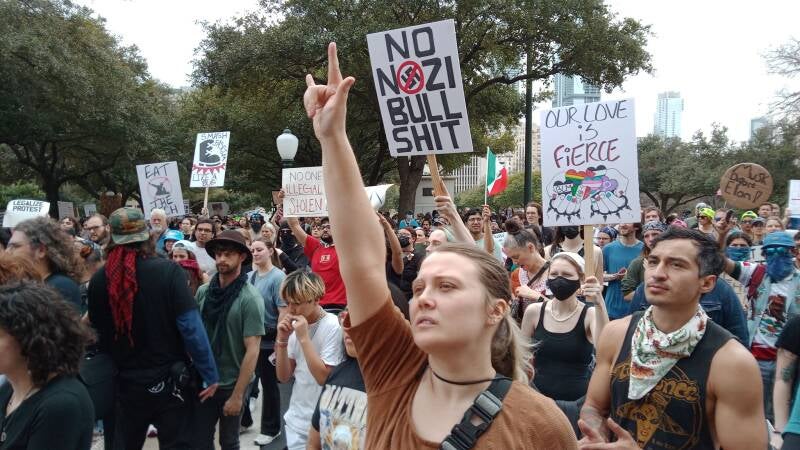

BRIEF NEWS GLOBALLY

Jobs of the future

Jobs remain a request of many in the USA

Business
.
Services


“Working with HEALTHNDEVELOPMENT has been a game-changer for our business. Their writing expertise and attention to detail have elevated our brand to new heights.”
Contact us
Get in touch with us today to take your content to the next level.
Location
HEALTHNDEVELOPMENT
San Antonio, Texas, United States
About us
HEALTHNDEVELOPMENT magazine is Global media outlet that gathers and distribute international news with Dr Thompson Ntuba Akwo as editor who has covered and reported in many states for many years in the USA .