

Unveiling the complexities: Iran, USA, Israel
Explore the origins, progression, and profound human cost of the Iran-USA-Israel conflict. Understand the critical events, including the killing of Kameini, the humanitarian suffering, and the perceived helplessness of UN Secretary-General Antonio Guterres. Join HEALTHNDEVELOPMENT as we seek to bring clarity to this multifaceted global issue.

The roots of conflict: understanding the origins
Delve into the historical backdrop and key events that have shaped the ongoing tensions between Iran, the USA, and Israel. From geopolitical ambitions to ideological divides, we unpack the foundational elements that led to the current state of affairs. Discover why the Iran deal was important and its subsequent unraveling.
Public sentiment and global impact
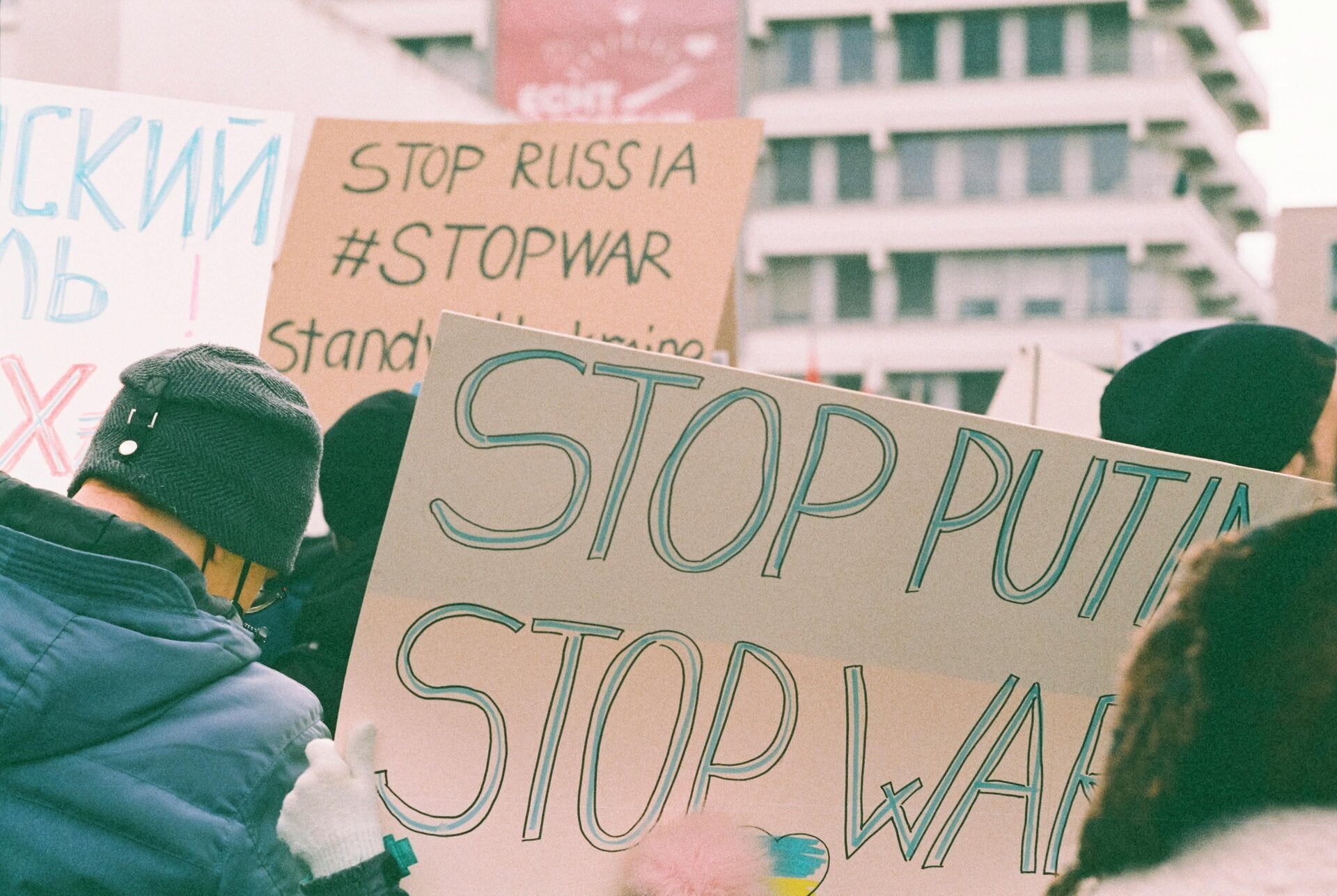
Understand the global perspective, including why over 60% of Americans disapprove of the war and strikes. We examine the critical role Israel is playing in the Middle East and how these dynamics contribute to the broader energy crisis, leading to rising oil and gas prices worldwide.

Humanitarian crisis and calls for peace
The human cost of conflict is immeasurable. This section addresses the devastating humanitarian suffering, the perceived helplessness of international bodies like the United Nations under Secretary-General Antonio Guterres, and the killing of Kameini. We urge global communities to learn more, understand the truth with objectivity, and get involved for peace. For further engagement, contact HEALTHNDEVELOPMENT at [[email]] or visit our website at [[website]].
PRESIDENT TRUMP CALLS IRAN : "THE LOSER OF THE MIDDLE EAST,'".

"Iran, which is being beat to HELL, has apologized and surrendered to its Middle East neighbors, and promised that it will not shoot at them anymore. This promise was only made because of the relentless U.S. and Israeli attack... Iran is no longer the 'Bully of the Middle East,' they are, instead, 'THE LOSER OF THE MIDDLE EAST,'" - President Donald J. Trump
5/4/2026
UAE Warns Iran After Civilian Strikes as U.S.–Iran Tensions Explode in the Strait of Hormuz


UAE Warns Iran After Civilian Strikes as U.S.–Iran Tensions Explode in the Strait of Hormuz
By Dr. Akwo Thompson Ntuba — Global Physician‑Communicator & Governance Chronicler
The geopolitical temperature in the Gulf rose sharply on Monday as the United Arab Emirates issued its strongest warning yet to Iran, condemning a series of missile and drone attacks that struck civilian areas and critical infrastructure, injuring three Indian nationals and igniting fires at the Fujairah Oil Industry Zone. The escalation coincides with intensifying U.S.–Iran military exchanges in the Strait of Hormuz, where the Trump administration has vowed to retaliate against any further Iranian attacks on commercial shipping.
UAE: “A Dangerous Escalation and Unacceptable Transgression”
In a sharply worded statement, the UAE Ministry of Foreign Affairs said the Iranian strikes represented:
-
a “dangerous escalation,”
-
an “unacceptable transgression,” and
-
a direct threat to the nation’s security, stability, and territorial integrity.
The ministry emphasized that the attacks contravene international law and the UN Charter, and declared that the UAE “will not be complacent” in defending its sovereignty. It further asserted its “full and legitimate right” to respond in accordance with international law to protect its citizens, residents, and visitors.
The condemnation follows a string of Iranian missile and drone launches, including three missiles intercepted over Emirati territorial waters and a fourth falling into the sea. The UAE also issued multiple emergency alerts across Dubai and Abu Dhabi as air‑defense systems engaged incoming threats.
Civilian Sites Targeted, Indian Nationals Injured
Authorities in Fujairah confirmed that three Indian nationals were moderately injured after an Iranian drone strike triggered a major fire at the oil storage zone. Emergency crews worked for hours to contain the blaze. The UAE denounced the targeting of civilians and civilian infrastructure as a violation of all humanitarian norms.
Strait of Hormuz: U.S. and Iran Exchange Fire
While the UAE confronts direct attacks on its soil, the Strait of Hormuz—one of the world’s most strategic waterways—has become the epicenter of U.S.–Iran military confrontation.
According to U.S. Central Command, Iran launched multiple cruise missiles, drones, and small attack boats at U.S. Navy vessels and commercial ships. In response, U.S. Apache and SH‑60 Seahawk helicopters destroyed six Iranian boats. Iran disputes the claim.
Adm. Bradley Cooper, head of CENTCOM, stressed that the U.S. is not “escorting” ships in the traditional sense but instead deploying a multi‑layered defensive architecture:
“We have multiple layers that include ships, helicopters, aircraft, airborne early warning, electronic warfare… a much broader defensive package than if you’re just escorting,” — Adm. Bradley Cooper
Cooper also revealed that the U.S. has cleared a “one‑way” maritime corridor to allow commercial vessels trapped in the Persian Gulf to exit safely.
Trump Threatens Massive Retaliation
President Donald Trump escalated the rhetoric, warning that Iranian forces would be “blown off the face of the Earth” if they continued targeting U.S. ships or commercial vessels. He has also threatened to wipe out Iranian military personnel should attacks persist.
The administration’s posture reflects growing frustration as Iran seeks to assert control over the strait, firing warning shots at U.S. destroyers and threatening to forcibly stop vessels it deems in violation of IRGC directives.
Economic Shockwaves: Oil Prices Surge
The near‑closure of the Strait of Hormuz—through which roughly 20% of global oil normally flows—has already triggered:
-
rising global oil prices,
-
falling stock markets, and
-
warnings that U.S. gasoline could reach $5 per gallon if the crisis continues.
Regional Conflict Risks Widening
Beyond the Gulf, the conflict is spilling into other fronts:
-
Hezbollah and Israel continue exchanging fire despite a nominal ceasefire.
-
Lebanon faces mass displacement and worsening humanitarian conditions.
-
The ICRC warns it cannot cope with a full‑scale restart of the Iran war.
The UAE’s warning to Iran signals that Gulf states may no longer remain passive observers. With civilian sites now under attack and commercial shipping threatened, the region edges closer to a broader confrontation.
Conclusion: A Crisis With No Clear Off‑Ramp
The UAE’s declaration that it reserves the right to respond marks a significant diplomatic and military turning point. Combined with U.S. retaliatory strikes and Trump’s escalating threats, the Gulf is entering a period of heightened volatility.
The world’s most critical energy corridor is now a battleground—one where miscalculation by any actor could ignite a wider regional war.