

Standing Firm When It Matters Most — City Mayors, County Judges, and the Architecture of Local Power


Standing Firm When It Matters Most — City Mayors, County Judges, and the Architecture of Local Power
The photographs of Dr. Akwo Thompson Ntuba with Harris County Judge Lina Hidalgo and former Houston Mayor Annise Parker capture more than moments of civic engagement—they represent the lived reality of a practitioner who has spent years inside the machinery of local governance. These images reflect the proximity, tension, collaboration, and moral responsibility that define the relationship between city mayors and county judges in Texas.
For Dr. Ntuba, these encounters were not ceremonial. They were working moments—policy discussions, crisis briefings, public health coordination, and governance communication. They form part of the intellectual and experiential foundation of his book Advising Mayors, particularly the chapter on Standing Firm When It Matters Most.
1. The Dual Structure of Local Power in Texas
Texas is one of the few states where city mayors and county judges operate as parallel centers of authority.
-
The mayor leads the city government, overseeing municipal services, policing, infrastructure, and public communication.
-
The county judge leads the commissioners court, shaping budgets, emergency management, and countywide policy.
Their jurisdictions overlap. Their constituencies overlap. Their crises overlap. But their mandates differ.
This creates a delicate balance—sometimes cooperative, sometimes competitive—requiring clarity, courage, and principled leadership.
Dr. Ntuba’s work in Harris County and the City of Houston placed him at the intersection of these two spheres. He observed firsthand how collaboration can strengthen public health and community wellbeing—and how conflict can fracture trust.
2. Integrity Under Pressure: Lessons from Public Scandals
In his advisory work, Dr. Ntuba has often emphasized that public trust is the currency of local governance. When scandals emerge—whether in Fort Bend County or elsewhere—they expose the vulnerabilities of systems where political power and administrative authority overlap.
From his perspective, corruption cases serve as reminders that:
-
Public office is not a shield for misconduct
-
Transparency is not optional
-
Ethical leadership is not negotiable
These events reinforce the central argument of this chapter: leaders must stand firm when it matters most, especially when the public is watching and the stakes are high.
3. Annise Parker, Lina Hidalgo, and the Evolution of Local Leadership
Dr. Ntuba’s interactions with former Mayor Annise Parker and Judge Lina Hidalgo illustrate two distinct leadership styles shaped by different institutional roles.
-
Parker, as mayor, operated in the fast‑paced, public‑facing arena of city governance—negotiating with council members, managing city departments, and responding to urban challenges.
-
Hidalgo, as county judge, navigated the broader but less visible terrain of county administration—budgets, emergency management, and intergovernmental coordination.
Their paths crossed often, especially during regional emergencies and public health crises. Dr. Ntuba’s work placed him in these rooms, observing how leadership decisions ripple across millions of residents.
His reflections emphasize that effective governance requires both roles to function with integrity, clarity, and mutual respect.
4. Standing Firm: The Advisor’s Mandate
In Advising Mayors, Dr. Ntuba argues that the role of an advisor is not to flatter power but to anchor it.
Standing firm means:
-
Speaking truth to leaders even when it is uncomfortable
-
Defending ethical governance against political pressure
-
Ensuring that public health and community wellbeing remain at the center of decision‑making
-
Maintaining moral clarity when institutions face scrutiny
His experiences in Houston and Harris County—whether defending public servants, challenging political maneuvering, or advocating for transparency—reinforce this principle.
5. The Mayor–Judge Relationship: A Case Study in Shared Governance
The relationship between a city mayor and a county judge is one of the most consequential in Texas public administration. It determines:
-
How crises are managed
-
How resources are allocated
-
How communities experience government
-
How public trust is built or eroded
Dr. Ntuba’s chapter highlights that advisors must understand both sides:
-
The mayor’s need for rapid, visible action
-
The county judge’s responsibility for long‑term, structural decisions
When these roles align, communities thrive. When they diverge, governance becomes fragmented.
6. Conclusion: Leadership That Endures
This chapter in Advising Mayors is ultimately about courage.
Courage to stand firm. Courage to defend integrity. Courage to advise leaders honestly. Courage to navigate the complex relationship between city and county power.
The images of Dr. Ntuba with Parker and Hidalgo symbolize a career spent inside the real work of governance—where decisions are made, where accountability is tested, and where leadership is proven.
A Changing of the Guard: What Cornyn, Al Green, and Annise Parker’s Defeats Reveal About Texas Politics

A Changing of the Guard: What Cornyn, Al Green, and Annise Parker’s Defeats Reveal About Texas Politics
Based on reporting from FOX 7 Austin
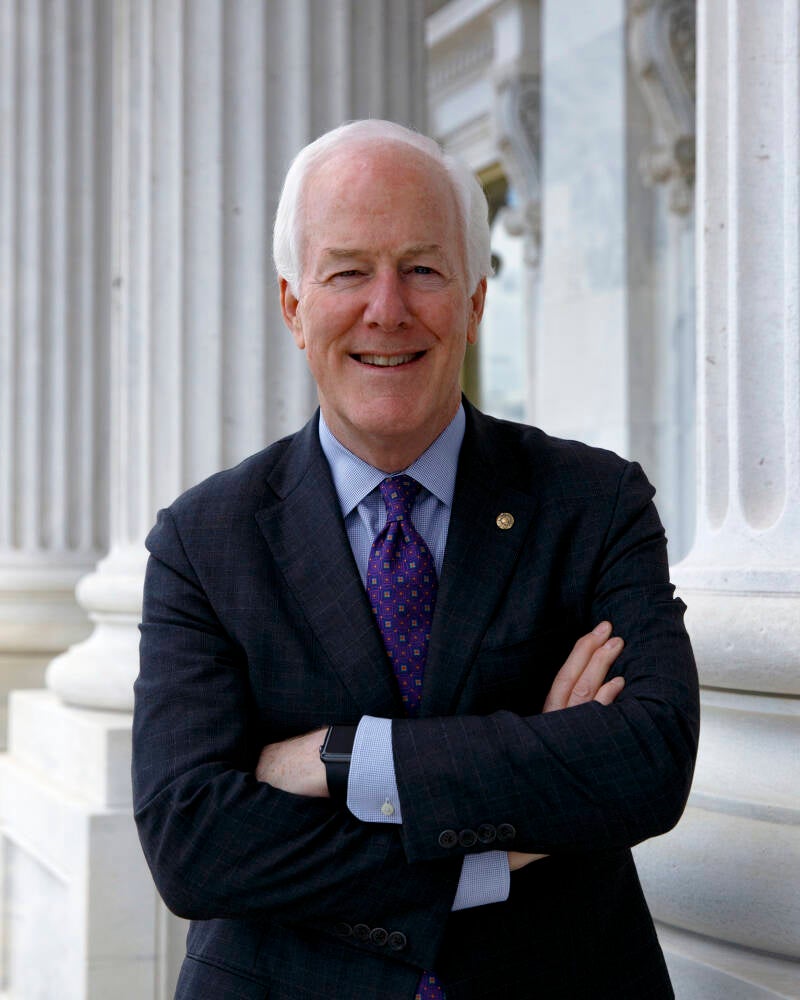
Texas politics delivered another jolt this week when U.S. Sen. John Cornyn, after more than four decades in public life, conceded defeat in the Republican runoff to Attorney General Ken Paxton. Cornyn’s loss — decisive and early, with Paxton surpassing 60% of the vote — capped a season in which several long‑tenured, older Texas political figures have been swept aside by an electorate signaling it is ready for something different.
Cornyn, 74, used his concession speech in Austin to reflect on his long career and to emphasize party unity. “I’ve spent most of my time in the Senate building the Republican Party in Texas… and I’ve always supported the Republican ticket,” he told supporters. “And I intend to do so again in this general election.”
He closed with a verse from the Apostle Paul — “I’ve fought the good fight, I’ve finished the race and I’ve kept the faith” — a nod to both his longevity and the finality of the moment.
Paxton, buoyed by a late endorsement from President Donald Trump, thanked Cornyn for his service before pivoting to his next opponent: Democratic State Rep. James Talarico, whom he will face in November.
A Broader Pattern: Voters Are Moving On From Familiar Names
Cornyn’s defeat did not happen in isolation. In recent months, Texas voters have also turned away from other long‑established political figures, including:
-
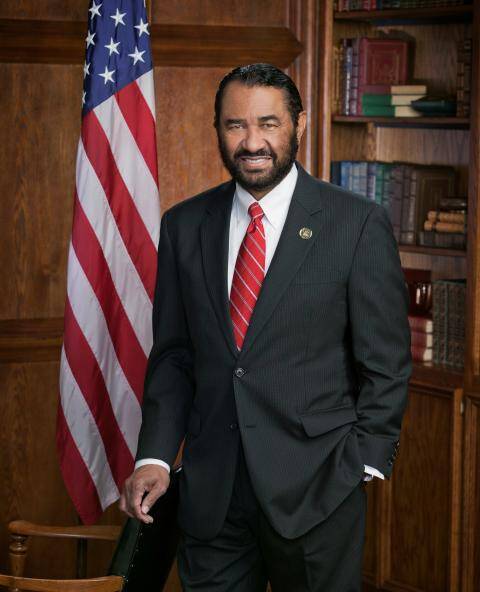
Rep. Al Green, the 76‑year‑old Houston Democrat who lost his primary after nearly two decades in Congress.
-
Former Houston Mayor Annise Parker, 68, who attempted a political comeback but was rejected by voters in a local race.
Taken together, these losses suggest a shift in the political mood across the state — not strictly ideological, but generational and stylistic.
What the Trend Suggests About the Electorate
Several dynamics appear to be converging:
-
Anti‑establishment sentiment is rising. Voters in both parties are showing impatience with long‑serving incumbents, even those with strong legislative records.
-
Younger candidates are gaining traction. Figures like Talarico, 35, represent a new cohort positioning themselves as more in touch with the state’s rapidly changing demographics.
-
Partisan loyalty is no longer enough. Cornyn’s decades of service and deep ties to the GOP were not enough to overcome Paxton’s alignment with the party’s populist wing.
-
Texas politics is becoming more nationalized. Trump’s endorsement of Paxton proved decisive, underscoring how national figures increasingly shape state outcomes.
Why This Moment Matters
Texas has long been known for its political continuity — powerful incumbents, long tenures, and steady party structures. But the defeats of Cornyn, Green, and Parker point to an electorate that is:
-
younger,
-
more diverse,
-
more polarized, and
-
less deferential to seniority.
Cornyn’s concession speech, gracious and reflective, underscored the end of an era. Paxton’s victory speech, combative and forward‑looking, signaled the beginning of a new one.
What Comes Next
Paxton now heads into what is expected to be one of the most closely watched Senate races in the country, facing Talarico in November. Cornyn, for his part, pledged to support the Republican ticket — a reminder that even as voters move on, the party’s internal dynamics remain deeply interconnected.
The Role of Protests in Political Governance: A Lesson in Leadership
Protests and strikes have long been a part of democratic societies, serving as a means for citizens to express their concerns about governmental policies and leadership decisions. In major U.S. cities, including Austin, Texas, demonstrations against the Trump administration and its policies underscored the frustration of various groups who felt their interests were not adequately represented. While protests are often viewed as a response to perceived failures in governance, they do not necessarily indicate that a leader is entirely wrong. Instead, they highlight divisions within a nation and the need for inclusive policymaking.
A strong leader must govern for all citizens—not just political allies or supporters. Moderation and justice should guide the application of laws to ensure fairness and stability. No administration can satisfy every faction, but responsiveness to public concerns strengthens democracy. The ability to acknowledge dissent, address grievances, and make adjustments where necessary helps maintain trust in leadership.
The presence of protests should not be seen as a sign of instability alone but rather as an important function of democracy, where people actively participate in shaping their nation’s future. Leaders who recognize this reality can use such movements as an opportunity to listen, engage, and refine their policies, ultimately fostering a more united and equitable society.

Policy Brief: Strategic Deterrence, Regional Alliances, and U.S.-Middle East Engagement
Overview: John Bolton, a former U.S. National Security Adviser and prominent critic of the Iranian regime, publicly supported the Trump administration’s decision to strike Iranian nuclear facilities. Despite his opposition to Donald Trump’s re-election, Bolton described the strike as a long-overdue response to an existential threat against both the U.S. and its ally, Israel.
Key Points:
-
Strategic Consensus: Bolton’s remarks reflect growing bipartisan agreement that Iran’s unchecked nuclear ambitions destabilize the Middle East. Even former critics of Trump’s diplomacy concede the strike addressed a long-standing security challenge.
-
Israel-U.S. Alignment: Bolton suggested that trailing Israel’s lead in confronting Iran is preferable to strategic inaction, indicating a shift toward supporting regional ally-driven initiatives.
-
National Security Justification: The framing of Iran as both a “small Satan” (Israel’s terminology) and later a greater threat to the U.S. underscores a perceived theological and ideological challenge that transcends conventional warfare
-
Recommendations for Faith-Based Advocates and Policymakers:
-
Promote Principles of Just War: Urge policymakers to evaluate military action against frameworks of proportionality, justice, and last resort.
-
Safeguard Civilian Protections: Encourage multilateral dialogue focused on reducing collateral damage and fostering long-term peace.
-
Strengthen U.S.-Middle East Diplomacy: Support partnerships that elevate shared values—security, human rights, and religious freedom—without inflaming sectarian tensions.
-
Engage Faith Leaders in Advocacy: Faith communities can be moral voices guiding public engagement toward justice and reconciliation.
-
The Leadership Transition in Houston’s Police Department Amid Scandal
The resignation of Houston Police Chief Troy Finner marked a significant moment in the city’s law enforcement history. His departure was prompted by a scandal involving thousands of cases—some of them serious offenses—that were closed without proper investigation due to staffing shortages. This practice, however, did not originate with Finner; it had been in place since the tenure of former Chief Art Acevedo1.
Mayor John Whitmire, who took office earlier this year, accepted Finner’s retirement, citing the controversy as a major distraction for the department. While some community members welcomed the resignation as a step toward accountability, others questioned the speed at which Whitmire moved to appoint a replacement. Dr. Ntuba Akwo, representing the press corps, raised concerns about the mayor’s decision to swiftly name a successor without allowing time for the scandal to fully unfold and be addressed.
The mayor defended his actions, emphasizing the need for stability within the Houston Police Department. He argued that prolonged uncertainty could further disrupt operations and public trust. However, critics believe that a more deliberate approach—one that prioritized transparency and reform—would have been more appropriate.
As Houston moves forward, the focus remains on ensuring that such investigative failures do not happen again. The city’s leadership must work to rebuild trust, implement necessary reforms, and provide justice for the victims affected by the mishandled cases. The appointment of a new police chief is only the beginning of a broader effort to restore integrity to the department.


The departure of Houston Police Chief Troy Finner has sparked a variety of opinions. Some view his resignation as a necessary step for accountability, arguing that leadership must take responsibility for systemic failures. Others contend that Finner was unfairly blamed for a practice that predates his tenure, pointing to deeper institutional issues that need reform beyond a single individual’s resignation. Some community members welcome the change, hoping that new leadership will address these longstanding concerns, while others worry that abrupt transitions could further destabilize the department.
This scandal reflects broader concerns about police practices nationwide, particularly the tendency of departments to close cases prematurely due to staffing shortages, bureaucratic inefficiencies, or pressure to improve clearance rates. It raises questions about transparency, accountability, and the effectiveness of oversight mechanisms within law enforcement agencies. The issue also underscores the importance of public trust in policing, as communities expect thorough investigations and justice for victims.
For counterarguments in your essay, you could include:
-
Leadership Stability: Some argue that appointing a new chief quickly ensures continuity and prevents further disruption within the department.
-
Systemic Responsibility: While Finner was at the helm, the practice existed before his tenure, suggesting that deeper reforms—not just leadership changes—are required.
-
Operational Efficiency: Critics of prolonged investigations say that clearing cases, even if imperfectly, helps manage overwhelming workloads in understaffed police forces.
-
Political Influence: The decision to replace Finner swiftly could be seen as an effort by the mayor to demonstrate decisive leadership rather than a move solely based on the scandal.
Erica Lee Carter: Continuing a Legacy of Service
Erica Lee Carter, daughter of the late Congresswoman Sheila Jackson Lee, stepped into public service with a deep commitment to carrying forward her mother’s legacy. Following Sheila Jackson Lee’s passing in July 2024, Erica was sworn in to serve the remainder of her mother’s term in Texas’s 18th Congressional District. Though her tenure was brief, she made a significant impact, advocating for policies that aligned with her mother’s vision of justice, equity, and community empowerment.
During the Thanksgiving celebrations in Houston in 2024, Erica spoke with Dr. Ntuba Akwo about her accomplishments and the challenges of stepping into such a pivotal role. She emphasized her dedication to healthcare access, economic development, and educational equity—issues that were central to her mother’s work. Erica’s leadership was marked by a strong commitment to civil rights and criminal justice reform, particularly in addressing mass incarceration and bail reform1.
Her transition in office was a bridge between her mother’s impactful tenure and the incoming leadership of former Houston Mayor Sylvester Turner, who was selected as the Democratic nominee to succeed Sheila Jackson Lee. Erica’s brief time in Congress was not just about maintaining continuity but about ensuring that the voices of the people in her district continued to be heard.
As she reflected on her service, Erica expressed gratitude for the opportunity to uphold her mother’s legacy, stating, “I am honored to finish for you and in the memory of my mother, the late great Congresswoman Sheila Jackson Lee”. Her tenure, though short, reinforced the importance of leadership rooted in advocacy and dedication to the community.
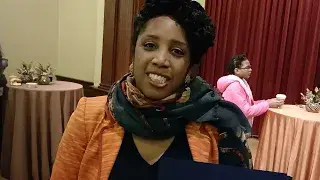
HealthNdevelopment presents late mayor Sylvester Turner and congress man in pictures .


Uncertainty surrounding the timing for the elections to replace Late US Congress man Sylvester Turner.
The silence of Texas Governor Greg Abbott regarding the special election to replace the late Sylvester Turner, former mayor of Houston and congressman for Texas's 18th Congressional District, has sparked concern and frustration among Houstonians. This delay has led many to speculate that Abbott's hesitation is politically motivated, aiming to maintain a Republican edge in Congress by leaving the seat vacant—a seat that would likely be filled by a Democrat.
Texas's 18th Congressional District is a historically Democratic stronghold, encompassing diverse and vibrant communities in Houston. The absence of representation in this district not only deprives its residents of a voice in Congress but also impacts the delicate balance of power in the House of Representatives. With the Republican majority hanging by a thread, every vote counts, and the vacancy in District 18 provides a temporary advantage to the GOP.
Critics argue that Abbott's delay undermines democratic principles and the constitutional right of Texans to have representation in Congress. The governor's authority to call a special election is not bound by a specific deadline, giving him significant discretion in timing. However, this discretion should be exercised responsibly, prioritizing the needs and rights of constituents over partisan strategy.
The late Sylvester Turner, who passed away in March 2025, was a respected leader who dedicated his life to public service. His untimely death has left a void in District 18, and the people of Houston deserve a timely resolution to ensure their voices are heard in Washington. The delay in calling a special election has drawn criticism from Democratic leaders and community members, who view it as a deliberate attempt to suppress representation.
The implications of this delay extend beyond Houston. It sets a concerning precedent for the use of political power to manipulate electoral outcomes. Democracy thrives on fair and transparent processes, and any action that compromises these principles erodes public trust in government institutions.
In conclusion, the silence of Governor Abbott on the special election for Texas's 18th Congressional District raises important questions about the intersection of politics and governance. While the governor has the legal authority to determine the timing of the election, the ethical responsibility to prioritize the rights and representation of Texans should guide his decision. The people of Houston and District 18 deserve swift action to honor the legacy of Sylvester Turner and uphold the democratic values that define our nation.
The City of New Orleans Book Festival at Tulane University in 2025 hosted a thought-provoking panel featuring David Axelrod and Karl Rove, two prominent political strategists from opposing ends of the spectrum. Their discussion delved into the challenges and controversies surrounding the Trump administration, with a particular focus on tariffs and their economic implications.
Karl Rove, known for his role as a senior advisor during the George W. Bush administration, highlighted the economic burden of tariffs, emphasizing that American buyers would bear part of the cost. This perspective underscored the broader economic consequences of protectionist trade policies, sparking a lively debate among attendees. Axelrod, a key figure in Barack Obama's presidential campaigns, added depth to the conversation by questioning Rove's absence from the Trump administration's cabinet. This moment of levity also served as a subtle critique of the administration's approach to governance.
The audience's reaction was telling. Extensive applause during the panel suggested a shared sentiment that the nation was veering off course. Rove's prediction that Democrats would regain control of the House in 2027 further fueled discussions about the political landscape and the potential for change in the coming years.
This panel not only provided a platform for robust political discourse but also reflected the public's growing concerns about the direction of the country. The exchange between Axelrod and Rove exemplified the importance of dialogue in understanding and addressing the complexities of governance and policy.
Dr. Akwo Thompson Ntuba’s presence at the Democratic National Convention in Milwaukee, Wisconsin, offers a window into how journalism, civic engagement, and artistic expression intersect during moments of national political tension. In the video titled “Broken government, shattered lives, a call for Democrats to stop Donald Trump” , he interviews the creators of an art piece that frames the stakes of the political moment through imagery and narrative rather than policy analysis alone. Their work highlights how many artists and advocates use creative expression to communicate concerns about governance, social stability, and the lived experiences of communities affected by political decisions.
The conversations Dr. Ntuba captures reflect a broader tradition in American political culture: art as a vehicle for public conscience. By foregrounding themes such as institutional fragility and personal hardship, the piece he discusses invites viewers to consider how political conflict reverberates through everyday life. The artists’ message—calling on Democratic leaders to act decisively—represents one perspective within a diverse spectrum of voices present at national conventions. Their framing underscores how some individuals view elections not only as contests of ideas but as pivotal moments with real consequences for social cohesion and individual well‑being.
Covering these interactions, Dr. Ntuba plays the role of a mediator between creators and the public, amplifying viewpoints that might otherwise remain within the walls of the convention hall. His interviews help contextualize the motivations behind the artwork and illuminate why its creators felt compelled to issue a warning about what they see as political and societal risks. In doing so, he contributes to a richer understanding of how cultural expression shapes political dialogue, especially during periods of heightened national debate.