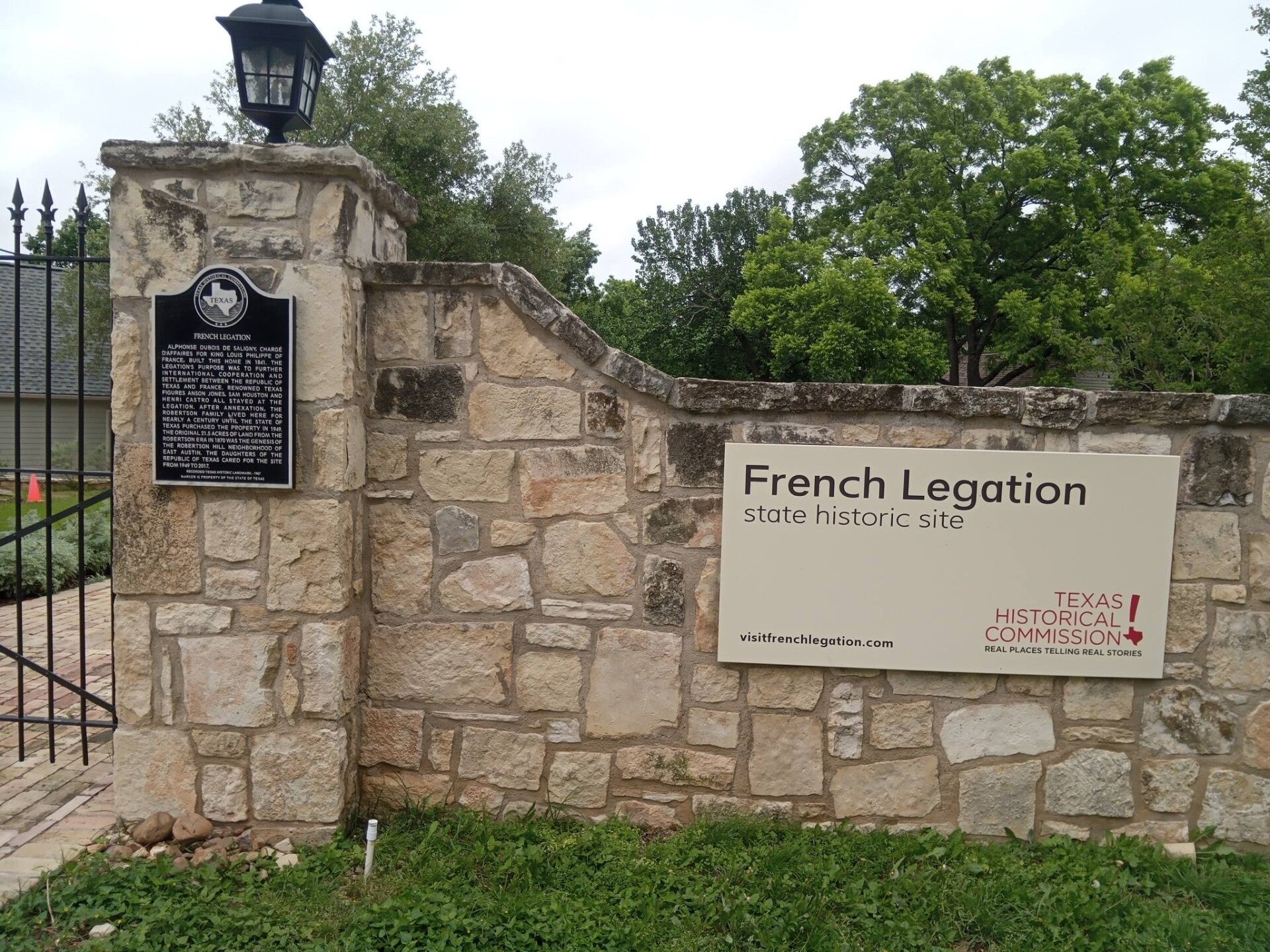
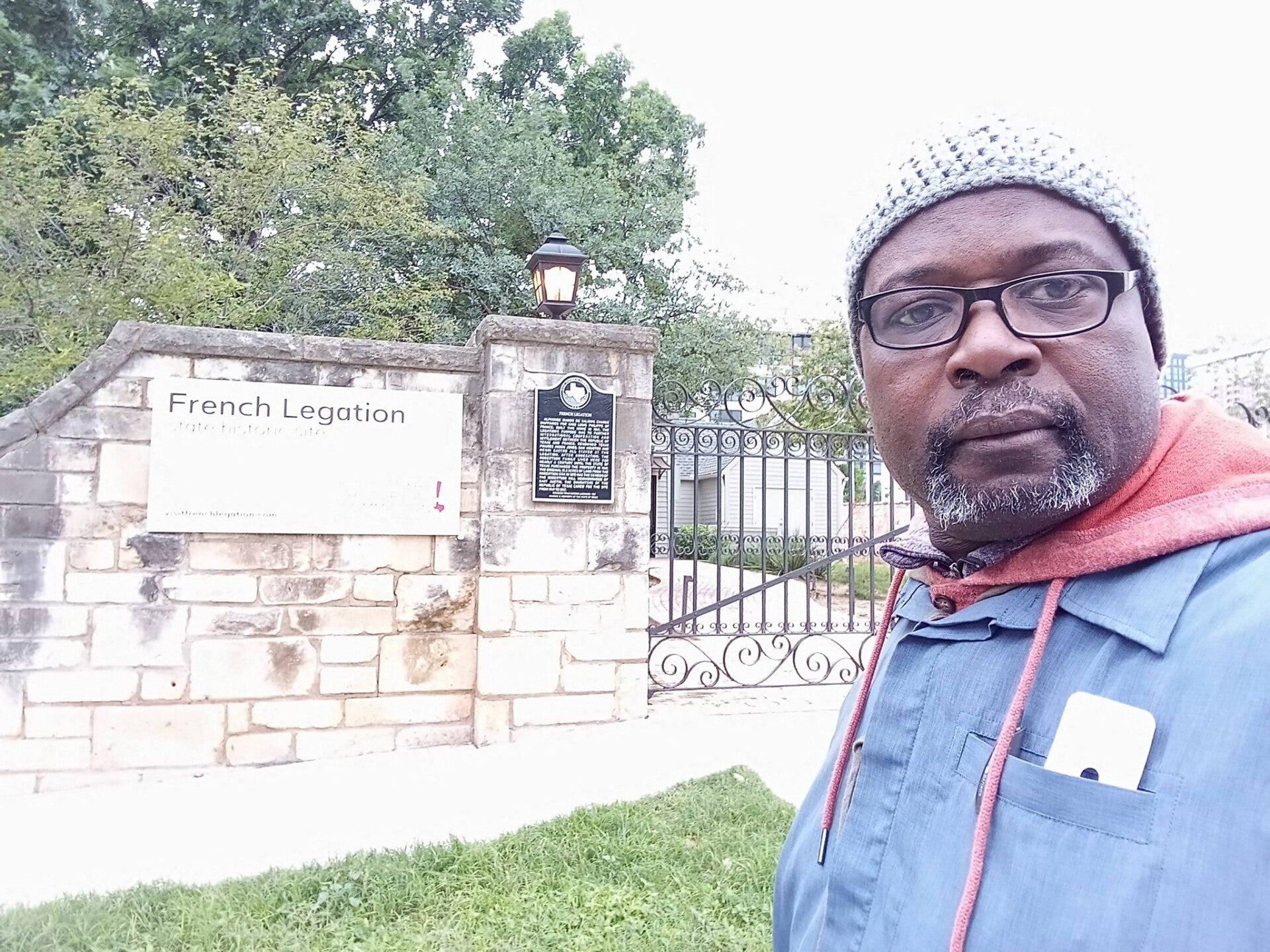
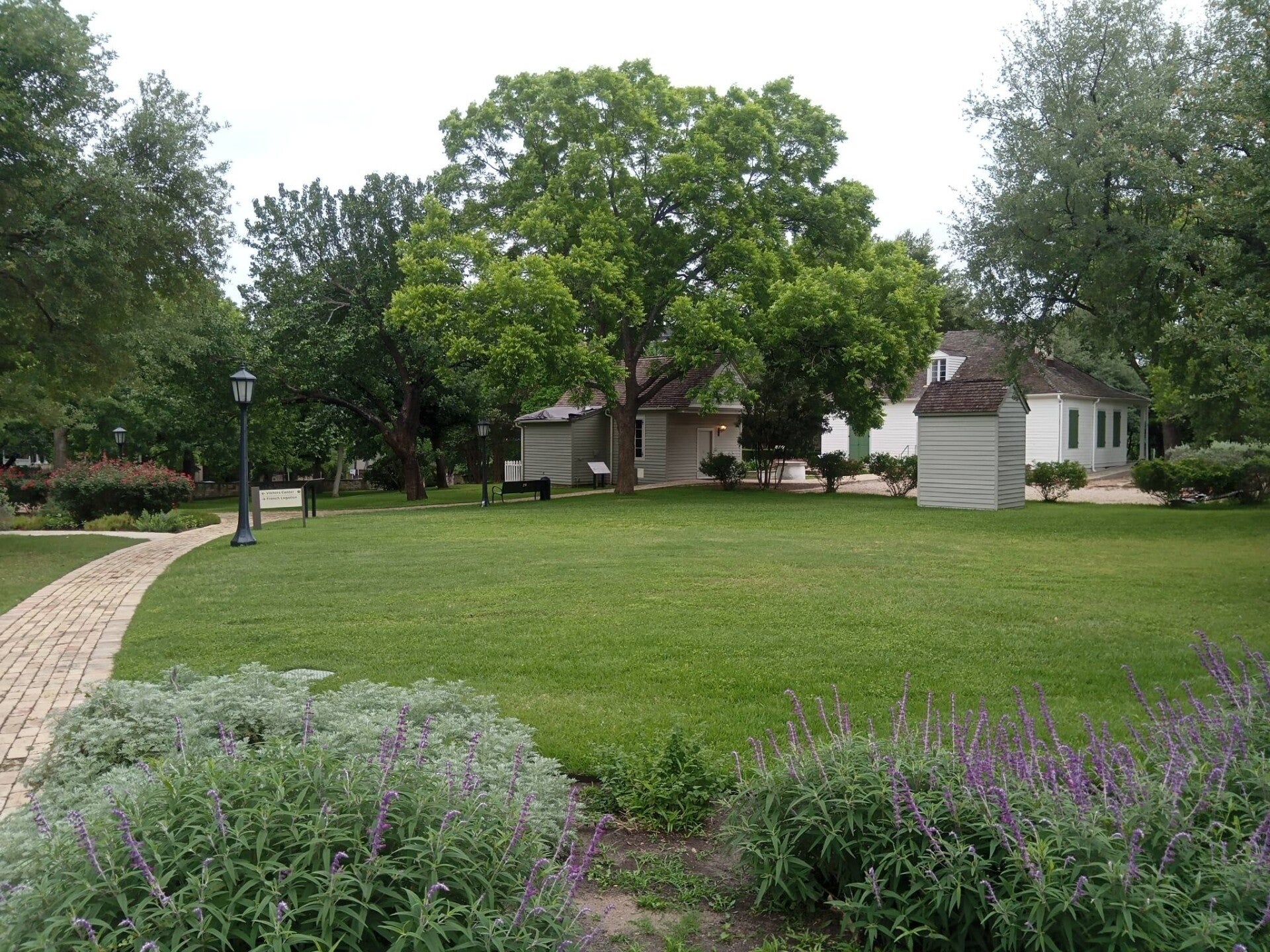
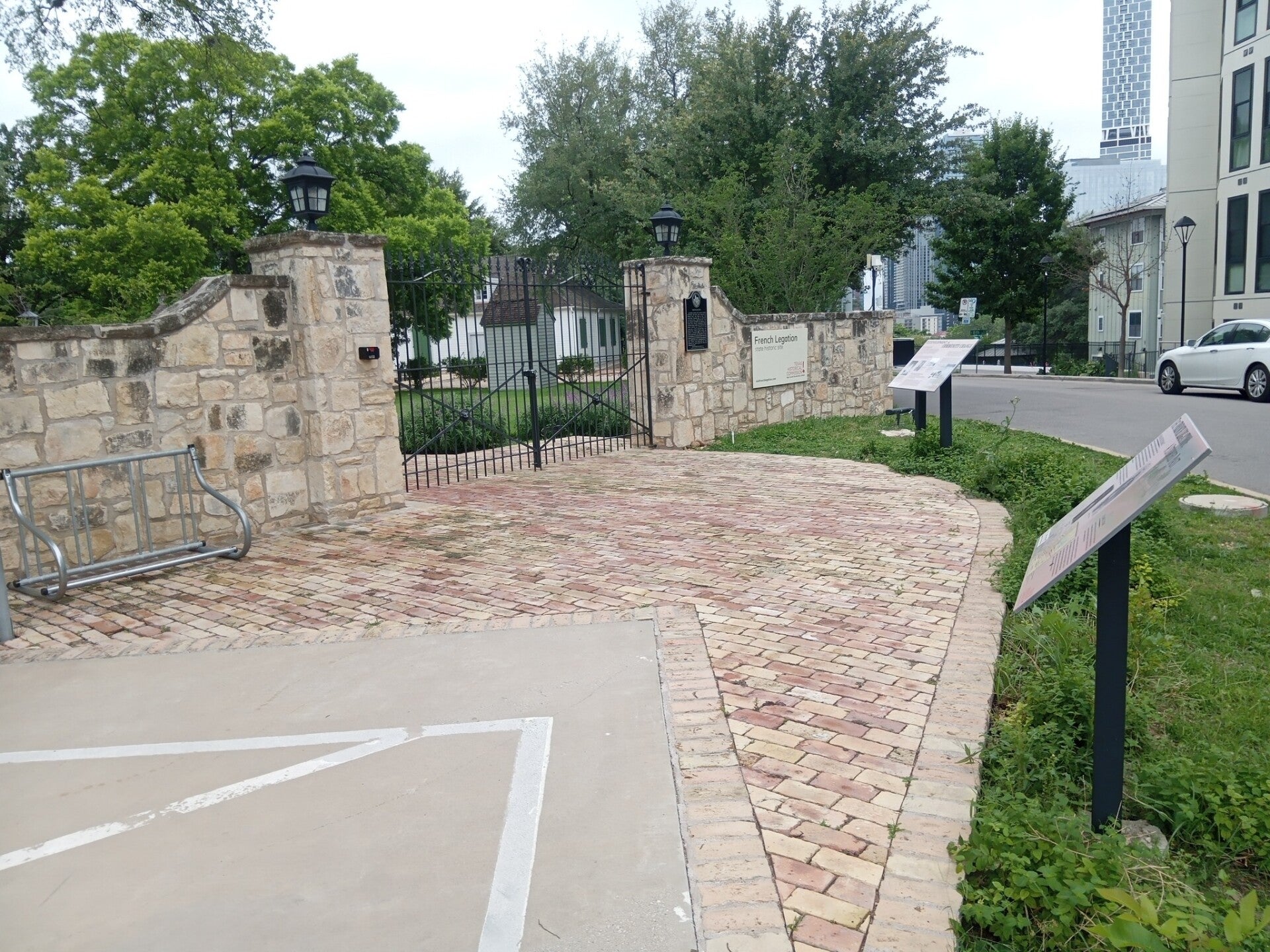
The French Legation: A window into Texas history
Discover the untold story of diplomatic relations between France and the independent Republic of Texas. The French Legation stands as a testament to a pivotal era, offering a unique glimpse into the past.

France's footprint in independent Texas
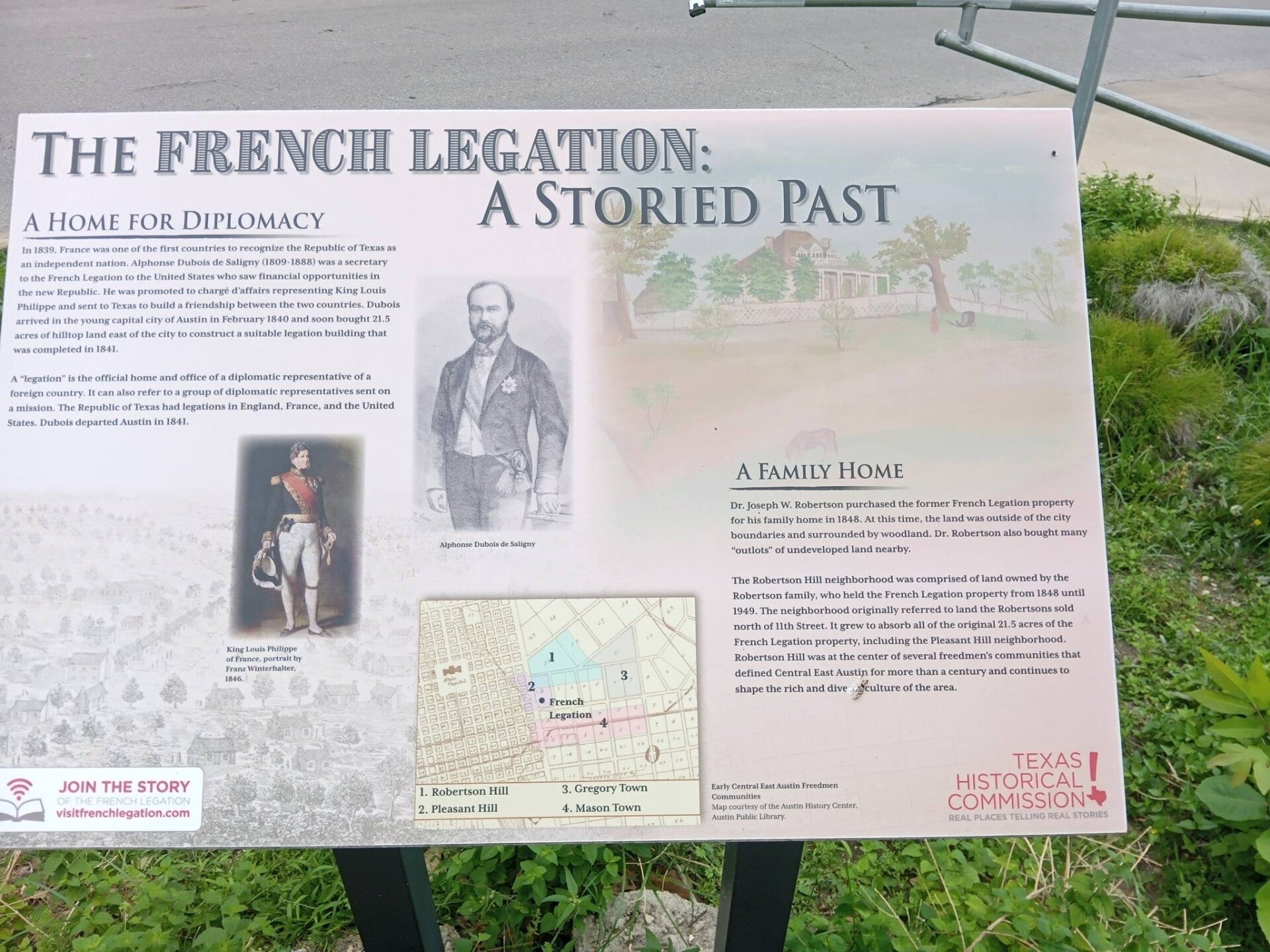
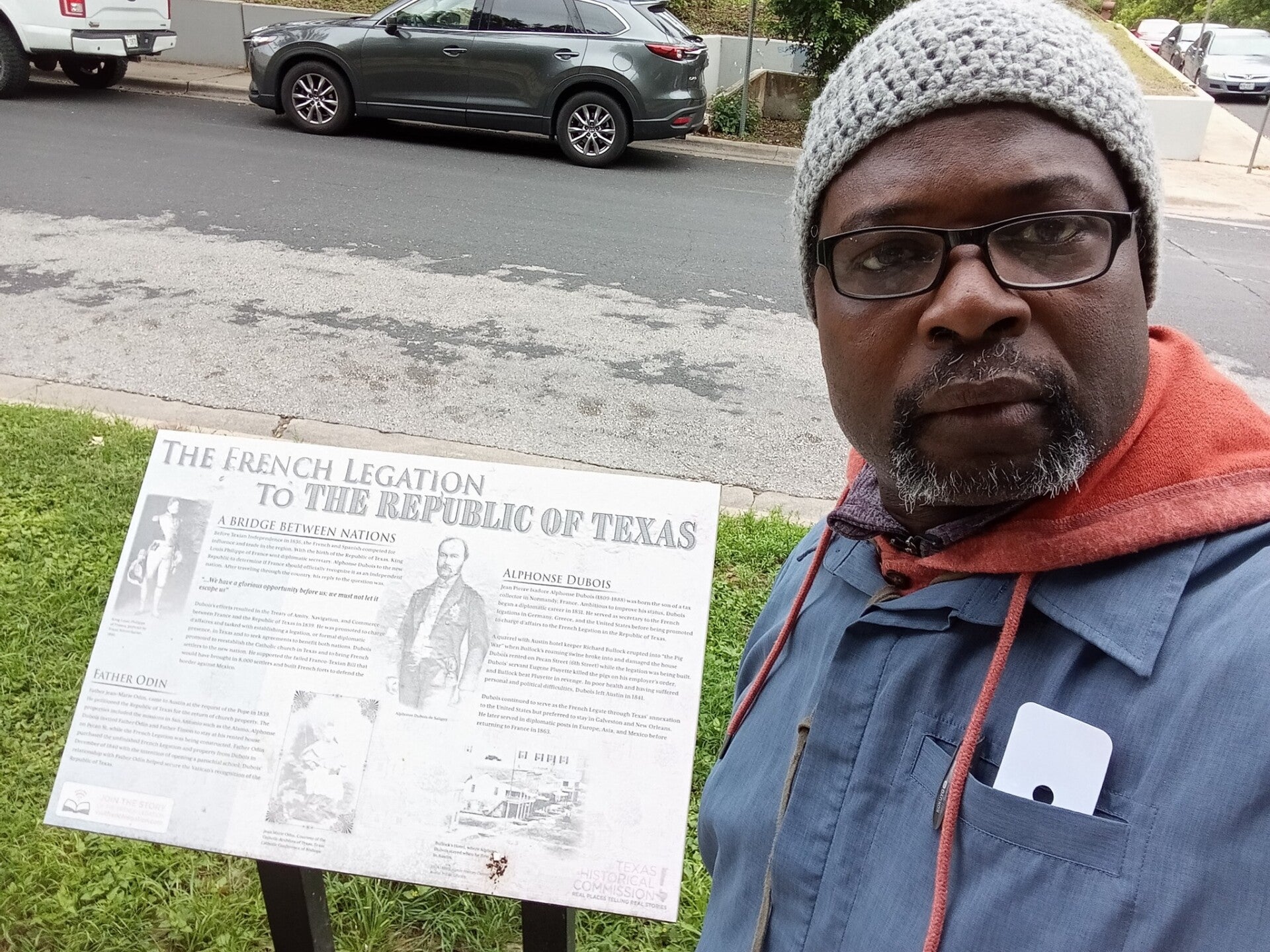
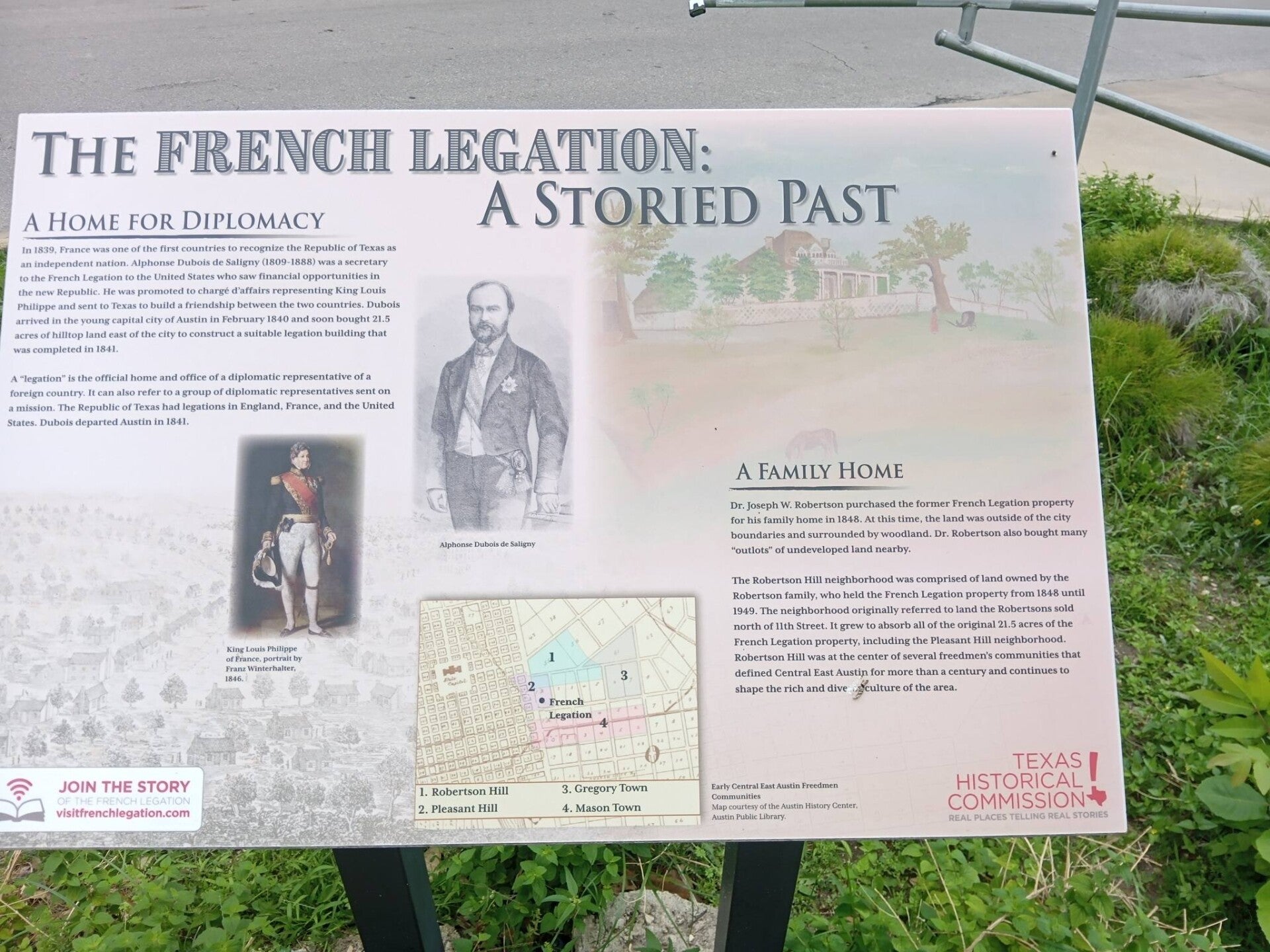
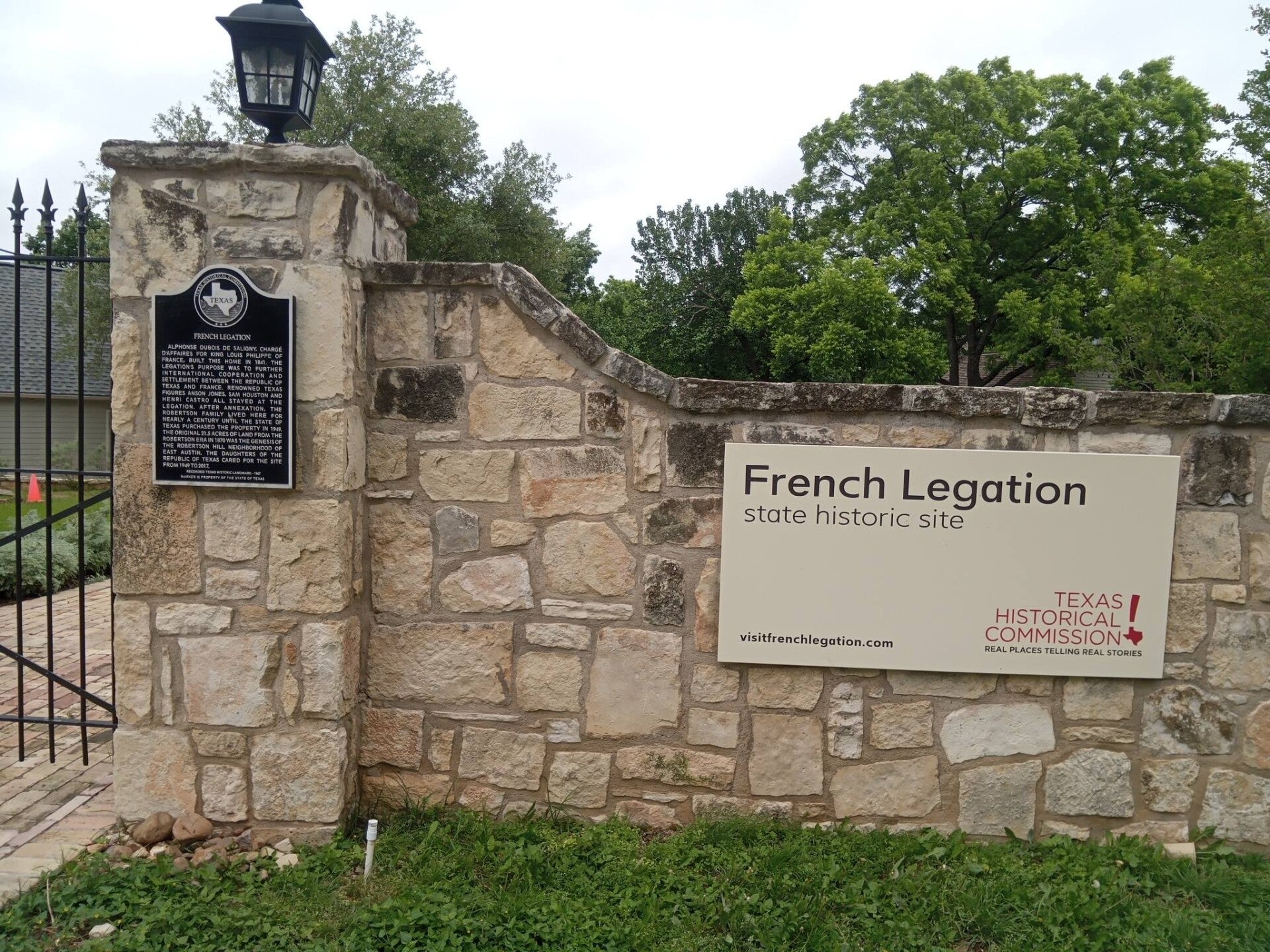
Explore the fascinating narrative of the first French Chargé d'Affaires and his residence, the French Legation, built in Austin during the independent Republic of Texas. This site was the heart of diplomatic efforts, shaping the relationship between France and the fledgling republic.

The first French envoy to Texas
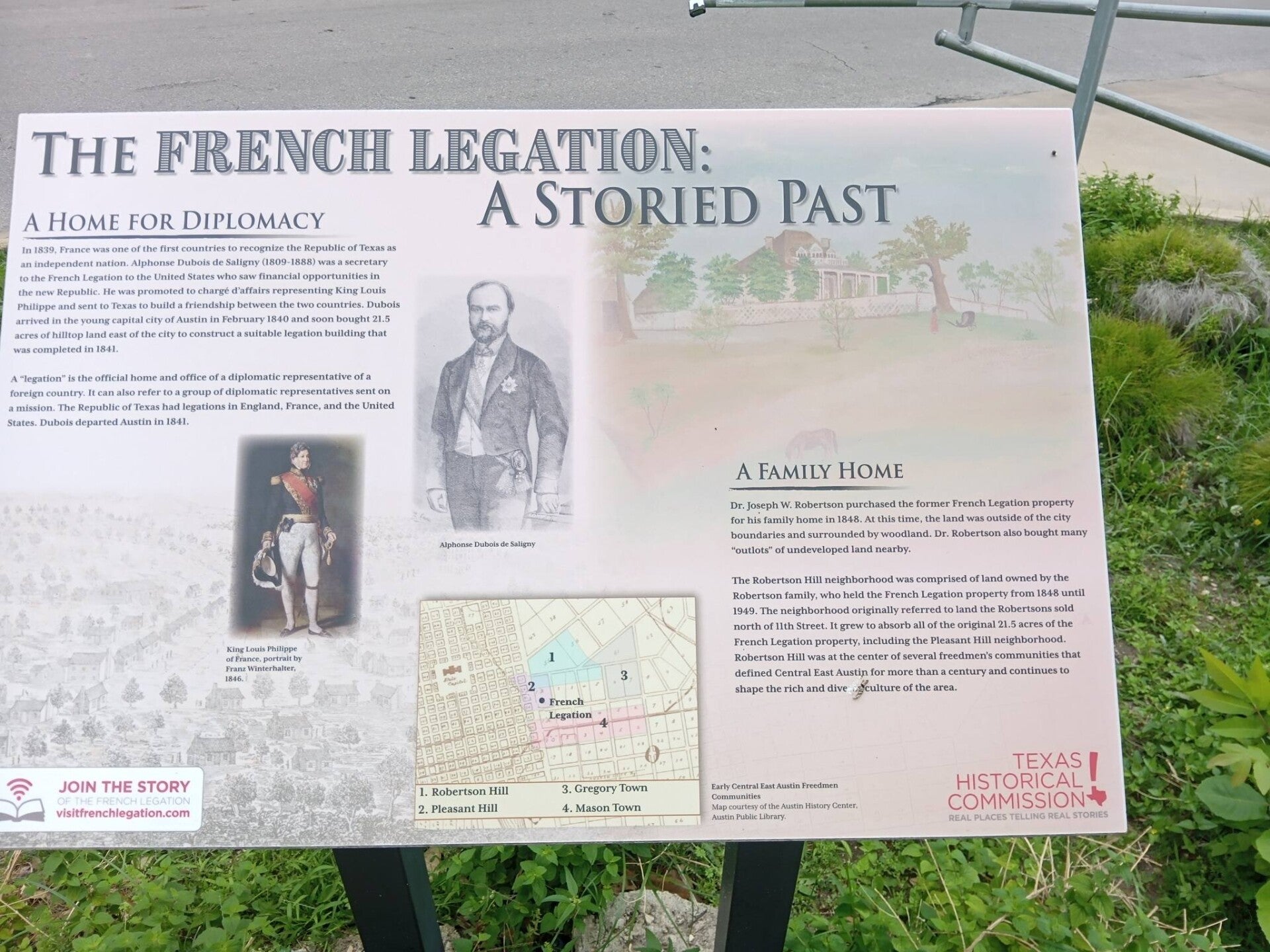
Learn about Alphonse Dubois, the first French "ambassador" to Texas, who not only built and resided in the Legation but also tirelessly worked to forge strong diplomatic ties. His efforts laid the groundwork for France's engagement with the Republic of Texas.

A preserved legacy: The Daughters of the Republic of Texas
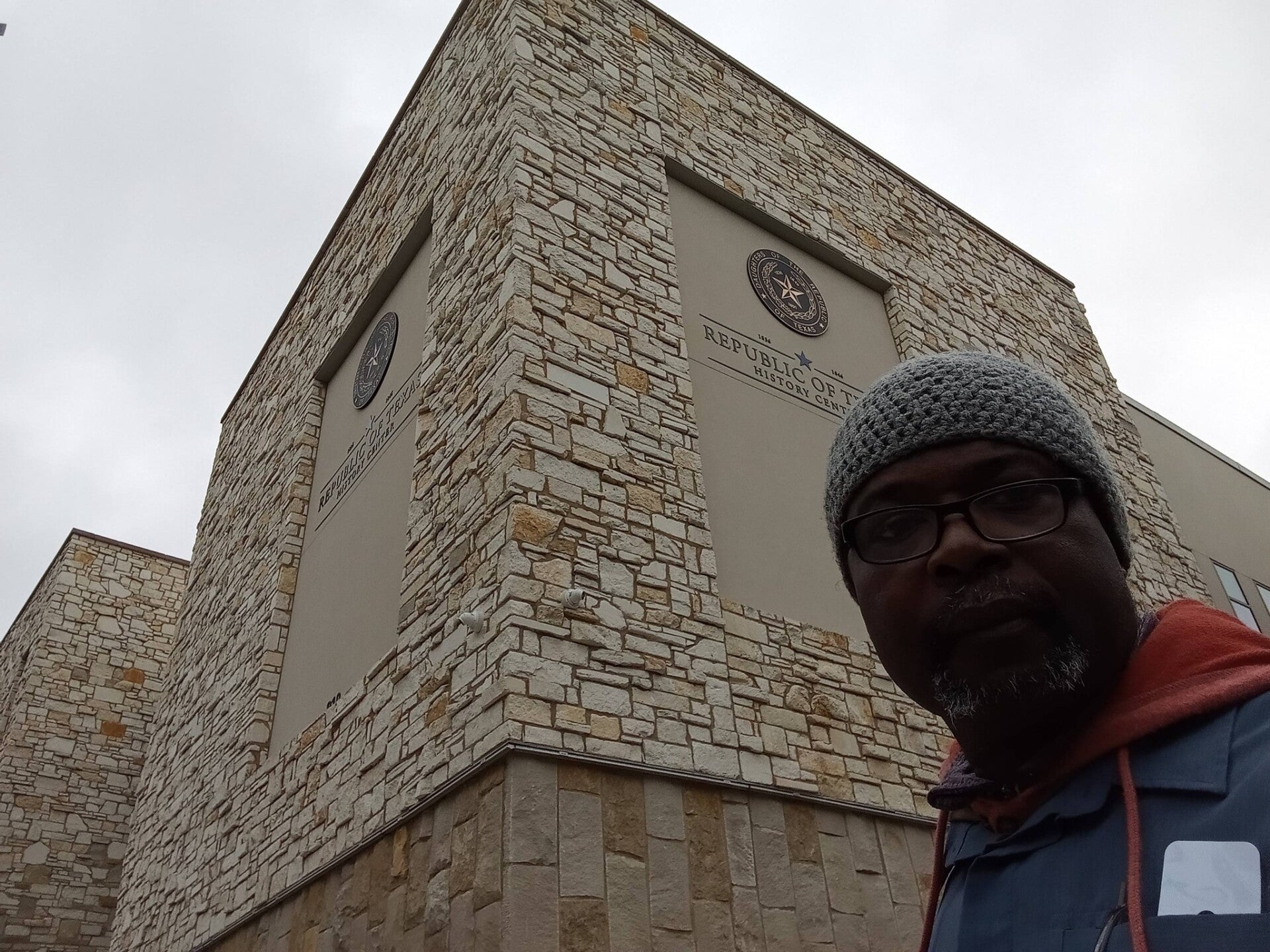
The French Legation's enduring presence is largely thanks to the Daughters of the Republic of Texas. Their dedicated involvement transformed this significant structure into a revered Texas historical landmark and site, preserving a crucial piece of Texas and USA history with France.
Visit HEALTHNDEVELOPMENT museum and archives
Whether you are a history buff, a local resident, or a tourist seeking authentic experiences, the French Legation offers an immersive journey into the past. Explore our museum and archival collections to witness the evolution of this site and its invaluable holdings, offering a rich historical education for all visitors. We showcase real places telling real stories.
French Legation in East Austin and the Historical Evolution of Texas Governance
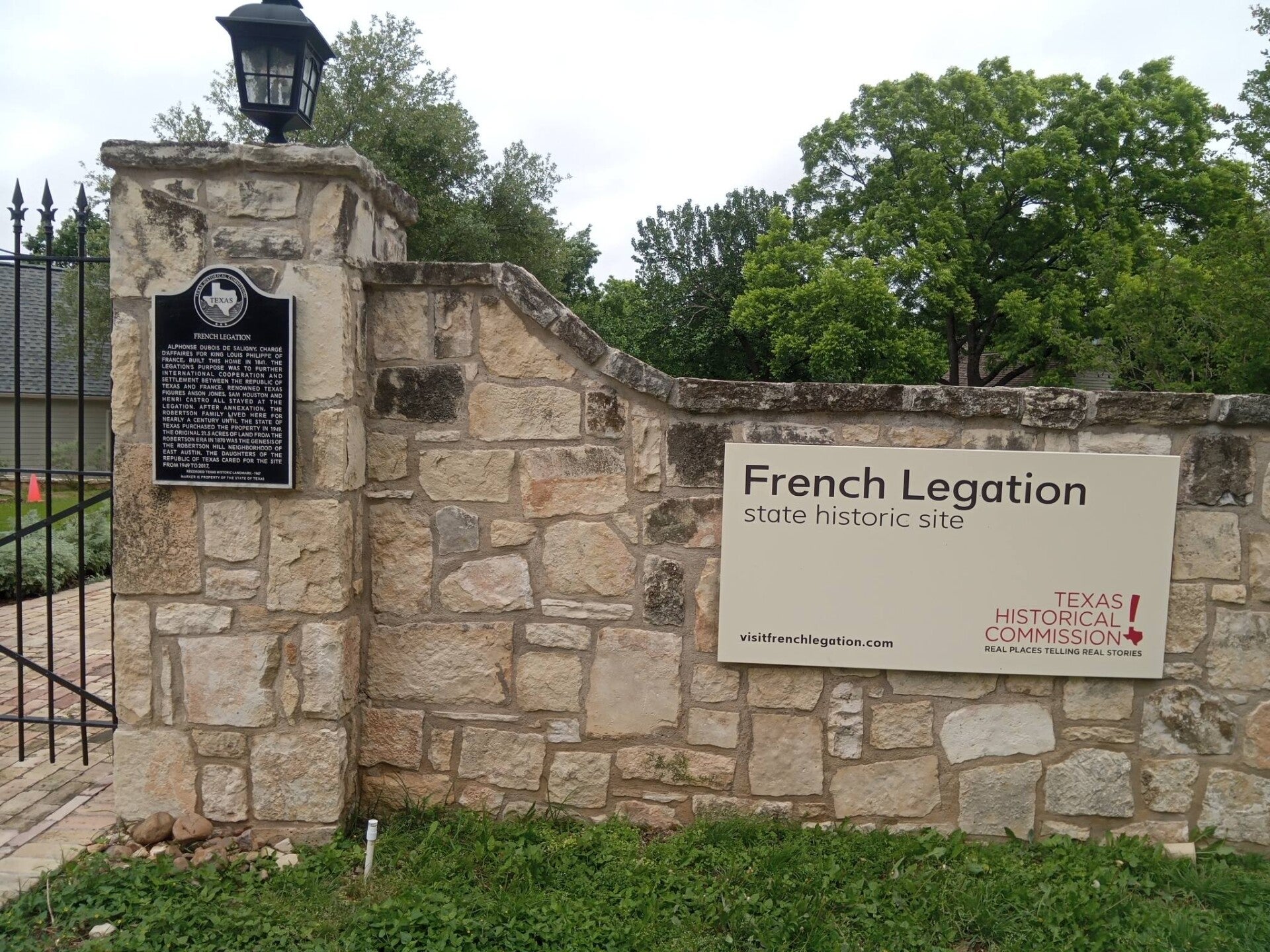

French Legation in East Austin and the Historical Evolution of Texas Governance
By Dr. Akwo Thompson Ntuba
For the Health & Development Archival Historical Series
Introduction: Governance, Diplomacy, and the Work of Global Wellbeing
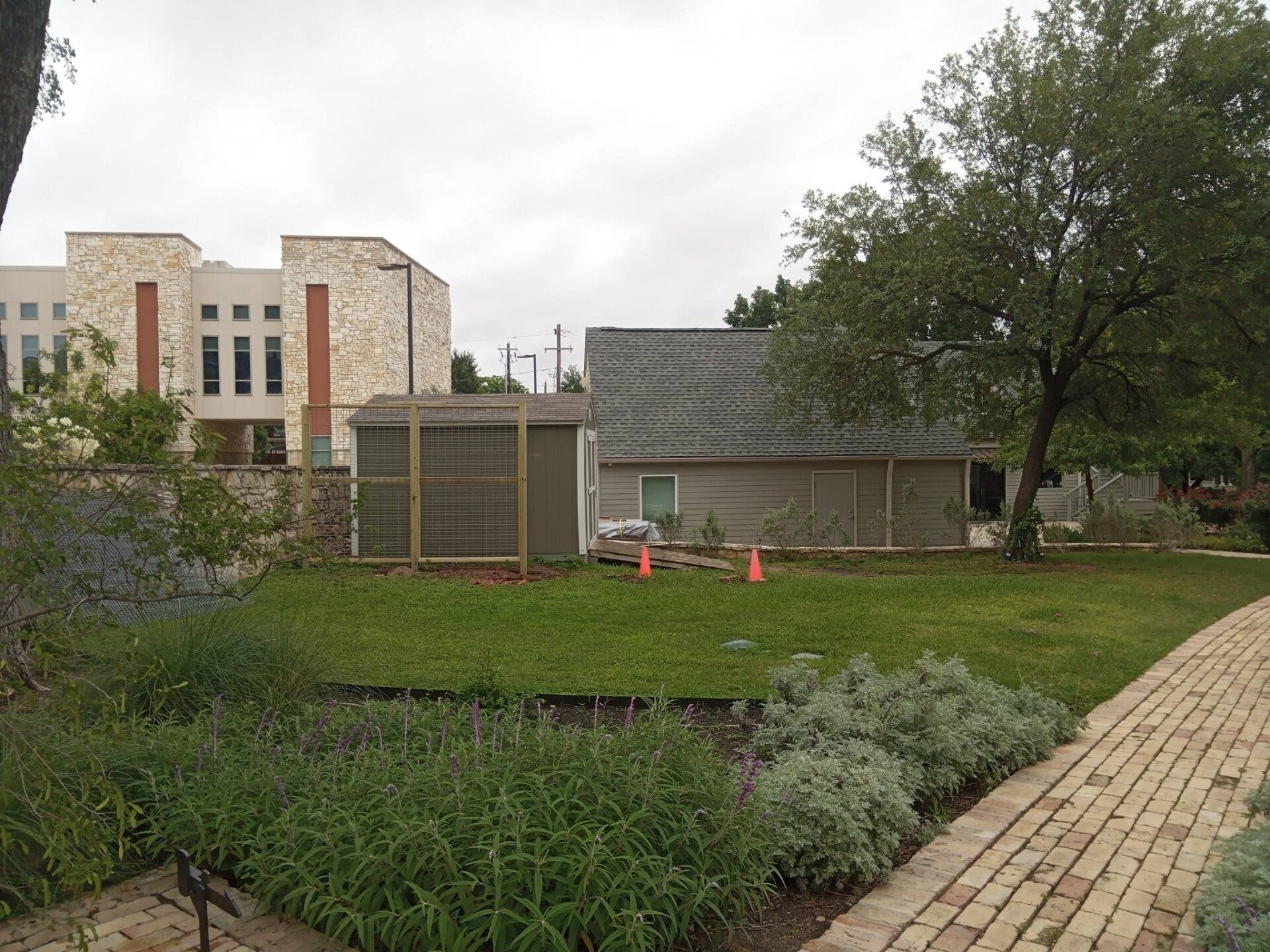
My work on governance—whether in Cameroon, the United States, or in global health and development—has always required returning to the places where political identity was first negotiated. In Austin, Texas, one such place is the French Legation, a modest wooden structure on San Marcos Street that once served as the diplomatic bridge between the Republic of Texas and France.
As I continue to visit this historic site, I draw from its archives, from the Daughters of the Republic of Texas collections, and from the surrounding East Austin neighborhoods to illuminate a broader story: how diplomacy, migration, African American community formation, and international relations intersected to shape Texas governance and American–French relations.
This work also supports my broader mission—to improve governance and global wellbeing by understanding the historical roots of political systems and community resilience.
The French Legation: A Diplomatic Outpost of an Independent Texas
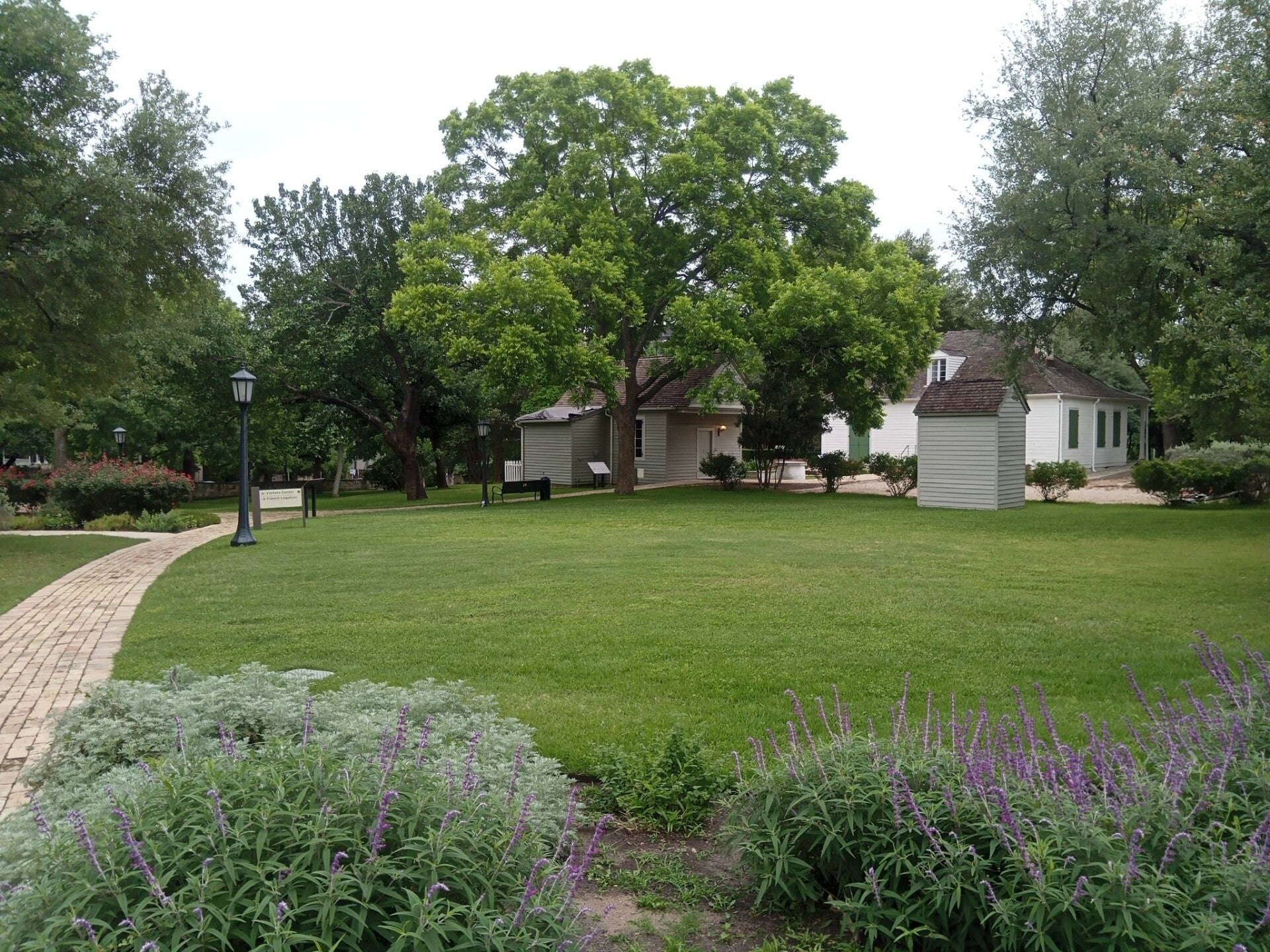
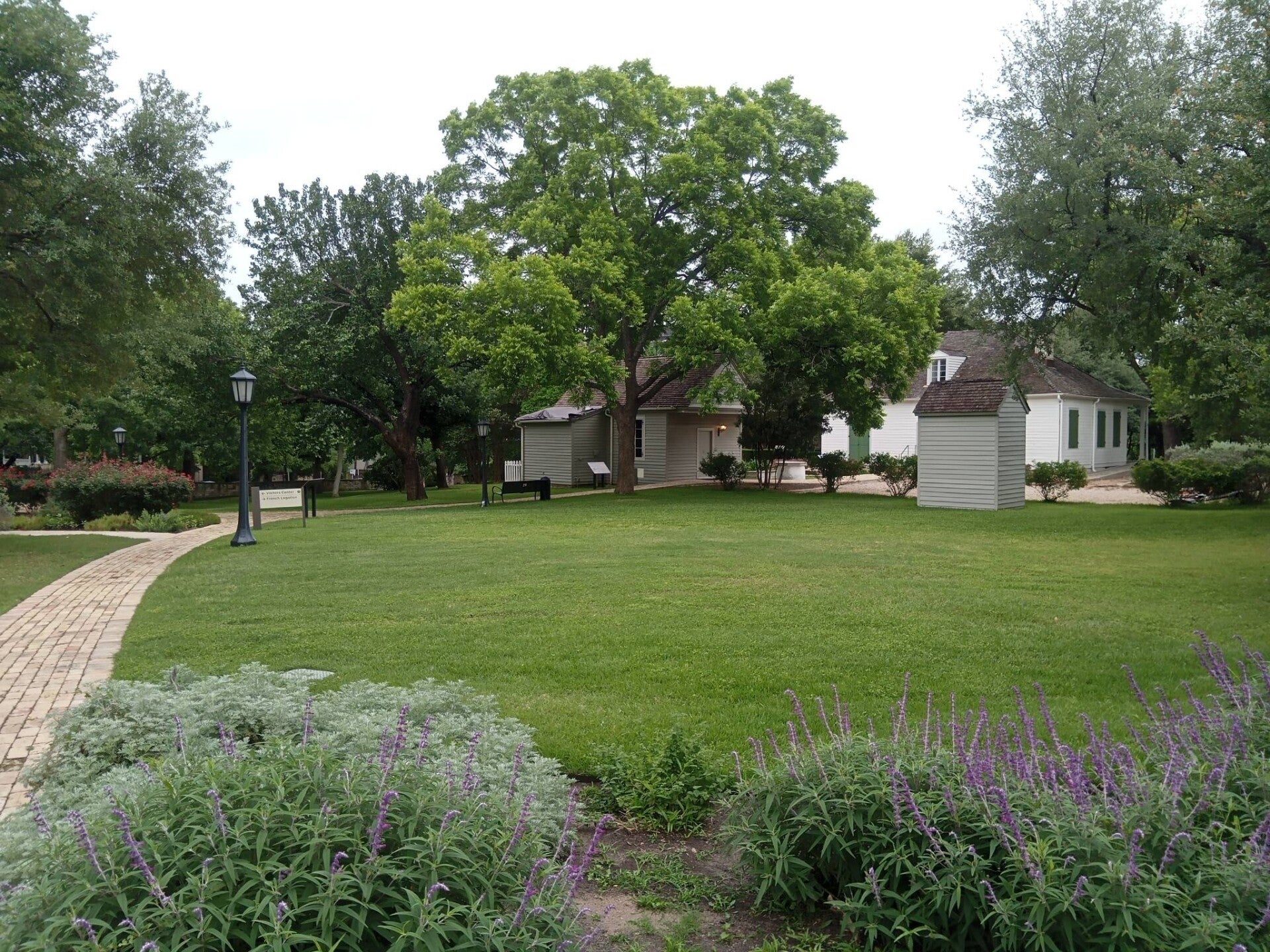
Built in 1841, the French Legation is the oldest surviving wooden residence in Austin. It was constructed for Alphonse Dubois de Saligny, France’s chargé d’affaires to the Republic of Texas, at a time when Texas was an independent nation seeking international legitimacy.
Why France Came to Texas
-
To recognize Texas as a sovereign republic
-
To explore trade opportunities
-
To encourage French colonization
-
To establish a diplomatic foothold in North America
France’s recognition of Texas in 1839–1840 was a major diplomatic victory for the young republic, signaling to the world that Texas was more than a frontier experiment—it was a nation seeking its place in global affairs.
Governance Challenges and the “Pig War”
Diplomacy in early Austin was not always smooth. Dubois de Saligny’s tenure became infamous for the “Pig War” of 1841, a dispute involving his servants, local innkeepers, and wandering pigs that escalated into a diplomatic scandal.
This episode—humorous on the surface—reveals deeper truths about:
-
Fragile governance structures
-
Tensions between local residents and foreign officials
-
The challenges of building legitimacy in a new republic
France eventually recalled Dubois in 1846, the same year Texas joined the United States, marking the end of its brief independent diplomatic era.
East Austin: A Landscape of African American History and Contribution
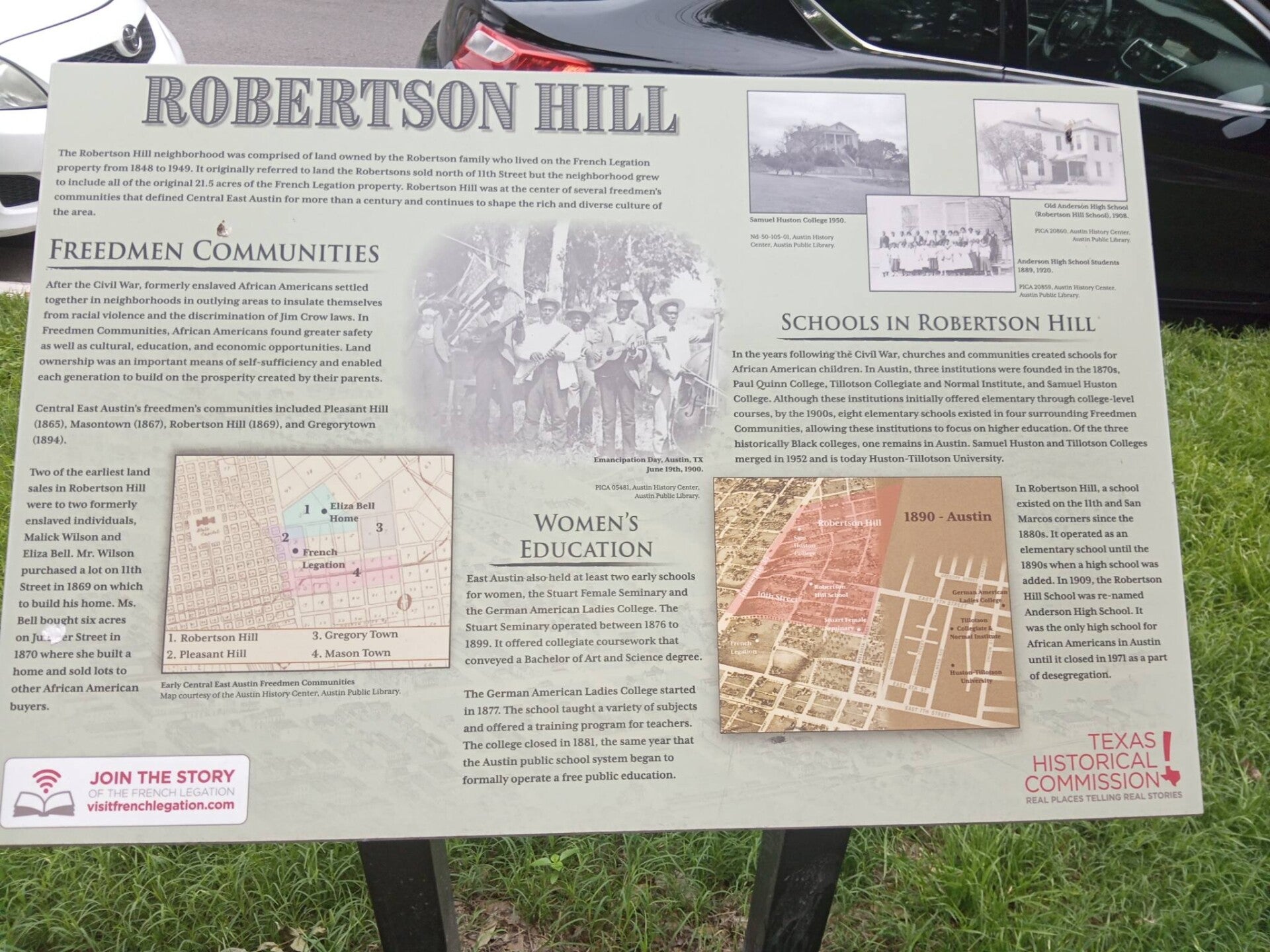
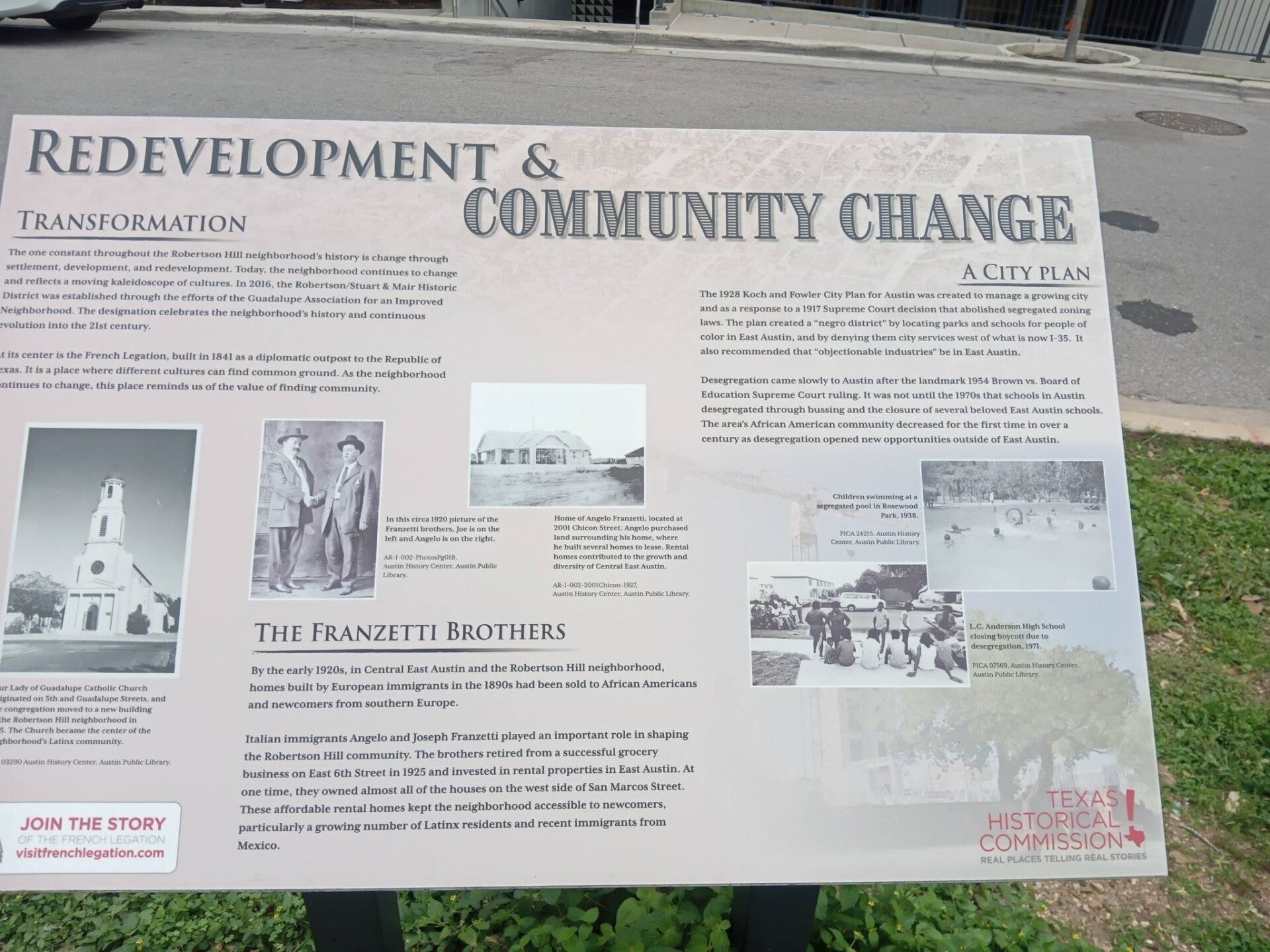
The French Legation sits in East Austin, a neighborhood that evolved into one of the most significant African American cultural and political centers in Texas.
Using archival materials from the Daughters of the Republic of Texas, city records, and oral histories, my research places African Americans firmly within the story of this neighborhood’s development.
African American Contributions Include
-
Building early civic and religious institutions
-
Shaping the labor economy of Austin
-
Creating cultural, musical, and educational traditions
-
Influencing local governance and civil rights movements
-
Contributing to Texas’s identity as a diverse, resilient state
The proximity of the French Legation to historically Black neighborhoods underscores a powerful truth: global diplomacy and local community-building unfolded side by side.
Texas Governance: From Republic to Statehood
The French Legation stands as a physical timeline of Texas governance:
1. Mexican Era → 1836
Texas was governed under Mexican law, with tensions over autonomy and representation.
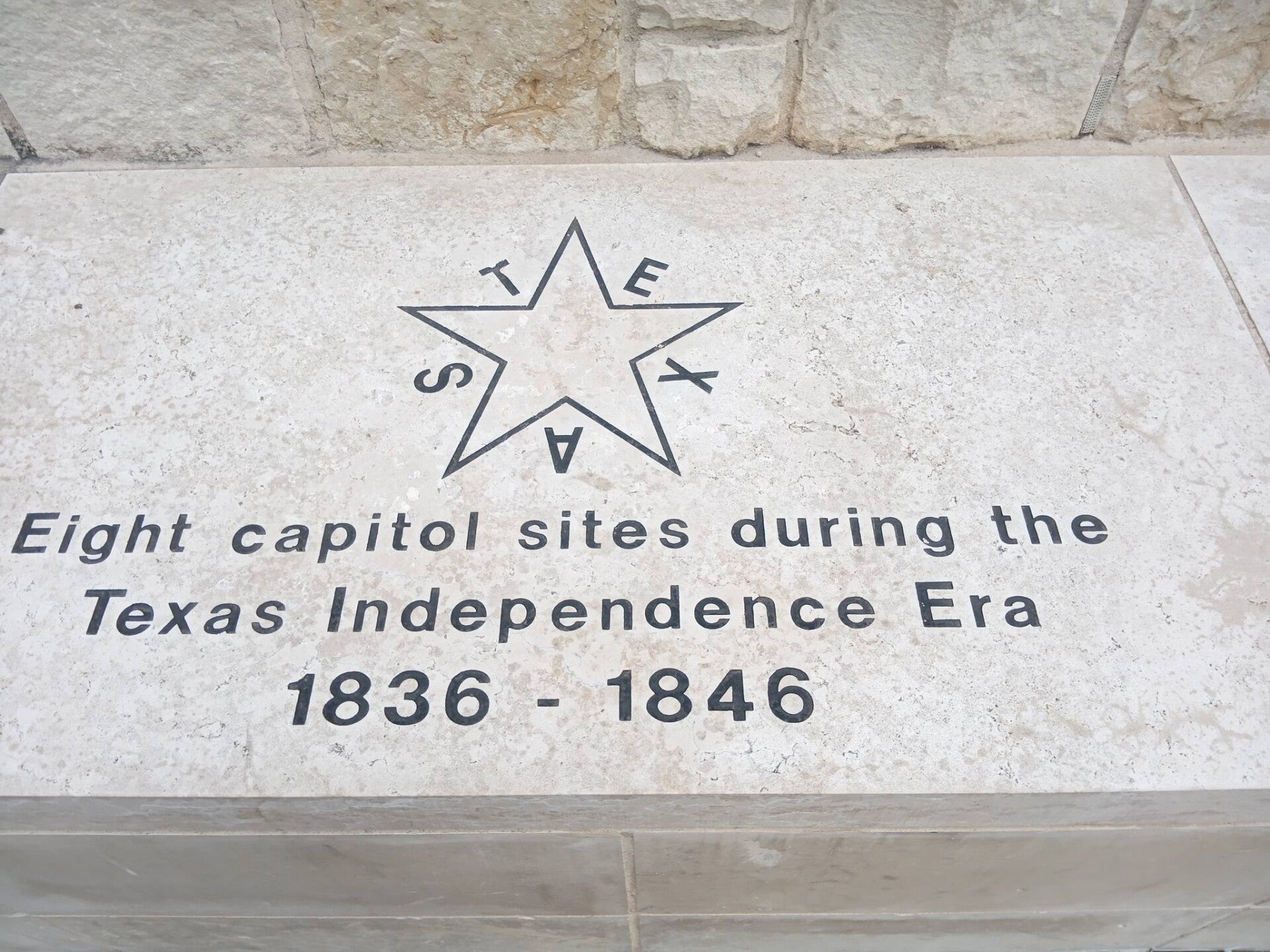
2. Republic of Texas (1836–1846)
The Legation symbolizes the republic’s struggle for:
-
International recognition
-
Diplomatic legitimacy
-
Stable governance institutions
3. U.S. Annexation (1846)
France’s withdrawal coincided with Texas becoming a U.S. state, shifting governance from independent nationhood to federal integration.
4. Modern Governance
Today, the site’s preservation reflects Texas’s commitment to:
-
Documenting its multicultural political heritage
-
Honoring early diplomatic relationships
-
Understanding how governance evolves through conflict, negotiation, and community participation
France–USA–Texas Relations: A Continuing Story
The French Legation is more than a relic—it is a symbol of the long-standing relationship between France and the United States, with Texas as a unique historical bridge.
This relationship has influenced:
-
Trade
-
Cultural exchange
-
Migration patterns
-
Shared democratic ideals
My ongoing visits to the Legation and engagement with its archives help connect these historical threads to contemporary governance challenges in Africa, the U.S., and globally.
Governance and Global Wellbeing: Lessons from the Legation
The French Legation teaches us that:
-
Governance is built through relationships—local and international
-
Diplomacy shapes national identity
-
Communities, especially marginalized ones, anchor political legitimacy
-
Historical memory is essential for modern development and wellbeing
By studying these intersections, we gain insights into how nations can strengthen governance, promote peace, and improve health and development outcomes.
Conclusion: A Site of Memory, A Site of Learning
The French Legation in East Austin is not simply a museum—it is a living classroom. It connects:
-
Texas’s diplomatic beginnings
-
African American community history
-
French–American relations
-
The evolution of governance
-
The pursuit of global wellbeing
As I continue my work, this site remains a vital resource—reminding us that to build better governance today, we must understand the layered histories that shaped our political world.