

America at 250: A journey through history
Join HEALTHNDEVELOPMENT as we explore the remarkable 250-year journey of the United States. From its foundational struggles and global challenges to its enduring leadership, discover the pivotal moments, including the Civil War, and the contemporary issues shaping the nation as it approaches its monumental anniversary. This is the story of America in 250 years.
The birth of a nation: Origins and early struggles
Delve into the foundational moments that led to the creation of the United States. Understand the ideals, the conflicts, and the determination that forged a new nation from diverse colonies. This section illuminates the early struggles and the vision that set America on its path.
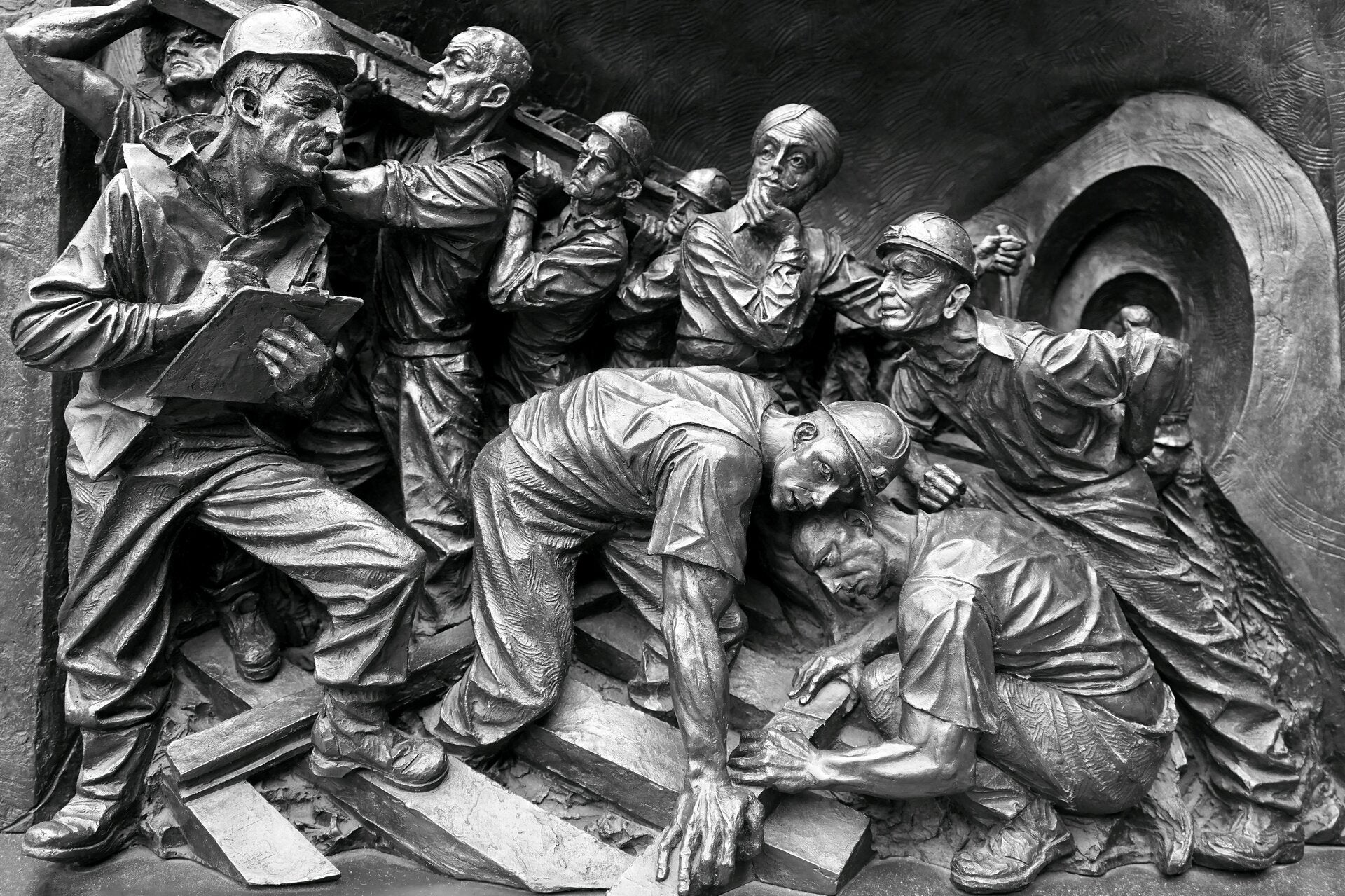
Divided we stood: The Civil War and its legacy
Examine one of the most defining periods in American history – the Civil War. Explore the causes, the battles, and the profound impact it had on the nation's identity and future. Learn how this conflict reshaped the United States and paved the way for a more unified, yet still evolving, society.
America's role: Global challenges and leadership
Discover how the United States has navigated global challenges and asserted its leadership on the world stage over two and a half centuries. From international conflicts to humanitarian efforts, explore America's evolving role and its influence in shaping global events and contemporary issues.
Celebrating 250 years: A look ahead
As the 250th anniversary of the USA approaches, join us in reflecting on the nation's remarkable journey. This milestone is a celebration of resilience, progress, and the ongoing pursuit of its founding ideals. America in 250 years: a legacy of impact and inspiration.
Dr. Akwo Thompson Ntuba: A Life Across America’s History, People, and Crises
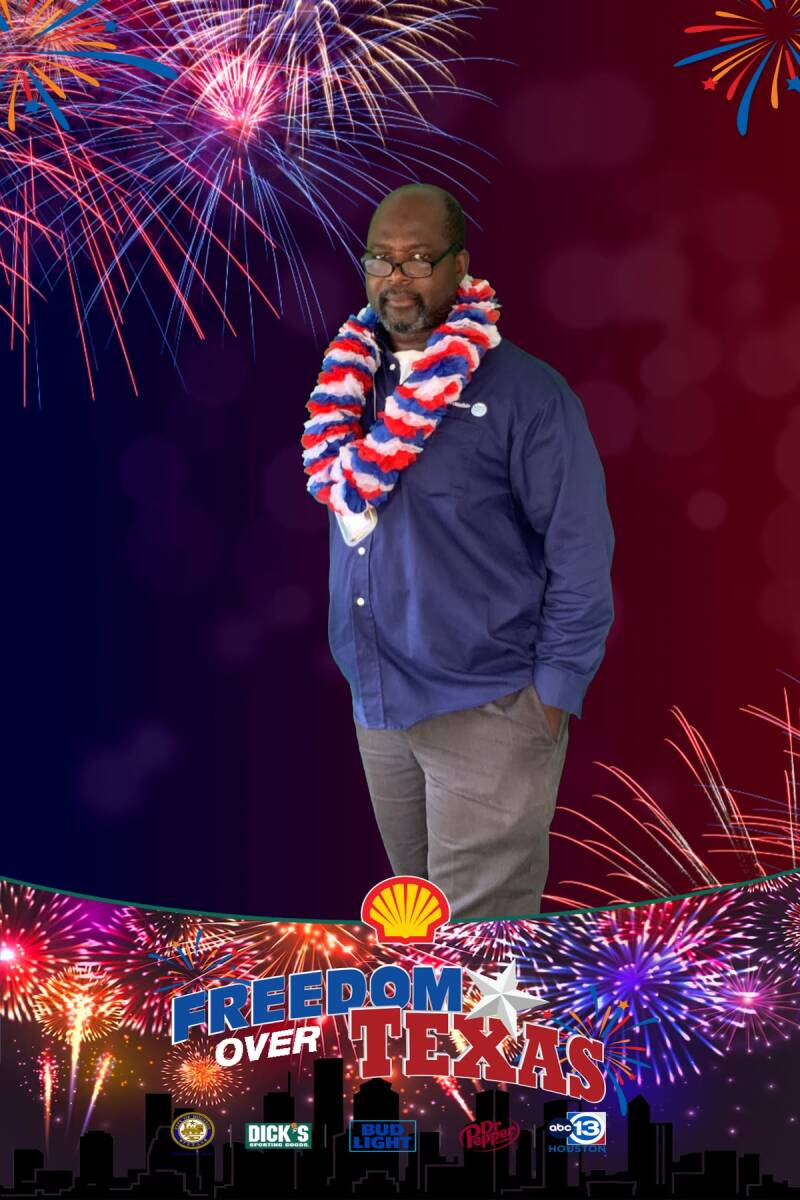
USA 250 SERIES
Dr. Akwo Thompson Ntuba: A Life Across America’s History, People, and Crises
Introduction
As the United States approaches its 250th anniversary, few individuals can speak about the nation’s journey with the depth of lived experience, professional engagement, and historical consciousness that His Eminence Excellency Minister Dr. Akwo Thompson Ntuba brings. His work across multiple tiers of American government, his immersion in communities from the East Coast to the West, and his documentation of health, development, and cultural archives place him uniquely within the story of America’s past two and a half centuries.
This USA 250 Series captures his reflections, his travels, his contributions, and the moments in American history he witnessed firsthand — from the shock of September 11, 2001 to the global disruption of the COVID‑19 pandemic.
1. Witness to National Trauma and Resilience
September 11, 2001 — Minnesota
Dr. Ntuba was in Minnesota when the terrorist attacks of September 11 unfolded. Like millions of Americans, he watched the nation’s sense of security shatter in real time. But unlike most, he began immediately documenting the public health, emergency response, and community resilience that followed. His archives from this period — interviews, notes, and analyses — remain part of his broader health and development collection.
COVID‑19 Pandemic — A Mirror of 1918
During the COVID‑19 pandemic, Dr. Ntuba contributed to discussions comparing the crisis to the 1918 influenza pandemic. His work highlighted how public health systems evolved, how communities responded, and how America’s scientific institutions mobilized. His archives from this period form a significant part of his USA 250 documentation.
2. A Journey Through America’s Government and Communities
Dr. Ntuba’s work has taken him through nearly every major region of the United States, giving him a panoramic understanding of the nation’s diversity, challenges, and strengths.
Federal and State Engagements
-
Washington, D.C. — Work with federal agencies and national policy networks.
-
New York City — Engagements with global institutions and urban development actors.
-
Houston, Austin, San Antonio — Health, governance, and community development work in Texas.
-
Los Angeles, California — Interactions with multicultural communities and public health systems.
-
Chicago, Illinois — Contributions to urban policy and civic leadership networks.
Indigenous and Historical Communities
-
Tulsa, Oklahoma — Work with American Indian communities, exploring cultural preservation and health equity.
-
Denver, Colorado — Engagements with mountain-region governance and indigenous advocacy.
-
Aztec and Southwestern communities — Documenting cultural heritage and development challenges.
3. America’s Cultural and Historical Memory
Dr. Ntuba has spent extensive time studying and documenting America’s cultural institutions, museums, and historical sites.
Baltimore, Maryland
Months spent visiting museums, researching Francis Scott Key, and writing about the origins of the Star-Spangled Banner. His work connects American patriotism with the lived experiences of communities across centuries.
New Orleans, Louisiana
At the World War II Museum, Dr. Ntuba explored America’s role in global conflict and liberation. At Congo Square, he traced the cultural roots of enslaved Africans — the rhythms, gatherings, and spiritual expressions that later shaped American music, identity, and resistance.
4. Abraham Lincoln: The Greatest President
Dr. Ntuba’s USA 250 reflections consistently highlight his belief that Abraham Lincoln is the greatest president who ever lived. Lincoln’s ability to:
-
hold the Union together,
-
navigate the Civil War,
-
and issue the Emancipation Proclamation
remains, in Dr. Ntuba’s view, the most consequential leadership moment in American history. Lincoln’s legacy forms a moral and political anchor in the USA 250 Series.
5. Health and Development Archives
Across decades, Dr. Ntuba has built a vast collection of:
-
public health documentation,
-
development analyses,
-
crisis response records,
-
community interviews,
-
and multimedia resources.
These archives reflect America’s evolution in medicine, governance, and social resilience — from bioterrorism fears after 9/11 to the epidemiological challenges of COVID‑19.
Conclusion: A Life Interwoven with America’s Story
The USA 250 Series by His Eminence Excellency Minister Dr. Akwo Thompson Ntuba is not merely a historical reflection — it is a living testimony. Through travels, research, service, and documentation, Dr. Ntuba has woven his own life into the fabric of America’s 250‑year journey.
His experiences across states, crises, cultures, and institutions form a unique archive that enriches the nation’s understanding of itself. As America marks its 250th anniversary, Dr. Ntuba’s contributions stand as a reminder that history is not only written in books — it is lived, witnessed, and preserved by those who walk through it.
AMERICA 250 SERIES
The Flag Still There: Dr. Akwo Thompson Ntuba on Baltimore, Francis Scott Key, and the Birth of the American Anthem
AMERICA 250 SERIES
The Flag Still There: Dr. Akwo Thompson Ntuba on Baltimore, Francis Scott Key, and the Birth of the American Anthem
Baltimore is one of the few American cities where history does not whisper — it sings. Its harbor, its forts, its museums, and its patriotic landmarks carry the echoes of a young nation fighting for survival. When His Eminence Excellency Minister Dr. Akwo Thompson Ntuba visited the Flag Museum in Baltimore, he stepped into the living memory of the United States — a memory stitched into cloth, defended in battle, and immortalized in song.
This chapter of the America 250 Series tells the story of the U.S. flag, the War of 1812, and the lawyer who watched a nation prove itself under fire.
1. Baltimore: Cradle of the American Flag’s Legend
The Flag Museum in Baltimore preserves one of the most powerful symbols of the American story — the flag that inspired the national anthem. Here, Dr. Ntuba traced the origins of the flag from its early colonial forms to the bold, 15‑star banner that flew over Fort McHenry.
The museum’s exhibits reveal:
-
How the flag evolved as the nation grew
-
How its stars and stripes became symbols of unity
-
How ordinary citizens — seamstresses, soldiers, sailors — shaped its legacy
In Baltimore, the flag is not just a national emblem; it is a witness to history.
2. The War of 1812: America’s Second Fight for Independence
The War of 1812 was the moment when the United States had to prove that its independence from Britain was not symbolic but real. British forces marched through the East Coast, burning Washington, D.C., and threatening to crush the young republic.
Baltimore became the frontline of resistance.
Dr. Ntuba’s reflections emphasize that:
-
The war was a test of national endurance
-
The American people fought not only for territory but for identity
-
The flag became the rallying point for courage and unity
Fort McHenry stood as the shield of the nation, and its defenders held the line through a night of relentless bombardment.
3. Francis Scott Key: The Lawyer Who Saw a Nation Stand
Francis Scott Key, a Maryland lawyer, boarded a British ship to negotiate the release of an American prisoner. He was detained during the attack on Baltimore and forced to watch the battle from the harbor.
Through the smoke, explosions, and darkness, Key saw one thing:
The American flag still flying.
Dr. Ntuba’s documentation highlights the emotional power of that moment:
-
Key expected the flag to fall
-
The British expected the fort to surrender
-
The defenders refused to yield
When dawn broke and the flag was still there, Key realized that the nation had survived the night — and the war.
His poem, “The Defence of Fort McHenry,” later became The Star-Spangled Banner, the national anthem of the United States.
4. The Flag as a Symbol of National Continuity
For Dr. Ntuba, the flag’s endurance at Fort McHenry represents more than military victory. It symbolizes:
-
The resilience of the American people
-
The continuity of the republic
-
The belief that freedom must be defended
-
The unity of a nation built from many peoples
The flag museum in Baltimore preserves this legacy, reminding visitors that the anthem is not merely a song — it is a testimony.
5. The Anthem in America’s 250-Year Journey
As the United States marks 250 years, the anthem remains a national prayer sung in stadiums, schools, churches, and public ceremonies.
Dr. Ntuba’s America 250 reflections emphasize:
-
The anthem is a story of survival
-
The flag is a story of identity
-
Baltimore is a story of courage
-
Francis Scott Key is a story of witness
Together, they form a chapter of American history that continues to inspire generations.
6. Dr. Ntuba’s Contribution to the Flag’s Historical Memory
Through his visit to Baltimore and his documentation of the flag’s origins, Dr. Ntuba:
-
Preserves the narrative of the War of 1812
-
Highlights the role of Francis Scott Key
-
Connects the flag’s endurance to America’s democratic spirit
-
Interprets the anthem as a national covenant
-
Adds a global perspective to America’s patriotic heritage
His America 250 Series ensures that the story of the flag is told not only as history but as a living symbol of national unity.
Conclusion: The Flag Still There
The U.S. flag is more than fabric. It is the memory of a night when America refused to fall. It is the witness of a lawyer who saw hope through smoke. It is the anthem of a nation that continues to strive toward its ideals.
In Baltimore, Dr. Akwo Thompson Ntuba stood where Francis Scott Key once stood — and added his voice to the ongoing story of the United States.
Dr. Akwo Thompson Ntuba: Florida, Memory, and the American Story
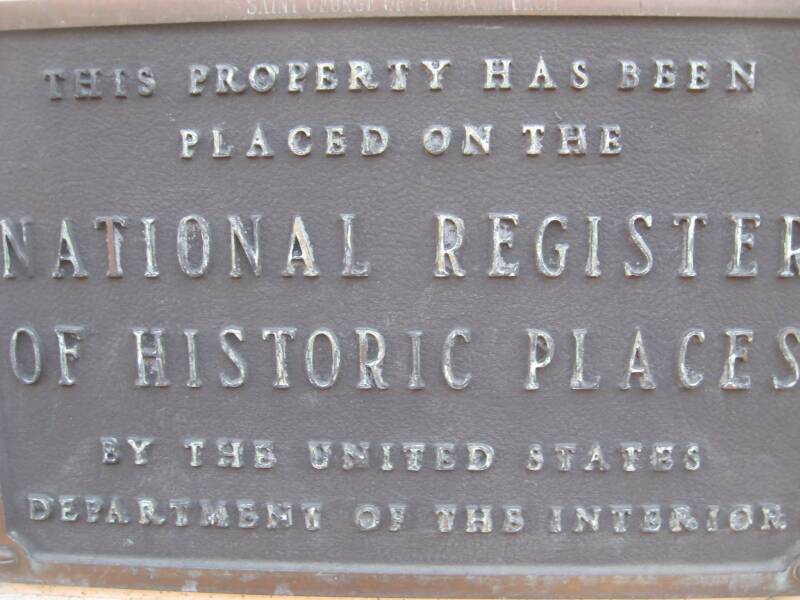
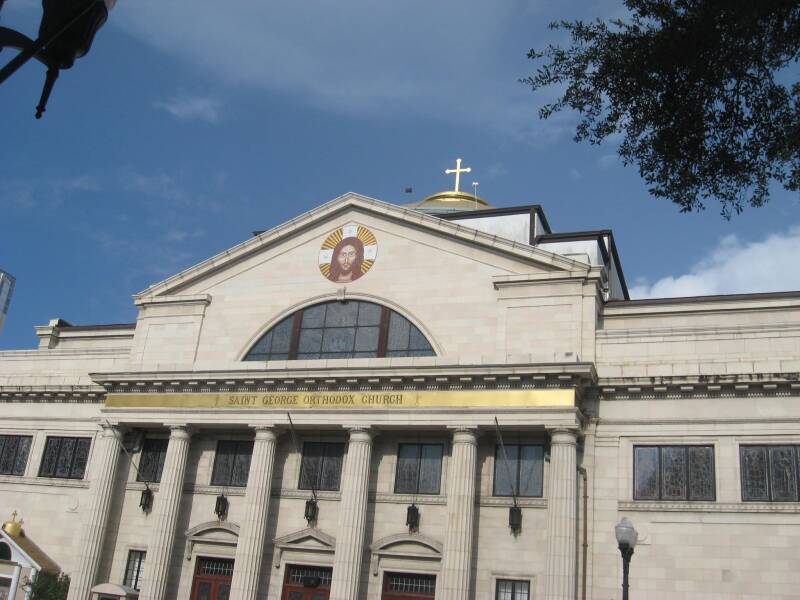
USA 250 SERIES — FLORIDA CHAPTER
Dr. Akwo Thompson Ntuba: Florida, Memory, and the American Story
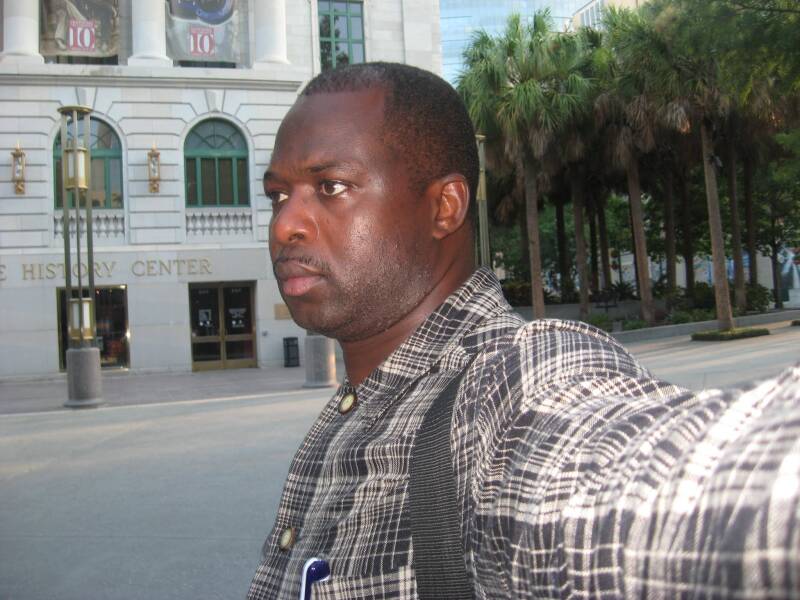
Florida is one of the few places in the United States where history, migration, culture, and identity collide in full sunlight. For His Eminence Excellency Minister Dr. Akwo Thompson Ntuba, Florida became a living classroom — a place where America’s 250‑year journey reveals itself not only in textbooks but in streets, museums, libraries, and communities.
This chapter of the USA‑250 Series captures Dr. Ntuba’s reflections on Florida as a microcosm of the American experiment.
1. Florida as a Living Archive
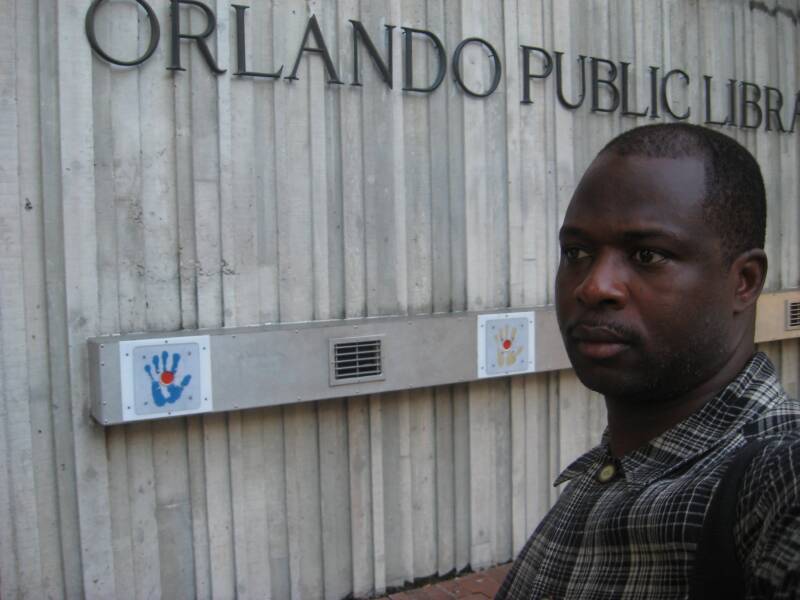
Florida’s history is not hidden behind glass; it stands boldly in public spaces. Walking through its civic institutions — from regional history centers to public libraries — Dr. Ntuba encountered the layered story of a state shaped by:
-
Indigenous nations
-
Spanish colonial rule
-
African and Caribbean diasporas
-
Civil War tensions
-
20th‑century migration
-
Modern multicultural growth
Florida’s museums present these eras not as distant memories but as active forces shaping the present.
In the USA‑250 Series, Dr. Ntuba emphasizes that Florida’s story is America’s story: contested, diverse, resilient, and constantly reinventing itself.
2. The Civic Heart of Florida
Florida’s public institutions — libraries, history centers, cultural archives — reflect the democratic spirit of the nation. Dr. Ntuba’s visits to these spaces highlight:
-
The importance of public knowledge
-
The preservation of community memory
-
The role of civic education in national unity
In Florida, he saw how museums curate the Civil War, how libraries preserve local heritage, and how public art celebrates the everyday people who built the state.
These institutions remind America that democracy is not only practiced in Washington; it is lived in local communities.
3. Florida’s Cultural Mosaic
Florida is a crossroads of cultures — African American, Caribbean, Latin American, Indigenous, European, and immigrant communities from across the world.
Dr. Ntuba’s USA‑250 reflections highlight:
-
The African American legacy in Florida’s cities
-
The Caribbean influence on music, worship, and community life
-
The Indigenous presence that predates the United States
-
The immigrant energy that fuels Florida’s modern growth
Florida’s diversity mirrors the broader American promise: a nation strengthened by many peoples, many histories, and many voices.
4. Faith Traditions and America’s Spiritual Landscape
Florida’s religious diversity — from Orthodox Christian communities to African American churches to immigrant congregations — reflects the spiritual breadth of the United States.
Dr. Ntuba’s encounters with Florida’s faith institutions reinforce a central USA‑250 theme:
America’s strength lies in its freedom of worship and the coexistence of many spiritual traditions.
Florida’s churches, temples, and mosques embody the constitutional promise that faith is both personal and public, both historical and evolving.
5. Florida’s Urban Beauty and Civic Identity
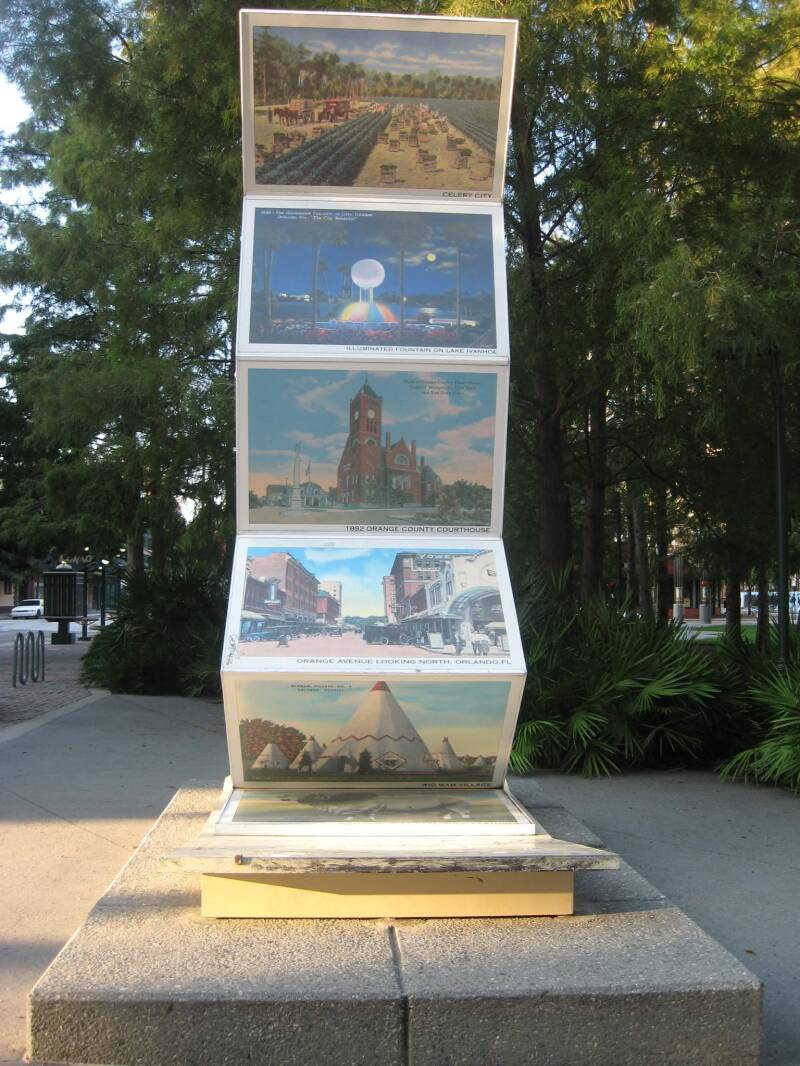
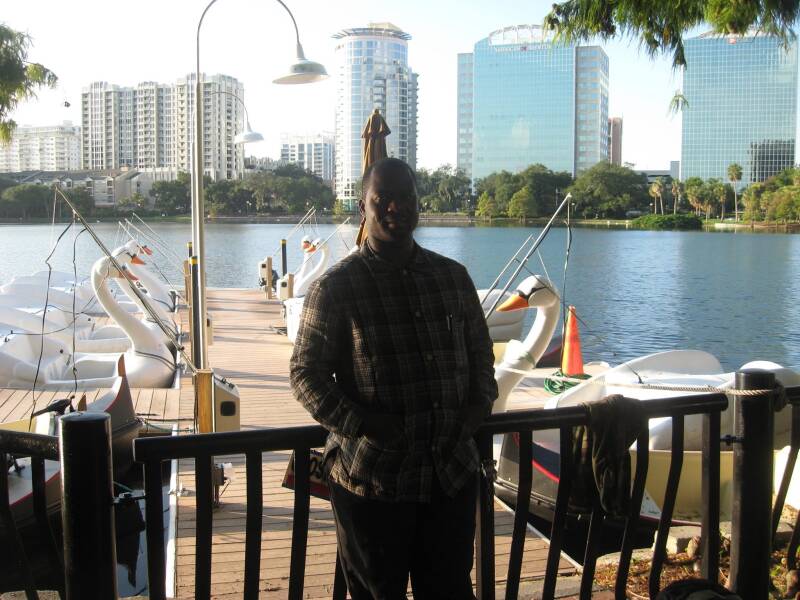
Florida’s cities — Orlando, Miami, Tampa, Jacksonville — blend natural beauty with civic pride. Walking through parks, waterfronts, and public art installations, Dr. Ntuba saw how Florida uses its environment to tell its story.
Public sculptures, historical markers, and cultural monuments remind residents and visitors that:
-
Florida’s identity is rooted in memory
-
Its landscapes carry stories
-
Its public spaces are archives of the people
In the USA‑250 Series, Florida becomes a symbol of how environment and history intertwine to shape civic identity.
6. Florida in the American Narrative
As America approaches 250 years, Florida stands as:
-
A gateway between the U.S. and the Caribbean
-
A battleground of Civil War memory
-
A center of migration and demographic change
-
A hub of tourism, culture, and innovation
-
A state where the past and future meet daily
Dr. Ntuba’s Florida chapter argues that no understanding of America is complete without Florida, because Florida embodies the nation’s complexity — its triumphs, tensions, and transformations.
7. Dr. Ntuba’s Contribution to USA‑250 Through Florida
Through his travels, documentation, and reflections, Dr. Ntuba contributes to the USA‑250 narrative by:
-
Preserving Florida’s civic and cultural memory
-
Highlighting the state’s role in national unity
-
Connecting Florida’s history to broader American themes
-
Demonstrating how local stories shape national identity
-
Showing how Florida’s communities reflect America’s democratic spirit
His work in Florida becomes part of the larger USA‑250 archive — a testament to how one life can intersect with the nation’s journey.
Conclusion: Florida as a Chapter in America’s 250‑Year Story
Florida is not just a state; it is a chapter in the American book of identity. Through museums, libraries, public art, faith communities, and civic landscapes, Florida tells a story of resilience, diversity, and transformation.
Dr. Akwo Thompson Ntuba’s USA‑250 Florida reflections remind us that America’s history is not only written in Washington or New York — it is lived in places like Orlando, Miami, and Tampa, where everyday people shape the nation’s legacy.
AMERICA 250 SERIES
Washington National Cathedral: Anglicanism, Nation‑Building, and the American Soul
AMERICA 250 SERIES
Washington National Cathedral: Anglicanism, Nation‑Building, and the American Soul
By His Eminence Excellency Minister Dr. Akwo Thompson Ntuba
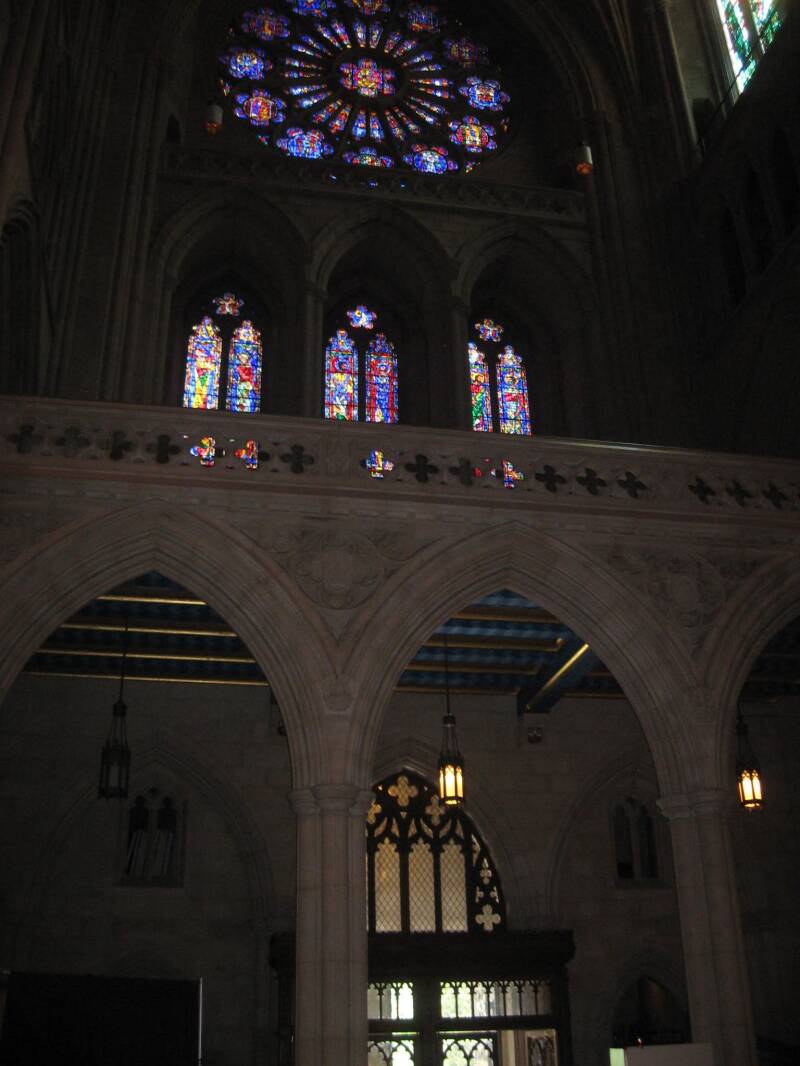
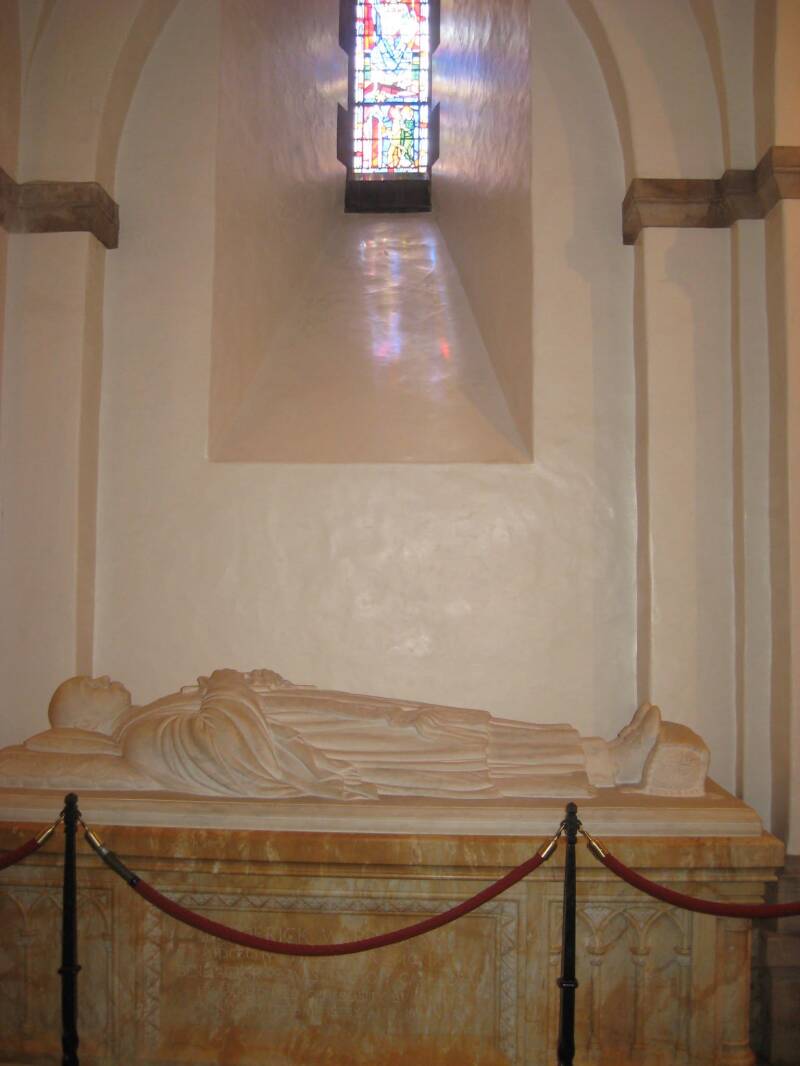
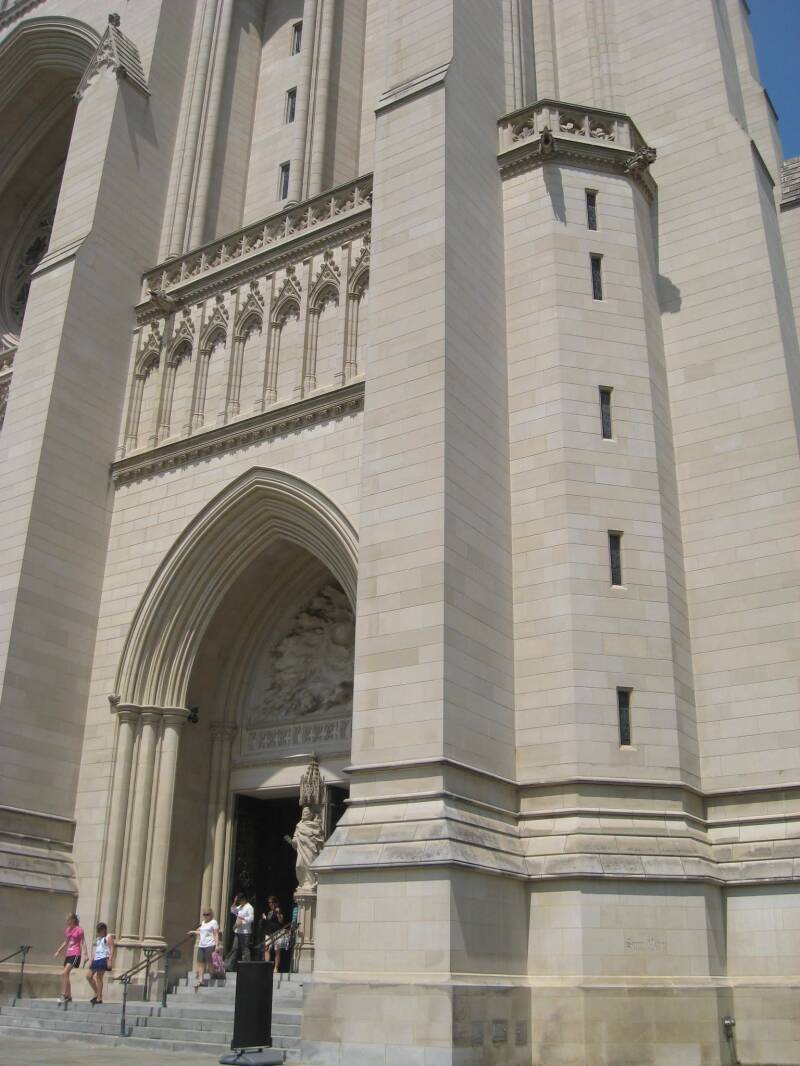
Washington, D.C. holds many monuments to American power, but only one stands as a monument to the nation’s spiritual conscience — the Washington National Cathedral. Rising above the capital in Gothic stone, it is both a house of worship and a national archive of faith, sacrifice, leadership, and memory.
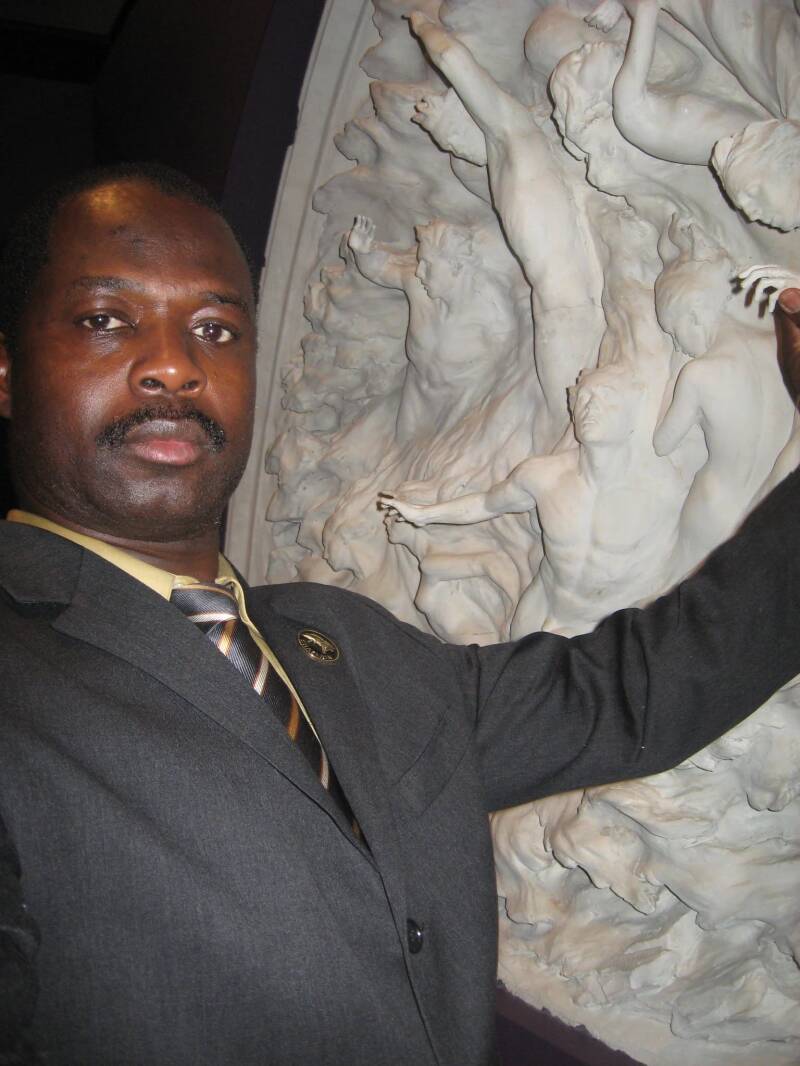
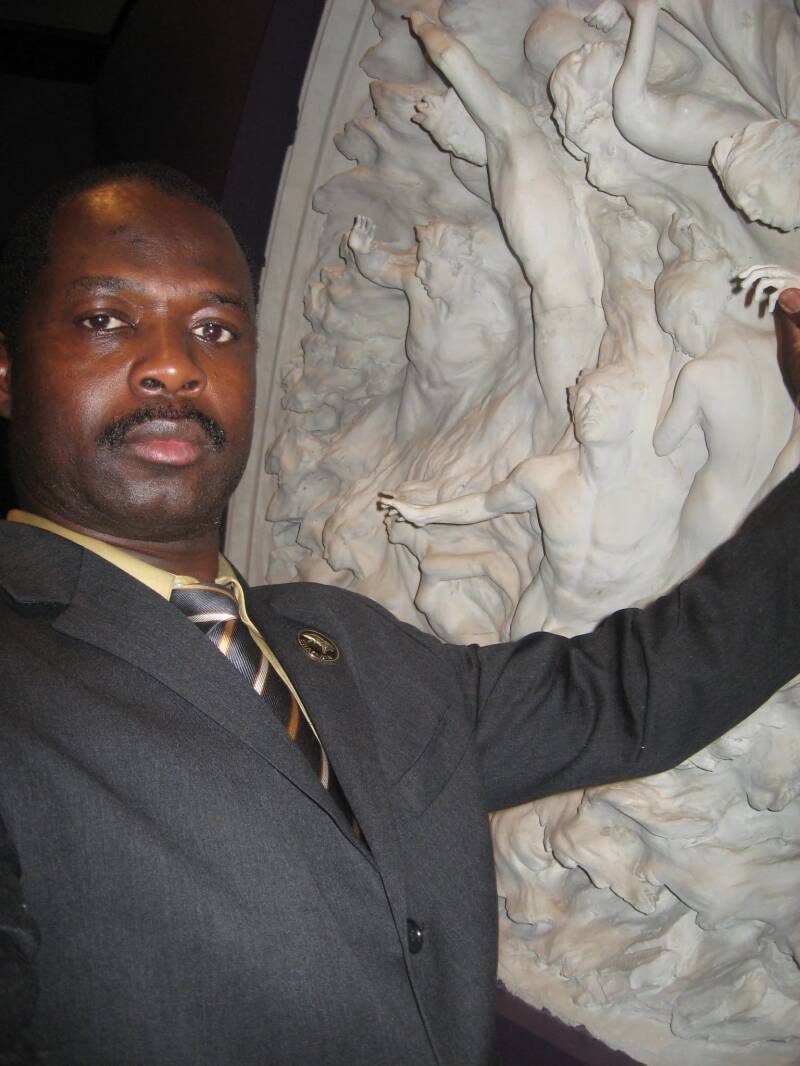
For Dr. Akwo Thompson Ntuba, the Cathedral is not merely a building; it is a living chapter of America’s 250‑year story. His visits, documentation, and reflections reveal how Anglicanism, American piety, and national identity intertwined from the founding era to the present.
1. Anglican Roots and the Birth of a Nation
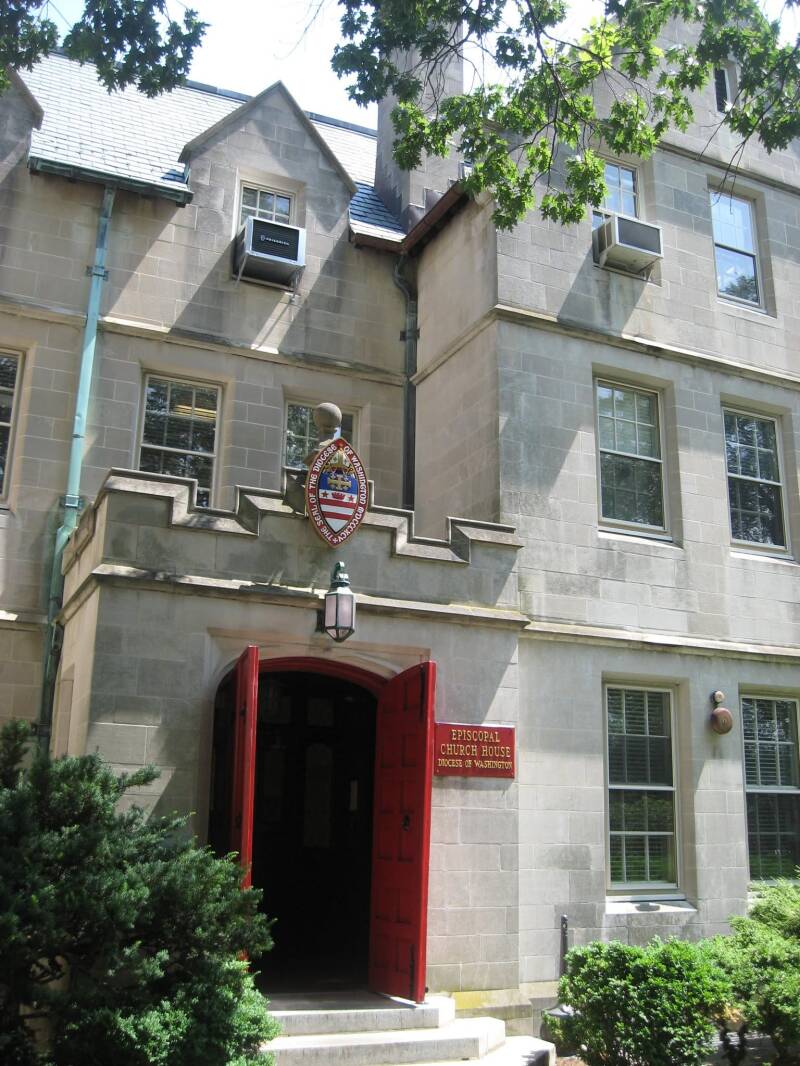
The Cathedral’s story begins long before its stones were laid. It begins with the Anglican settlers who crossed the Atlantic, leaving the United Kingdom to build a new society in the Americas. They arrived among American Indian nations, carrying with them:
-
A belief in ordered worship
-
A commitment to scripture and liturgy
-
A vision of civic responsibility shaped by faith
These early communities formed the backbone of what would become the Episcopal Church in the United States — a church that preserved Anglican tradition while embracing the democratic spirit of the new nation.
The Cathedral stands today as a symbol of that heritage: a reminder that America’s founders were not only political architects but spiritual pilgrims.
2. A National Shrine of Leadership and Remembrance
Few places in America have hosted as many moments of national mourning and reflection as the Washington National Cathedral. Dr. Ntuba’s documentation highlights its role as the spiritual stage of the republic, where the nation gathers to honor its leaders.
Presidential Memorial Services
The Cathedral has been the site of memorials for American presidents, including:
-
Dwight D. Eisenhower
-
Ronald Reagan
-
Gerald Ford
-
George H.W. Bush
These services transformed the Cathedral into a sanctuary where political divisions fall away and the nation remembers its shared identity.
Great Religious Leaders
The Cathedral has also honored towering figures of American faith:
-
Billy Graham, whose preaching shaped generations
-
Colin Powell, whose public service embodied duty and dignity
-
John McCain, whose life symbolized courage and national sacrifice
Dr. Ntuba’s reflections emphasize that these memorials are not mere ceremonies — they are national liturgies, moments when America pauses to consider the meaning of leadership, service, and legacy.
3. The Cathedral as a Chronicle of American Piety
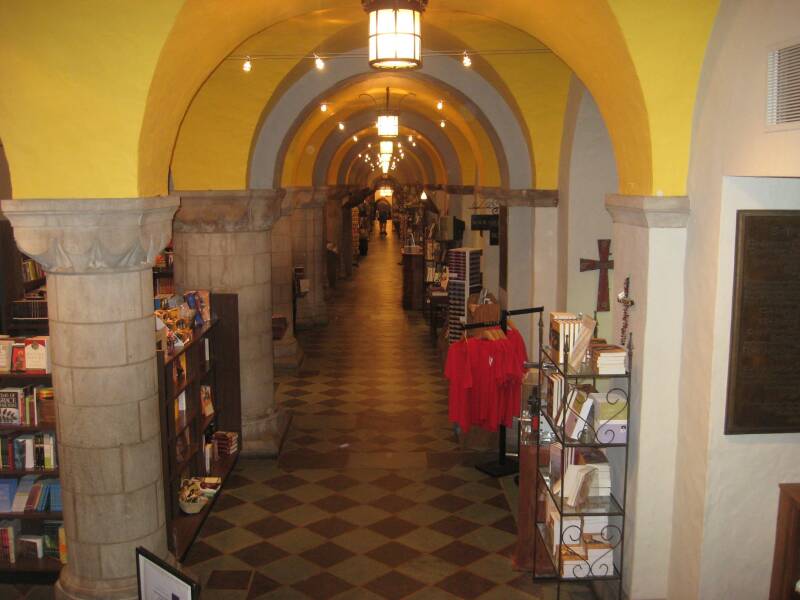
Walking through its halls, one encounters more than architecture. One encounters the American soul.
The Cathedral’s chapels, carvings, and memorials tell stories of:
-
Pilgrims and pioneers
-
Soldiers and peacemakers
-
Artists and architects
-
Saints, reformers, and ordinary believers
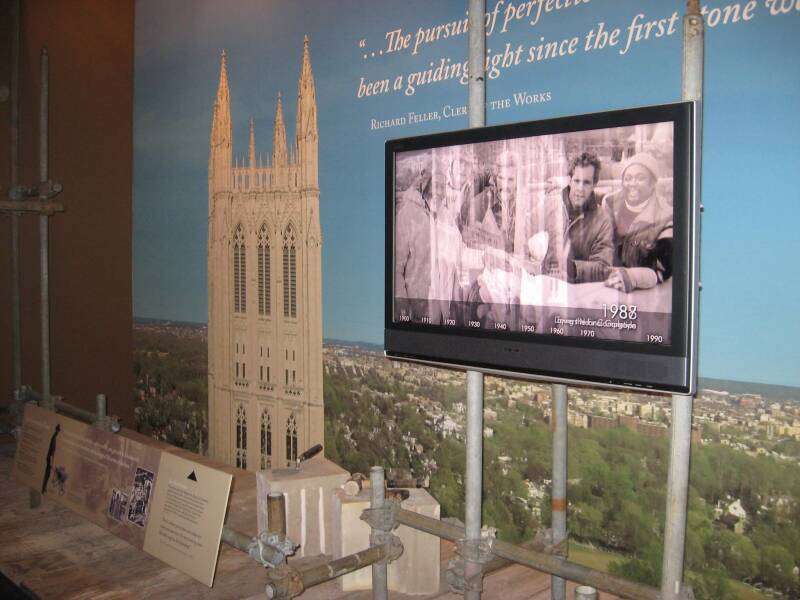
Its construction — spanning decades — reflects the American pursuit of excellence, discipline, and devotion. As one of its builders famously said, “The pursuit of perfection has been a guiding light since the first stone was laid.”
Dr. Ntuba’s documentation captures this ethos: the Cathedral is a testament to the belief that faith and nationhood can coexist without coercion, enriching one another.
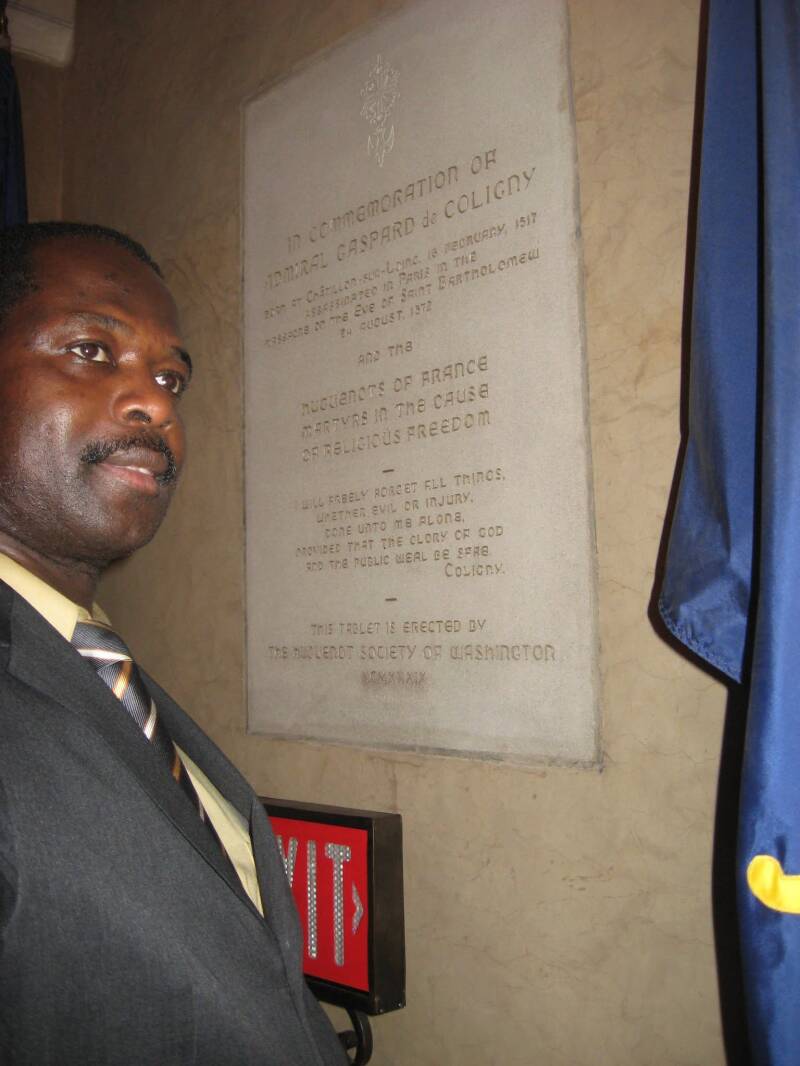
4. The Huguenot Legacy and Religious Freedom
Within Washington’s ecclesiastical landscape lies another story Dr. Ntuba has preserved — the memory of the Huguenots, French Protestants persecuted for their faith.
Their legacy in America symbolizes:
-
The fight for religious liberty
-
The cost of conscience
-
The belief that faith must be free to flourish
The Huguenot memorials in Washington remind the nation that religious freedom — a cornerstone of American identity — was purchased through suffering, exile, and perseverance.
Dr. Ntuba’s reflections connect this heritage to the broader American narrative: a nation built by those who sought a place where worship could be practiced without fear.
5. The Cathedral in America’s 250‑Year Journey
As the United States marks 250 years, the Washington National Cathedral stands as:
-
A spiritual archive of the republic
-
A symbol of unity in moments of crisis
-
A stage for national mourning and celebration
-
A bridge between America’s Anglican roots and its modern pluralism
Dr. Ntuba’s America 250 Series positions the Cathedral as a central chapter in the nation’s story — a place where history, faith, architecture, and leadership converge.
6. Dr. Ntuba’s Contribution to the Cathedral’s Historical Record
Through his visits, writings, and documentation, Dr. Ntuba has:
-
Preserved the Cathedral’s role in national memory
-
Highlighted its significance in American religious history
-
Connected its heritage to the founding ideals of the nation
-
Recorded its use in presidential and national ceremonies
-
Interpreted its architecture as a symbol of American aspiration
His work ensures that future generations will understand the Cathedral not only as a building, but as a national witness — a place where America has prayed, mourned, reflected, and hoped.
Conclusion: The Cathedral as America’s Spiritual Landmark
The Washington National Cathedral is more than stone and stained glass. It is a monument to:
-
Faith
-
Freedom
-
Leadership
-
National unity
-
The American journey
In the America 250 Series, Dr. Akwo Thompson Ntuba presents the Cathedral as a living testament to the nation’s spiritual heritage — a place where the past speaks, the present gathers, and the future is blessed.
AMERICA 250 SERIES
The White House: Origins, Presidents, Power, and the Witness of Dr. Akwo Thompson Ntuba
AMERICA 250 SERIES
The White House: Origins, Presidents, Power, and the Witness of Dr. Akwo Thompson Ntuba
By His Eminence Excellency Minister Dr. Akwo Thompson Ntuba
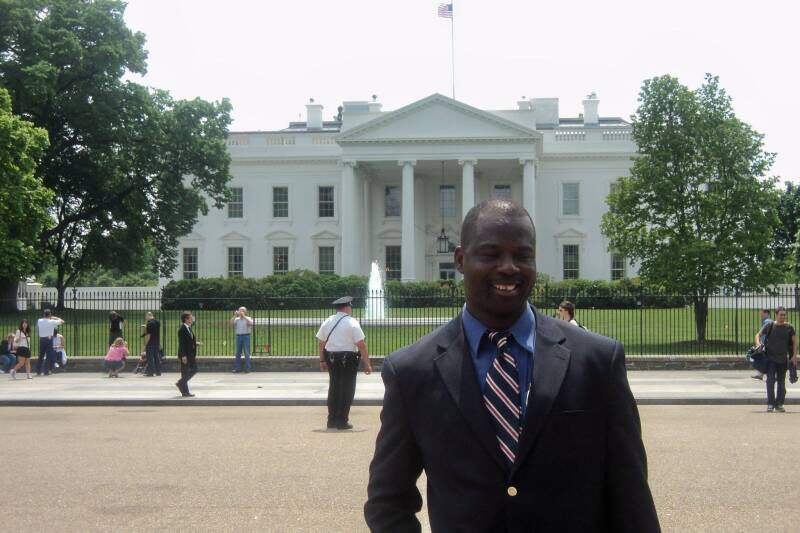
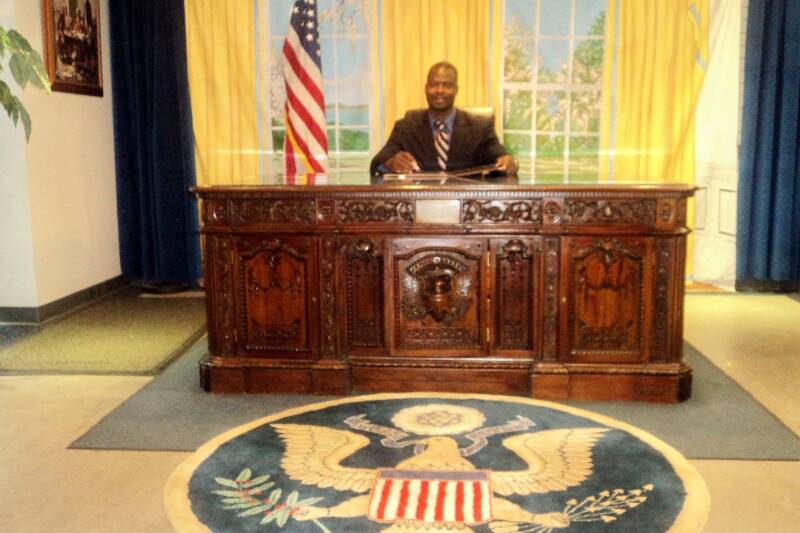
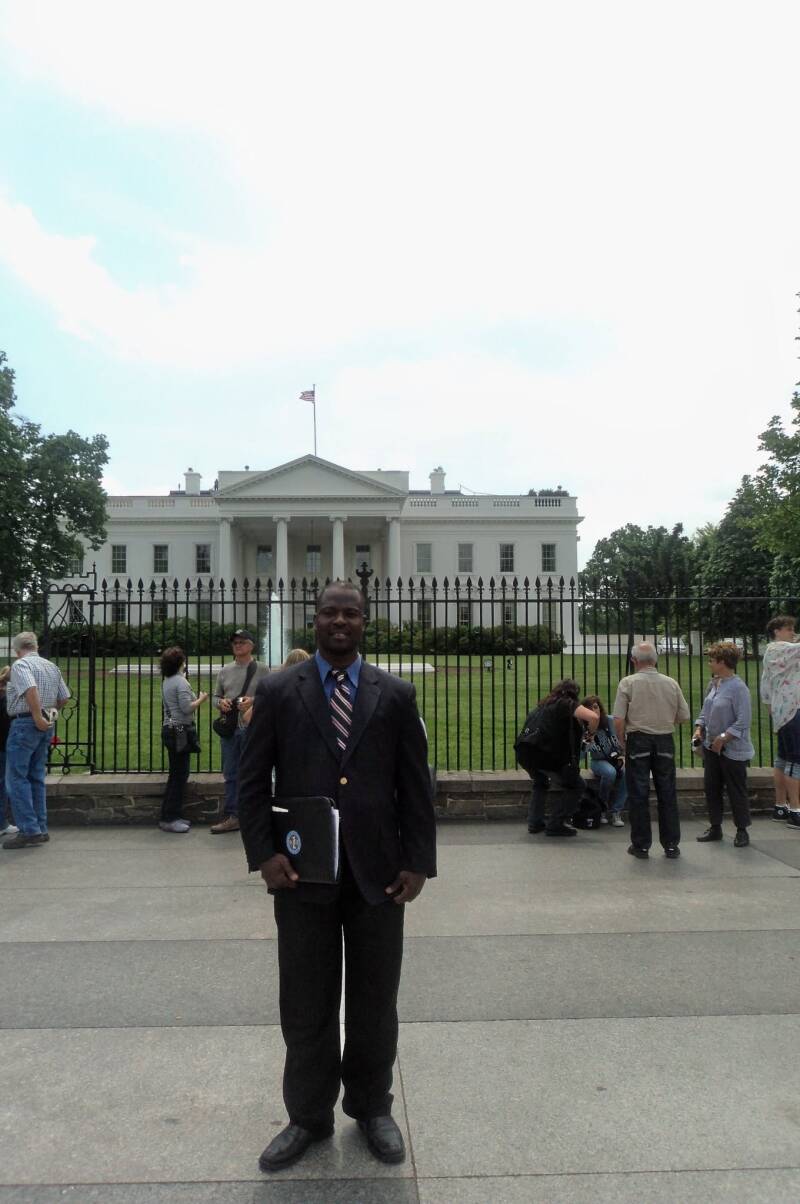
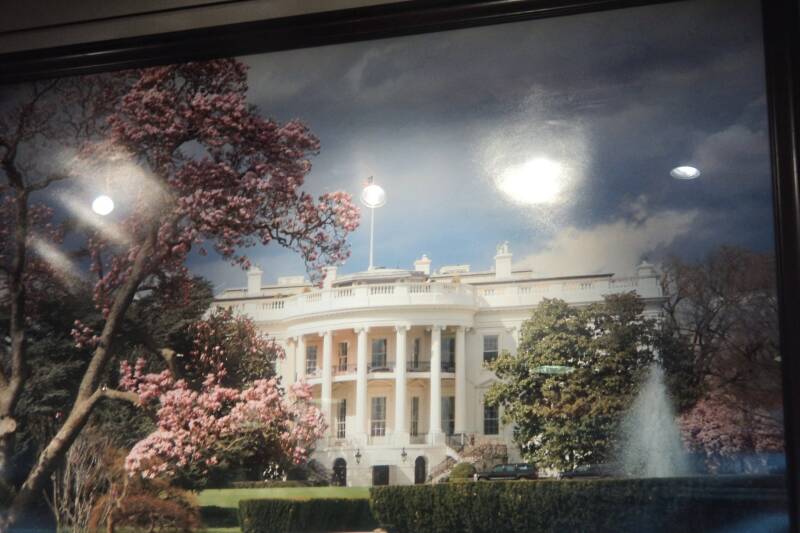
The White House is more than a residence. It is the symbolic heart of the American republic — the address where national decisions echo across continents, where presidents shape history, and where the executive branch carries out the work of the people. For Dr. Akwo Thompson Ntuba, who has worked with multiple federal departments under the executive branch, including inside the U.S. State Department, standing on the White House grounds is not a tourist moment; it is a continuation of his service to the nation and his documentation of America’s 250‑year journey.
1. The Origin of the White House: A House for a New Nation
The White House traces its origins to the earliest years of the republic. After independence, the new nation needed a home for its president — a place that symbolized stability, authority, and democratic governance.
-
Construction began in 1792
-
Designed by James Hoban, an Irish-born architect
-
President George Washington selected the site, though he never lived in the completed building
-
President John Adams became the first occupant in 1800
The building was intended to be modest compared to European palaces, reflecting the American belief that leadership should be accessible, not imperial.
Dr. Ntuba’s America 250 reflections emphasize that the White House was built not as a throne, but as a working home — a place where the president lives among the people he serves.
2. The Burning of the White House: Britain’s Strike at the American Heart
During the War of 1812, the British sought to break American morale by attacking symbolic targets. In August 1814, British troops marched into Washington, D.C., and set fire to:
-
The Capitol
-
The Treasury
-
The White House
The burning of the White House was meant to humiliate the young nation. But instead, it strengthened American resolve.
Dr. Ntuba’s historical documentation connects this moment to the broader struggle for national identity: America proved that its institutions could be destroyed physically but not spiritually.
The White House was rebuilt, expanded, and fortified — a testament to resilience.
3. The White House as the Most Powerful Address on Earth
Today, the White House is often called the most powerful address and ZIP code on earth. This is not hyperbole. It reflects the global influence of the American presidency.
From this location:
-
Wars have been declared and ended
-
Civil rights have been advanced
-
Economic policies have shaped global markets
-
Treaties have been signed
-
Crises have been managed
-
Humanitarian missions have been launched
The decisions made inside its walls affect billions of people. Its ZIP code — 20500 — is recognized worldwide as the center of executive power.
Dr. Ntuba’s work with federal departments gives him firsthand understanding of how the executive branch operates, how agencies coordinate with the White House, and how policy becomes action.
4. Major Occupants: From Founders to the First African American President
The White House has housed every president since John Adams. Each occupant leaves a mark on the building and the nation.
Barack Obama: A Historic Presidency
One of the most significant occupants in the White House’s 250‑year story is President Barack Obama, the first African American president.
His presidency symbolized:
-
The progress of the Civil Rights Movement
-
The expanding inclusiveness of American democracy
-
The ability of the nation to rise above its historical divisions
The Obama family brought a new cultural presence to the White House:
-
Michelle Obama’s leadership in health, education, and youth empowerment
-
The visibility of African American heritage within the Executive Mansion
-
A global message that America’s promise belongs to all its people
Dr. Ntuba’s reflections highlight that Obama’s presidency was not only political but symbolic — a milestone in the American journey toward equality.
5. Dr. Ntuba’s Work with the Executive Branch
Dr. Akwo Thompson Ntuba has collaborated with multiple federal departments under the executive branch, including:
-
The U.S. State Department
-
Health and development agencies
-
Federal offices in Washington, New York, Houston, Austin, San Antonio, Los Angeles, and Chicago
His work has involved:
-
Public health documentation
-
Governance analysis
-
International engagement
-
Community development
-
Crisis response
Standing on the White House grounds, Dr. Ntuba represents the thousands of professionals who support the presidency through research, diplomacy, health policy, and administrative expertise.
His America 250 Series preserves the story of those who work behind the scenes to strengthen the nation.
6. The White House in America’s 250-Year Story
As the United States marks its 250th anniversary, the White House stands as:
-
A symbol of democratic continuity
-
A witness to national triumphs and tragedies
-
A home where history is written daily
-
A global center of leadership
-
A monument to the American experiment
Dr. Ntuba’s documentation ensures that future generations understand the White House not only as a building, but as a living institution — shaped by presidents, staff, citizens, and the nation’s evolving identity.
Conclusion: The White House as a Beacon of the Republic
The White House is the heart of American governance. It has been burned, rebuilt, expanded, and transformed — yet it remains the center of national leadership.
For Dr. Akwo Thompson Ntuba, standing before the White House is standing before the story of America itself: a story of resilience, democracy, diversity, and power.
His America 250 Series preserves this legacy for the world.
America’s Indigenous Nations and the Founding Era
By His Eminence Excellency Minister Dr. Akwo Thompson Ntuba
America’s Indigenous Nations and the Founding Era
By His Eminence Excellency Minister Dr. Akwo Thompson Ntuba
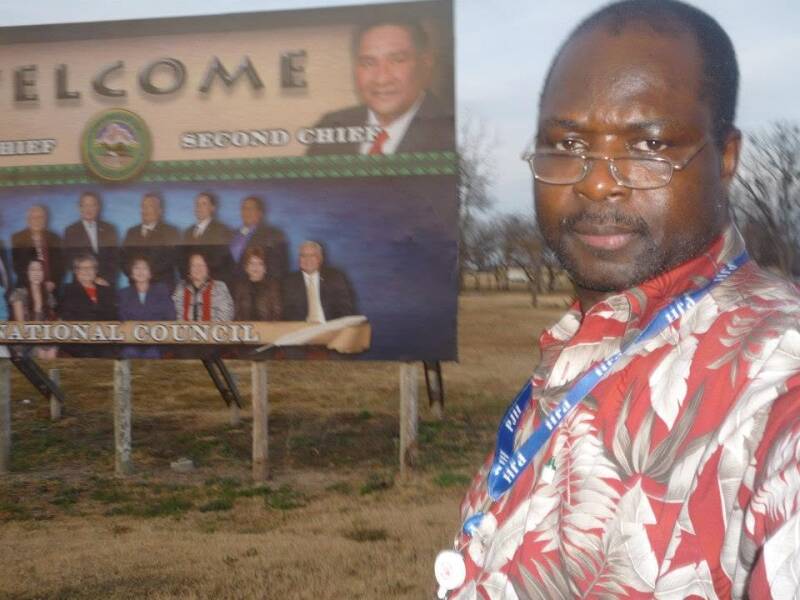
America’s Indigenous nations are the original stewards of the land — communities whose histories predate the republic by thousands of years.
1. Indigenous Sovereignty
Indigenous nations possessed:
-
Complex governance
-
Trade networks
-
Spiritual traditions
-
Diplomatic systems
Their presence shaped early American settlement and policy.
2. The Founding Era
As European settlers arrived, Indigenous nations:
-
Negotiated treaties
-
Resisted displacement
-
Adapted to new realities
-
Preserved cultural identity
Dr. Ntuba’s reflections emphasize that America’s 250‑year story cannot be told without acknowledging Indigenous resilience.
3. Modern Indigenous Leadership
Today, Indigenous nations continue to:
-
Govern sovereign lands
-
Protect natural resources
-
Preserve cultural heritage
-
Engage in federal policy
Their contributions enrich the American mosaic.
The Supreme Court and Constitutional Interpretation
By His Eminence Excellency Minister Dr. Akwo Thompson Ntuba
The Supreme Court and Constitutional Interpretation
By His Eminence Excellency Minister Dr. Akwo Thompson Ntuba
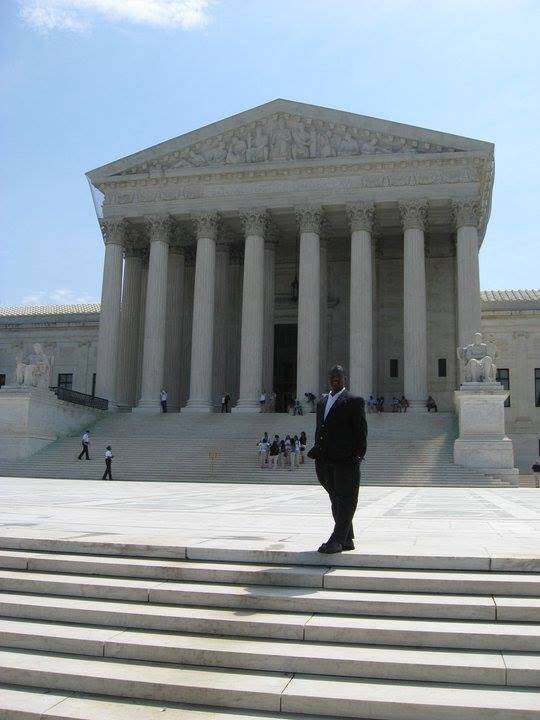
The Supreme Court is the guardian of the Constitution — the institution that interprets the nation’s foundational document and ensures that laws align with constitutional principles.
1. Judicial Review
Since Marbury v. Madison (1803), the Court has held the power to:
-
Strike down unconstitutional laws
-
Define the limits of government
-
Protect individual rights
This power makes the Court a central pillar of American democracy.
2. Landmark Decisions
The Court has shaped national life through decisions on:
-
Civil rights
-
Voting rights
-
Marriage
-
Privacy
-
Education
-
Federal power
Dr. Ntuba’s reflections highlight that the Court’s rulings often redefine the nation’s moral and legal landscape.
3. The Court as Constitutional Memory
The Supreme Court preserves the continuity of the republic by ensuring that:
-
No branch exceeds its authority
-
Citizens’ rights remain protected
-
The Constitution remains a living document
Its work is quiet but profound — shaping the nation’s destiny through interpretation rather than legislation.
AMERICA 250 SERIES
The U.S. Congress and Legislative Power
By His Eminence Excellency Minister Dr. Akwo Thompson Ntuba
AMERICA 250 SERIES
The U.S. Congress and Legislative Power
By His Eminence Excellency Minister Dr. Akwo Thompson Ntuba
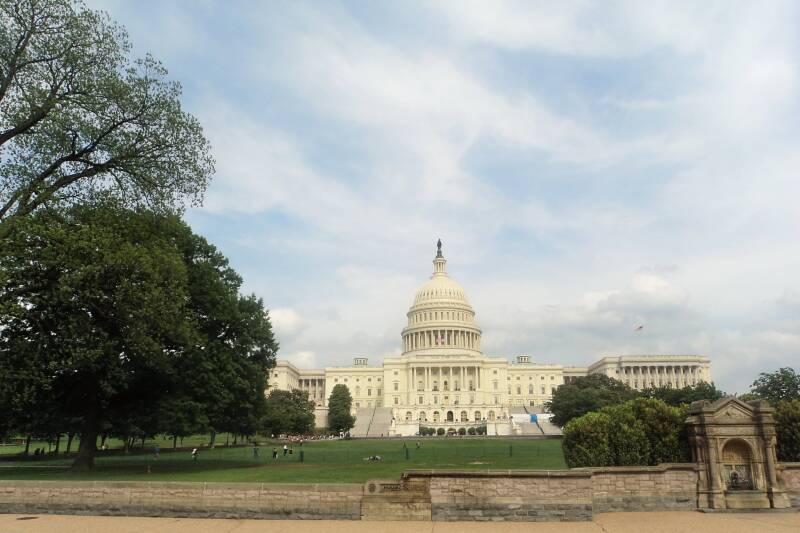
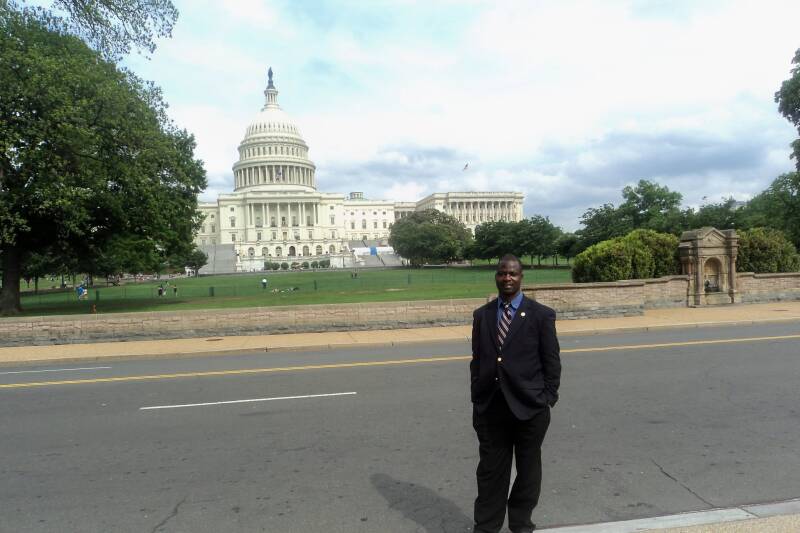
The United States Congress is the beating legislative heart of the republic — the institution where the people’s voice becomes law. Created by the Constitution in 1787, Congress embodies the principle that national power must be shared, debated, and checked.
1. Bicameral Genius
Congress consists of:
-
The House of Representatives — the chamber of the people
-
The Senate — the chamber of states
This structure ensures that legislation reflects both population and sovereignty.
2. The Work of Lawmaking
Congress:
-
Drafts and debates bills
-
Oversees federal agencies
-
Controls national spending
-
Declares war
-
Ratifies treaties
-
Represents local and national interests
Dr. Ntuba’s America‑250 reflections emphasize that Congress is not merely a political arena — it is the constitutional engine that keeps the republic functioning.
3. Congress as a Mirror of the Nation
Across 250 years, Congress has reflected:
-
The nation’s divisions
-
The nation’s aspirations
-
The nation’s struggles for equality
-
The nation’s evolving identity
From civil rights legislation to economic reforms, Congress has shaped the American story through conflict, compromise, and courage.
American Military History and National Defense
By His Eminence Excellency Minister Dr. Akwo Thompson Ntuba
American Military History and National Defense
By His Eminence Excellency Minister Dr. Akwo Thompson Ntuba
The American military is the shield of the republic — the institution that defends the nation’s sovereignty, protects its interests, and responds to global crises.
1. Origins of American Defense
From the Revolutionary War to the present, the U.S. military has:
-
Secured independence
-
Preserved the Union
-
Defended allies
-
Responded to global threats
-
Provided humanitarian relief
2. The Modern Armed Forces
The U.S. military includes:
-
Army
-
Navy
-
Air Force
-
Marine Corps
-
Space Force
-
Coast Guard
Together, they form one of the most advanced defense systems in human history.
3. Military Leadership and National Identity
American military history is filled with leaders whose courage shaped the nation:
-
Washington
-
Grant
-
Eisenhower
-
Powell
-
McCain
Dr. Ntuba’s America‑250 reflections emphasize that the military is not only a force of defense — it is a force of national character.