

Origin, importance, and meaning of Thanksgiving celebrations
Thanksgiving is a sacred occasion dedicated to expressing gratitude, appreciating shared blessings, and recognizing the provision, health, and grace that guide our communities throughout the year.

The true meaning of Thanksgiving
At its core, Thanksgiving signifies giving thanks and demonstrating sincere gratitude to God and to one another for the gift of life, protection, good health, and sustaining provisions. It calls us to appreciate our family members, friends, and loved ones while honoring the shared journey of mutual support and community resilience.
Historical roots and ancient harvest traditions
The tradition of Thanksgiving has deep historical roots originating in ancient agricultural societies. Communities gathered to offer heartfelt prayers and offerings of appreciation for plentiful seasonal harvests and divine blessings, laying the foundation for modern reflections on abundance, perseverance, and peace.

Sharing blessings and uplifting our communities
A meaningful Thanksgiving extends far beyond personal celebration. It is realized through acts of generosity: sharing food, uplifting those in need, helping the vulnerable, and remembering with deep reverence every milestone and positive transformation achieved across the year.
ORIGIN, IMPORTANCE AND MEANING OF THANKSGIVING CELEBRATIONS


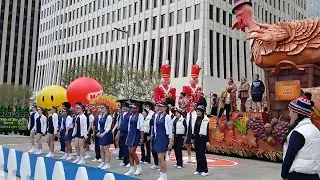
ORIGIN, IMPORTANCE AND MEANING OF THANKSGIVING CELEBRATIONS
1. Meaning of Thanksgiving
Thanksgiving is a special celebration in which people express gratitude and appreciation for the blessings, goodness, and provisions they have received.
The word Thanksgiving means giving thanks or showing gratitude to God and to others for the good things in life.
Thanksgiving may involve:
-
Thanking God for life, protection, good health, and provision.
-
Appreciating family members, friends, and loved ones.
-
Celebrating a successful harvest and God's blessings.
-
Sharing food and gifts with others.
-
Helping the poor and people in need.
-
Remembering and appreciating the good things that have happened throughout the year.
2. Origin of Thanksgiving Celebrations
Thanksgiving celebrations have a long history. They originated from ancient traditions in which people offered prayers and sacrifices to God or their gods to show appreciation for good harvests, successful seasons, and other blessings.
The American Thanksgiving
One of the most famous Thanksgiving celebrations began in America in 1621.
-
In 1620, a group of English settlers known as the Pilgrims arrived in America aboard a ship called the Mayflower.
-
They experienced difficulties, including hunger, sickness, and harsh weather.
-
With assistance from the Native Americans, particularly the Wampanoag people, some settlers learned how to grow crops and survive in their new environment.
-
After a successful harvest in 1621, the settlers organized a feast to celebrate and give thanks.
-
The celebration lasted for about three days and included the participation of the Wampanoag people.
In 1863, President Abraham Lincoln declared Thanksgiving a national holiday in the United States. Today, Americans celebrate Thanksgiving on the fourth Thursday of November every year.
Thanksgiving is also celebrated in other countries, although the dates, traditions, and reasons for celebrating may differ.
3. Importance of Thanksgiving Celebrations
Thanksgiving is important for several reasons:
1. It promotes gratitude: It teaches people to appreciate what they have instead of concentrating only on what they lack.
2. It strengthens relationships: Families and friends come together, share meals, and strengthen their relationships.
3. It promotes unity: Thanksgiving brings people from different backgrounds together in peace and love.
4. It encourages generosity: People are encouraged to share food, money, clothes, and other resources with those in need.
5. It strengthens faith in God: For religious people, Thanksgiving provides an opportunity to praise and thank God for His goodness and protection.
6. It promotes happiness: Celebrating with loved ones creates joy, peace, and beautiful memories.
7. It encourages reflection: It gives people time to look back on the year and appreciate their achievements and experiences.
8. It preserves culture and tradition: Thanksgiving celebrations help families and communities maintain important customs and values.
9. It teaches children good values: Children learn the importance of gratitude, kindness, sharing, and appreciation.
10. It encourages peaceful living: Thanksgiving reminds people to forgive one another, love their neighbours, and live together peacefully.
4. How Thanksgiving Is Celebrated
Thanksgiving celebrations can take different forms depending on people's cultures and religious beliefs.
Common activities include:
-
Praying and singing songs of praise.
-
Attending church services.
-
Preparing and sharing special meals.
-
Visiting family members and friends.
-
Giving gifts to loved ones.
-
Donating food and money to the needy.
-
Organizing community gatherings.
-
Expressing appreciation to people who have helped us.
5. Lessons We Learn from Thanksgiving
Thanksgiving celebrations teach us that:
-
We should always be grateful for what we have.
-
We should appreciate God and other people.
-
We should share with those who are less fortunate.
-
We should love and respect one another.
-
We should not take life and its blessings for granted.
-
We should celebrate our achievements with humility.
Conclusion
Thanksgiving is a meaningful celebration that reminds us to appreciate God, our families, friends, and everyone who contributes positively to our lives. It promotes gratitude, love, unity, kindness, generosity, and peaceful relationships. Therefore, Thanksgiving should not only be celebrated through eating and drinking but also through showing love, helping others, and appreciating the blessings of life.
-
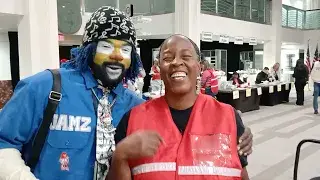
How Norman, Oklahoma, Normally Celebrates Thanksgiving

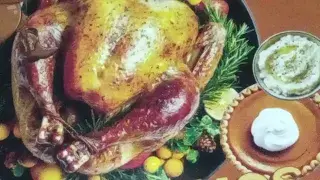
How Norman, Oklahoma, Normally Celebrates Thanksgiving
Thanksgiving in Norman is generally a family-centered holiday, with a mix of traditional home celebrations, church gatherings, community service, football, and local outings.
Norman has a college-town atmosphere because of the University of Oklahoma, but Thanksgiving tends to be a quieter, family-oriented holiday as many students leave town to visit relatives.
1. Family Thanksgiving dinners
Many families celebrate at home with:
-
Roast turkey or baked ham.
-
Dressing or cornbread stuffing.
-
Mashed potatoes and gravy.
-
Green bean casserole and sweet potatoes.
-
Pumpkin and pecan pies.
-
Family gatherings with grandparents, children, and extended relatives.
Some families host large dinners, while others divide the holiday between relatives.
2. Church and community celebrations
Churches and community organizations often celebrate by:
-
Hosting Thanksgiving meals.
-
Providing food baskets to families.
-
Organizing food drives.
-
Delivering meals to seniors.
-
Helping people who might otherwise spend the holiday alone.
3. Football and family entertainment
Football is a familiar Thanksgiving tradition. In Norman, the University of Oklahoma has a particularly strong football culture.
Families may watch NFL Thanksgiving games, talk about OU football, play games, and visit with relatives.
4. OU students and international visitors
Norman has a distinctive college-town tradition.
-
Many University of Oklahoma students travel home for Thanksgiving.
-
International students sometimes celebrate with American friends or host families.
-
Some families invite students who cannot travel to join their Thanksgiving dinner.
-
Friends may organize informal Friendsgiving dinners.
A historical OU Daily article documents students sharing Thanksgiving meals and traditions with international students.
The Gateway to Oklahoma History
5. Norman's Native American heritage
Oklahoma has a significant Native American presence, and Thanksgiving can be viewed differently among Indigenous families.
Some celebrate with family meals, while others use the holiday to reflect on Native history, cultural survival, and the experiences of Indigenous people.
It is important to recognize that there is no single Native American perspective on Thanksgiving.
6. A real Norman Thanksgiving tradition
One particularly interesting example is St. Joseph Catholic Church.
Its annual Thanksgiving dinner tradition began in 1922. In 2022, the church reported that more than 500 people attended its community celebration, supported by many volunteers.
Oklahoma City, OK
For 2026, the parish has announced its 104th annual dinner for November 15.
Oklahoma City, OK
What Thanksgiving feels like in Norman
My overall picture of Norman is:
-
Morning: Cooking, family visits and watching the Thanksgiving parade.
-
Midday: Thanksgiving dinner with relatives.
-
Afternoon: Football, visiting friends, desserts and relaxing.
-
Evening: Movies, shopping preparations and holiday decorating.
-
Throughout the season: Church activities, food donations and helping neighbors.
One thing worth knowing: Thanksgiving is not necessarily a big nightlife or public-festival holiday in Norman. It is more about family, home, faith, food and community.